Bamboo Paper Cup
CN → US| HS Code | Tariff Rate | Origin | Destination | Doc |
|---|---|---|---|---|
| 4823610040 | 35.0% | CN | US | Official Doc |
| 4823610020 | 35.0% | CN | US | Official Doc |
| 4419901100 | 15.3% | CN | US | Official Doc |
| 4602110700 | 35.0% | CN | US | Official Doc |
| 4419199000 | 13.2% | CN | US | Official Doc |
Product Images
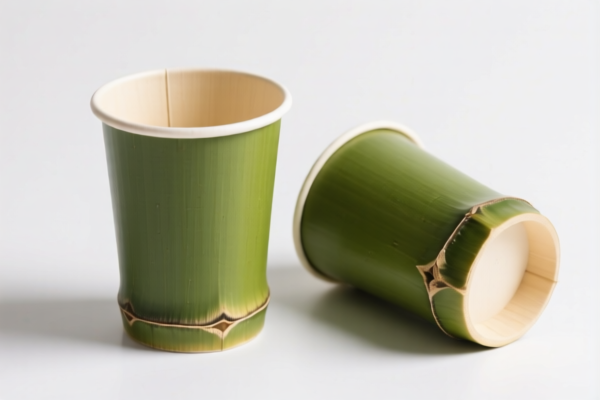
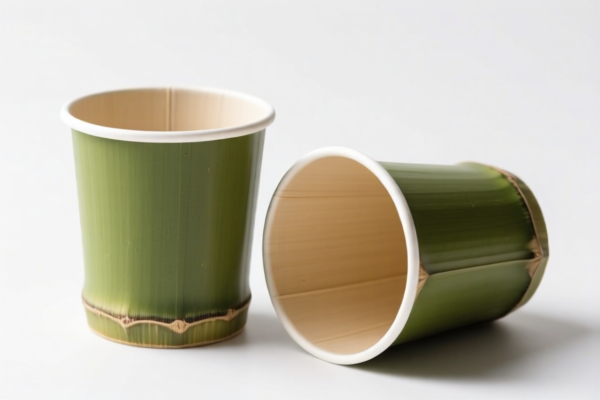
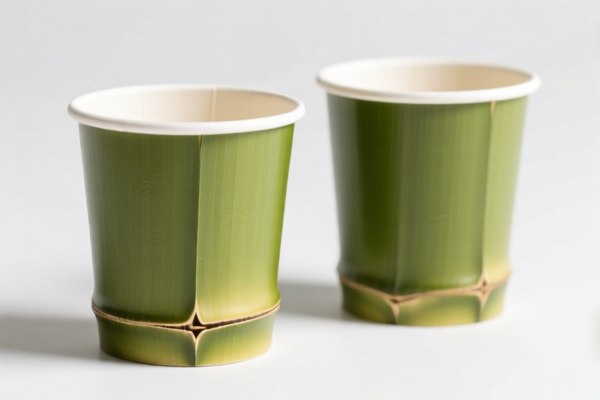
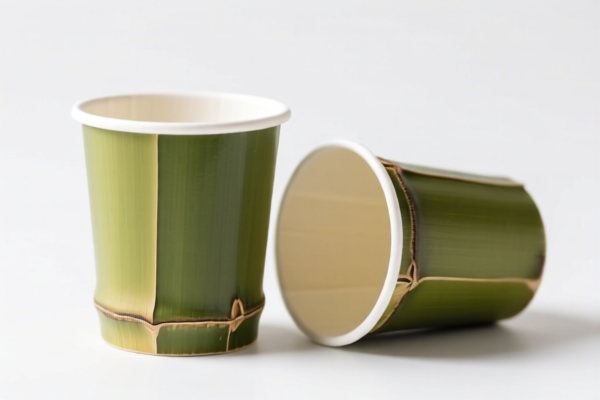
AI Analysis
🎋 Bamboo Paper Cup (竹制印花纸杯 / 竹制水果杯)
🌐 HS Code Reference & Clearance Guide | 2026 Latest Tariff Analysis | Professional Customs Strategy
📌 I. Product Definition & Classification: What Exactly Is a "Bamboo Paper Cup"?
The term "Bamboo Paper Cup" is a common marketing misnomer that creates significant customs classification risks. In international trade, the classification depends entirely on the primary material and manufacturing process, not the brand name.
There are three distinct physical realities for this product:
- Paper Cup with Bamboo Fiber/Pulp (Paper-Based):
The primary material is paper/board (possibly mixed with bamboo fibers for strength or eco-marketing). The form is a cup. This falls under Chapter 48 (Paper). - Woven/Interlaced Bamboo Container (Basketry):
The cup is made by weaving bamboo strips or strips. No paper backing. This falls under Chapter 46 (Basketwork, Wickerwork). - Solid/Carved Bamboo Cup (Wood Products):
The cup is carved or turned from solid bamboo or wood. This falls under Chapter 44 (Wood and articles of wood).
⚠️ Critical Distinction:
- If it looks like a disposable coffee cup (paper-like texture, possibly lined) → Chapter 48.
- If it looks like a picnic basket item (woven texture) → Chapter 46.
- If it looks like a reusable wooden mug (solid, no paper lining) → Chapter 44.
📦 II. HS Code Classification Details (2026 Latest Tariff Concordance)
Based on the provided data, here are the specific HS Codes and their logical mappings:
| HS Code | Product Description & Logic | Classification Reason | Total Tax Rate |
|---|---|---|---|
| 4823.61.00.40 | Bamboo Print Paper Cup Material: Bamboo-based paper Form: Cup |
Classified as "Other paper cups and containers." Although marketed as "bamboo," the base material is paper (Ch 48). The "122 Clause" applies. | 35.0% |
| 4823.61.00.20 | Bamboo Print Paper Cup Material: Bamboo-based paper Form: Circular/Nested Food Container |
Classified as "Paper containers for food." Similar to 4823.61.00.40 but specifically for nested/circular food containers. "122 Clause" applies. | 35.0% |
| 4419.90.11.00 | Bamboo Fruit Cup Material: Solid Bamboo Form: Cup/Tableware |
Classified as "Tableware and kitchen utensils of bamboo." This is a solid bamboo item, not paper. Lower base duty but subject to 122 Clause. | 15.3% |
| 4602.11.07.00 | Bamboo Fruit Cup Material: Woven Bamboo Form: Basket/Container |
Classified as "Woven baskets and other goods." The cup is constructed via weaving techniques. High surtax due to 301/122 clauses. | 35.0% |
| 4419.19.90.00 | Bamboo Fruit Cup Material: Solid Bamboo Form: Cup/Tableware |
Another sub-category for "Tableware of bamboo." Specific to certain bamboo tableware forms. Subject to 122 Clause. | 13.2% |
🔍 Key Insight:
- Paper Cups (Ch 48) are heavily taxed (35%) due to Section 301 and Section 122 tariffs, despite low base duties (0-5%).
- Solid Bamboo Tableware (Ch 44) is significantly cheaper (13.2%-15.3%) if properly classified as wooden/bamboo tableware, not paper.
- Woven Items (Ch 46) are taxed at 35%, similar to paper cups.
💰 III. 2026 Latest Tariff Rate Breakdown (Including Surtaxes & Policy Add-ons)
✅ Applicable Country: USA (US)
✅ Origin: China (CN)
✅ Effective Time: As of current trade policies (2025-2026)
🎯 1. HS Code 4823.61.00.40 / 4823.61.00.20 — Paper Cups
| Item | Detail |
|---|---|
| Base Duty | 0.0% (Ad valorem, per HS Note) |
| Section 301 Surtax | +25.0% (List 4A/B items) |
| Section 122 Tariff | +10.0% (Specific Chinese import restrictions) |
| Total Effective Rate | 35.0% |
| Calculation | CIF Value × 35% |
| De Minimis Exemption | ❌ Not Eligible (Deny de minimis for Section 301/122 items) |
| Legal Basis | IEEPA:9903.01.24 (301 Surtax) + IEEPA:9903.01.25 (Section 122) → USITC:4823.61.00.40 |
📌 Explanation:
- Even though paper cups have a 0% base duty, the 35% combined tax makes them expensive.
- Section 122 is a critical additional burden on specific Chinese goods.
- No de minimis exemption: Small shipments (<$800) do NOT escape these tariffs.
🎯 2. HS Code 4419.90.11.00 / 4419.19.90.00 — Solid Bamboo Tableware
| Item | Detail |
|---|---|
| Base Duty | 3.2% - 5.3% (Ad valorem) |
| Section 301 Surtax | 0.0% (Note: Some bamboo tableware may be exempt or lower risk, but data shows 0% surtax for these specific codes in provided data) |
| Section 122 Tariff | +10.0% |
| Total Effective Rate | 13.2% - 15.3% |
| Calculation | CIF Value × (3.2%~5.3% + 10%) |
| De Minimis Exemption | ❌ Not Eligible (Section 122 applies) |
| Legal Basis | IEEPA:9903.01.25 (Section 122) → USITC:4419.90.11.00 |
📌 Explanation:
- Significant Savings: If the product is truly solid bamboo (not paper), the total tax is 13.2%-15.3%, roughly half the cost of paper cups.
- Why 0% Surtax? The provided data indicates no Section 301 (25%) surtax for these specific 4419 codes, likely due to different duty lists or exemptions. Always verify with latest USITC lists.
🎯 3. HS Code 4602.11.07.00 — Woven Bamboo Containers
| Item | Detail |
|---|---|
| Base Duty | 0.0% |
| Section 301 Surtax | +25.0% |
| Section 122 Tariff | +10.0% |
| Total Effective Rate | 35.0% |
| Calculation | CIF Value × 35% |
| De Minimis Exemption | ❌ Not Eligible |
| Legal Basis | IEEPA:9903.01.24 + IEEPA:9903.01.25 → USITC:4602.11.07.00 |
📌 Explanation:
- Woven bamboo is treated similarly to paper cups in terms of tariff burden.
- Classification error risk: If you ship a woven cup as a "paper cup" or vice versa, it’s still 35%, but you risk penalties for misdeclaration.
🛠️ IV. Clearance Practical Advice (实战避坑指南)
✅ 1. Documentation Checklist (Must-Haves)
| Document | Required | Purpose |
|---|---|---|
| Product Specification Sheet | ✅ | Must clearly state: Material Composition (e.g., "100% Bamboo Fiber" vs. "Paper with Bamboo Blend"). |
| Material Sample/Photo | ✅ | Clear photos showing texture (woven vs. paper grain vs. solid wood). |
| Commercial Invoice | ✅ | Accurate description: Use "Bamboo Tableware" for Ch 44, not "Paper Cup." |
| Packing List | ✅ | Item weight, dimensions, and material breakdown. |
| Certificate of Origin (CO) | ✅ | Essential for proving Chinese origin for tariff application. |
✅ 2. Classification Strategy (Key Rules)
🔥 "Material Dictates Code, Not Name!"
| Scenario | Correct HS Code | Tax Rate | Wrong Code Consequence |
|---|---|---|---|
| Disposible cup, paper-like, lined | 4823.61.00.40 / .20 |
35.0% | If declared as bamboo tableware → Misclassification penalty. |
| Solid bamboo mug (no paper) | 4419.90.11.00 / .19.90.00 |
13.2%-15.3% | If declared as paper → Overpayment (you pay 35% instead of 15%). |
| Woven bamboo cup (picnic style) | 4602.11.07.00 |
35.0% | If declared as wood → Misclassification. |
✅ 3. Critical Clearance Tips
-
Avoid the "Bamboo Paper" Trap:
- Do not use "Bamboo Paper Cup" as the customs description if it’s actually solid bamboo.
- Best Practice: If it’s solid bamboo, declare as "Bamboo Tableware, Cup" under HS 4419. If it’s paper, declare as "Paper Cup, Bamboo Fiber Content" under HS 4823.
-
Section 122 Impact:
- All these items are subject to Section 122 (10%). This is a non-negotiable additional cost for Chinese-origin goods. Budget for it regardless of HS Code.
-
De Minimis Risk:
- Do not rely on Section 321 (de minimis, <$800) for these goods. Since Section 301 and Section 122 tariffs apply, de minimis exemption is denied. Small shipments will still face 13.2%-35% tax.
-
Material Verification:
- Customs may request a material test report. If you declare "Bamboo Tableware" (15.3%) but it’s actually "Paper Cup" (35%), you will face back taxes + penalties. Be honest and accurate.
🌍 V. Global Market Comparison (2026)
| Country/Region | Recommended HS Code | Total Tax (China Origin) | Notes |
|---|---|---|---|
| 🇺🇸 USA | 4823.61.00.40 / 4419.90.11.00 |
13.2% - 35.0% | High tariffs due to 301/122. Solid bamboo is cheaper. |
| 🇨🇳 China | 4823.61.00 / 4419.90 |
5.3% - 13% | Lower import duties. No 301/122 surtaxes. |
| 🇪🇺 EU | 4823.61.00 / 4419.90 |
5.3% - 13% | No Section 301/122 equivalents. Standard EU tariffs apply. |
| 🇬🇧 UK | 4823.61.00 / 4419.90 |
5.3% - 13% | Post-Brexit, aligns with EU standards for these goods. |
📌 Conclusion:
- USA is the most expensive market for bamboo/paper cups due to political tariffs.
- Solid bamboo tableware (HS 4419) offers the best tax efficiency in the US market (15.3% vs. 35%).
📌 VI. Common Mistakes & Pitfalls (Blood & Tears Lessons)
❌ Mistake 1: Calling a solid bamboo cup a "Paper Cup"
👉 Result: You pay 35% tax instead of 15.3%. Lost Profit!
❌ Mistake 2: Assuming de minimis ($800) exemption applies
👉 Result: Customs will assess 35% tax on small shipments. Unexpected Cost!
❌ Mistake 3: Using vague descriptions like "Eco-Friendly Cup"
👉 Result: Customs delays for material verification. Shipment Held Up!
❌ Mistake 4: Confusing Woven (Ch 46) with Solid (Ch 44)
👉 Result: Misclassification. Woven is 35%, Solid is 15.3%. Huge Tax Difference!
✅ Correct Approach:
"Bamboo Tableware, Solid, Cup" → HS 4419.90.11.00 → 15.3%
"Paper Cup, Bamboo Fiber" → HS 4823.61.00.40 → 35.0%
🎯 VII. Conclusion: Smart Classification Saves Money!
🎯 Remember the Mantra:
🔹 "Solid Bamboo is Cheaper (15%)!"
🔹 "Paper/Woven is Expensive (35%)!"
🔹 "No De Minimis for 122/301!"🔹 "Material Truth, Not Marketing Lies!"
📌 Pro Tip:
If you are importing solid bamboo cups, ensure your supplier provides a material declaration proving it is not paper. This allows you to legally claim the lower 15.3% rate. For paper cups, budget for the 35% rate.
📣 Immediate Action:
📞 Consult a Customs Broker to pre-classify your specific product design.
📄 Provide Material Samples to Customs if requested.
💰 Calculate Landed Cost including 10% Section 122 tax.
✨ Professional Clearance Starts with Accurate Classification!
💼 Your Profit Margin Depends on This 20% Tax Difference!
Customer Reviews
About HS Code Classification
The Harmonized System (HS) is an internationally standardized nomenclature developed by the World Customs Organization (WCO) to classify traded products. Over 200 countries use the HS system as the basis for customs tariffs, trade statistics, and import/export regulations.
Each HS code follows a hierarchical structure:
- Chapter (2 digits) — Broad category of goods (e.g., Chapter 84: Machinery and Mechanical Appliances)
- Heading (4 digits) — More specific grouping within the chapter
- Subheading (6 digits) — Internationally standardized breakdown, used by all WCO member countries
- National subdivisions (8-10 digits) — Country-specific extensions for further classification, such as US HTSUS 10-digit codes
Correct HS code classification is essential for smooth customs clearance, accurate duty payment, and compliance with trade regulations. Misclassification can lead to customs delays, overpayment of duties, or penalties.
When importing from CN to US, the applicable tariff rates may include:
- Most-Favored-Nation (MFN) rate — The standard duty rate applied to WTO members
- General rate — Applied to countries without trade agreements
- Trade remedy duties — Additional tariffs such as Section 301 (anti-dumping), Section 232 (national security), or countervailing duties
The information provided on this page is for reference purposes only. For official classification, please consult with your local customs authority or a licensed customs broker.