Bamboo Pastry Plate
CN → US| HS Code | Tariff Rate | Origin | Destination | Doc |
|---|---|---|---|---|
| 4602114500 | 41.6% | CN | US | Official Doc |
| 4419199000 | 13.2% | CN | US | Official Doc |
| 4421919880 | 38.3% | CN | US | Official Doc |
| 4419901100 | 15.3% | CN | US | Official Doc |
| 4421999880 | 38.3% | CN | US | Official Doc |
| 4602110900 | 45.0% | CN | US | Official Doc |
Product Images
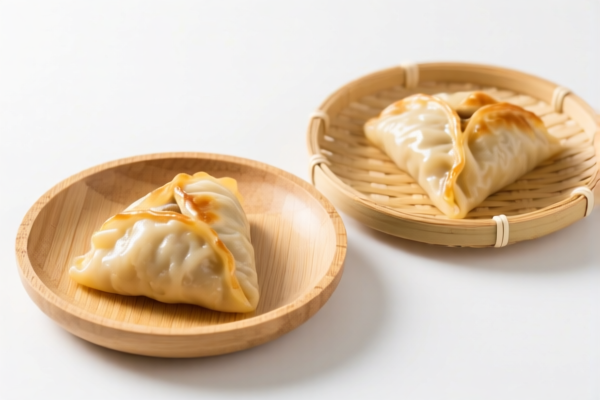
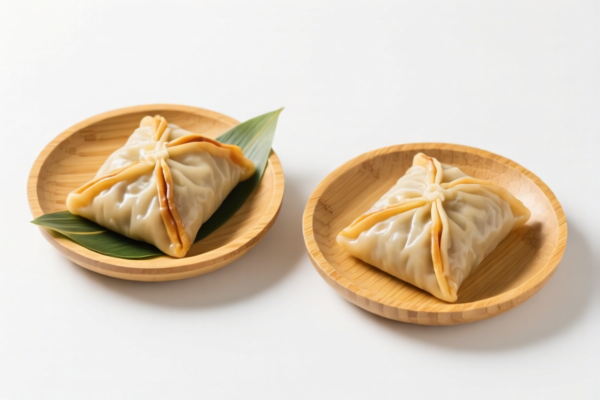
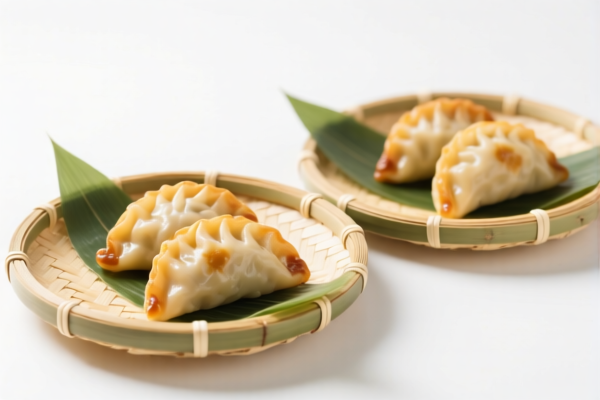
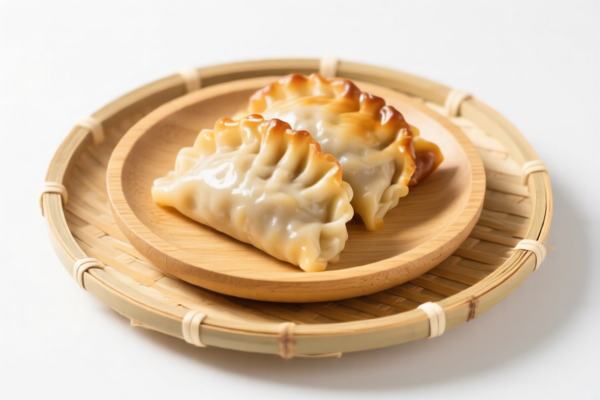
AI Analysis
🎋 Bamboo Pastry Plate (竹制糕点盘)
🌐 HS Code Reference & Customs Clearance Guide | 2026 Latest Tariff Analysis | Professional Clearance Strategy
📌 I. Product Definition & Classification: What Exactly is a "Bamboo Pastry Plate"?
A Bamboo Pastry Plate is a food service item made primarily from bamboo. In international trade, its classification is critical because it straddles two major chapters:
1. Chapter 44 (Wood and Articles of Wood; Wood Charcoal): Where bamboo is legally treated as "wood" in many tariff contexts.
2. Chapter 46 (Wickerwork, Basketwork, etc.): Where woven bamboo products are classified.
⚠️ Key Distinction:
- If the plate is woven, braided, or made from bamboo strips → It likely falls under Chapter 46.
- If the plate is solid, carved, or made from laminated bamboo sheets (treated as wood) → It likely falls under Chapter 44 (specifically as wooden tableware or other wooden articles).
📦 II. HS Code Classification Details (2026 Latest Tariff Reference)
Based on the provided data, here are the five possible HS Codes for a "Bamboo Pastry Plate," ranging from low to high tax liability:
| HS Code | Product Description | Classification Logic | Total Tax Rate (US Import from China) |
|---|---|---|---|
4419.19.90.00 |
Bamboo pastry plate (Tableware/Kitchenware) | Bamboo is treated as wood; classified under Wooden Tableware & Kitchenware. | 13.2% |
4419.90.11.00 |
Bamboo pastry plate (Other Wooden Tableware) | Bamboo is treated as wood; classified under Other Wooden Tableware. | 15.3% |
4602.11.45.00 |
Bamboo pastry plate (Woven/Wicker) | Bamboo is treated as Wicker/Basketry; classified under Woven Bamboo Plates. | 41.6% |
4421.91.98.80 |
Bamboo pastry plate (Other Wooden Articles) | Bamboo is treated as wood; classified as a General Wooden Accessory/Vessel. | 38.3% |
4421.99.98.80 |
Bamboo pastry plate (Other Wooden Articles) | Bamboo is treated as wood; classified under Other Wooden Articles (Residual). | 38.3% |
4602.11.09.00 |
Bamboo pastry plate (Other Wicker) | Bamboo is treated as Wicker; classified under Other Woven Items. | 45.0% |
🔍 Critical Observation:
- The lowest tax rate (13.2%) is achieved by classifying the item as Tableware under Chapter 44 (4419.19.90.00).
- The highest tax rate (45.0%) applies if classified as generic Wickerwork (4602.11.09.00).
- The difference in tax burden is 31.8 percentage points – a significant cost factor!
💰 III. 2026 Latest Tariff Rate Breakdown (Detailed)
✅ Applicable Country: United States (US)
✅ Origin: China (CN)
✅ Effective Date: 2025-11-10 (Including subsequent imports)
🎯 1. 4419.19.90.00 – BEST OPTION: Bamboo Tableware (Wood Category)
| Item | Detail |
|---|---|
| Base Tariff | 3.2% (ad valorem) |
| Section 301 (Add-on) | 0.0% |
| Section 122 (IEEPA Add-on) | 10.0% |
| Total Tax Rate | 13.2% |
| Tax Calculation | CIF Value × 13.2% |
| De Minimis Exemption | ❌ Not Eligible (deny_de_minimis) |
| Legal Basis Path | USITC:4419.19.90.00 → IEEPA:9903.01.25 |
📌 Explanation:
- This is the most favorable classification for bamboo tableware.
- No Section 301 tariff applies here (unlike many other wood products).
- Only the 10% Section 122 (IEEPA) surcharge is added to the base 3.2%.
🎯 2. 4419.90.11.00 – GOOD OPTION: Other Wooden Tableware
| Item | Detail |
|---|---|
| Base Tariff | 5.3% |
| Section 301 (Add-on) | 0.0% |
| Section 122 (IEEPA Add-on) | 10.0% |
| Total Tax Rate | 15.3% |
| Tax Calculation | CIF Value × 15.3% |
| De Minimis Exemption | ❌ Not Eligible |
| Legal Basis Path | USITC:4419.90.11.00 → IEEPA:9903.01.25 |
📌 Explanation:
- Slightly higher base rate (5.3%) but still no Section 301.
- Ideal if the plate doesn't fit strictly into "tableware" but is still clearly for food service.
🎯 3. 4602.11.45.00 – HIGH COST: Woven Bamboo Articles
| Item | Detail |
|---|---|
| Base Tariff | 6.6% |
| Section 301 (Add-on) | 25.0% |
| Section 122 (IEEPA Add-on) | 10.0% |
| Total Tax Rate | 41.6% |
| Tax Calculation | CIF Value × 41.6% |
| De Minimis Exemption | ❌ Not Eligible |
| Legal Basis Path | USITC:4602.11.45.00 → IEEPA:9903.01.24 → USITC:4602.11.45.00 → FOOTNOTE:9903.88.01 |
📌 Explanation:
- Section 301 tariff of 25% applies.
- This classification treats the plate as a "woven basket-like" item, not tableware.
🎯 4. 4421.91.98.80 & 4421.99.98.80 – HIGH COST: Other Wooden Articles
| Item | Detail |
|---|---|
| Base Tariff | 3.3% |
| Section 301 (Add-on) | 25.0% |
| Section 122 (IEEPA Add-on) | 10.0% |
| Total Tax Rate | 38.3% |
| Tax Calculation | CIF Value × 38.3% |
| De Minimis Exemption | ❌ Not Eligible |
📌 Explanation:
- Although the base rate is low (3.3%), the 25% Section 301 surcharge makes it expensive.
- These codes are used for bamboo items that are not tableware (e.g., decorative plates, trays not primarily for food).
🎯 5. 4602.11.09.00 – HIGHEST COST: Other Wickerwork
| Item | Detail |
|---|---|
| Base Tariff | 10.0% |
| Section 301 (Add-on) | 25.0% |
| Section 122 (IEEPA Add-on) | 10.0% |
| Total Tax Rate | 45.0% |
| Tax Calculation | CIF Value × 45.0% |
| De Minimis Exemption | ❌ Not Eligible |
| Legal Basis Path | IEEPA:9901.25 → IEEPA:9903.01.24 → USITC:4602.11.09.00 → FOOTNOTE:9903.88.01 |
📌 Explanation:
- The highest possible tax rate for this product.
- Applies to generic woven bamboo items not specifically identified as tableware.
🛠️ IV. Customs Clearance Practical Advice (Real-World Pitfall Avoidance)
✅ 1. Recommended HS Code for Low Tax: 4419.19.90.00
| Strategy | Action |
|---|---|
| Product Description | Clearly state "Bamboo Tableware" or "Bamboo Dinner Plate" in commercial invoices. |
| Material Declaration | Specify "Bamboo (treated as wood)" to align with Chapter 44. |
| Usage Declaration | Emphasize "For serving food/pastries" to justify Tableware classification. |
| Avoid Keywords | Do NOT use "Basket," "Weave," "Wicker," or "Decorative Tray" as primary terms. |
✅ 2. Documentation Checklist
| Document | Requirement |
|---|---|
| Commercial Invoice | Must list HS Code 4419.19.90.00 explicitly. |
| Product Photos | Show the plate being used for food (to prove tableware function). |
| Material Test Report | Confirm bamboo material (to support Chapter 44 classification). |
| Packaging | Ensure packaging does not imply "wicker basket" (e.g., avoid "Wicker Collection" branding). |
✅ 3. Common Mistakes to Avoid
| Mistake | Consequence |
|---|---|
Classifying as Wicker (4602) |
Tax jumps from 13.2% to 41.6%+. |
| Using "Decorative Tray" Description | May lead to 4421 (38.3%) or 4602 (45%) classification. |
| Ignoring Section 301 | Assuming 0% additional tariff because base rate is low. (Note: 4419 is exempt, but 4421 and 4602 are NOT). |
| Missing Section 122 Info | Forgetting the 10% IEEPA surcharge leads to underpayment and penalties. |
🌍 V. Global Market Comparison (2026)
| Country/Region | Recommended HS Code | Tariff (China Origin) | Notes |
|---|---|---|---|
| 🇺🇸 USA | 4419.19.90.00 |
13.2% | Lowest US tariff; requires tableware classification. |
| 🇨🇳 China | 4419.19.90.00 |
5-7% | Lower import tariff into China for re-export. |
| 🇪🇺 EU | 4419.19.90.00 |
0-2% | Often duty-free for wooden tableware under FTA terms. |
| 🇬🇧 UK | 4419.19.90.00 |
0% | Post-Brexit, many bamboo tableware items are 0%. |
| 🇯🇵 Japan | 4419.19.90.00 |
5-8% | Moderate tariff; no Section 301 equivalent. |
📌 Conclusion:
- The USA is the most complex market due to Section 301 and Section 122 tariffs.
- Correct classification as "Tableware" (Chapter 44) is the single most important step to save ~25-32% in taxes.
📌 VI. Key Takeaways & Action Plan
- Prioritize
4419.19.90.00: This code offers the lowest total tax (13.2%) and no Section 301 surcharge. - Label as "Tableware": Ensure all marketing and shipping documents describe the item as a plate, dish, or tableware, not a "tray" or "basket."
- Avoid Wicker Terminology: Words like "woven," "wicker," "basket," and "plaited" trigger Chapter 46, which incurs 25%+ Section 301 tariffs.
- Prepare for Section 122: Budget for the 10% IEEPA surcharge on all Chinese-origin goods.
- Apply for Advance Ruling: If unsure, submit a Binding Tariff Information (BTI) request to US Customs to secure the
4419.19.90.00classification legally.
🎯 Final Tip:
"Call it a Plate, not a Basket. Call it Tableware, not Decor. Save 25% in Taxes, Keep 25% in Profit."
📣 Next Steps:
📞 Contact your customs broker with the product photos and material specs.
📝 Confirm the HS Code4419.19.90.00on your commercial invoice.
🚀 Optimize your supply chain to maximize margins in the US market!
✨ Precision Classification, Profitable Clearance!
💼 Every percentage point matters in cross-border trade.
Customer Reviews
About HS Code Classification
The Harmonized System (HS) is an internationally standardized nomenclature developed by the World Customs Organization (WCO) to classify traded products. Over 200 countries use the HS system as the basis for customs tariffs, trade statistics, and import/export regulations.
Each HS code follows a hierarchical structure:
- Chapter (2 digits) — Broad category of goods (e.g., Chapter 84: Machinery and Mechanical Appliances)
- Heading (4 digits) — More specific grouping within the chapter
- Subheading (6 digits) — Internationally standardized breakdown, used by all WCO member countries
- National subdivisions (8-10 digits) — Country-specific extensions for further classification, such as US HTSUS 10-digit codes
Correct HS code classification is essential for smooth customs clearance, accurate duty payment, and compliance with trade regulations. Misclassification can lead to customs delays, overpayment of duties, or penalties.
When importing from CN to US, the applicable tariff rates may include:
- Most-Favored-Nation (MFN) rate — The standard duty rate applied to WTO members
- General rate — Applied to countries without trade agreements
- Trade remedy duties — Additional tariffs such as Section 301 (anti-dumping), Section 232 (national security), or countervailing duties
The information provided on this page is for reference purposes only. For official classification, please consult with your local customs authority or a licensed customs broker.