Bamboo Plate Lock
CN → US| HS Code | Tariff Rate | Origin | Destination | Doc |
|---|---|---|---|---|
| 4419199000 | 13.2% | CN | US | Official Doc |
| 4419110000 | 13.2% | CN | US | Official Doc |
| 4602114500 | 41.6% | CN | US | Official Doc |
Product Images
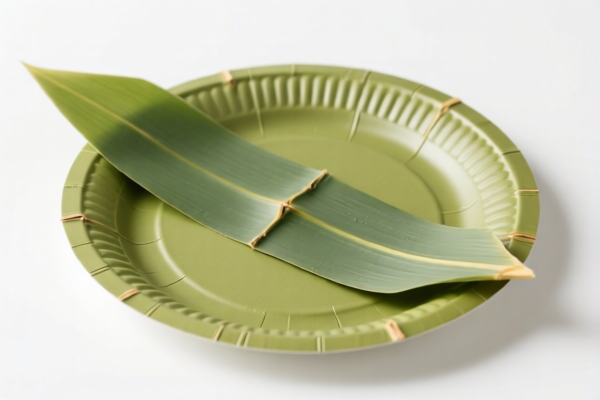
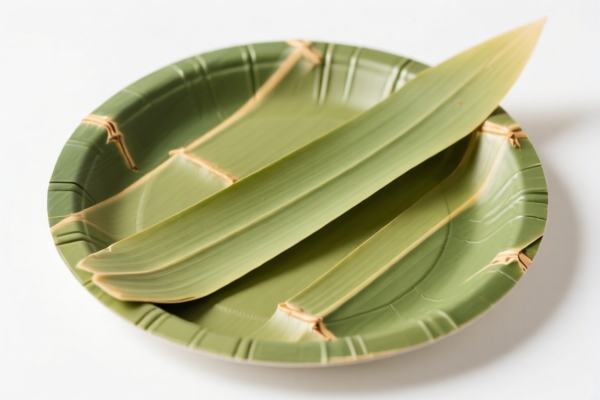
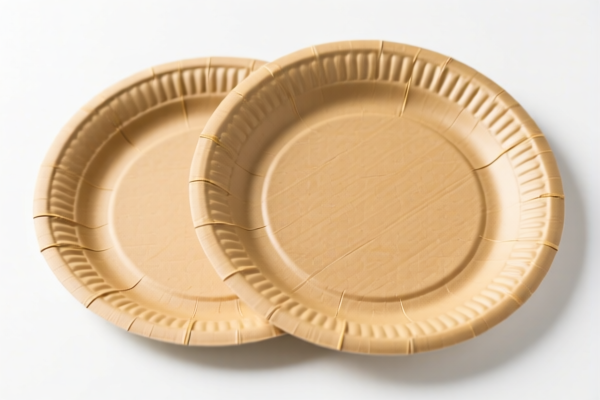
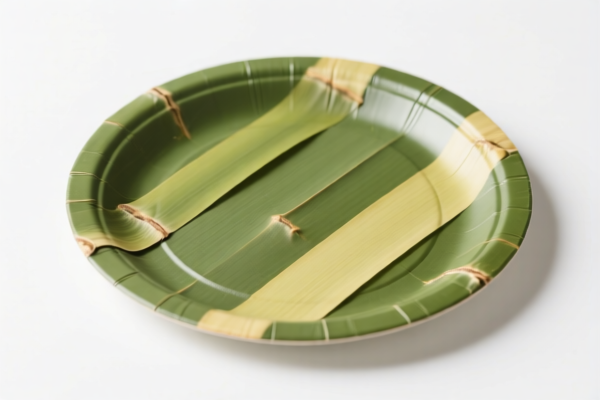
AI Analysis
🎋 Bamboo Plate Lock (竹制餐盘/餐具/编织器皿)
🌐 HS Code Reference & Customs Clearance Guide | 2026 Latest Tariff Analysis | Professional Entry Strategy
📌 I. Product Definition & Classification: Understanding "Bamboo Plates"
Bamboo Plates are tableware items made from processed bamboo. In international trade, they are classified differently based on their manufacturing process and physical form. Misclassification leads to massive tariff differences (from 13.2% to 41.6%).
There are three primary classification paths for bamboo plates:
- Machined/Carved Bamboo Plates: Solid or veneered bamboo cut into plate shapes.
- Woven Bamboo Vessels: Bamboo strips woven together (basketry style).
⚠️ Key Distinction:
- If the item is solid, carved, or laminated bamboo (standard plate shape) → Chapter 44.
- If the item is woven bamboo strips (like a basket or placemat base) → Chapter 46.
📦 II. HS Code Classification Details (2026 Latest Tariff Alignment)
Based on the provided <DATA>, here are the precise HS Codes and their tax implications.
| HS Code | Product Description | Application Scenario | Manufacturing Method |
|---|---|---|---|
4419.19.90.00 |
Bamboo Tableware & Kitchenware (Other) | General Bamboo Plates: Not specifically for meals (e.g., serving dishes, decorative plates, or generic "kitchenware"). | Machined, Carved, or Laminated |
4419.11.00.00 |
Bamboo Tableware (Specifically for Meals) | Dining Plates: Standard food service plates, chopsticks holders, specific meal sets. | Machined, Carved, or Laminated |
4602.11.45.00 |
Handmade Woven Bamboo Vessels | Woven Bamboo Items: Plates made by weaving bamboo strips (similar to basketry), other plant material vessels. | Woven/Braided |
🔍 Critical Reminder:
- Do not confuse "Bamboo Plate" (carved) with "Woven Bamboo Basket".
- If your product is solid wood-like bamboo, use 4419.11 or 4419.19.
- If your product is woven strips, use 4602.11.45.
- The tax difference is 28.4% (13.2% vs 41.6%).
💰 III. 2026 Latest Tariff Rate Breakdown (Including Surtaxes & Policy Surcharges)
✅ Applicable Country: United States (US)
✅ Origin: China (CN)
✅ Effective Date: Includes subsequent imports (Section 301 & 122 Clauses)
🎯 1. 4419.11.00.00 —— Bamboo Tableware (Specifically for Meals)
| Item | Content |
|---|---|
| Base Tariff | 3.2% (ad valorem) |
| Section 301 Surtax | 0.0% |
| Section 122 Surcharge | 10% (Specific to certain Chinese imports) |
| Total Tax Rate | 13.2% |
| Tax Calculation | CIF Value × 13.2% |
| De Minimis Exemption | ❌ Not Applicable (Section 301/122 goods generally excluded from de minimis relief if value exceeds thresholds or if specifically targeted) |
| Legal Basis Path | HTSUS:4419.11.00 → USITC Footnote 122 → Executive Order on China Tariffs |
📌 Explanation:
- Base 3.2%: Standard Most Favored Nation (MFN) rate for bamboo tableware.
- Section 122 (10%): A specific surcharge applied to certain goods from China under Section 122 of the Trade Act.
- Total 13.2%: This is the standard cost for solid bamboo dining plates.
🎯 2. 4419.19.90.00 —— Other Bamboo Tableware & Kitchenware
| Item | Content |
|---|---|
| Base Tariff | 3.2% |
| Section 301 Surtax | 0.0% |
| Section 122 Surcharge | 10% |
| Total Tax Rate | 13.2% |
| Tax Calculation | CIF Value × 13.2% |
| De Minimis Exemption | ❌ Not Applicable |
| Legal Basis Path | HTSUS:4419.19.90 → USITC Footnote 122 |
📌 Note:
- Same tax rate as4419.11.00.
- Use this if the plate is not strictly for meals (e.g., a decorative serving tray or a specialized kitchen tool not classified as standard tableware).
🎯 3. 4602.11.45.00 —— Handmade Woven Bamboo Vessels
| Item | Content |
|---|---|
| Base Tariff | 6.6% |
| Section 301 Surtax | 25.0% (Aggressive surcharge for woven goods) |
| Section 122 Surcharge | 10% |
| Total Tax Rate | 41.6% |
| Tax Calculation | CIF Value × 41.6% |
| De Minimis Exemption | ❌ Not Applicable |
| Legal Basis Path | HTSUS:4602.11.45 → USITC Footnote 301 → FOOTNOTE:9903.88.01 (if applicable) → Section 122 |
📌 Warning:
- HIGHEST TAX RATE (41.6%).
- The 25% Section 301 surcharge is heavily applied to woven bamboo goods from China.
- Do NOT misclassify a solid bamboo plate as a "woven vessel" to avoid Section 301; customs will reclassify and penalize.
- Conversely, do NOT classify a woven basket as "tableware" to get 13.2%; the structural difference is strict.
🛠️ IV. Customs Clearance Practical Advice (Real-World Pitfall Guide)
✅ 1. Documentation Checklist (Mandatory)
| Document | Required | Description |
|---|---|---|
| ✅ Product Specification Sheet | ✔️ | Material: 100% Bamboo; Process: Machined/Carved OR Woven; Finish: Natural/Oiled/Painted. |
| ✅ Technical Drawings/Photos | ✔️ | CRITICAL: Must clearly show if the item is solid (Chapter 44) or woven (Chapter 46). |
| ✅ Commercial Invoice | ✔️ | Declare exact HS Code. Avoid generic "Bamboo Item." Use "Bamboo Dinner Plate" or "Woven Bamboo Tray." |
| ✅ Packing List | ✔️ | List quantities and weights. Ensure no mixed shipments of solid vs. woven items. |
| ✅ Origin Certificate | ✔️ | Proves China origin. Required for 122/301 calculations. |
✅ 2. Declaration Tips (Key Mnemonics)
🔥 "Solid is 13%, Woven is 41.6%! Don't Mix Them!"
| Scenario | Correct HS Code | Wrong Practice | Result |
|---|---|---|---|
| Solid Bamboo Plate (Carved/Laminated) | 4419.11.00 or 4419.19.90.00 |
Misclassified as 4602.11.45.00 |
Overpaid Tax (+28.4%) |
| Woven Bamboo Tray | 4602.11.45.00 |
Misclassified as 4419.11.00 |
Underpaid Tax → Seizure/Fine |
| Mixed Batch (Plates + Woven Mats) | Separate Lines | Mixed on one line | Customs Audit/Delay |
✅ 3. Special Circumstances Handling
| Situation | Handling Advice |
|---|---|
| Bamboo + Plastic Handles | If >50% by value or essential character is bamboo → Chapter 44. If plastic is essential → Chapter 39. Check 4419.11 vs 3924.10. |
| Painted/Lacquered Bamboo | Still Chapter 44 if surface treatment doesn't change essential character. Tax remains 13.2%. |
| Bamboo "Disposables" | If for single-use meals → 4419.11.00. Tax 13.2%. No "disposable" exemption in US. |
| Artistic Woven Sculptures | If not for use as a vessel/plate → Might fall under 9705 (Collections), but if it's a "plate" (tableware), 4602.11.45 applies. |
🌍 V. Global Main Market Clearance Comparison (2026 Latest)
| Country/Region | Recommended HS Code | Tariff (China Origin) | Certification | Note |
|---|---|---|---|---|
| 🇺🇸 USA | 4419.11.00 |
13.2% (Solid) 4602.11.45.00 41.6% (Woven) |
None (Generally) | High Section 122/301 impact. |
| 🇨🇳 China | 4419.11.00 |
5-10% (Import) | CCC (if applicable) | No Surtaxes for Domestic |
| 🇪🇺 EU | 4419.11.00 |
0-12% (Varies) | FSC/PEFC (Sustainability) | No Section 301. |
| 🇬🇧 UK | 4419.11.00 |
0-12% | FSC/PEFC | Post-Brexit Tariffs. |
| 🇯🇵 Japan | 4419.11.00 |
8-10% | Phytosanitary Cert. | Strict Bamboo Pests Control. |
📌 Conclusion:
- USA is the most expensive market due to Section 122 (10%) and potential Section 301 (25% for woven).
- EU/UK are more favorable for bamboo products, especially if sustainably sourced.
📌 VI. Common Errors & Pitfall Guide (Lessons Learned)
❌ Error 1: Declaring a Woven Bamboo Plate as "Bamboo Tableware" (4419) to save tax.
👉 Consequence: Customs examines photo, sees weaving → Reassigns to 4602.11.45 → Back taxes 28.4% + Penalties.
❌ Error 2: Using generic description "Bamboo Item" in Invoice.
👉 Consequence: Customs assigns worst-case HS Code → 13.2% or higher with delays.
❌ Error 3: Not declaring Section 122 surcharge eligibility.
👉 Consequence: Underpayment of 10% on Chapter 44 goods → Audit trigger.
✅ Correct Practice:
"Solid Bamboo Dinner Plate, Machined, Unpainted, Model XYZ, Origin: China"
OR
"Handwoven Bamboo Serving Tray, Woven Structure, Model ABC, Origin: China"
🎯 VII. Conclusion: Precise Classification Saves Thousands!
🎯 Remember the Mantra:
🔹 "Solid is 13%, Woven is 41.6%! Structure Defines Tax!"
🔹 "Check the Weave, Check the Cut, Avoid the 28% Gap!"
📌 Pro Tip:
- If your product is partially woven or has mixed materials, conduct a Binding Tariff Information (BTI) or Pre-Ruling application with US Customs (CBP) before shipping.
- For high-volume shipments, consider supply chain diversification (e.g., Vietnam/Mexico origin) to potentially mitigate Section 301/122 surcharges, though verify Country of Origin rules.
📣 Immediate Action:
📞 Consult a licensed Customs Broker
📸 Provide Clear Photos (Inside/Outside)
📄 Apply for CBP Pre-Ruling if uncertain🚀 Clear Your Bamboo Goods Fast, Avoid the 41.6% Trap!
✨ Professional Clearance Starts with Accurate Classification!
💼 Every Percent Counts in Cross-Border Trade!
Customer Reviews
About HS Code Classification
The Harmonized System (HS) is an internationally standardized nomenclature developed by the World Customs Organization (WCO) to classify traded products. Over 200 countries use the HS system as the basis for customs tariffs, trade statistics, and import/export regulations.
Each HS code follows a hierarchical structure:
- Chapter (2 digits) — Broad category of goods (e.g., Chapter 84: Machinery and Mechanical Appliances)
- Heading (4 digits) — More specific grouping within the chapter
- Subheading (6 digits) — Internationally standardized breakdown, used by all WCO member countries
- National subdivisions (8-10 digits) — Country-specific extensions for further classification, such as US HTSUS 10-digit codes
Correct HS code classification is essential for smooth customs clearance, accurate duty payment, and compliance with trade regulations. Misclassification can lead to customs delays, overpayment of duties, or penalties.
When importing from CN to US, the applicable tariff rates may include:
- Most-Favored-Nation (MFN) rate — The standard duty rate applied to WTO members
- General rate — Applied to countries without trade agreements
- Trade remedy duties — Additional tariffs such as Section 301 (anti-dumping), Section 232 (national security), or countervailing duties
The information provided on this page is for reference purposes only. For official classification, please consult with your local customs authority or a licensed customs broker.