Bamboo Plate Protector Sleeve
CN → US| HS Code | Tariff Rate | Origin | Destination | Doc |
|---|---|---|---|---|
| 6307909891 | 24.5% | CN | US | Official Doc |
| 6307908985 | 17.0% | CN | US | Official Doc |
| 4602110700 | 35.0% | CN | US | Official Doc |
| 4602110900 | 45.0% | CN | US | Official Doc |
Product Images
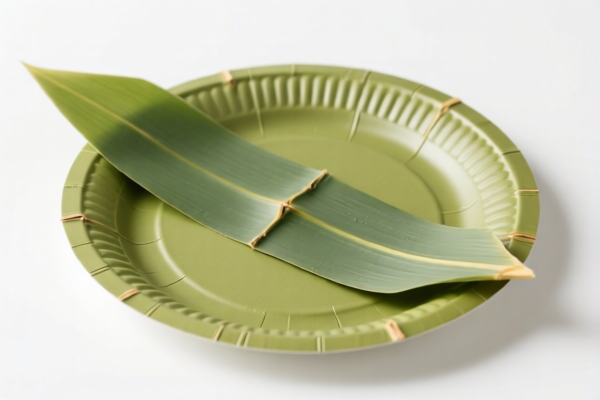
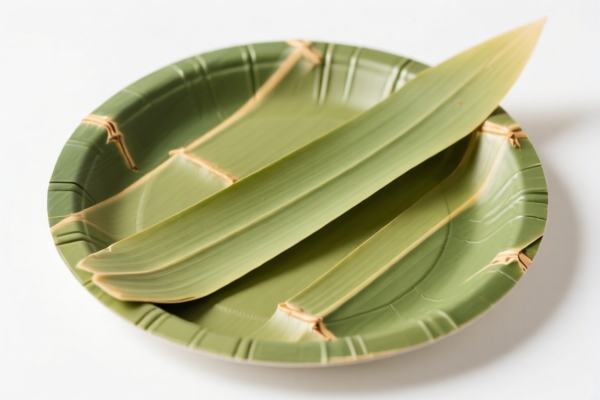
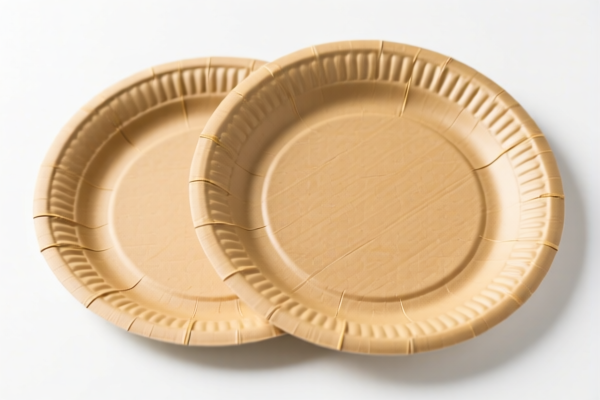
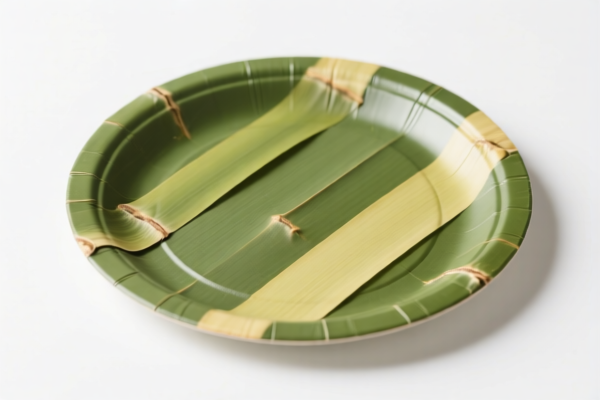
AI Analysis
🎋 Bamboo Plate Protector Sleeve (Bamboo Tableware Accessories)
🌐 HS Code Reference & Customs Clearance Guide | 2026 Latest Tariff Analysis | Professional Clearance Strategy
📌 Part 1: Product Definition and Classification: Do You Really Understand "Bamboo Plate Protector Sleeve"?
The Bamboo Plate Protector Sleeve is a specialized accessory designed to wrap around bamboo plates or bowls to prevent them from slipping on tables, protect the table surface from scratches, or maintain hygiene. In international trade, its classification depends heavily on its material composition, method of manufacture, and specific function. It is generally categorized under two main headings depending on whether it is viewed as a woven basketry item or a made-up textile/general article.
⚠️ Key Distinction Point:
- If the item is made directly to shape from plaiting materials (woven bamboo strips) and functions as a basket-like holder or sleeve → It falls under Chapter 46 (Basketwork, Wickerwork).
- If the item is a made-up article (e.g., stitched fabric, cut shapes, or assembled components not classified as plaiting) → It may fall under Chapter 63 (Other Made-Up Articles).
📦 Part 2: HS Code Classification Details (2026 Latest Tariff Authority Comparison)
| HS Code | Product Description | Application Scenario | Manufacturing Method |
|---|---|---|---|
4602.11.07.00 |
Basketwork, wickerwork... Of vegetable materials: Of bamboo: Other baskets and bags, whether or not lined: Wickerwork | Bamboo sleeves woven directly into shape, rigid or semi-rigid, typical bamboo craft look | ✅ Woven/Plaited directly to shape |
4602.11.09.00 |
Basketwork, wickerwork... Of vegetable materials: Of bamboo: Other baskets and bags, whether or not lined: Other | Bamboo-based sleeves that do not fit the strict "wickerwork" definition or are mixed materials | ✅ Woven/Plaited but "Other" |
6307.90.98.91 |
Other made up articles, including dress patterns: Other: Other: Other Other: Other | Non-woven bamboo accessories, stitched fabric sleeves with bamboo lining, or assembled non-plaited items | ❌ Not plaited/basketry |
6307.90.89.85 |
Other made up articles... Shells for quilts... Containing 85 percent or more by weight of cotton | Note: Typically NOT applicable to bamboo sleeves unless primarily cotton-based. Listed in source for context only. | ❌ Cotton-heavy textile |
🔍 Key Reminder:
- Bamboo Plate Protectors are most commonly classified under Chapter 46 if they are crafted from woven bamboo strips (traditional style).
- If the "protector" is essentially a fabric sleeve (e.g., linen, cotton) with a bamboo core or print, it may fall under Chapter 63.
- Do not misclassify woven bamboo items as "textiles" or "plastics" to avoid penalties.
💰 Part 3: 2026 Latest Tariff Rate Breakdown (Including Surtaxes)
✅ Applicable Country: United States (US)
✅ Origin: China (CN)
✅ Effective Date: From November 10, 2025 onwards (for subsequent imports)
🎯 1. 4602.11.07.00 — Bamboo Wickerwork Sleeves (Wickerwork)
| Item | Content |
|---|---|
| Basic Tariff Rate | 0.0% |
| Additional Surtax | +25.0% (Section 301 Duties) |
| Total Tax Rate | 25.0% |
| Tax Calculation | CIF Value × 25% |
| De Minimis Exemption | ❌ Not Eligible (Section 301 duties apply regardless of value) |
| Legal Basis Path | USITC:4602.11.07.00 → SECTION301:Footnote9903.88.01 |
📌 Explanation:
- This code applies to bamboo sleeves that are woven/wickerwork.
- While the base duty is 0%, the 25% additional tariff significantly increases the cost.
- No de minimis exemption applies for Section 301 goods, meaning even small shipments are taxed.
🎯 2. 4602.11.09.00 — Bamboo Baskets/Sleeves (Other)
| Item | Content |
|---|---|
| Basic Tariff Rate | 10.0% |
| Additional Surtax | +25.0% (Section 301 Duties) |
| Total Tax Rate | 35.0% |
| Tax Calculation | CIF Value × 35% |
| De Minimis Exemption | ❌ Not Eligible |
| Legal Basis Path | USITC:4602.11.09.00 → SECTION301:Footnote9903.88.01 |
📌 Note:
- This code is for bamboo items that are not classified as "wickerwork" (e.g., certain plaited but not woven-to-shape items).
- Higher total duty (35%) compared to wickerwork.
- Ensure your product description clearly justifies why it is "Other" rather than "Wickerwork."
🎯 3. 6307.90.98.91 — Other Made-Up Articles (Non-Basketry)
| Item | Content |
|---|---|
| Basic Tariff Rate | 7.0% |
| Additional Surtax | +7.5% (Section 301 Duties) |
| Total Tax Rate | 14.5% |
| Tax Calculation | CIF Value × 14.5% |
| De Minimis Exemption | ❌ Not Eligible |
| Legal Basis Path | USITC:6307.90.98.91 → SECTION301:Footnote9903.88.01 |
📌 Explanation:
- This code applies if the product is not considered basketwork (e.g., stitched fabric sleeves with bamboo accents).
- Lower total duty (14.5%) compared to bamboo basketry codes.
- Risk: If Customs determines the item is actually bamboo wickerwork, they will reclassify it to 4602, leading to higher duties and penalties.
🎯 4. 6307.90.89.85 — Cotton Shells (Reference Only)
| Item | Content |
|---|---|
| Basic Tariff Rate | 0.0% |
| Additional Surtax | 0.0% |
| Total Tax Rate | 0.0% |
| Tax Calculation | CIF Value × 0% |
| De Minimis Exemption | ✅ Eligible (if value < $800) |
| Legal Basis Path | USITC:6307.90.89.85 |
📌 Warning:
- Only applies if the product is ≥85% cotton.
- Bamboo plate protectors are NOT primarily cotton. Misclassifying bamboo items here is a high-risk fraud.
- This code is included in the source data but is NOT recommended for bamboo products unless they are predominantly cotton textile sleeves.
🛠️ Part 4: Customs Clearance Practical Advice (Real-World Pitfall Guide)
✅ 1. Document Checklist (Must-Haves)
| Document | Required? | Description |
|---|---|---|
| ✅ Product Specification Sheet | ✔️ | Details: Material (100% Bamboo? Bamboo + Cotton?), Dimensions, Weight |
| ✅ Photos of Product | ✔️ | Clear images showing weave pattern, stitching, or assembly method |
| ✅ Bill of Lading / Invoice | ✔️ | Must clearly state "Bamboo Plate Protector Sleeve" or "Woven Bamboo Sleeve" |
| ✅ Proof of Manufacture | ✔️ | Photos of factory process showing weaving vs. stitching |
| ✅ HS Code Justification | ✔️ | Explanation why it is Chapter 46 vs. Chapter 63 |
✅ 2. Declaration Tips (Critical Mnemonics)
🔥 "Weave is Basket, Stitch is Textile. Name it Right, Avoid Fight!"
| Scenario | Correct Declaration | Wrong Practice |
|---|---|---|
| Woven Bamboo Sleeve | 4602.11.07.00 (Wickerwork) |
Declare as "Textile Sleeve" → 0% but flagged for fraud |
| Stitched Fabric Sleeve with Bamboo | 6307.90.98.91 (Other Made-Up) |
Declare as "Bamboo Basket" → 25% higher duty |
| Mixed Material (Bamboo + Fabric) | Analyze Principal Material | Vague description "Table Accessory" → Delay & Audit |
✅ 3. Special Situations
| Situation | Handling Advice |
|---|---|
| Bamboo + Cotton Blend | If >50% cotton by weight and value, may qualify for Chapter 63. Provide fabric composition certificate. |
| Lined Bamboo Sleeves | If lined with fabric, still likely 4602.11.07.00 if the structure is defined by bamboo weaving. |
| Packaging Included | Ensure packaging is not declared as part of the product value for duty calculation if possible. |
🌍 Part 5: Global Market Customs Comparison (2026 Latest)
| Country/Region | Recommended HS Code | Tariff Rate | Certification Requirements | Notes |
|---|---|---|---|---|
| 🇺🇸 USA | 4602.11.07.00 |
25% (Total) | None | High duty due to Section 301 |
| 🇨🇳 China | 4602.11.07.00 |
0% | N/A | Export from China, duty-free in most cases |
| 🇪🇺 EU | 4602.11 |
0-6% | FSC/PEFC (Sustainability) | Carbon Border Adjustment Mechanism (CBAM) not yet applicable |
| 🇬🇧 UK | 4602.11 |
0-6% | FSC/PEFC | Post-Brexit rules apply |
| 🇯🇵 Japan | 4602.11 |
5-10% | None | Moderate duty |
📌 Conclusion:
- USA is the most challenging market due to the 25%–35% additional duties.
- Consider shifting production to Vietnam or Thailand if possible to avoid Section 301 tariffs (check origin rules carefully).
- Chapter 63 may offer lower duties (14.5%) but requires strict material justification.
📌 Part 6: Common Errors & Pitfalls (Lessons Learned)
❌ Error 1: Declaring woven bamboo sleeves as "Textile Sleeves" to get 0% duty.
👉 Consequence: Customs audit, retroactive duty + penalty.
❌ Error 2: Misclassifying as 6307.90.89.85 (Cotton).
👉 Consequence: Rejected for not meeting 85% cotton requirement.
❌ Error 3: Not distinguishing between "Wickerwork" and "Other Bamboo."
👉 Consequence: Wrong duty rate (25% vs. 35%).
❌ Error 4: Vague descriptions like "Bamboo Accessory."
👉 Consequence: Customs delays, manual examination.
✅ Correct Practice:
"Woven Bamboo Plate Protector Sleeve, Handmade, 100% Natural Bamboo, Designed for Dining Use"
🎯 Part 7: Conclusion: Professional Declaration, Cost Optimization!
🎯 Remember the Mantra:
🔹 "Weave = Basket (4602), Stitch = Made-Up (6307)."
🔹 "USA Tax: 25% for Wicker, 35% for Other, 14.5% for Textile."
🔹 "De Minimis is DEAD for Section 301."
📌 Pro Tip:
If your Bamboo Plate Protectors are primarily cotton fabric with bamboo printing, consider Chapter 63 to benefit from 14.5% duty. However, if they are solid woven bamboo, Chapter 46 is mandatory.
Apply for Advance Ruling if uncertain about classification.
📣 Take Action Now:
📞 Consult a Customs Broker + Provide Product Photos + Verify Material Composition
🚀 Ensure Compliant Classification, Cost Control, and Smooth Clearance!
✨ Professional Clearance Starts with Accurate Classification!
💼 Every Percent of Duty Counts!
Customer Reviews
About HS Code Classification
The Harmonized System (HS) is an internationally standardized nomenclature developed by the World Customs Organization (WCO) to classify traded products. Over 200 countries use the HS system as the basis for customs tariffs, trade statistics, and import/export regulations.
Each HS code follows a hierarchical structure:
- Chapter (2 digits) — Broad category of goods (e.g., Chapter 84: Machinery and Mechanical Appliances)
- Heading (4 digits) — More specific grouping within the chapter
- Subheading (6 digits) — Internationally standardized breakdown, used by all WCO member countries
- National subdivisions (8-10 digits) — Country-specific extensions for further classification, such as US HTSUS 10-digit codes
Correct HS code classification is essential for smooth customs clearance, accurate duty payment, and compliance with trade regulations. Misclassification can lead to customs delays, overpayment of duties, or penalties.
When importing from CN to US, the applicable tariff rates may include:
- Most-Favored-Nation (MFN) rate — The standard duty rate applied to WTO members
- General rate — Applied to countries without trade agreements
- Trade remedy duties — Additional tariffs such as Section 301 (anti-dumping), Section 232 (national security), or countervailing duties
The information provided on this page is for reference purposes only. For official classification, please consult with your local customs authority or a licensed customs broker.