Bamboo Pulp Fiber
CN → US| HS Code | Tariff Rate | Origin | Destination | Doc |
|---|---|---|---|---|
| 4706920100 | 35.0% | CN | US | Official Doc |
| 1404909090 | 35.0% | CN | US | Official Doc |
| 1404901000 | 0.0% | CN | US | Official Doc |
| 4706300000 | 35.0% | CN | US | Official Doc |
| 4706300000 | 35.0% | CN | US | Official Doc |
Product Images
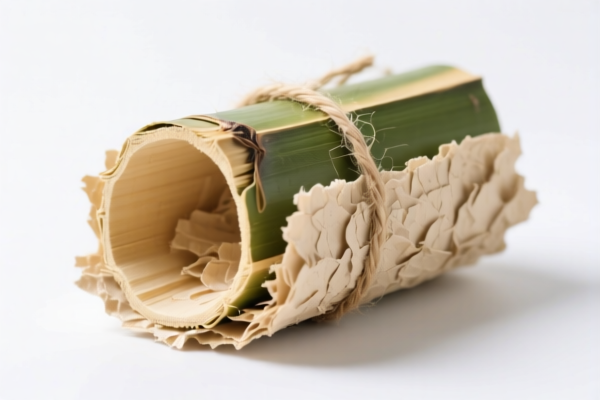
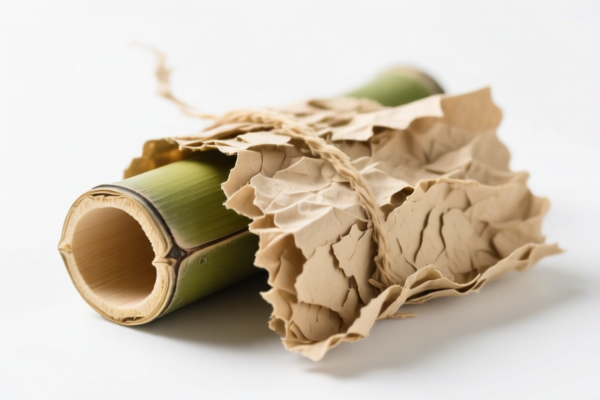
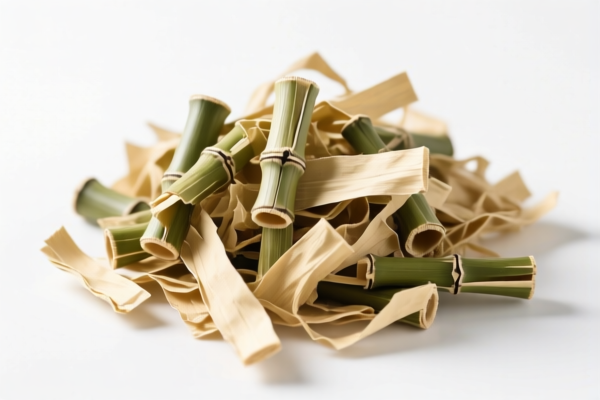
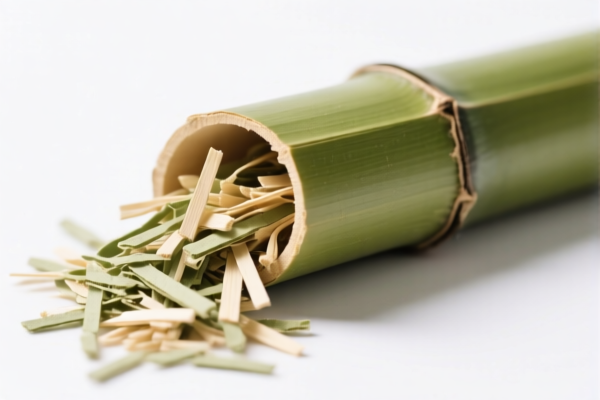
AI Analysis
🎋 Bamboo Pulp Fiber (竹纤维浆料)
🌐 HS Code Reference & Customs Clearance Guide | 2026 Latest Tariff Analysis | Professional Clearance Strategy
📌 I. Product Definition & Classification: Do You Really Understand "Bamboo Pulp"?
Bamboo pulp fiber is a crucial raw material in the paper, textile, and packaging industries. In international trade, it is primarily classified based on its chemical/physical state (whether it is "chemical pulp" or "mechanical pulp") and its raw material source (bamboo as a plant product vs. processed cellulose).
Key Distinction: * Chemical Pulp (4706): If the bamboo has been chemically processed to isolate cellulose fibers for paper/textile production, it falls under Chapter 47 (Wood pulp and other fibrous cellulose). * Plant Product (1404): If it is considered a crude plant fiber or less processed vegetable material, it may fall under Chapter 14.
⚠️ Critical Classification Point:
- If the product is processed into pulp form for paper-making or further textile processing, customs often classify it under 4706 (Other wood pulp and other fibrous cellulose pulps) because bamboo is treated similarly to wood in pulp classification.
- However, some interpretations view it as a plant product (1404) if it is seen as a primary vegetable fiber not yet fully processed into standard "wood-like" pulp.
📦 II. HS Code Classification Details (2026 Latest Tariff Authority Comparison)
Based on the provided data, here are the valid HS Codes and their justifications:
| HS Code | Product Description | Justification / Summary | Tax Rate (US Import from CN) |
|---|---|---|---|
4706.92.01.00 |
Bamboo fiber pulp for printing; conforms to fibrous cellulose material characteristics, classified as pulp form under other categories. | Recognized as fibrous cellulose pulp. Suitable for printing/paper industries. | 35.0% |
1404.90.90.90 |
Bamboo fiber belongs to plant products; pulp is in primary form, fitting "Other plant products." Use does not affect classification. | Classified as a primary plant product. Focuses on origin (plant) rather than chemical processing. | 35.0% |
1404.90.10.00 |
Pulp is a primary form of plant fiber, fitting plant hair/plant product category. Use does not affect essential attributes. | Also classified as plant fiber/primary form. | 0.5¢/kg + 35.0% |
4706.30.00.00 |
Bamboo fiber conforms to bamboo classification; pulp is primary paper pulp form, consistent with cellulose attributes. | Explicitly recognizes bamboo as a raw material for pulp. | 35.0% |
4706.30.00.00 |
Bamboo pulp explicitly contains bamboo material; pulp is in cellulose material form, no conflict in material or form. | Bamboo pulp directly mapped to Chapter 47 (Cellulose pulps). | 35.0% |
🔍 Key Insight:
- Dual Classification Risk: Bamboo pulp can be argued under Chapter 14 (Plant Products) or Chapter 47 (Wood Pulp/Cellulose).
- Most Common: 4706.30.00.00 is frequently used because bamboo is chemically processed like wood.
- Alternative: 1404.90.10.00 may apply if deemed a "crude" plant fiber, but note the specific weight-based duty (0.5¢/kg) added to the ad valorem rate.
💰 III. 2026 Latest Tariff Rate Details (Including Additional Duties & Policies)
✅ Applicable Country: United States (US)
✅ Origin: China (CN)
✅ Effective Date: November 10, 2025 onwards (for subsequent imports)
🎯 1. HS Code 4706.92.01.00 & 1404.90.90.90 & 4706.30.00.00
| Item | Detail |
|---|---|
| Base Duty Rate | 0.0% (Ad Valorem) |
| USITC Additional Duty (Section 301) | +25.0% |
| IEEPA Additional Duty (Section 122) | +10.0% |
| Total Duty Rate | 35.0% |
| Tax Calculation | CIF Value × 35% |
| De Minimis Exemption | ❌ Not Available (deny_de_minimis) |
| Legal Basis Path | USITC:4706.30.00.00 → FOOTNOTE:9903.88.01 → IEEPA:9903.01.24 |
📌 Explanation:
- "USITC Additional Duty 25%": Imposed under Section 301 of the Trade Act on Chinese goods.
- "IEEPA Duty 10%": Imposed under the International Emergency Economic Powers Act on specific Chinese categories.
- Total 35%: A high tariff burden that must be factored into pricing.
🎯 2. HS Code 1404.90.10.00
| Item | Detail |
|---|---|
| Base Duty Rate | 0.5 cents per kg (Specific Duty) |
| USITC Additional Duty (Section 301) | +25.0% (Ad Valorem on top of specific?) Note: Typically, 301 is ad valorem. |
| IEEPA Additional Duty (Section 122) | +10.0% |
| Total Duty Structure | 0.5¢/kg + 35.0% |
| Tax Calculation | (0.5¢ × Weight in kg) + (CIF Value × 35%) |
| De Minimis Exemption | ❌ Not Available |
📌 Caution:
- This code adds a specific duty per kg plus the 35% ad valorem. For heavy shipments, the specific duty can accumulate significantly.
- This classification assumes the product is a "plant fiber" rather than "chemical pulp."
🛠️ IV. Customs Clearance Practical Advice (Battle-Tested Pitfall Avoidance)
✅ 1. Document Checklist (Mandatory)
| Document | Required | Explanation |
|---|---|---|
| ✅ Product Specification Sheet | ✔️ | Must specify: Pulp type (chemical/mechanical), moisture content, fiber length, intended use (paper/textile). |
| ✅ Certificate of Origin (CO) | ✔️ | Proof of Chinese origin triggers 301/122 duties. If transshipped, complex rules apply. |
| ✅ Commercial Invoice | ✔️ | Clearly state: "Bamboo Pulp Fiber," HS Code, Unit Price, Weight, CIF Value. |
| ✅ Packing List | ✔️ | Detailed weight breakdown (Net/Gross) to calculate specific duty (if using 1404.90.10.00). |
| ✅ Test Reports | ✔️ | Lab reports confirming composition (cellulose content) to support Chapter 47 vs. 14 classification. |
✅ 2. Declaration Tips (Key Mnemonics)
🔥 "Define Form, Specify Use, Avoid Ambiguity!"
| Scenario | Correct Declaration | Wrong Approach |
|---|---|---|
| Chemical Bamboo Pulp | Use 4706.30.00.00 or 4706.92.01.00. State: "Chemical Bamboo Pulp for Paper Making." | Vague terms like "Bamboo Fiber" → Risk of reclassification to 1404 or higher scrutiny. |
| Crude Bamboo Fiber | Use 1404.90.90.90. State: "Primary Bamboo Plant Fiber." | Calling it "Pulp" when it's not chemically processed → Misdeclaration. |
| Heavy Bulk Shipment | If using 1404.90.10.00, ensure accurate kg weight declaration to calculate the 0.5¢/kg fee. | Ignoring specific duty → Underpayment. |
✅ 3. Special Cases
| Situation | Handling Advice |
|---|---|
| OEM Bamboo Pulp | Provide customer orders and material safety data sheets (MSDS) if applicable. |
| Transshipment | If shipped via Vietnam/Malaysia, ensure substantial transformation occurs to avoid US anti-circumvention duties. |
| Dispute on Classification | If customs challenges Chapter 47 vs. 14, provide expert opinion or advance ruling referencing prior rulings. |
🌍 V. Global Market Comparison (2026 Latest)
| Country/Region | Recommended HS Code | Tariff (China Origin) | Certification | Remarks |
|---|---|---|---|---|
| 🇺🇸 USA | 4706.30.00.00 |
35.0% (Total) | No special certs | High 301/122 duties |
| 🇨🇳 China | 4706.30.00.00 |
0% | N/A | Import duty may be 0%, but check VAT |
| 🇪🇺 EU | 4706.30.00.00 |
0% (if Ecolabel) | REACH | No Section 301 equivalent |
| 🇮🇳 India | 4706.30.00.00 |
Varies | BIS | Check current ITC HS rates |
📌 Conclusion:
- USA is the most expensive market due to 301/122 tariffs.
- EU and China are more favorable in terms of base tariffs.
- Strategy: Consider pricing adjustments or supply chain shifts for US-bound bamboo pulp.
📌 VI. Common Errors & Pitfalls (Lessons Learned)
❌ Error 1: Declaring "Bamboo Fiber" without specifying "Pulp."
👉 Consequence: Customs may classify under textiles (Chapter 54) or plants (Chapter 14) incorrectly → Delays or penalties.
❌ Error 2: Ignoring the 0.5¢/kg specific duty in 1404.90.10.00.
👉 Consequence: Underpayment of customs duties → Audit risks.
❌ Error 3: Failing to provide chemical processing details.
👉 Consequence: Customs may deny Chapter 47 classification → Higher scrutiny.
❌ Error 4: Assuming de minimis applies.
👉 Consequence: Bamboo pulp is excluded from $800 de minimis exemption → Full duty collection.
✅ Correct Practice:
"Chemical Bamboo Pulp, Cellulose Content >90%, for Paper Manufacturing, HS Code 4706.30.00.00, Origin: China"
🎯 VII. Conclusion: Professional Classification Saves Money!
🎯 Remember:
🔹 "Chemical Pulp = 4706, Plant Fiber = 1404, US Tariff = 35% + Fees."
🔹 "HS Code Choice Changes Tax, 35% is High, Declare Precisely to Avoid Risk!"
📌 Pro Tip:
- If your bamboo pulp is highly processed, insist on 4706 for clarity.
- If it's less processed, 1404 might be an alternative, but watch the specific duty.
- Apply for a Binding Tariff Ruling with US CBP if you have large volumes.
📣 Take Action Now:
📞 Contact a licensed customs broker + Provide product specs + Request HS Code pre-ruling
🚀 Ensure bamboo pulp flows smoothly, tariffs are predicted, and profit is protected!
✨ Professional Customs Clearance Starts with Accurate Classification!
💼 Every Dollar Saved on Tariffs is Profit Gained!
Customer Reviews
About HS Code Classification
The Harmonized System (HS) is an internationally standardized nomenclature developed by the World Customs Organization (WCO) to classify traded products. Over 200 countries use the HS system as the basis for customs tariffs, trade statistics, and import/export regulations.
Each HS code follows a hierarchical structure:
- Chapter (2 digits) — Broad category of goods (e.g., Chapter 84: Machinery and Mechanical Appliances)
- Heading (4 digits) — More specific grouping within the chapter
- Subheading (6 digits) — Internationally standardized breakdown, used by all WCO member countries
- National subdivisions (8-10 digits) — Country-specific extensions for further classification, such as US HTSUS 10-digit codes
Correct HS code classification is essential for smooth customs clearance, accurate duty payment, and compliance with trade regulations. Misclassification can lead to customs delays, overpayment of duties, or penalties.
When importing from CN to US, the applicable tariff rates may include:
- Most-Favored-Nation (MFN) rate — The standard duty rate applied to WTO members
- General rate — Applied to countries without trade agreements
- Trade remedy duties — Additional tariffs such as Section 301 (anti-dumping), Section 232 (national security), or countervailing duties
The information provided on this page is for reference purposes only. For official classification, please consult with your local customs authority or a licensed customs broker.