Bamboo Pulp for Photo Albums
CN → US| HS Code | Tariff Rate | Origin | Destination | Doc |
|---|---|---|---|---|
| 4706920100 | 35.0% | CN | US | Official Doc |
| 4805122000 | 35.0% | CN | US | Official Doc |
| 4802546100 | 35.0% | CN | US | Official Doc |
| 4706300000 | 35.0% | CN | US | Official Doc |
| 4805121000 | 35.0% | CN | US | Official Doc |
Product Images
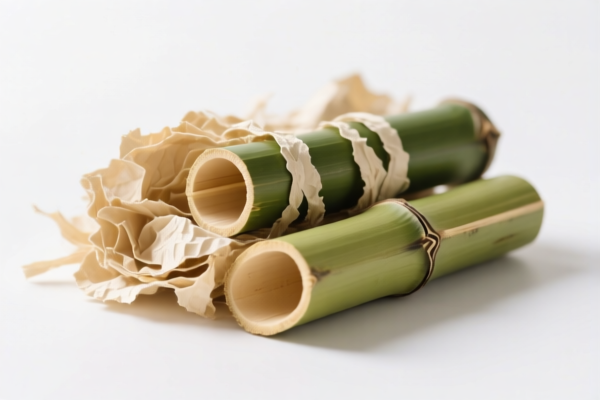
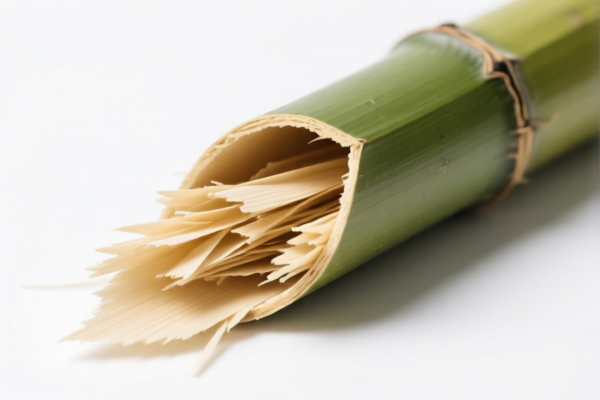
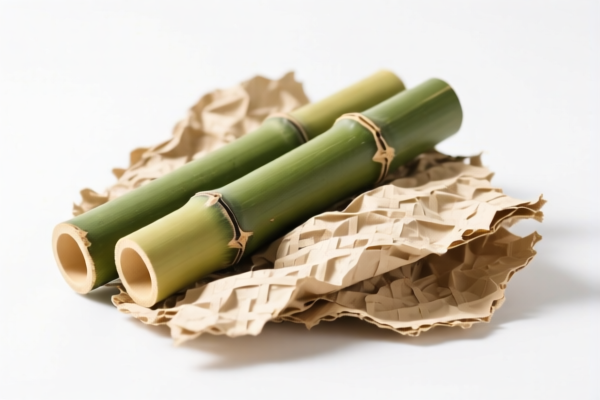
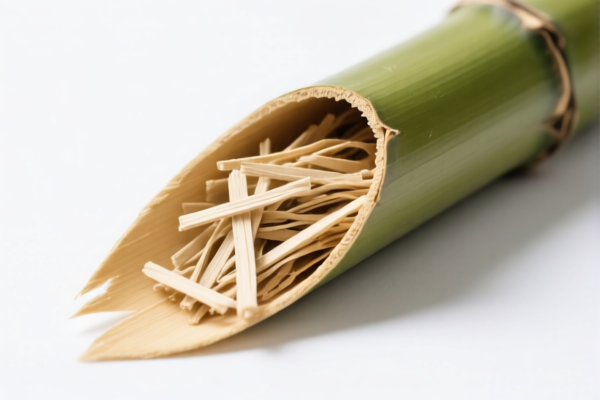
AI Analysis
🎋 Bamboo Pulp for Photo Albums
🌐 HS Code Reference & Customs Clearance Guide | 2026 Latest Tariff Analysis | Professional Entry Strategy 📌 One, Product Definition and Classification: Understanding "Bamboo Pulp for Photo Albums"
Bamboo pulp, specifically sourced for photo albums, is a cellulose fiber material derived from bamboo. In international trade, it is categorized based on its physical form and intended use as a raw material for paper manufacturing. It falls under the broader category of Pulp products (Chapter 47) or Paper products (Chapter 48), depending on whether it is exported as raw fiber or as a processed paper sheet.
Key Distinctions: * Chemical/Refined Bamboo Pulp: Used for high-quality paper making, fitting into Heading 4706 (Pulp of other vegetable materials). * Paper Sheets/Board: If the pulp has been formed into sheets for immediate album production, it may fall under Heading 4805 (Uncoated paper and paperboard) or 4802 (Writing/printing paper).
⚠️ Critical Classification Point: - If the product is raw pulp fibers → Classify under 4706.92.01.00 or 4706.30.00.00. - If the product is formed paper/board → Classify under 4805.12.20.00, 4805.12.10.00, 4802.54.61.00, or 4802.55.40.00.
📦 Two. HS Code Classification Details (2026 Latest Tariff Authority Comparison)
| HS Code | Product Description | Application Scenario | Material Characteristic |
|---|---|---|---|
4706.92.01.00 |
Pulp of other vegetable materials (Bamboo Pulp) | Raw fiber material for paper manufacturing | ✅ Matches "fibrous cellulose material" |
4706.30.00.00 |
Pulp of bamboo | Specific bamboo-origin pulp | ✅ Explicitly states "Bamboo material" |
4805.12.20.00 |
Uncoated board, of a kind used for paper and paperboard | Paper form, uncoated board for albums | ✅ Matches "Uncoated board" form |
4805.12.10.00 |
Other uncoated paper and paperboard | Paper form, reasonable inference based on paper attributes | ✅ No material conflict with paper attributes |
4802.54.61.00 |
Uncoated paper, for writing or printing | Writing/printing grade paper for albums | ✅ No material conflict, fits writing/printing use |
4802.55.40.00 |
Uncoated paper, other than 4802.54 | Other uncoated plant-fiber paper | ✅ Plant fiber source, fits paper fiber characteristics |
🔍 Key Reminder: - All these HS codes involve Bamboo (a plant fiber), which is consistent with the input product. - The distinction lies in whether the item is raw pulp (47xx) or processed paper/board (48xx). - All listed HS codes carry a Total Tax Rate of 35.0% for imports from China to the US (2026 context).
💰 Three. 2026 Latest Tariff Rate Details (Including Surtaxes, Policy Additions)
✅ Applicable Country: United States (US) ✅ Origin: China (CN) ✅ Effective Date: 2025/2026 Period
🎯 1. 4706.92.01.00 & 4706.30.00.00 —— Bamboo Pulp (Raw Fiber)
| Item | Content |
|---|---|
| Base Tariff | 0.0% (ad valorem) |
| Section 301 Surcharge | +25.0% |
| Section 122 Tariff | +10.0% |
| Total Tax Rate | 35.0% |
| Tax Calculation | CIF Value × 35% |
| De Minimis Exemption | ❌ Not Applicable (High tax rate prevents small package exemption) |
| Legal Basis Path | Base: 0% → 301: 25% → 122: 10% → Total: 35% |
📌 Explanation: - "Base Tariff 0%": Standard MFN rate for vegetable pulp is often zero or low. - "Section 301 Surcharge 25%": Standard US trade remedy tax on Chinese goods. - "Section 122 Tariff 10%": Additional duty under Section 122 of the Trade Expansion Act of 1962 (national security/economic reasons). - Total 35% is a fixed, high cost for bamboo pulp imports.
🎯 2. 4805.12.20.00, 4805.12.10.00 —— Uncoated Paper/Board
| Item | Content |
|---|---|
| Base Tariff | 0.0% |
| Section 301 Surcharge | +25.0% |
| Section 122 Tariff | +10.0% |
| Total Tax Rate | 35.0% |
| Tax Calculation | CIF Value × 35% |
| De Minimis Exemption | ❌ Not Applicable |
| Legal Basis Path | Base: 0% → 301: 25% → 122: 10% → Total: 35% |
📌 Note: - Even if classified as paper, the surtaxes apply identically. - The logic is: "Paper material attribute, reasonable inference, no material conflict."
🎯 3. 4802.54.61.00 & 4802.55.40.00 —— Writing/Printing Paper
| Item | Content |
|---|---|
| Base Tariff | 0.0% |
| Section 301 Surcharge | +25.0% |
| Section 122 Tariff | +10.0% |
| Total Tax Rate | 35.0% |
| Tax Calculation | CIF Value × 35% |
| De Minimis Exemption | ❌ Not Applicable |
| Legal Basis Path | Base: 0% → 301: 25% → 122: 10% → Total: 35% |
📌 Note: - "Inferred as uncoated paper, use fits writing or printing." - "No material conflict" with bamboo plant fiber origin.
🛠️ Four. Customs Clearance Practical Advice (Real-World Pitfall Guide)
✅ 1. Preparation Checklist (All Required)
| Document | Must Provide | Description |
|---|---|---|
| ✅ Product Specification Sheet | ✔️ | Clearly state: "Bamboo Pulp for Photo Albums," fiber type, basis weight (if paper). |
| ✅ Material Composition Report | ✔️ | Confirm 100% Bamboo or bamboo blend. Crucial for HS 4706 vs. 4702. |
| ✅ Product Photos | ✔️ | Show packaging, label, and physical form (fibers vs. sheets). |
| ✅ Commercial Invoice | ✔️ | Must clearly declare: "Bamboo Pulp" or "Uncoated Paper" – avoid vague terms like "Craft Material." |
| ✅ Packing List | ✔️ | Net/Gross weight, dimensions. |
| ✅ US Customs Bond | ✔️ | Continuous or single entry bond required. |
✅ 2. Declaration Tips (Key Mantras)
🔥 “Form Matters: Pulp is 47, Paper is 48. Name it Right, Tax is 35%!”
| Scenario | Correct Declaration | Wrong Practice |
|---|---|---|
| Raw Bamboo Fibers | 4706.92.01.00 or 4706.30.00.00 |
Misdeclare as "Paper" → Risk of penalty for wrong classification. |
| Bamboo Paper Sheets | 4805.12.20.00 or 4802.54.61.00 |
Misdeclare as "Pulp" → Unnecessary scrutiny if it’s already formed. |
| Mixed Materials | Disclose % content | Omit other fibers → Violation of honesty clauses. |
✅ 3. Special Cases Handling
| Situation | Handling Advice |
|---|---|
| Bamboo Pulp with Chemical Residue | Declare "Chemically Obtained Bamboo Pulp" to justify HS 4706. |
| Recycled Bamboo Paper | If recycled content >50%, consider HS 4807 (Paper reconstituted) – but check surtaxes; currently, all listed codes are 35%. |
| Sample Shipments | No De Minimis Exemption due to 35% total tax. Do not ship small parcels via 8611/8612 (USPPI exemption) as they will be seized or taxed heavily. |
🌍 Five. Global Market Comparison (2026 Latest)
| Country/Region | Recommended HS Code | Tariff Rate | Certification Requirement | Notes |
|---|---|---|---|---|
| 🇺🇸 USA | 4706.92.01.00 / 4805.12.20.00 |
35.0% | FDA (if food-contact), Prop 65 | High surtaxs (301 + 122) |
| 🇨🇳 China | 4706.92.01.00 |
0% - 5% | N/A | Low tariff for raw pulp |
| 🇪🇺 EU | 4706.92.00 |
0% - 2% | FSC Certification Preferred | Environmental standards strict |
| 🇯🇵 Japan | 4706.92.00 |
0% - 2% | Phytosanitary Certificate | Strict on pest risks |
📌 Conclusion: - USA is the only market with 35% Total Tax due to Section 301 and Section 122. - Cost Impact: 35% significantly eats into margins. Price quotations must include this buffer. - Compliance: Ensure bamboo origin is verifiable (FSC/PEFC) to avoid anti-dumping scrutiny.
📌 Six. Common Errors & Pitfalls (Blood Lessons)
❌ Error 1: Declaring "Photo Album Material" instead of "Bamboo Pulp" or "Paper" 👉 Consequence: Customs may assign a wrong HS code with higher duties or reject the entry for lack of specificity.
❌ Error 2: Ignoring the difference between Pulp (47xx) and Paper (48xx) 👉 Consequence: If you ship pulp but declare paper, or vice versa, it leads to misdeclaration penalties and delays.
❌ Error 3: Assuming De Minimis ($800) applies 👉 Consequence: 35% tax applies regardless of value. Small shipments are NOT exempt. This is a common and costly mistake.
❌ Error 4: Failing to disclose Section 122 applicability 👉 Consequence: If the goods are deemed to threaten national security or economic stability (broadly interpreted), the 10% surtax is mandatory.
✅ Correct Practice:
"Bamboo Pulp, Chemically Obtained, for Papermaking (Photo Albums), HS 4706.92.01.00, Origin China, CIF Price USD XXX, Subject to 35% Tariff (25% Sec 301 + 10% Sec 122)"
🎯 Seven. Conclusion: Professional Declaration, Save Time, Cut Costs!
🎯 Remember the Mantra:
🔹 "Pulp is 47, Paper is 48. Total Tax 35% is fixed." 🔹 "No De Minimis! Declare accurately, or pay the price." 🔹 "Section 122 + 301 = 35%. Plan your logistics accordingly."
📌 Tips: - If your bamboo pulp is originating from Vietnam or Thailand, you MIGHT avoid Section 301/122 taxes (subject to strict rules of origin). Check for transshipment risks. - For large volumes, consider Applying for a Product-Specific Exclusion if available (though currently rare for 4706/4805). - Pre-Arrival Review Service (PARS): Highly recommended for high-value shipments to get a binding tariff ruling from CBP.
📣 Immediate Action:
📞 Contact a licensed Customs Broker + Provide Product Specs + Confirm Origin Certificate 🚀 Ensure your Bamboo Pulp for Photo Albums clears customs smoothly, avoiding the 35% trap of misclassification!
✨ Professional Clearance Starts with Precise Classification! 💼 Every cent of tax is calculated accurately!
Customer Reviews
About HS Code Classification
The Harmonized System (HS) is an internationally standardized nomenclature developed by the World Customs Organization (WCO) to classify traded products. Over 200 countries use the HS system as the basis for customs tariffs, trade statistics, and import/export regulations.
Each HS code follows a hierarchical structure:
- Chapter (2 digits) — Broad category of goods (e.g., Chapter 84: Machinery and Mechanical Appliances)
- Heading (4 digits) — More specific grouping within the chapter
- Subheading (6 digits) — Internationally standardized breakdown, used by all WCO member countries
- National subdivisions (8-10 digits) — Country-specific extensions for further classification, such as US HTSUS 10-digit codes
Correct HS code classification is essential for smooth customs clearance, accurate duty payment, and compliance with trade regulations. Misclassification can lead to customs delays, overpayment of duties, or penalties.
When importing from CN to US, the applicable tariff rates may include:
- Most-Favored-Nation (MFN) rate — The standard duty rate applied to WTO members
- General rate — Applied to countries without trade agreements
- Trade remedy duties — Additional tariffs such as Section 301 (anti-dumping), Section 232 (national security), or countervailing duties
The information provided on this page is for reference purposes only. For official classification, please consult with your local customs authority or a licensed customs broker.