Bamboo Seat Cushions
CN → US| HS Code | Tariff Rate | Origin | Destination | Doc |
|---|---|---|---|---|
| 4602113500 | 35.0% | CN | US | Official Doc |
| 9403820015 | 35.0% | CN | US | Official Doc |
| 9403820030 | 35.0% | CN | US | Official Doc |
| 9401520000 | 35.0% | CN | US | Official Doc |
| 4602114500 | 41.6% | CN | US | Official Doc |
| 9401590000 | 35.0% | CN | US | Official Doc |
Product Images
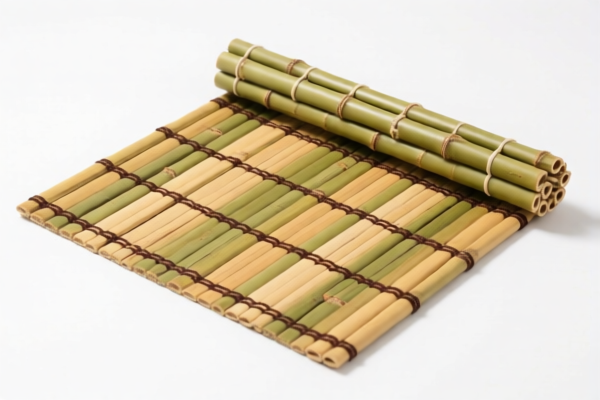
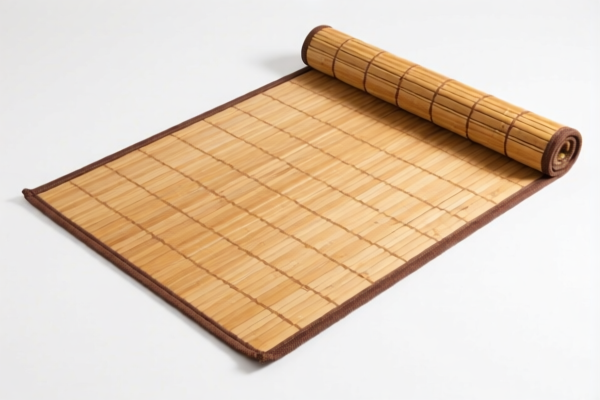
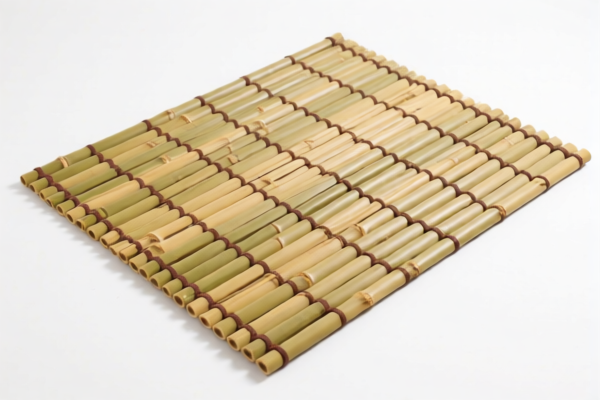
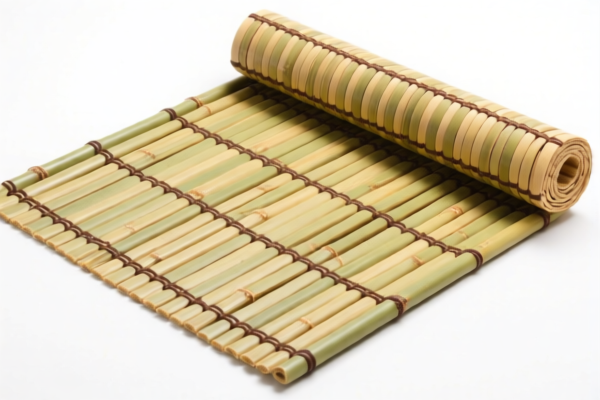
AI Analysis
🎋 Bamboo Seat Cushions (Bamboo Seat Components & Finished Furniture)
🌐 HS Code Reference & Customs Clearance Guide | 2026 Latest Tariff Analysis | Professional Strategy for US Imports
📌 I. Product Definition & Classification: What Exactly Is a "Bamboo Seat Cushion"?
In international trade, "Bamboo Seat Cushions" is a broad term that can refer to two distinct types of goods, leading to significantly different HS Code classifications and tax implications. Understanding the distinction is critical for accurate customs declaration.
1. Bamboo Weaving/Craft Items (Interchangeable Cushions/Mats)
These are typically loose, removable items designed to provide comfort or decoration on existing chairs. They are made of woven bamboo strips, often bound with thread or rattan. They are considered "Articles of basketry, wickerwork or other materials of plaiting" (Chapter 46) or sometimes furniture parts.
2. Finished Bamboo Furniture (Integrated Seats)
If the "cushion" is part of a fixed chair structure (e.g., a woven bamboo seat attached to a frame), it is classified as Furniture (Chapter 94). The material (bamboo) determines the sub-heading.
⚠️ Key Distinction Point:
- If the item is loose, removable, and primarily a woven craft item (like a mat or pad) → Consider 4602.11.
- If the item is a complete chair or a fixed seat unit intended for home/office use → Consider 9403.82 or 9401.52/59.
- Warning: Do not mix "parts" with "finished goods." A loose cushion might be classified under 4602, while a fixed seat is 9401/9403.
📦 II. HS Code Classification Details (2026 Latest Tariff Authority Comparison)
Based on the provided , here are the specific HS Codes applicable to bamboo seating products, categorized by their nature.
| HS Code | Product Description | Scenario / Application | Classification Logic |
|---|---|---|---|
| 4602.11.35.00 | Bamboo seat, material: bamboo, form: woven product | Loose woven bamboo seat pads, mats, or decorative woven seats | Chapter 46: Articles of basketry/wickerwork. Treated as a woven craft item rather than furniture. |
| 9403.82.00.15 | Bamboo household furniture, material: bamboo, use: seat | Complete bamboo chairs, stools, or benches for home use | Chapter 94: Furniture. Sub-heading .82 refers to furniture of bamboo. .15 specifies "other furniture" (often interpreted as complete units). |
| 9403.82.00.30 | Bamboo other furniture, material: bamboo, use: seat | Bamboo seating not elsewhere specified in .15 (e.g., garden seats, benches) | Chapter 94: Furniture. Sub-heading .82 (bamboo). .30 covers other bamboo furniture. |
| 9401.52.00.00 | Bamboo seat, material: bamboo, form: seat | Specific "Seat" classification under Chapter 94 (Part of Chapter 94, Heading 9401) | Chapter 94, Heading 9401: Seats. .52 specifically covers seats with wooden frames (bamboo is often treated similarly to wood in furniture classifications depending on binding rules, or explicitly as bamboo furniture under 9403. Note: Data lists this as bamboo, implying a specific national sub-heading mapping). |
| 4602.11.45.00 | Bamboo woven product, material: bamboo, form: basket or woven article | Generic woven bamboo items, potentially including large mats or non-seat specific woven goods | Chapter 46: Basketry/Wickerwork. .45 is a broader category for woven products. |
| 9401.59.00.00 | Bamboo seat, material: bamboo or similar, use: seat | Seats made of bamboo or similar materials, not specified elsewhere in .52 | Chapter 94, Heading 9401: Seats. .59 covers "Other" seats, often used for bamboo when .52 is restricted to wood. |
🔍 Critical Note:
- Chapter 46 (4602) vs. Chapter 94 (9401/9403): The core dispute is whether the item is a "woven article" (craft) or "furniture." Customs authorities often look at use, permanence, and structure.
- High Tariff Risk: All listed HS Codes above carry high tariffs due to Section 301 and Section 122 measures against Chinese products.
💰 III. 2026 Latest Tariff Rate Breakdown (Including Additional Taxes & Policy Surcharges)
✅ Applicable Country: United States (US)
✅ Country of Origin: China (CN)
✅ Effective Time: Current tariffs apply (Section 301 & Section 122)
🎯 1. Section 301 & Section 122 Tariff Structure
For all HS Codes listed in the (4602.11.35.00, 9403.82.00.15, 9403.82.00.30, 9401.52.00.00, 9401.59.00.00):
| Item | Content |
|---|---|
| Base Tariff (MFN) | 0.0% (Most items in these categories have low or zero base rates) |
| Section 301 Additional Tariff | +25.0% |
| Section 122 Tariff | +10.0% |
| Total Tariff Rate | 35.0% |
| Tax Calculation | CIF Value × 35% |
| De Minimis Exemption? | ❌ NO (Section 301 and 122 tariffs cannot be avoided via Section 321 de minimis entry for China-origin goods) |
📌 Explanation:
- Section 301 (25%): Applies to most goods from China under HTSUS headings including 9403 (Furniture) and 4602 (Basketry).
- Section 122 (10%): Additional duty on certain goods, often overlapping with Section 301.
- Combined: The total burden is 35% on top of the base rate (which is 0% for these specific sub-headings).
🎯 2. Exception: 4602.11.45.00 (Broader Woven Product)
| Item | Content |
|---|---|
| Base Tariff | 6.6% |
| Section 301 Additional Tariff | +25.0% |
| Section 122 Tariff | +10.0% |
| Total Tariff Rate | 41.6% |
| Tax Calculation | CIF Value × 41.6% |
| De Minimis Exemption? | ❌ NO |
📌 Note:
- This code has a higher base rate (6.6%), resulting in a 41.6% total tax burden.
- If you can classify your product under 4602.11.35.00 (specific bamboo seat weaving) instead of 4602.11.45.00 (generic weaving), you save 6.6% on the base rate, bringing the total to 35%.
🛠️ IV. Customs Clearance Practical Advice (Pitfall Avoidance Guide)
✅ 1. Preparation Checklist (Must-Have Documents)
| Document | Required | Notes |
|---|---|---|
| ✅ Product Photos | ✔️ | Clear shots of the item, showing it is a seat or woven product. |
| ✅ Material Composition Statement | ✔️ | Must state "100% Bamboo" or specify blend. Crucial for Chapter 46 vs 94. |
| ✅ Usage Description | ✔️ | Is it a loose cushion (use Chapter 46) or a fixed chair (use Chapter 94)? |
| ✅ Invoice & Packing List | ✔️ | Value must be accurate. No "undervaluation." |
| ✅ Origin Certificate | ✔️ | To confirm China origin and trigger correct Section 301/122. |
✅ 2. Declaration Tips (Key Mnemonics)
🔥 "Material First, Use Second, Code Determines Tax!"
| Scenario | Correct HS Code Category | Incorrect Declaration | Consequence |
|---|---|---|---|
| Loose Woven Mat/Cushion | 4602.11.35.00 (35%) |
9403.82.00.15 (35%) |
Tax same, but risk of audit if product doesn't look like furniture. |
| Complete Bamboo Chair | 9403.82.00.15 (35%) |
4602.11.45.00 (41.6%) |
Overpaying 6.6% if misclassified as generic woven goods. |
| Bamboo Seat Frame | 9401.52.00.00 or 9401.59.00.00 (35%) |
4602.11.35.00 |
Risk of classification error. Seats are generally Chapter 94. |
| Mixed Shipment | Separate lines for 4602 and 9403 | Single "Bamboo Products" line | Rejection/Delay by CBP. Must be specific. |
📌 Pro Tip:
- If the product is a replaceable cushion for a standard chair, argue for Chapter 46 (Woven Article) if it's purely woven bamboo strips.
- If it's a structural part of a chair (e.g., the seat slats fixed to a frame), it MUST be Chapter 94 (Furniture). Misdeclaring furniture as "parts" or "woven goods" to avoid higher taxes is considered fraud.
✅ 3. Special Handling
| Situation | Advice |
|---|---|
| Bamboo + Fabric Cushion Top | If the bamboo is just a base and the main comfort is fabric, still likely 9403 (Furniture) if it's a chair. If it's a loose pad, consider 6307 (Other made-up articles) but check if 4602 is more appropriate. Current data does not list 6307, so stick to 4602/9403. |
| Kit/Disassembled | Declare as Furniture (9403/9401) if it assembles into a seat. Do not break down into parts unless each part has a clear separate use. |
| Gift Sets (Bamboo Mat + Pillow) | If the pillow is not bamboo, it may complicate classification. Consider declaring the main component (bamboo seat) as the primary good. |
🌍 V. Global Market Comparison (2026 Update)
| Country/Region | Recommended HS Code (Similar to US Data) | Estimated Tariff (China Origin) | Notes |
|---|---|---|---|
| 🇺🇸 USA | 4602.11.35.00 / 9403.82.00.15 |
35% (Base 0% + 25% + 10%) | Highest cost. Section 301 & 122 apply. |
| 🇨🇳 China | 4602.11 / 9403.82 |
~0-5% | Low import duty. No Section 301. |
| 🇪🇺 EU | 4602.11 / 9403.30 |
0-6.5% | Generally no Section 301 equivalent. |
| 🇬🇧 UK | 4602.11 / 9403.30 |
0-6.5% | Post-Brexit tariffs, generally favorable. |
📌 Conclusion:
- The US market is extremely costly for bamboo seating due to 35% total tariffs.
- EU/UK/China are significantly more cost-effective.
- Strategy: If exporting to the US, consider value-added design to justify higher retail prices, or explore third-country assembly (Vietnam/Thailand) if possible, to potentially avoid Section 301 (though Rules of Origin must be strictly met).
📌 VI. Common Mistakes & Pitfall Guide
❌ Mistake 1: Classifying a complete bamboo chair as a "woven basket" (4602) to avoid scrutiny.
👉 Risk: CBP may reclassify as Furniture (9403), but the tax is similar (35%). The real risk is penalties for misdeclaration if the item is clearly furniture.
❌ Mistake 2: Assuming loose cushions are "parts" of furniture and declared separately.
👉 Risk: If sold separately, they are independent articles. Use 4602.11.35.00 (35%) rather than trying to bundle.
❌ Mistake 3: Ignoring Section 122 (10%).
👉 Risk: Many importers only account for Section 301 (25%). Forgetting the 10% leads to underpayment and audits.
❌ Mistake 4: Using 4602.11.45.00 when 4602.11.35.00 is more specific.
👉 Risk: Paying 6.6% more in base tariff. Always use the most specific code.
✅ Correct Approach:
"Bamboo Woven Seat Cushion (Loose), 100% Bamboo, Interchangeable" →
4602.11.35.00
"Bamboo Household Chair with Woven Seat" →9403.82.00.15
🎯 VII. Conclusion: Precision in Classification Saves Money
🎯 Key Takeaway:
🔹 "Bamboo Seat" is ambiguous. Define "Loose" vs. "Fixed" clearly.
🔹 "Loose" → Chapter 46 (4602.11.35.00, 35%).
🔹 "Fixed/Chair" → Chapter 94 (9403.82.00.15, 35%).
🔹 "Avoid 4602.11.45.00 (41.6%) by being specific."
🔹 "Always include Section 122 (10%) in your cost model."
📌 Pro Tip:
If you are importing large volumes, consider Advance Rulings (ISF/Pre-Ruling) from CBP to confirm the HS Code before shipment. This protects you from retroactive penalties.
📣 Immediate Action:
📞 Contact your customs broker with photos and dimensions.
📦 Ensure your invoice clearly describes the product as "Bamboo Woven Seat Cushion" or "Bamboo Chair" to match the HS Code.
🚀 Plan for a 35% tax impact in your P&L for US-bound goods.
✨ Professional Clearance, Starting with Accurate Classification!
💼 Every percentage point matters in the bamboo trade!
Customer Reviews
About HS Code Classification
The Harmonized System (HS) is an internationally standardized nomenclature developed by the World Customs Organization (WCO) to classify traded products. Over 200 countries use the HS system as the basis for customs tariffs, trade statistics, and import/export regulations.
Each HS code follows a hierarchical structure:
- Chapter (2 digits) — Broad category of goods (e.g., Chapter 84: Machinery and Mechanical Appliances)
- Heading (4 digits) — More specific grouping within the chapter
- Subheading (6 digits) — Internationally standardized breakdown, used by all WCO member countries
- National subdivisions (8-10 digits) — Country-specific extensions for further classification, such as US HTSUS 10-digit codes
Correct HS code classification is essential for smooth customs clearance, accurate duty payment, and compliance with trade regulations. Misclassification can lead to customs delays, overpayment of duties, or penalties.
When importing from CN to US, the applicable tariff rates may include:
- Most-Favored-Nation (MFN) rate — The standard duty rate applied to WTO members
- General rate — Applied to countries without trade agreements
- Trade remedy duties — Additional tariffs such as Section 301 (anti-dumping), Section 232 (national security), or countervailing duties
The information provided on this page is for reference purposes only. For official classification, please consult with your local customs authority or a licensed customs broker.