Bamboo Tea Mat
CN → US| HS Code | Tariff Rate | Origin | Destination | Doc |
|---|---|---|---|---|
| 4419199000 | 13.2% | CN | US | Official Doc |
| 6911900010 | 22.9% | CN | US | Official Doc |
| 6911900050 | 22.9% | CN | US | Official Doc |
| 3924901050 | 13.3% | CN | US | Official Doc |
| 3924905650 | 20.9% | CN | US | Official Doc |
Product Images
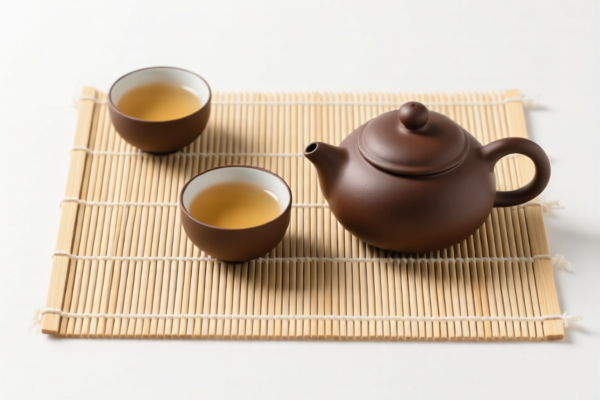
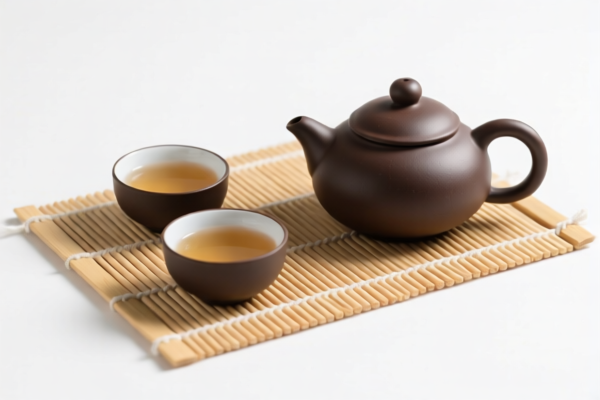
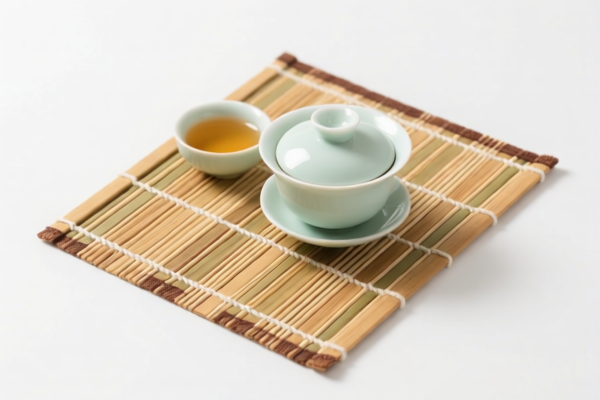
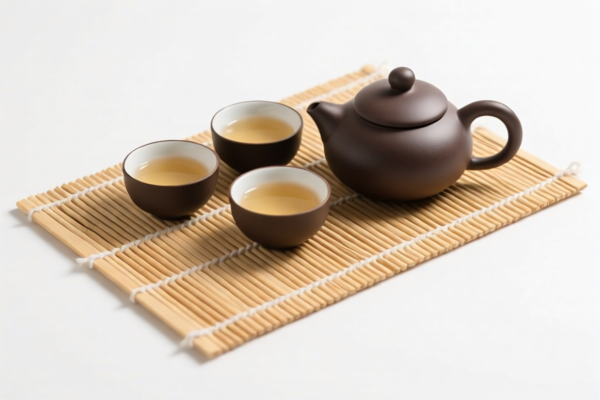
AI Analysis
🎋 Bamboo Tea Mat (Bamboo Cup Coaster)
🌐 HS Code Reference & Customs Clearance Guide | 2026 Latest Tariff Analysis | Professional通关 Strategy
📌 I. Product Definition & Classification: Do You Really Understand "Bamboo Tea Mat"?
A Bamboo Tea Mat is a functional household accessory used to protect tables from heat, water rings, or scratches when placing tea cups, pots, or saucers. In international trade, the classification depends heavily on the material and specific use case. While the name suggests bamboo, the HS Code determination must align with the actual physical properties and intended use under the Harmonized System.
⚠️ Key Distinction Points:
- If made of Ceramic/Porcelain → Classified under Ch. 69 (Ceramic Products).
- If made of Plastic → Classified under Ch. 39 (Plastics).
- If made of Bamboo/Wood → Classified under Ch. 44 (Wood and Articles of Wood).
Note: Even if the product is named "Bamboo Tea Mat," if the actual material is ceramic or plastic, it must be declared according to its true material to avoid customs penalties.
📦 II. HS Code Classification Details (2026 Latest Tariff Authority Comparison)
Based on the provided data, here are the four most likely HS Codes for "Tea Mats," categorized by material:
| HS Code | Product Description | Material Assumption | Application Scenario |
|---|---|---|---|
4419.19.90.00 |
Bamboo Tea Mat (Primary Match) | Bamboo / Wooden | Kitchenware/Tableware accessories. Fits "Other articles of bamboo" under Ch. 44. |
6911.90.00.10 |
Ceramic Tea Mat | Porcelain/Ceramic | Household ceramic articles. Fits "Other household or toilet articles" under Ch. 69. |
3924.90.10.50 |
Plastic Tea Mat (Type A) | Plastic | Plastic tableware/accessories. Fits "Other plastic tableware/kitchenware." |
3924.90.56.50 |
Plastic Tea Mat (Type B) | Plastic | Plastic household articles. Fits "Other plastic household articles/decorations." |
🔍 Key Insight:
-4419.19.90.00is the most accurate code for Bamboo materials, as Ch. 44 specifically covers "Articles of Bamboo."
- Codes6911and3924apply only if the material is not bamboo but ceramic or plastic, respectively. Misdeclaring material leads to severe penalties.
💰 III. 2026 Latest Tariff Rate Breakdown (Including Additional Duties & Policy Surcharges)
✅ Applicable Country: United States (US)
✅ Origin: China (CN)
✅ Effective Date: From November 10, 2025 onwards
🎯 1. 4419.19.90.00 —— Bamboo Tea Mat (Wood/Bamboo Category)
| Item | Content |
|---|---|
| Base Tariff | 3.2% |
| Section 301 Tariff (Additional) | 0.0% (Note: Some bamboo items may be exempt or have lower rates compared to electronics, but verify current list) |
| Section 122 Tariff | +10% |
| Total Tax Rate | 13.2% |
| Tax Calculation | CIF Value × 13.2% |
| De Minimis Eligibility | ❌ No (Deny de minimis for China-origin goods under current enforcement) |
| Legal Authority Path | Base: 3.2% → Section 301: 0% → Section 122: 10% → HS: 4419.19.90.00 |
📌 Explanation:
- Base Tariff: 3.2% is the standard Most Favored Nation (MFN) rate for bamboo tableware.
- Section 122 Tariff: A specific 10% surcharge applies to certain goods from China.
- Total Cost: 13.2% is relatively low compared to ceramic or plastic alternatives with higher Section 301/122 impacts. This makes bamboo a cost-effective choice for US import.
🎯 2. 6911.90.00.10 / 6911.90.00.50 —— Ceramic/Porcelain Tea Mat
| Item | Content |
|---|---|
| Base Tariff | 5.4% |
| Section 301 Tariff (Additional) | 7.5% |
| Section 122 Tariff | +10% |
| Total Tax Rate | 22.9% |
| Tax Calculation | CIF Value × 22.9% |
| De Minimis Eligibility | ❌ No |
| Legal Authority Path | Base: 5.4% → Section 301: 7.5% → Section 122: 10% → HS: 6911.90.00.xx |
📌 Explanation:
- Ceramic items incur higher base tariffs (5.4% vs. 3.2%).
- They also face a 7.5% Section 301 surcharge, leading to a total of 22.9%.
- Cost Impact: This is ~9.7% higher than bamboo mats.
🎯 3. 3924.90.10.50 —— Plastic Tea Mat (Low Surcharge Category)
| Item | Content |
|---|---|
| Base Tariff | 3.3% |
| Section 301 Tariff | 0.0% |
| Section 122 Tariff | +10% |
| Total Tax Rate | 13.3% |
| Tax Calculation | CIF Value × 13.3% |
| De Minimis Eligibility | ❌ No |
| Legal Authority Path | Base: 3.3% → Section 301: 0% → Section 122: 10% → HS: 3924.90.10.50 |
📌 Explanation:
- Similar to bamboo, plastic mats in this subcategory face 0% Section 301.
- Total rate is 13.3%, nearly identical to bamboo (13.2%).
- Note: Ensure the plastic type matches this specific subcode (often for tableware).
🎯 4. 3924.90.56.50 —— Plastic Tea Mat (High Surcharge Category)
| Item | Content |
|---|---|
| Base Tariff | 3.4% |
| Section 301 Tariff | 7.5% |
| Section 122 Tariff | +10% |
| Total Tax Rate | 20.9% |
| Tax Calculation | CIF Value × 20.9% |
| De Minimis Eligibility | ❌ No |
| Legal Authority Path | Base: 3.4% → Section 301: 7.5% → Section 122: 10% → HS: 3924.90.56.50 |
📌 Explanation:
- If the plastic mat is classified under this "other household article" code, it attracts the 7.5% Section 301 surcharge.
- Total rate is 20.9%, significantly higher than bamboo or low-surcharge plastic.
🛠️ IV. Customs Clearance Practical Advice (Combat Pitfall Guide)
✅ 1. Required Documentation Checklist (Non-Negotiable)
| Document | Must Provide | Explanation |
|---|---|---|
| ✅ Product Specification Sheet | ✔️ | Clearly state material: 100% Bamboo, Ceramic, or Plastic. Include dimensions and weight. |
| ✅ Product Photos | ✔️ | Clear images showing texture (grain for bamboo, glaze for ceramic, mold lines for plastic). |
| ✅ Commercial Invoice | ✔️ | Must match HS Code exactly. E.g., "Bamboo Tea Mat, Model XYZ." |
| ✅ Packing List | ✔️ | Detail items per box. Avoid mixing materials in one shipment if possible to simplify inspection. |
| ✅ Origin Certificate | ✔️ | Confirm Chinese origin to apply correct Section 122/301 rates. |
✅ 2. Declaration Tips (Key Mnemonics)
🔥 “Material is King, HS Code is Queen!”
| Scenario | Correct Declaration | Wrong Practice | Consequence |
|---|---|---|---|
| Actual Material: Bamboo | HS 4419.19.90.00 |
Declare as Ceramic 6911 |
Overpay tax (13.2% vs 22.9%) → Refund possible but delayed. |
| Actual Material: Ceramic | HS 6911.90.00.xx |
Declare as Bamboo 4419 |
Underpayment → Penalties + Interest + Possible seizure. |
| Mixed Materials | Separate lines or Primary Material | Lump sum as "Tea Accessories" | Customs may audit entire shipment → High clearance risk. |
| Plastic Type | Specify subcode (10.50 vs 56.50) |
General "Plastic Mat" | Risk of being assigned highest tax bracket (20.9%). |
✅ 3. Special Situation Handling
| Situation | Recommendation |
|---|---|
| Bamboo vs. Wood | Both fall under Ch. 44. 4419 is for articles of bamboo. Ensure botanical identification if questioned. |
| Coated Bamboo | If coated with resin/plastic, it may shift to Ch. 39. Consult customs broker for coating thickness. |
| Gift Sets | If tea mat is part of a gift set with ceramic cups, the set may be classified by its essential character (often the ceramic cup), raising total tax. |
| De Minimis | Remember, Section 122 taxes often negate de minimis benefits for China-origin goods. Plan logistics accordingly. |
🌍 V. Global Market Comparison (2026 Latest)
| Country/Region | Recommended HS Code | Tariff Rate (China Origin) | Key Certification | Notes |
|---|---|---|---|---|
| 🇺🇸 USA | 4419.19.90.00 |
13.2% (Bamboo) | FCT (if applicable) | Best Option: Lowest tax among common materials. |
| 🇪🇺 EU | 4419.19.90 |
0-4% | FSC/PEFC (Sustainability) | No Section 122/301 equivalent. Eco-certifications valued. |
| 🇨🇳 China | 4419.19.90 |
8-15% (Import Duty) | N/A | High consumption of bamboo tableware. |
| 🇬🇧 UK | 4419.19.90 |
5-8% | N/A | Post-Brexit tariffs similar to old EU but verify UK Global Tariff. |
📌 Conclusion:
- US Market: Bamboo (4419) is tax-efficient (13.2%) compared to Ceramic (22.9%) and high-surge Plastic (20.9%).
- EU/UK Market: Environmental credentials (FSC-certified bamboo) can enhance marketability beyond just tariff costs.
📌 VI. Common Mistakes & Pitfall Guide (Lessons Learned)
❌ Mistake 1: Declaring Bamboo Mats as "General Household Goods" without specifying material.
👉 Consequence: Customs may classify under highest general tariff or require detailed inspection → Delay.
❌ Mistake 2: Misclassifying Ceramic Mats as Bamboo to save taxes.
👉 Consequence: Discrepancy in weight/texture during inspection → Penalties + Back Taxes + 22.9% Rate Applied.
❌ Mistake 3: Ignoring Section 122 Tariff.
👉 Consequence: Even if Section 301 is 0%, the 10% Section 122 still applies. Plan cash flow for this extra cost.
❌ Mistake 4: Using "Tea Accessories" as a generic description.
👉 Consequence: Ambiguity leads to manual review → Clearance delays.
✅ Correct Practice:
“Bamboo Tea Mat, 100% Natural Bamboo, Food-Grade, Unlacquered, Model BTM-001, HS 4419.19.90.00”
🎯 VII. Conclusion: Precision in Classification, Profit in Clearance!
🎯 Remember the Mnemonic:
🔹 “Bamboo is King, 13.2% is Spring! Ceramic costs more, 22.9% is the door! Plastic varies, check the 7.5% war!”
🔹 “HS Code Determines Fate, Tax Rate Differs by 10 Points, One Wrong Step, Profit Vanishes!”
📌 Pro Tip:
- For US Imports, Bamboo (4419.19.90.00) offers the lowest total tax burden (13.2%) among common tea mat materials.
- Always verify the exact material before shipment. If mixed, separate shipments or clear descriptions are vital.
- Consider pre-ruling with US CBP if importing large volumes of a new product type to secure tax certainty.
📣 Take Action Now:
📞 Contact your customs broker + Provide Product Photos + Confirm HS Code Pre-ruling
🚀 Let your Bamboo Tea Mats clear smoothly, reduce costs, and maximize profits!
✨ Professional Customs Clearance Starts with Accurate Classification!
💼 Every cent of your cost deserves precise calculation!
Customer Reviews
About HS Code Classification
The Harmonized System (HS) is an internationally standardized nomenclature developed by the World Customs Organization (WCO) to classify traded products. Over 200 countries use the HS system as the basis for customs tariffs, trade statistics, and import/export regulations.
Each HS code follows a hierarchical structure:
- Chapter (2 digits) — Broad category of goods (e.g., Chapter 84: Machinery and Mechanical Appliances)
- Heading (4 digits) — More specific grouping within the chapter
- Subheading (6 digits) — Internationally standardized breakdown, used by all WCO member countries
- National subdivisions (8-10 digits) — Country-specific extensions for further classification, such as US HTSUS 10-digit codes
Correct HS code classification is essential for smooth customs clearance, accurate duty payment, and compliance with trade regulations. Misclassification can lead to customs delays, overpayment of duties, or penalties.
When importing from CN to US, the applicable tariff rates may include:
- Most-Favored-Nation (MFN) rate — The standard duty rate applied to WTO members
- General rate — Applied to countries without trade agreements
- Trade remedy duties — Additional tariffs such as Section 301 (anti-dumping), Section 232 (national security), or countervailing duties
The information provided on this page is for reference purposes only. For official classification, please consult with your local customs authority or a licensed customs broker.