Bamboo Woven Bag
CN → US| HS Code | Tariff Rate | Origin | Destination | Doc |
|---|---|---|---|---|
| 4601922000 | 41.6% | CN | US | Official Doc |
| 4602110700 | 35.0% | CN | US | Official Doc |
| 4602110900 | 45.0% | CN | US | Official Doc |
| 4601920500 | 37.7% | CN | US | Official Doc |
| 4421999880 | 38.3% | CN | US | Official Doc |
Product Images
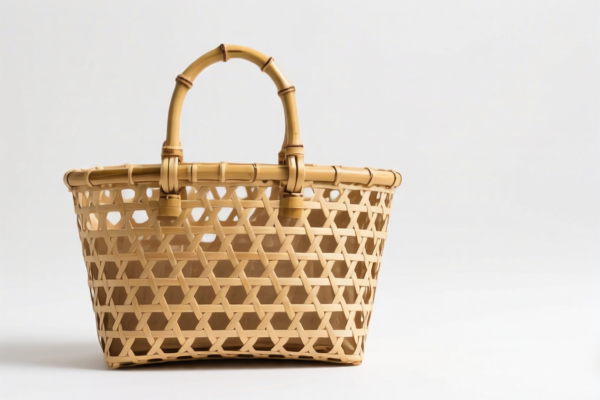
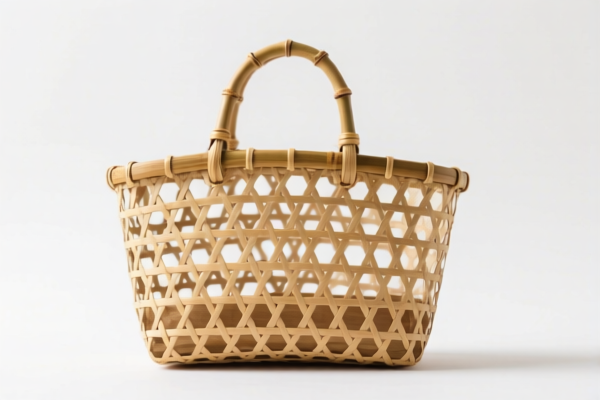
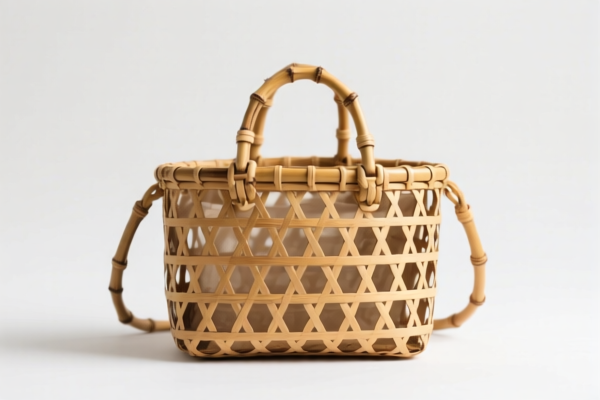
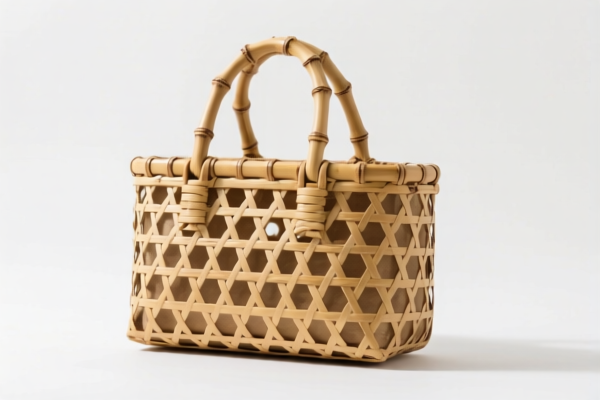
AI Analysis
🎋 Bamboo Woven Bag (竹编挂袋)
🌐 HS Code Reference & Customs Clearance Guide | 2026 Latest Tariff Analysis | Strategic通关 Strategy for US Imports
📌 I. Product Definition & Classification: Do You Really Know "Bamboo Bags"?
Bamboo woven bags are traditional crafts and functional storage items, widely used in home decor, shopping, and agriculture. In international trade, their classification depends heavily on the specific material structure and form. They are generally divided into two main categories:
1. True Woven Goods (Chapter 46):
Bamboo strips woven into mats, mats of plaiting materials, or baskets. Key characteristics: The structural integrity comes from the weaving process itself.
* HS Chapter 46: "Mats, matting, and mats of plaiting materials; basketware and wickerwork."
2. Wood/Bamboo Wood Products (Chapter 44):
If the product is made of processed bamboo wood (e.g., bamboo plywood, laminated bamboo) and not traditional "plaiting/weaving," it may fall under "Other articles of wood."
* HS Chapter 44: "Wood and articles of wood; wood charcoal."
⚠️ Key Distinction Point:
- If the product is made by interlacing strips (traditional weaving) → Chapter 46 (4601or4602).
- If the product is made of laminated bamboo sheets or flat bamboo panels shaped into a bag (more like a rigid container or flat sheet assembly) → Chapter 44 (4421).
📦 II. HS Code Classification Details (2026 Latest Tariff Authority Comparison)
Based on the provided data, here are the specific HS Codes applicable to "Bamboo Woven Bags" with their corresponding tax breakdowns for US Imports from China (CN).
| HS Code | Product Description | Application Scenario | Material/Form Detail |
|--------|--------------------------|--------------------------|
| 4601.92.20.00 | Bamboo woven hanging bags, material: bamboo, form: woven products | Traditional woven bags, flexible woven mats used as bags | ✅ Woven Bamboo |
| 4602.11.07.00 | Bamboo woven hanging bags or flower pots, material: bamboo woven, form: baskets or bags | Basket-like bags, hanging planters, rigid woven structures | ✅ Woven Bamboo (Basket/Bag) |
| 4602.11.09.00 | Bamboo woven hanging bags or flower pots, material: bamboo woven, form: baskets and bags | General woven baskets/bags, not specifically covered in 07 | ✅ Woven Bamboo (General Basket/Bag) |
| 4601.92.05.00 | Bamboo woven hanging bags, material: bamboo, form: woven products | Similar to 20.00, general woven bag category | ✅ Woven Bamboo |
| 4421.99.98.80 | Bamboo woven flat bags, material: bamboo (in the category of wood products), form: other wood products | Bags made from bamboo wood/lumber/plywood, not traditional weaving | ✅ Bamboo Wood (Non-woven) |
🔍 Important Reminder:
- Chapter 46 (4601/4602) is for traditional woven items.
- Chapter 44 (4421) is for wood/bamboo wood products that are not woven (e.g., laminated bamboo).
- Misclassification between Woven (Ch46) and Wood (Ch44) can lead to customs delays. Ensure your product description matches the physical manufacturing process.
💰 III. 2026 Latest Tariff Rate Breakdown (Including Surtax & Policy Surcharges)
✅ Applicable Country: United States (US)
✅ Origin: China (CN)
✅ Effective Time: 2025/2026 (Current Trade Environment)
🎯 1. 4601.92.20.00 —— Bamboo Woven Hanging Bags (Woven)
| Item | Content |
|---|---|
| Basic Tariff | 6.6% (Ad Valorem) |
| Section 301 Surtax | +25.0% (USITC Footnote for China) |
| 122 Clause Surtax | +10.0% (Specific US Policy Surcharge) |
| Total Tax Rate | 41.6% |
| Tax Calculation | CIF Value × 41.6% |
| De Minimis Exemption | ❌ Not Eligible |
| Legal Basis Path | USITC:4601.92.20.00 → Section 301: 25% → 122 Clause: 10% |
📌 Explanation:
- 41.6% is a very high total duty rate.
- The 25% comes from the ongoing Section 301 tariffs on Chinese goods.
- The 10% is an additional policy surcharge (often referred to as "122 Clause" in some trade databases, reflecting specific administrative additions).
- This rate applies to standard woven bamboo bags.
🎯 2. 4602.11.07.00 —— Bamboo Woven Hanging Bags/Flower Pots (Basket/Bag Form)
| Item | Content |
|---|---|
| Basic Tariff | 0.0% (Ad Valorem) |
| Section 301 Surtax | +25.0% |
| 122 Clause Surtax | +10.0% |
| Total Tax Rate | 35.0% |
| Tax Calculation | CIF Value × 35.0% |
| De Minimis Exemption | ❌ Not Eligible |
| Legal Basis Path | USITC:4602.11.07.00 → Section 301: 25% → 122 Clause: 10% |
📌 Note:
- This code has a 0% basic tariff, but the surcharges still apply.
- Total rate is 35.0%, which is lower than4601.92.20.00(41.6%).
- Suitable for structured baskets or hanging planters.
🎯 3. 4602.11.09.00 —— Bamboo Woven Hanging Bags/Flower Pots (General Basket/Bag)
| Item | Content |
|---|---|
| Basic Tariff | 10.0% (Ad Valorem) |
| Section 301 Surtax | +25.0% |
| 122 Clause Surtax | +10.0% |
| Total Tax Rate | 45.0% |
| Tax Calculation | CIF Value × 45.0% |
| De Minimis Exemption | ❌ Not Eligible |
| Legal Basis Path | USITC:4602.11.09.00 → Section 301: 25% → 122 Clause: 10% |
📌 Warning:
- This is the highest tax rate in the list at 45.0%.
- Use this code only if the product is a general woven basket/bag not covered by specific subheadings like07.
- High cost impact; consider re-evaluating classification if possible.
🎯 4. 4601.92.05.00 —— Bamboo Woven Hanging Bags (Woven Products)
| Item | Content |
|---|---|
| Basic Tariff | 2.7% (Ad Valorem) |
| Section 301 Surtax | +25.0% |
| 122 Clause Surtax | +10.0% |
| Total Tax Rate | 37.7% |
| Tax Calculation | CIF Value × 37.7% |
| De Minimis Exemption | ❌ Not Eligible |
| Legal Basis Path | USITC:4601.92.05.00 → Section 301: 25% → 122 Clause: 10% |
📌 Comparison:
- Slightly lower than4601.92.20.00(37.7% vs 41.6%).
- Both are under Chapter 46 (Woven Mats/Products). Ensure the specific physical attributes match the subheading description.
🎯 5. 4421.99.98.80 —— Bamboo Woven Flat Bags (Bamboo Wood Category)
| Item | Content |
|---|---|
| Basic Tariff | 3.3% (Ad Valorem) |
| Section 301 Surtax | +25.0% |
| 122 Clause Surtax | +10.0% |
| Total Tax Rate | 38.3% |
| Tax Calculation | CIF Value × 38.3% |
| De Minimis Exemption | ❌ Not Eligible |
| Legal Basis Path | USITC:4421.99.98.80 → Section 301: 25% → 122 Clause: 10% |
📌 Crucial Distinction:
- This code is for Bamboo Wood (not traditional weaving).
- If your bag is made of bamboo plywood or laminated bamboo sheets (rigid, not plaited), this is the correct code.
- Rate is 38.3%, which is competitive compared to high-end woven baskets (45%) but higher than basic woven bags (35%).
- Misclassification Risk: Do not use this for traditional woven bags. Customs may reclassify and penalize.
🛠️ IV. Customs Clearance Practical Advice (Real-World Pitfall Guide)
✅ 1. Preparation Checklist (Non-negotiable)
| Document | Required | Description |
|---|---|---|
| ✅ Product Specifications | ✔️ | Include dimensions, weaving density, lining material (if any), handle type. |
| ✅ Photos (Clear) | ✔️ | Show front, back, inside, and close-up of weaving pattern to prove Chapter 46 vs. 44. |
| ✅ Commercial Invoice | ✔️ | Clearly state "Bamboo Woven Bag" or "Bamboo Wood Bag" matching the HS Code. |
| ✅ Packing List | ✔️ | Detail weight, volume, and package type. |
| ✅ Certificate of Origin (CO) | ✔️ | Essential for claiming any potential exemptions (if applicable) and proving CN origin. |
✅ 2. Declaration Tips (Key Mantra)
🔥 “Weaving vs. Wood, Description Must Match! Wrong Code = High Tax & Delays!”
| Scenario | Correct Declaration | Wrong Practice |
|---|---|---|
| Traditional Woven Bag | 4601.92.20.00 or 4601.92.05.00 |
Use 4421 → Risk of reclassification + penalties |
| Bamboo Basket/Planter | 4602.11.07.00 |
Use 4601 → May be seen as inaccurate |
| Laminated Bamboo Bag | 4421.99.98.80 |
Use 4602 → Customs will reject "woven" claim |
| General Woven Basket | 4602.11.09.00 |
Use 4601 → Different subcategory rules |
✅ 3. Special Cases Handling
| Case | Handling Advice |
|---|---|
| OEM Custom Bags | Provide design sketches and material samples. Clearly state if lining (cloth/plastic) affects classification (usually still Ch46/44). |
| Mixed Materials | If bag has significant fabric lining or metal handles, ensure bamboo is the principal material by weight/value to stay in Ch46/44. |
| Flat Bamboo Bags | If the bag is made from flat bamboo sheets (not woven), strictly use 4421.99.98.80. |
| High-Value Luxury Bags | Ensure valuation is accurate. High tariffs (up to 45%) significantly impact profit margins. |
🌍 V. Global Market Comparison (2026 Latest)
| Country/Region | Recommended HS Code | Tariff (China Origin) | Certification | Notes |
|---|---|---|---|---|
| 🇺🇸 USA | 4601.92.20.00 etc. |
35% - 45% | None specific for bamboo, but ensure safety standards | High Tariff! Factor this into pricing. |
| 🇨🇳 China | 4601.92.20.00 etc. |
0% - 10% | N/A | Import duty is lower, but export tax may apply depending on type. |
| 🇪🇺 EU | 4601.92.00 etc. |
~0% - 6% | CE (if applicable), FSC for sustainable wood | Lower tariffs, but stricter sustainability documentation (FSC/PEFC). |
| 🇬🇧 UK | 4601.92.00 etc. |
~0% - 6% | Similar to EU | Post-Brexit rules apply; check UK Global Tariff. |
| 🇦🇺 Australia | 4601.92.00 etc. |
0% - 5% | N/A | Low tariffs, but strict biosecurity (ISPM 15 for wood/bamboo packaging). |
📌 Conclusion:
- USA is the most expensive market for bamboo bags due to the 25% + 10% surcharges.
- EU and UK have much lower base tariffs but require sustainability certifications (FSC) for bamboo/wood products.
- Biosecurity is critical for Australia/US for any plant-based materials. Ensure bamboo is treated and declared correctly.
📌 VI. Common Mistakes & Pitfall Guide (Lessons Learned)
❌ Mistake 1: Declaring a laminated bamboo bag as a woven bag (4602)
👉 Consequence: Customs reclassifies to 4421 or higher duty rate, causing delays and potential fines.
✅ Fix: Verify if the material is "plaited" (woven) or "laminated" (wood).
❌ Mistake 2: Ignoring the 122 Clause Surtax in cost calculation
👉 Consequence: Profit margin erosion. Expected 25% tariff, but actual is 35-45%.
✅ Fix: Always calculate CIF × (Basic + 25% + 10%).
❌ Mistake 3: Using vague descriptions like "Handmade Bag"
👉 Consequence: Customs cannot determine material or form, leading to hold.
✅ Fix: Use "Bamboo Woven Hanging Bag, Material: Bamboo, Form: Woven, No Lining" or similar precise language.
❌ Mistake 4: Failing to declare Biosecurity for bamboo
👉 Consequence: Goods held for pest inspection.
✅ Fix: Provide treatment certificates if required (especially for Australia/NZ/USDA).
🎯 VII. Conclusion: Professional Declaration, Save Money, Avoid Risks!
🎯 Remember the Mantra:
🔹 "Woven is Ch46, Wood is Ch44, Don't Mix Them Up!"
🔹 "US Tariff is High, 35-45% is Real, Plan Your Price!"
🔹 "Description is Key, Photos Prove It, Clearance Will Be Quick!"
📌 Pro Tip:
- If your bamboo bag is made in Vietnam, India, or Thailand, you may avoid the US Section 301 surcharges.
- Diversify supply chain if targeting the US market heavily.
- Consider Advance Ruling from US CBP if your product structure is unique.
📣 Take Action Now:
📞 Consult with a licensed customs broker.
📸 Provide clear photos of the weaving pattern.
📊 Calculate landed cost with 35-45% duty included.
🚀 Clear the customs smoothly, boost your profits!
✨ Professional Customs Clearance Starts with Accurate Classification!
💼 Every cent of duty saved is profit earned!
Customer Reviews
About HS Code Classification
The Harmonized System (HS) is an internationally standardized nomenclature developed by the World Customs Organization (WCO) to classify traded products. Over 200 countries use the HS system as the basis for customs tariffs, trade statistics, and import/export regulations.
Each HS code follows a hierarchical structure:
- Chapter (2 digits) — Broad category of goods (e.g., Chapter 84: Machinery and Mechanical Appliances)
- Heading (4 digits) — More specific grouping within the chapter
- Subheading (6 digits) — Internationally standardized breakdown, used by all WCO member countries
- National subdivisions (8-10 digits) — Country-specific extensions for further classification, such as US HTSUS 10-digit codes
Correct HS code classification is essential for smooth customs clearance, accurate duty payment, and compliance with trade regulations. Misclassification can lead to customs delays, overpayment of duties, or penalties.
When importing from CN to US, the applicable tariff rates may include:
- Most-Favored-Nation (MFN) rate — The standard duty rate applied to WTO members
- General rate — Applied to countries without trade agreements
- Trade remedy duties — Additional tariffs such as Section 301 (anti-dumping), Section 232 (national security), or countervailing duties
The information provided on this page is for reference purposes only. For official classification, please consult with your local customs authority or a licensed customs broker.