Bamboo Woven Cosmetic Bag
CN → US| HS Code | Tariff Rate | Origin | Destination | Doc |
|---|---|---|---|---|
| 4602110700 | 35.0% | CN | US | Official Doc |
| 9403820030 | 35.0% | CN | US | Official Doc |
| 4202992000 | 39.3% | CN | US | Official Doc |
| 4202993000 | 35.0% | CN | US | Official Doc |
| 4602112100 | 41.2% | CN | US | Official Doc |
Product Images
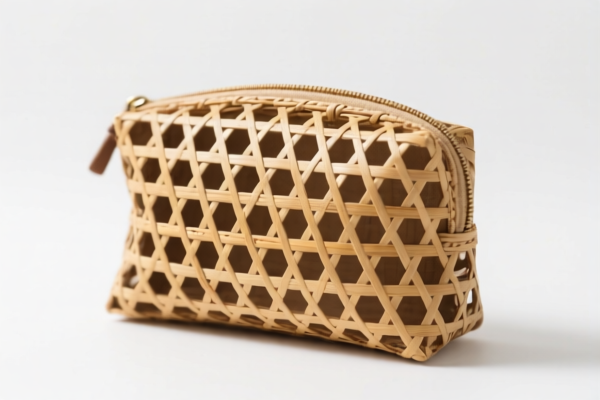
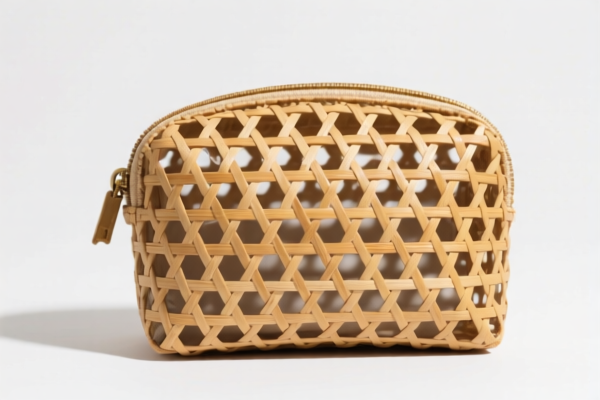
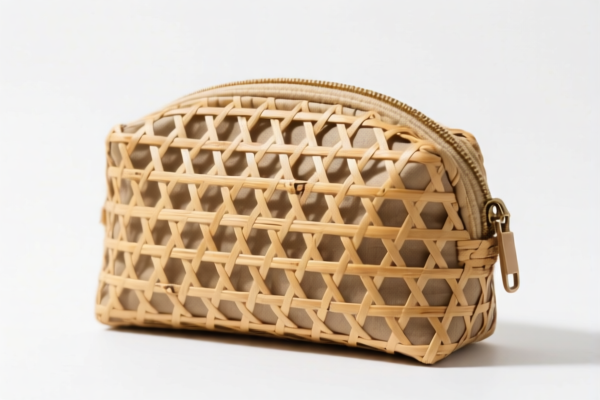
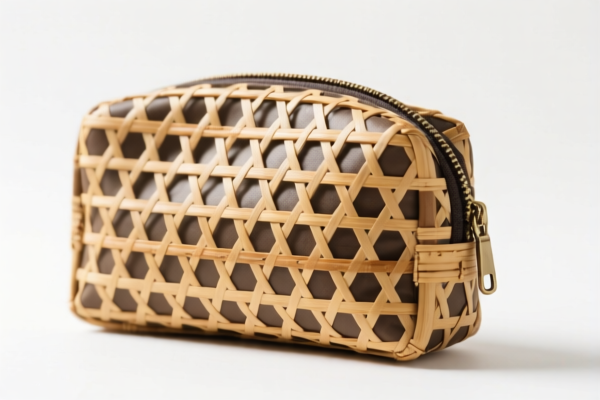
AI Analysis
🖌️ Bamboo Woven Cosmetic Bag (Bamboo Beauty Case / Toiletry Pouch)
🌐 HS Code Reference & Customs Clearance Guide | 2026 Latest Tariff Analysis | Professional-Level Strategy for US Imports
📌 I. Product Definition & Classification: Do You Really Understand "Bamboo Bags"?
Bamboo Woven Cosmetic Bags are trendy, eco-friendly storage solutions for cosmetics, toiletries, and small accessories. In international trade, these items sit at the intersection of textiles/bags and woven plant materials. The key challenge is determining whether the item is classified primarily as a "Bag/Luggage Article" (Chapter 42) or a "Woven Basketry/Basket-like Article" (Chapter 46).
The classification hinges on: 1. Primary Material vs. Structure: Is it a woven container (Chapter 46) or a lined/unlined bag with a specific closure/strap structure (Chapter 42)? 2. Lining: Is there a textile or plastic lining? (Crucial for distinguishing between 4202.99 and 4602.11). 3. Form Factor: Does it resemble traditional "basketry" or modern "handbags/pouches"?
⚠️ Key Distinction Points:
- If the item is unlined and strictly maintains a rigid woven basket shape → Often falls under 4602.11 (Woven Articles).
- If the item is lined (even partially) or functions more like a soft-sided pouch with zippers/snaps → Often falls under 4202.99 (Other Containers/Bags).
- If it is considered a luxury or specialized travel accessory with specific material constraints → May fall under 9403.82 (Furniture/Extension) or 4602.11 variants.
📦 II. HS Code Classification Details (2026 Latest Tariff Authority Cross-Reference)
Based on the provided data, here are the five most relevant HS Codes for Bamboo Woven Cosmetic Bags, along with their specific tax implications.
| HS Code | Product Description & Logic | Application Scenario | Lining Status | Total Tax Rate |
|---|---|---|---|---|
4602.11.07.00 |
Woven Bamboo Articles: Bags made entirely of bamboo weaving, fitting the definition of "basketry bags." | Simple, unlined or minimally lined woven pouches; traditional basket-style makeup bags. | ❌ Unlined / Woven-only structure | 35.0% |
9403.82.00.30 |
Bamboo Furniture/Extension: Bamboo material, woven/luggage class; considered an extension of furniture or vessels. | High-end, rigid bamboo cosmetic cases that resemble small furniture pieces or trunks. | N/A (Rigid Structure) | 35.0% |
4202.99.20.00 |
Bamboo Containers/Bags: Similar to wooden unlined textile containers; bamboo material, bag/container type. | Bamboo-wrapped or bamboo-fiber bags that behave like standard handbags or totes. | ✅ May have textile lining | 39.3% |
4202.99.30.00 |
Natural Plant Fiber: Luggage/container form; non-leather, non-plastic attributes. | Bags made from natural plant fibers (including bamboo) that fit standard "other containers" category. | ✅ General Container | 35.0% |
4602.11.21.00 |
Bamboo Handbags/Luggage: Woven bamboo material, specifically classified as handbags for luggage/travel. | Fashion-forward bamboo woven handbags or large cosmetic totes used for travel. | ❌ Woven Handbag Style | 41.2% |
🔍 Critical Reminder:
-4202.99.20.00has the highest base duty (4.3%), leading to a total of 39.3%. This is common if the bag is heavily lined with textile or has a structured leather/fabric interior.
-4602.11variants generally have 0% base duty, but are subject to strict "woven article" definitions.
-4602.11.21.00incurs a 6.2% base duty, making it the most expensive in its category at 41.2%. This is often applied to fashionable "handbag" styles made of woven bamboo.
💰 III. 2026 Latest Tariff Rate Breakdown (Including Additional Duties & Policy Surcharges)
✅ Applicable Country: United States (US)
✅ Country of Origin: China (CN)
✅ Effective Time: November 10, 2025 (and subsequent imports)
🎯 1. 4602.11.07.00 —— Woven Bamboo Bags (Basketry Style)
| Item | Content |
|---|---|
| Base Duty | 0.0% (ad valorem) |
| Section 301 Surcharge | +25.0% (USITC Footnote) |
| IEEPA Surcharge | +10.0% (Targeting China/HK products, effective Nov 2025) |
| Total Effective Rate | 35.0% |
| Tax Calculation | CIF Value × 35% |
| De Minimis Eligibility | ❌ Not Eligible (Denied under de_minimis for these categories) |
| Legal Basis Path | IEEPA:9903.01.25 → IEEPA:9903.01.24 → USITC:4602.11.07.00 → FOOTNOTE:9903.88.01 |
📌 Explanation:
- "0% Base Duty": Chapter 46 (Woven Articles) often benefits from low base rates.
- "25% + 10% = 35%": Despite the low base, the punitive tariffs make this a high-cost item.
- Risk: Customs may reclassify to Chapter 42 if lining is detected, increasing the rate.
🎯 2. 9403.82.00.30 —— Bamboo "Furniture-Style" Cosmetic Cases
| Item | Content |
|---|---|
| Base Duty | 0.0% |
| Section 301 Surcharge | +25.0% |
| IEEPA Surcharge | +10.0% |
| Total Effective Rate | 35.0% |
| Tax Calculation | CIF Value × 35% |
| De Minimis Eligibility | ❌ Not Eligible |
| Legal Basis Path | IEEPA:9901.25 → IEEPA:9903.01.24 → USITC:9403.82.00.30 → FOOTNOTE:9903.88.01 |
📌 Note:
- This code is used for items that blur the line between accessories and furniture/home decor.
- Suitable for rigid, box-like bamboo cosmetic storage that doesn't conform like a soft bag.
🎯 3. 4202.99.20.00 —— Bamboo-Style Lined Containers
| Item | Content |
|---|---|
| Base Duty | 4.3% |
| Section 301 Surcharge | +25.0% |
| IEEPA Surcharge | +10.0% |
| Total Effective Rate | 39.3% |
| Tax Calculation | CIF Value × 39.3% |
| De Minimis Eligibility | ❌ Not Eligible |
| Legal Basis Path | Standard Chapter 42 rules + IEEPA/301 surcharges |
📌 Warning:
- This is the highest total tax rate (39.3%) in the dataset.
- Applies if the bag has a significant textile or plastic lining or is structured like a standard handbag.
- Avoid if you can classify under Chapter 46 (0% base) to save 4.3% on the duty layer.
🎯 4. 4202.99.30.00 —— Natural Plant Fiber Bags
| Item | Content |
|---|---|
| Base Duty | 0.0% |
| Section 301 Surcharge | +25.0% |
| IEEPA Surcharge | +10.0% |
| Total Effective Rate | 35.0% |
| Tax Calculation | CIF Value × 35% |
| De Minimis Eligibility | ❌ Not Eligible |
| Legal Basis Path | IEEPA:9901.25 → IEEPA:9903.01.24 → USITC:4202.99.30.00 → FOOTNOTE:9903.88.01 |
📌 Note:
- Classifies items as "Other bags" made from natural fibers.
- Often used for soft, unlined, or lightly lined plant-fiber pouches that don't fit rigid "basketry" definitions.
🎯 5. 4602.11.21.00 —— Bamboo Woven Handbags/Luggage
| Item | Content |
|---|---|
| Base Duty | 6.2% |
| Section 301 Surcharge | +25.0% |
| IEEPA Surcharge | +10.0% |
| Total Effective Rate | 41.2% |
| Tax Calculation | CIF Value × 41.2% |
| De Minimis Eligibility | ❌ Not Eligible |
| Legal Basis Path | Specific subheading for bamboo handbags under Chapter 46 |
📌 Critical Insight:
- This is the most expensive code (41.2%).
- Applies when the item is clearly a fashion handbag made of woven bamboo.
- Customs scrutinizes this heavily to ensure it’s not misclassified as a lower-taxed textile bag.
🛠️ IV. Customs Clearance Practical Advice (Battle-Tested Pitfall Avoidance Guide)
✅ 1. Essential Documentation Checklist (Missing One = Delay)
| Document | Required? | Explanation |
|---|---|---|
| ✅ Product Specifications | ✔️ | Must detail: Material (100% Bamboo?), Lining Material (None? Cotton? Polyester?), Closure Type (Zipper? Snap?). |
| ✅ Photographs (Clear & Detailed) | ✔️ | Front, back, interior (to show lining), label, and packaging. Show the "woven" texture clearly. |
| ✅ Bill of Lading / Packing List | ✔️ | Must match commercial invoice exactly. Weight and dimensions critical. |
| ✅ Commercial Invoice | ✔️ | Crucial: Describe as "Bamboo Woven Cosmetic Bag" not just "Bag" or "Basket." |
| ✅ Country of Origin Certificate | ✔️ | Required for 301/IEEPA duty application. |
| ✅ Material Declaration | ✔️ | Explicitly state if lined or unlined. If lined, specify material. |
✅ 2. Declaration Tactics (Key Mantra)
🔥 “Line it, classify it; Woven it, quote it. Name it right, tax rate light!”
| Scenario | Correct Declaration Strategy | Wrong Practice |
|---|---|---|
| Unlined Bamboo Woven Pouch | 4602.11.07.00 (35%) |
Declare as "Textile Bag" → 39.3% or Audit |
| Lined Bamboo Bag (Textile Interior) | 4202.99.20.00 (39.3%) |
Declare as "Woven Basket" → Misclassification Penalty |
| Rigid Bamboo Cosmetic Box | 9403.82.00.30 (35%) |
Declare as "Plastic Container" → Wrong Chapter |
| Fashion Bamboo Handbag | 4602.11.21.00 (41.2%) |
Try to hide handbag features → High Risk of Rejection |
✅ 3. Special Circumstances Handling
| Situation | Handling Advice |
|---|---|
| Mixed Materials | If the bag has metal zippers or plastic handles, does it change classification? → Usually No, if bamboo is the essential character. But document it! |
| Sample vs. Bulk | Samples still incur duty if over $800 (De Minimis denied). |
| "Eco-Friendly" Marketing | Avoid claiming "100% Biodegradable" if there’s a synthetic lining. Customs may flag for false advertising. |
| Pre-Ruling (Advance Ruling) | Highly Recommended! For large volumes, apply for an CBP Advance Ruling to lock in the HS Code and avoid surprises at the border. |
🌍 V. Global Market Clearance Comparison (2026 Latest)
| Country/Region | Recommended HS Code | Tariff (China Origin) | Certification | Notes |
|---|---|---|---|---|
| 🇺🇸 USA | 4602.11.07.00 / 4202.99.20.00 |
35% ~ 41.2% | No special certs needed | High Tariff Risk. De Minimis ($800) does NOT apply. |
| 🇨🇳 China | 4602.11.07.00 |
5% ~ 10% | N/A | Low tariff. Good for domestic sales. |
| 🇪🇺 EU | 4602.11.07.00 |
0% (if bamboo) or 4% | CE (if electronic components included) | Generally lower tariffs than US. |
| 🇬🇧 UK | 4602.11.07.00 |
4% | UKCA (if applicable) | Post-Brexit rules apply. |
| 🇦🇺 Australia | 4602.11.07.00 |
5% | N/A | Moderate tariff. |
📌 Conclusion:
- The USA is the most expensive market for bamboo woven bags due to the 25% (Section 301) + 10% (IEEPA) surcharges.
- Total tax burden ranges from 35% to 41.2%.
- Cost Planning is Essential: Factor in at least 40% of the CIF value for duties alone.
📌 VI. Common Errors & Pitfall Guide (Lessons Learned from Blood & Tears)
❌ Mistake 1: Declaring a lined bag as 4602.11 (Unlined Woven)
👉 Consequence: Customs detects lining via X-ray or inspection → Re-classifies to 4202.99 → Back taxes + Penalty!
❌ Mistake 2: Calling it a "Basket" when it’s a "Bag" with a zipper
👉 Consequence: Misleading description → Delays, potential seizure, or forced reclassification to higher tax bracket.
❌ Mistake 3: Ignoring the IEEPA 10% Surcharge
👉 Consequence: Budgeting only for 25% → Cash flow crisis at customs.
❌ Mistake 4: Assuming De Minimis ($800) applies
👉 Consequence: Shipments under $800 are still subject to full duty for these HS codes → Unexpected invoices for small bulk orders.
✅ Correct Approach:
"Bamboo Woven Cosmetic Pouch, Unlined, with Zipper Closure, 100% Natural Bamboo, Model XYZ, No Electrical Components"
🎯 VII. Conclusion: Professional Declaration, Save Money, Ensure Smooth Clearance!
🎯 Remember the Mantra:
🔹 "Lined = 4202 (39.3%), Unlined Woven = 4602 (35%), Rigid = 9403 (35%), Fashion Handbag = 4602.21 (41.2%)."
🔹 "No De Minimis for these codes. Budget 40% for taxes."
🔹 "Get an Advance Ruling if volume is high."
📌 Pro Tip:
If your bamboo bags are sourced from Vietnam, Thailand, or Indonesia, you MIGHT be eligible for IEEPA Exemptions or lower Section 301 rates.
👉 Action: Verify Country of Origin and apply for Pre-Ruling before shipping.
📣 Immediate Action Plan:
📞 Contact a Licensed Customs Broker + Provide Clear Photos + Apply for CBP Advance Ruling
🚀 Ensure Your Bamboo Cosmetic Bags clear US Customs Smoothly, Predictably, and Profitably!
✨ Professional Clearance Starts with Accurate Classification!
💼 Every Percent of Duty Saved is Pure Profit!
Customer Reviews
About HS Code Classification
The Harmonized System (HS) is an internationally standardized nomenclature developed by the World Customs Organization (WCO) to classify traded products. Over 200 countries use the HS system as the basis for customs tariffs, trade statistics, and import/export regulations.
Each HS code follows a hierarchical structure:
- Chapter (2 digits) — Broad category of goods (e.g., Chapter 84: Machinery and Mechanical Appliances)
- Heading (4 digits) — More specific grouping within the chapter
- Subheading (6 digits) — Internationally standardized breakdown, used by all WCO member countries
- National subdivisions (8-10 digits) — Country-specific extensions for further classification, such as US HTSUS 10-digit codes
Correct HS code classification is essential for smooth customs clearance, accurate duty payment, and compliance with trade regulations. Misclassification can lead to customs delays, overpayment of duties, or penalties.
When importing from CN to US, the applicable tariff rates may include:
- Most-Favored-Nation (MFN) rate — The standard duty rate applied to WTO members
- General rate — Applied to countries without trade agreements
- Trade remedy duties — Additional tariffs such as Section 301 (anti-dumping), Section 232 (national security), or countervailing duties
The information provided on this page is for reference purposes only. For official classification, please consult with your local customs authority or a licensed customs broker.