Bamboo Woven Travel Bag
CN → US| HS Code | Tariff Rate | Origin | Destination | Doc |
|---|---|---|---|---|
| 4602110700 | 35.0% | CN | US | Official Doc |
| 9403820030 | 35.0% | CN | US | Official Doc |
| 4202992000 | 39.3% | CN | US | Official Doc |
| 4202993000 | 35.0% | CN | US | Official Doc |
| 4602112100 | 41.2% | CN | US | Official Doc |
| 9403893020 | 35.0% | CN | US | Official Doc |
Product Images
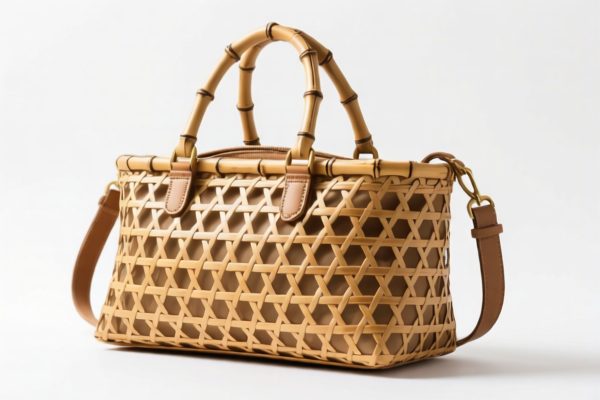
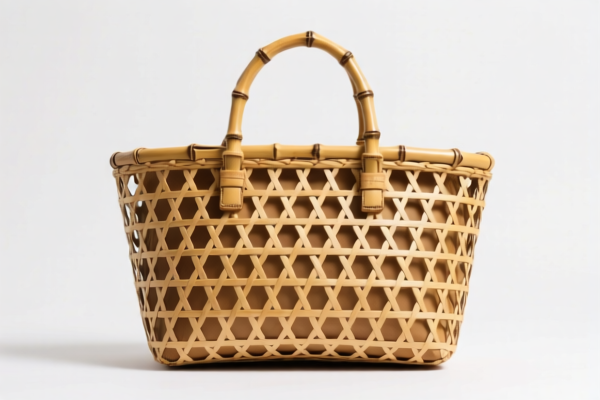
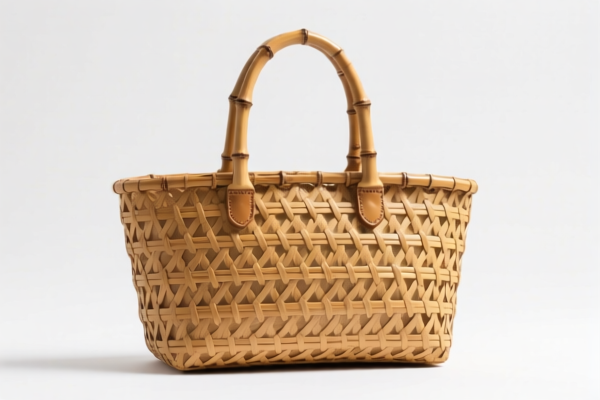
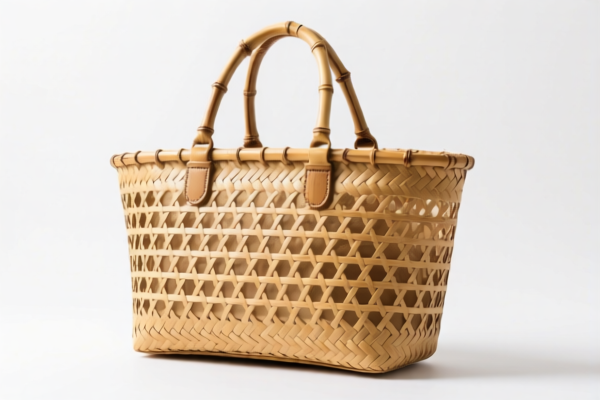
AI Analysis
🎒 Bamboo Woven Travel Bag (竹编行李)
🌐 HS Code Reference & Customs Clearance Guide | 2024 Latest Tariff Analysis | Professional-Level Clearance Strategy
📌 I. Product Definition & Classification: Do You Really Understand "Bamboo Woven Travel Bags"?
Bamboo woven travel bags represent a fusion of traditional craftsmanship and modern utility. In international trade, they are classified based on material (bamboo/vegetable fibers) and function (containers/luggage). However, ambiguity arises because they can be viewed as either "woven goods" (Chapter 46) or "travel goods/accessories" (Chapter 42) or even "furniture/lifestyle items" (Chapter 94).
⚠️ Key Classification Distinctions:
- If strictly viewed as woven containers made of bamboo strips → Classified under Chapter 46.
- If viewed as travel goods made of vegetable fibers (but not leather/plastic/textile) → Classified under Chapter 42.
- If viewed as furniture-like structures or general household items → Classified under Chapter 94.
📦 II. HS Code Classification Details (2024 Latest Tariff Authority Comparison)
| HS Code | Product Description | Application Scenario | Material/Structure Logic |
|---|---|---|---|
4602.11.07.00 |
Woven articles of vegetable plaiting materials; Luggage made of bamboo strips. | Traditional bamboo weaving, rigid/woven bag structure. | ✅ Matches "Woven baskets/bags" definition strictly. |
9403.82.00.30 |
Bamboo woven luggage; Extension of furniture/utility ware. | Furniture-style bamboo containers, structural luggage. | ✅ "Furniture/Container extension" logic. |
4202.99.20.00 |
Travel goods made of vegetable fiber (bamboo), similar to wood-fiber containers. | Bamboo treated as "wood-fiber" category, non-textile bag. | ✅ Matches "Non-leather/non-plastic/non-textile" container logic. |
4202.99.30.00 |
Travel goods made of natural plant fibers, similar to wooden attributes. | Bamboo luggage categorized under general travel goods. | ✅ Matches "Natural plant fiber" attribute logic. |
4602.11.21.00 |
Woven luggage/bags made of bamboo, specific for carrying items. | Handbags, totes, specific luggage using bamboo strips. | ✅ Direct match for "Bamboo material + Luggage/Bag use". |
9403.89.30.20 |
Bamboo woven luggage; Furniture/lifestyle item (non-domestic specific). | Bamboo items used as lifestyle containers or decorative luggage. | ✅ "Other furniture/lifestyle" category, no material conflict. |
🔍 Critical Reminder:
- Chapter 46 (Woven Goods) is the most direct classification for traditional bamboo weaving.
- Chapter 42 (Travel Goods) applies if the bag is considered a "travel accessory" but made of non-standard materials (veg. fibers).
- Chapter 94 (Furniture) is a fallback for bulky or furniture-like bamboo containers.
- Do NOT classify as leather or textile → Avoid Chapter 42/62 errors.
💰 III. 2024 Latest Tariff Rate Details (Including Surtaxes, Policy Surcharges)
✅ Applicable Country: United States (US)
✅ Origin: China (CN)
✅ Effective Time: Current Trade Policy (Section 301 + IEEPA)
🎯 1. 4602.11.07.00 —— Woven Vegetable Plaiting Materials (Bamboo Luggage)
| Item | Content |
|---|---|
| Base Tariff | 0% (ad valorem) |
| USITC Additional Tax | +25% (Section 301) |
| IEEPA Additional Tax | +10% (China/HK specific, effective Nov 2025) |
| Total Tax Rate | 35.0% |
| Tax Calculation | CIF Value × 35% |
| De Minimis Exemption | ❌ Not Eligible (deny_de_minimis) |
| Legal Basis Path | IEEPA:9903.01.25 → USITC:4602.11.07.00 → FOOTNOTE:301 |
📌 Explanation:
- "25% USITC surtax" comes from the US Trade Act Section 301.
- "10% IEEPA surtax" is the new对华 additional tariff.
- Total 35% is significant. Must be factored into cost pricing.
🎯 2. 9403.82.00.30 —— Bamboo Woven Furniture/Container (Luggage Application)
| Item | Content |
|---|---|
| Base Tariff | 0% |
| USITC Additional Tax | +25% |
| IEEPA Additional Tax | +10% |
| Total Tax Rate | 35.0% |
| Tax Calculation | CIF × 35% |
| De Minimis Exemption | ❌ Not Eligible |
| Legal Basis Path | IEEPA:9901.25 → USITC:9403.82.00.30 → FOOTNOTE:301 |
📌 Note:
- Same tax rate as Chapter 46.
- Applies if customs views bamboo luggage as a "furniture-like" or "general container" item.
🎯 3. 4202.99.20.00 —— Travel Goods (Vegetable Fiber/Wood-Fiber Logic)
| Item | Content |
|---|---|
| Base Tariff | 4.3% |
| USITC Additional Tax | +25% |
| IEEPA Additional Tax | +10% |
| Total Tax Rate | 39.3% |
| Tax Calculation | CIF × 39.3% |
| De Minimis Exemption | ❌ Not Eligible |
| Legal Basis Path | IEEPA:9901.25 → USITC:4202.99.20.00 → FOOTNOTE:301 |
📌 Note:
- Slightly higher due to base tariff of 4.3%.
- Classification logic: Bamboo treated as "wood-fiber" container similar to other non-leather travel goods.
🎯 4. 4202.99.30.00 —— Travel Goods (Natural Plant Fiber)
| Item | Content |
|---|---|
| Base Tariff | 0% |
| USITC Additional Tax | +25% |
| IEEPA Additional Tax | +10% |
| Total Tax Rate | 35.0% |
| Tax Calculation | CIF × 35% |
| De Minimis Exemption | ❌ Not Eligible |
| Legal Basis Path | IEEPA:9901.25 → USITC:4202.99.30.00 → FOOTNOTE:301 |
📌 Note:
- Lower base tariff than4202.99.20.00.
- Classification logic: Emphasizes "natural plant fiber" rather than "wood-fiber".
🎯 5. 4602.11.21.00 —— Woven Luggage/Bag (Specific Bamboo Use)
| Item | Content |
|---|---|
| Base Tariff | 6.2% |
| USITC Additional Tax | +25% |
| IEEPA Additional Tax | +10% |
| Total Tax Rate | 41.2% |
| Tax Calculation | CIF × 41.2% |
| De Minimis Exemption | ❌ Not Eligible |
| Legal Basis Path | IEEPA:9901.25 → USITC:4602.11.21.00 → FOOTNOTE:301 |
📌 Note:
- Highest base tariff (6.2%) in this list.
- Most specific to "Bamboo + Luggage/Bag" use case, but incurs higher base duty.
🎯 6. 9403.89.30.20 —— Other Furniture/Lifestyle Items (Bamboo)
| Item | Content |
|---|---|
| Base Tariff | 0% |
| USITC Additional Tax | +25% |
| IEEPA Additional Tax | +10% |
| Total Tax Rate | 35.0% |
| Tax Calculation | CIF × 35% |
| De Minimis Exemption | ❌ Not Eligible |
| Legal Basis Path | IEEPA:9901.25 → USITC:9403.89.30.20 → FOOTNOTE:301 |
📌 Note:
- Same as9403.82.00.30.
- Applies to bamboo items that don't fit standard luggage definitions but are used as lifestyle containers.
🛠️ IV. Customs Clearance Practical Advice (Battlefield Pit-avoidance Guide)
✅ 1. Required Documentation Checklist (None Can Be Missing)
| Document | Mandatory | Explanation |
|---|---|---|
| ✅ Product Specification Sheet | ✔️ | Material (Bamboo), Structure (Woven), Use (Luggage/Bag) |
| ✅ Product Photos (With Labels) | ✔️ | Clear view of weaving style, handles, zippers (if any) |
| ✅ Material Composition Statement | ✔️ | Confirm 100% Bamboo/Vegetable Fiber, NO leather/plastic lining |
| ✅ Commercial Invoice | ✔️ | Describe as "Bamboo Woven Travel Bag" or "Woven Vegetable Fiber Container" |
| ✅ Packing List | ✔️ | Detail items to avoid "mixed shipment" confusion |
| ✅ Third-Party Test Report (Optional) | ✔️ | FSC (Forest Stewardship Council) if eco-certification is claimed |
✅ 2. Declaration Tips (Key Mantras)
🔥 “Material Clear, Function Precise, No Leather, No Textile!”
| Scenario | Correct Declaration | Wrong Practice |
|---|---|---|
| Pure Bamboo Woven Bag | 4602.11.07.00 or 4602.11.21.00 |
Declare as "Fabric Bag" → Chapter 62 (High Risk) |
| Bamboo Frame + Fabric Lining | MIXED MATERIAL → Likely 4202.92.20.00 |
Declare as "Pure Bamboo" → Audit Failure |
| Bamboo Luggage with Plastic Zipper | Emphasize Primary Material (Bamboo) | Declare as "Plastic Container" → Wrong Chapter |
| Bamboo Basket Used as Luggage | 4602.11.07.00 |
Declare as "Furniture" → 9403 (Less Ideal) |
✅ 3. Special Situation Handling
| Situation | Handling Advice |
|---|---|
| OEM Custom Bamboo Bag | Provide design specs to prove "Woven Vegetable Fiber" structure. |
| Bamboo + Leather Trim | If leather >50% or essential function, might be Chapter 42. Consult Custom House. |
| Bamboo + Plastic Handles | Plastic is minor component; still likely Chapter 46 if primary material is bamboo. |
| High-Value Luxury Bamboo Bag | Ensure brand name is declared; avoid misclassification as "Crafts" to lower tax. |
🌍 V. Global Market Clearance Comparison (2024 Latest)
| Country/Region | Recommended HS Code | Tariff (China Origin) | Certification | Remarks |
|---|---|---|---|---|
| 🇺🇸 USA | 4602.11.07.00 |
35% (incl. Surtaxes) | None specific | High tariff due to 301 + IEEPA. |
| 🇨🇳 China | 4602.11.07.00 |
0% - 6.2% | N/A | Depends on specific subheading. |
| 🇪🇺 EU | 4602.11.00 |
0% - 4.5% | CE (if applicable) | No US-style surtaxes. |
| 🇯🇵 Japan | 4602.11.00 |
0% - 3% | None | Low tariff environment. |
| 🇦🇺 Australia | 4602.11.00 |
5% | None | Moderate tariff. |
📌 Conclusion:
- USA is the most challenging market due to the 35% effective rate.
- EU/Japan/Australia offer significantly lower duties for similar bamboo goods.
- Strategic Suggestion: If targeting US, consider supply chain diversification or design modification to qualify for exemptions (if any).
📌 VI. Common Errors & Pit-avoidance Guide (Blood & Tears Lessons)
❌ Error 1: Declaring Bamboo Bag as "Textile Bag" (Chapter 63)
👉 Consequence: Class 63 may have different rates, but if material is bamboo, it’s misdeclaration. Penalty + Back Taxes.
❌ Error 2: Declaring Bamboo Bag as "Leather Good" (Chapter 42)
👉 Consequence: If no leather, customs will reject. Delay/Return.
❌ Error 3: Not specifying "Bamboo" in Description
👉 Consequence: Customs may classify as "Other Woven Goods" or "Plastic" → Unpredictable Tax.
❌ Error 4: Assuming De Minimis ($800) applies
👉 Consequence: 35% Tax is NOT exempt. Many sellers lose money thinking it’s tax-free.
✅ Correct Practice:
"Bamboo Woven Travel Bag, 100% Natural Bamboo Strips, Hand-woven, with Cotton Lining (if any), Model XYZ, Made in China"
🎯 VII. Conclusion: Precision Classification Saves Money!
🎯 Remember the Mantras:
🔹 "Bamboo is Veg. Fiber, Not Textile!"
🔹 "US Tariff is 35%, Don't Get Caught Unaware!"
🔹 "Chapter 46 is Home, Chapter 42 is Alternative!"
📌 Pro Tip:
If your bamboo bag is sourced from Vietnam or Thailand, you may qualify for lower tariffs or IEEPA exemptions.
Strongly recommend applying for an Advance Ruling from US Customs (CBP) to lock in the HS Code and tax rate.
📣 Immediate Action:
📞 Contact a Professional Broker + Provide Product Photos + Apply for HS Code Advance Ruling
🚀 Clear Customs Smoothly, Maximize Profit!
✨ Professional Clearance Starts with Accurate Classification!
💼 Every Cent of Tax Saved is Pure Profit!
Customer Reviews
About HS Code Classification
The Harmonized System (HS) is an internationally standardized nomenclature developed by the World Customs Organization (WCO) to classify traded products. Over 200 countries use the HS system as the basis for customs tariffs, trade statistics, and import/export regulations.
Each HS code follows a hierarchical structure:
- Chapter (2 digits) — Broad category of goods (e.g., Chapter 84: Machinery and Mechanical Appliances)
- Heading (4 digits) — More specific grouping within the chapter
- Subheading (6 digits) — Internationally standardized breakdown, used by all WCO member countries
- National subdivisions (8-10 digits) — Country-specific extensions for further classification, such as US HTSUS 10-digit codes
Correct HS code classification is essential for smooth customs clearance, accurate duty payment, and compliance with trade regulations. Misclassification can lead to customs delays, overpayment of duties, or penalties.
When importing from CN to US, the applicable tariff rates may include:
- Most-Favored-Nation (MFN) rate — The standard duty rate applied to WTO members
- General rate — Applied to countries without trade agreements
- Trade remedy duties — Additional tariffs such as Section 301 (anti-dumping), Section 232 (national security), or countervailing duties
The information provided on this page is for reference purposes only. For official classification, please consult with your local customs authority or a licensed customs broker.