Bamboo Woven Vegetable Basket
CN → US| HS Code | Tariff Rate | Origin | Destination | Doc |
|---|---|---|---|---|
| 4602110700 | 35.0% | CN | US | Official Doc |
| 4602110900 | 45.0% | CN | US | Official Doc |
| 9403820015 | 35.0% | CN | US | Official Doc |
| 9403608093 | 35.0% | CN | US | Official Doc |
| 4602121600 | 40.0% | CN | US | Official Doc |
Product Images
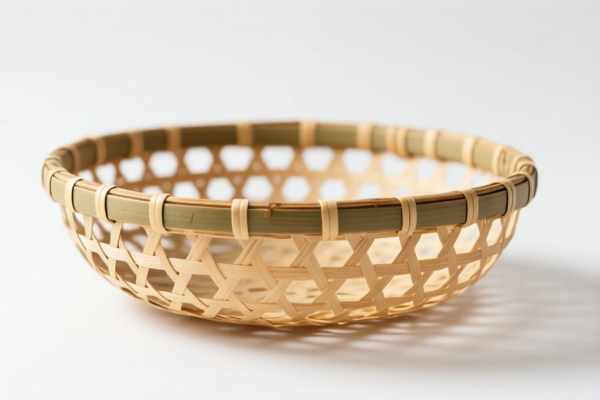
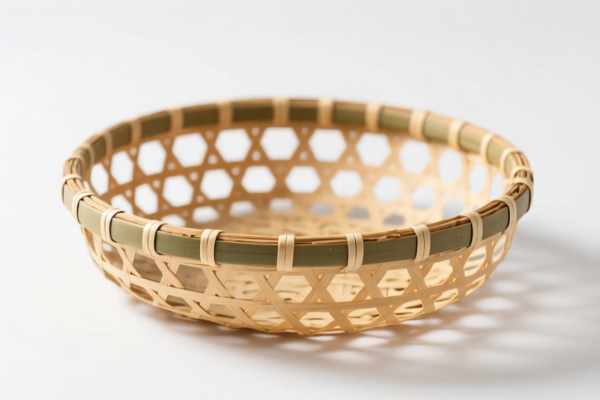
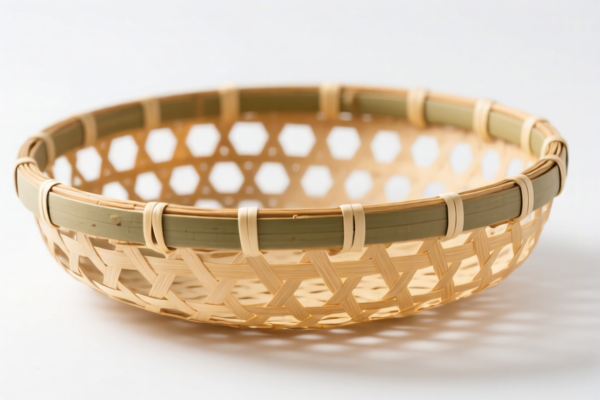
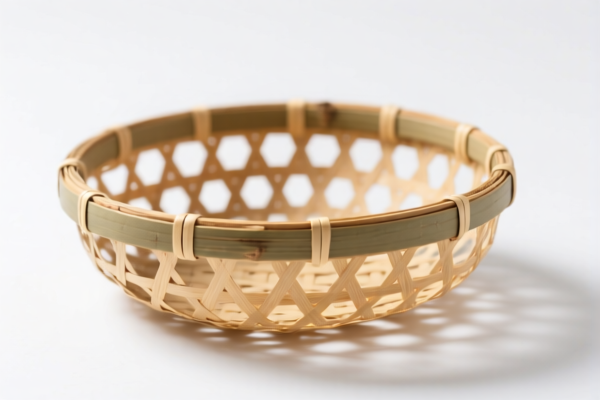
AI Analysis
🎋 Bamboo Woven Vegetable Basket (Household Storage & Woven Goods)
🌐 HS Code Reference & Customs Clearance Guide | 2026 Latest Tariff Analysis | Strategic Compliance Strategy
📌 I. Product Definition & Classification: Do You Truly Understand "Bamboo Woven Baskets"?
Bamboo woven vegetable baskets are essential items in kitchenware, grocery storage, and aesthetic home decor. In international trade, they are categorized based on material composition, manufacturing process (woven vs. assembled furniture), and primary function (container vs. furniture).
Woven Bamboo Articles (Chapter 46):
Products made from strips of bamboo, rattan, or other plaiting materials, bound together. These are classified as "Woven Articles" if they retain their woven structure.
Bamboo Furniture/Storage Units (Chapter 94):
If the item is considered a "piece of furniture" (e.g., a rigid storage unit with legs or specific structural support resembling a cupboard/shelf) or if the weave is part of a larger assembled furniture piece, it may fall under Chapter 94.
⚠️ Key Distinction:
- If it is a simple basket/bag made by weaving strips → Chapter 46 (HS 4602).
- If it is a storage container viewed as a household article (not strictly furniture) → Chapter 94 (HS 9403.82).
- If it is considered furniture (e.g., a rack with legs) → Chapter 94 (HS 9403.60).
- If made of Rattan but used similarly → Chapter 46 (HS 4602.12).
📦 II. HS Code Classification Details (2026 Authoritative Cross-Reference)
| HS Code | Product Description | Application Scenario | Material/Structure |
|---|---|---|---|
4602.11.07.00 |
Bamboo Woven Baskets: Specifically defined as woven bamboo articles, including vegetable baskets. | Simple woven baskets, produce bins, market baskets. | ✅ Bamboo, Woven |
4602.11.09.00 |
Other Bamboo Baskets & Bags: Other woven baskets/bags not specified elsewhere. | Complex woven designs, specific household bag/basket uses (e.g., flower pot covers, specialized storage). | ✅ Bamboo, Woven |
9403.82.00.15 |
Other Household Furniture/Articles: Bamboo household items classified as storage units/articles. | Rigid bamboo storage boxes, decorative basket-cabinets, non-woven-assembled storage. | ✅ Bamboo, Furniture-like/Article |
9403.60.80.93 |
Other Wooden Furniture (Including Bamboo): Bamboo items classified as furniture (e.g., basket-like racks). | Bamboo racks, shelving units with basket elements, furniture-grade storage. | ✅ Bamboo/Wood, Furniture |
4602.12.16.00 |
Rattan Woven Articles: Products made of rattan, similar in form/use to bamboo baskets. | Items made of Rattan instead of Bamboo, but functionally identical to vegetable baskets. | ✅ Rattan, Woven |
🔍 Key Reminder:
- Pure Woven Baskets (like a typical market vegetable basket) generally fall under 4602.
- Storage Units that look like furniture (e.g., a tall bamboo bin with a lid) may be classified under 9403.82.
- Misclassification Risk: Declaring a furniture-like bamboo rack as a simple basket (4602) to avoid higher scrutiny is risky. Conversely, declaring a simple basket as furniture (9403) might attract different regulatory checks.
💰 III. 2026 Latest Tariff Rate Breakdown (Including Surtaxes & Policy Levies)
✅ Applicable Country: USA (US)
✅ Origin: China (CN)
✅ Effective Date: 2025/2026 (Current Trade War Tariffs Apply)
🎯 1. 4602.11.07.00 —— Bamboo Woven Baskets (Basic Vegetable Baskets)
| Item | Content |
|---|---|
| Base Duty | 0.0% (Most Favored Nation / General) |
| Section 301 Surtax | +25.0% |
| Section 122 Tariff | +10.0% (Historical/Specific Context) |
| Total Effective Rate | 35.0% |
| Tax Calculation | CIF Value × 35% |
| De Minimis Exemption | ❌ Not Eligible (High tariff rate excludes it from Section 321 de minimis benefits) |
| Legal Basis | USITC:4602.11.07.00 + 301_Tariff_List + 122_Section |
📌 Explanation:
- This is the most direct classification for standard woven bamboo vegetable baskets.
- Despite a 0% base rate, the 25% Section 301 and 10% Section 122 tariffs significantly increase the landed cost.
🎯 2. 4602.11.09.00 —— Other Bamboo Baskets & Bags (Specialized Woven Goods)
| Item | Content |
|---|---|
| Base Duty | 10.0% |
| Section 301 Surtax | +25.0% |
| Section 122 Tariff | +10.0% |
| Total Effective Rate | 45.0% |
| Tax Calculation | CIF Value × 45% |
| De Minimis Exemption | ❌ Not Eligible |
| Legal Basis | USITC:4602.11.09.00 + 301_Tariff_List + 122_Section |
📌 Note:
- If the basket is considered "other" (not standard vegetable basket), the base duty jumps to 10%.
- Total 45% makes this significantly more expensive than4602.11.07.00.
- Ensure the product description precisely matches "Vegetable Basket" to qualify for the lower base rate if possible.
🎯 3. 9403.82.00.15 —— Other Bamboo Household Furniture/Articles (Storage)
| Item | Content |
|---|---|
| Base Duty | 0.0% |
| Section 301 Surtax | +25.0% |
| Section 122 Tariff | +10.0% |
| Total Effective Rate | 35.0% |
| Tax Calculation | CIF Value × 35% |
| De Minimis Exemption | ❌ Not Eligible |
| Legal Basis | USITC:9403.82.00.15 + 301_Tariff_List + 122_Section |
📌 Explanation:
- Suitable for rigid bamboo storage containers that resemble small furniture or decorative storage bins.
- Same 35% total rate as standard woven baskets, but classified as a "Household Article" rather than a "Woven Good."
🎯 4. 9403.60.80.93 —— Other Wooden Furniture (Including Bamboo) (Furniture Use)
| Item | Content |
|---|---|
| Base Duty | 0.0% |
| Section 301 Surtax | +25.0% |
| Section 122 Tariff | +10.0% |
| Total Effective Rate | 35.0% |
| Tax Calculation | CIF Value × 35% |
| De Minimis Exemption | ❌ Not Eligible |
| Legal Basis | USITC:9403.60.80.93 + 301_Tariff_List + 122_Section |
📌 Note:
- Applies if the bamboo basket is part of a furniture set or is a large storage rack.
- The 35% rate remains consistent across these chapters due to uniform Section 301/122 application on Chinese goods.
🎯 5. 4602.12.16.00 —— Rattan Woven Baskets (Similar Material/Use)
| Item | Content |
|---|---|
| Base Duty | 5.0% |
| Section 301 Surtax | +25.0% |
| Section 122 Tariff | +10.0% |
| Total Effective Rate | 40.0% |
| Tax Calculation | CIF Value × 40% |
| De Minimis Exemption | ❌ Not Eligible |
| Legal Basis | USITC:4602.12.16.00 + 301_Tariff_List + 122_Section |
📌 Explanation:
- If the "vegetable basket" is made of Rattan instead of Bamboo, it falls here.
- Base duty is higher (5%) than pure bamboo (4602.11.07.00), resulting in a 40% total rate.
- Avoid mislabeling Rattan as Bamboo to save 5%, as physical inspection will catch this discrepancy.
🛠️ IV. Customs Clearance Practical Advice (Real-World Pitfall Guide)
✅ 1. Documentation Checklist (Essential for Clearance)
| Document | Required | Description |
|---|---|---|
| ✅ Product Specification Sheet | ✔️ | Material: 100% Bamboo or Rattan? Weaving technique? Dimensions? |
| ✅ Product Photos | ✔️ | Clear images of the basket, weave pattern, and any handles/lids. |
| ✅ Commercial Invoice | ✔️ | Clearly state "Bamboo Woven Vegetable Basket" or "Rattan Basket." Avoid vague terms like "Home Decor." |
| ✅ Packing List | ✔️ | Weight and dimensions are critical for freight cost and duty calculation. |
| ✅ Origin Certificate (CO) | ✔️ | Proof of Chinese origin (subject to 301/122 tariffs). |
| ✅ Material Safety Data (if applicable) | ✔️ | Confirm no toxic treatments or dyes used (US CPSC standards). |
✅ 2. Declaration Strategy (Key Mantra)
🔥 "Material First, Function Second, Describe Precisely!"
| Scenario | Correct Declaration | Wrong Practice |
|---|---|---|
| Standard Woven Basket | 4602.11.07.00 Bamboo Woven Basket |
"Plastic Basket" or "Wooden Crate" → High Risk of Rejection/Inspection |
| Rattan Basket | 4602.12.16.00 Rattan Woven Basket |
Labeling as "Bamboo" → Penalty for Misrepresentation |
| Rigid Storage Bin | 9403.82.00.15 Bamboo Storage Article |
"Basket" → Possible Customs Questioning on Furniture Classification |
| Mixed Materials | Check dominant material | "Mixed Material Basket" → Ambiguous, leads to delays |
✅ 3. Special Considerations
| Situation | Handling Advice |
|---|---|
| Bamboo vs. Rattan | Physically distinguish them. Rattan is a vine, Bamboo is grass. Customs may use physical samples. |
| Treatment/Dyes | If treated with fire retardants or pesticides, provide Fumigation Certificate to avoid USDA/APHIS delays. |
| De Minimis (Section 321) | With a 35-45% duty rate, most small packages (under $800) CANNOT use the de minimis exemption because duties exceed the threshold or are explicitly excluded. |
| Labeling | Must include "Made in China" and fiber content (100% Bamboo/Rattan). |
🌍 V. Global Market Comparison (2026 Latest)
| Country/Region | Recommended HS Code | Tariff (China Origin) | Certification | Notes |
|---|---|---|---|---|
| 🇺🇸 USA | 4602.11.07.00 |
35% (Total) | FCC (if electronic), CPSC | High tariffs due to Section 301/122. |
| 🇨🇳 China | 4602.11.07.00 |
0-5% (Import) | CCC (if applicable) | Low entry barrier. |
| 🇪🇺 EU | 4602.11.00 |
0-2.5% (if GSP) | CE, REACH | Favorable tariffs under GSP+ if compliant. |
| 🇬🇧 UK | 4602.11.00 |
0-2.5% | UKCA | Post-Brexit tariffs may vary slightly. |
| 🇯🇵 Japan | 4602.11.00 |
0-5% | JIS | Generally low tariffs. |
📌 Conclusion:
- The USA is the most expensive market for bamboo/rattan woven goods due to aggressive tariff policies.
- For US markets, optimize supply chain costs to absorb the 35-45% tariff.
- Consider diversifying production to non-China origins (e.g., Vietnam, India) if tariffs become prohibitive, though verify local content rules.
📌 VI. Common Mistakes & Pitfalls (Lessons Learned)
❌ Mistake 1: Declaring "Plastic Woven Basket" for Bamboo to avoid "Bamboo" scrutiny
👉 Consequence: Customs inspection reveals bamboo → Seizure + Fine + Back Duties.
❌ Mistake 2: Using "Home Decor" as the only description
👉 Consequence: Customs assigns a generic basket code with potential misclassification → Audit Risk.
❌ Mistake 3: Ignoring Section 122 Tariffs
👉 Consequence: Underestimating landed cost → Profit Margin Erosion.
✅ Correct Practice:
"Woven Bamboo Vegetable Basket, Handmade, Natural Color, For Kitchen Storage, Model: VB-001, HS 4602.11.07.00"
🎯 VII. Conclusion: Precision in Classification, Efficiency in Clearance!
🎯 Remember the Mantra:
🔹 "Bamboo is 35%, Rattan is 40%, Base Duty Matters!"
🔹 "Don't Hide Material, Declare Clearly, Avoid Penalties!"
🔹 "Section 301 & 122 Are Real, Plan Your Margin Early!"
📌 Pro Tip:
If your bamboo baskets are not of Chinese origin (e.g., processed in Vietnam or India), you may qualify for lower or zero Section 301/122 tariffs.
Recommend applying for a Customs Ruling if the product structure is ambiguous (Basket vs. Furniture).
📣 Immediate Action:
📞 Engage a licensed Customs Broker + Provide Product Photos + Pre-classify HS Code
🚀 Let your bamboo baskets Clear Smoothly, Maximize Profits, and Expand Markets!
✨ Professional Customs Clearance Starts with Accurate Classification!
💼 Every Penny of Duty Is Worth Calculating Precisely!
Customer Reviews
About HS Code Classification
The Harmonized System (HS) is an internationally standardized nomenclature developed by the World Customs Organization (WCO) to classify traded products. Over 200 countries use the HS system as the basis for customs tariffs, trade statistics, and import/export regulations.
Each HS code follows a hierarchical structure:
- Chapter (2 digits) — Broad category of goods (e.g., Chapter 84: Machinery and Mechanical Appliances)
- Heading (4 digits) — More specific grouping within the chapter
- Subheading (6 digits) — Internationally standardized breakdown, used by all WCO member countries
- National subdivisions (8-10 digits) — Country-specific extensions for further classification, such as US HTSUS 10-digit codes
Correct HS code classification is essential for smooth customs clearance, accurate duty payment, and compliance with trade regulations. Misclassification can lead to customs delays, overpayment of duties, or penalties.
When importing from CN to US, the applicable tariff rates may include:
- Most-Favored-Nation (MFN) rate — The standard duty rate applied to WTO members
- General rate — Applied to countries without trade agreements
- Trade remedy duties — Additional tariffs such as Section 301 (anti-dumping), Section 232 (national security), or countervailing duties
The information provided on this page is for reference purposes only. For official classification, please consult with your local customs authority or a licensed customs broker.