Bamboo woven furniture components
CN → US| HS Code | Tariff Rate | Origin | Destination | Doc |
|---|---|---|---|---|
| 4602114500 | 41.6% | CN | US | Official Doc |
| 4602110700 | 35.0% | CN | US | Official Doc |
| 4421919880 | 38.3% | CN | US | Official Doc |
| 4421999880 | 38.3% | CN | US | Official Doc |
| 5705002090 | 38.3% | CN | US | Official Doc |
Product Images
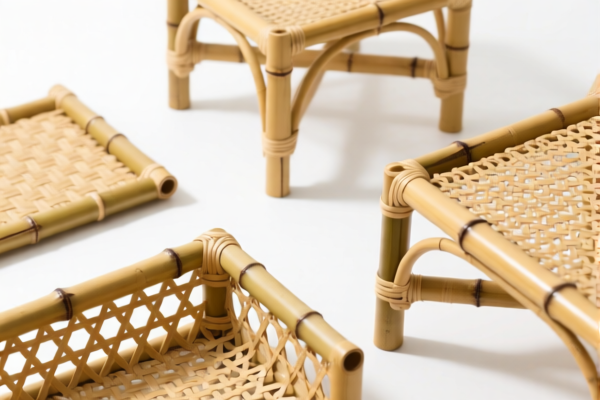
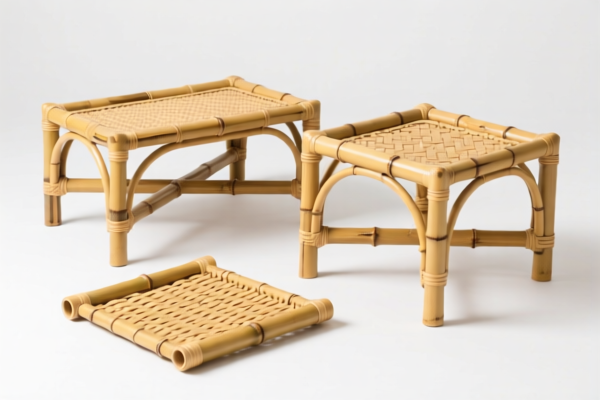
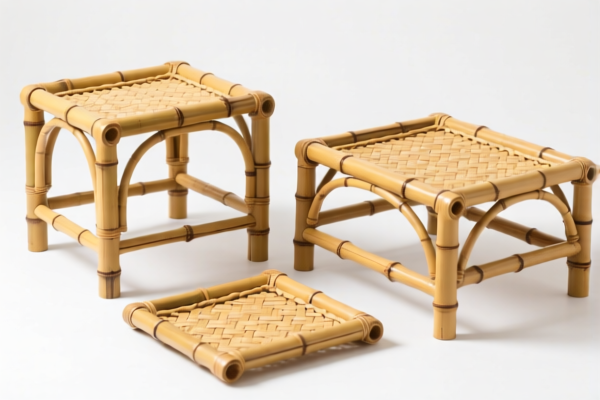
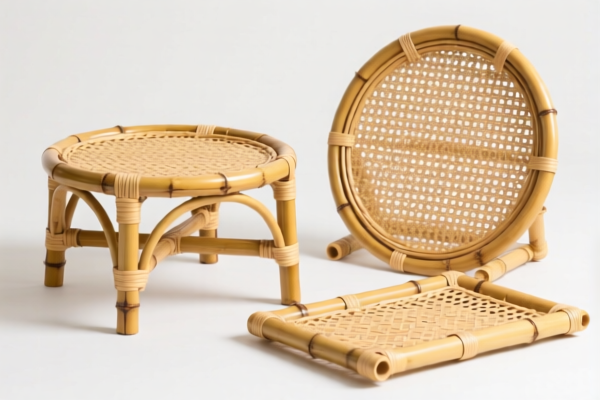
AI Analysis
🎋 Bamboo Woven Furniture Components: HS Code Classification & 2026 Customs Clearance Guide
🌐 HS Code Reference & Clearance Strategy | 2026 Latest Tariff Analysis | Professional-Level Import Guide
📌 I. Product Definition & Classification: Do You Truly Understand "Bamboo Woven Furniture Components"?
Bamboo woven furniture components are intermediate or finished goods used in the assembly of chairs, tables, shelves, and decorative structures. In international trade, they are rarely categorized simply as "furniture." Instead, they fall into specific woven or wooden articles depending on their physical form, weave density, and structural intent.
The critical distinction lies in whether the item is: 1. A specific woven article (like baskets, mats, or decorative screens) → Chapter 46. 2. A wooden/wood-like article (like furniture parts, panels, or mats) → Chapter 44. 3. A floor covering (if used as mats/rugs) → Chapter 57.
⚠️ Key Classification Point:
- If the bamboo is woven into a basket-like or mesh structure (flexible, open weave) → HS 4602.
- If the bamboo is woven into a flat mat, panel, or rigid furniture part (semi-rigid or structured) → HS 4421.
- If the item is primarily a floor mat/rug made of bamboo fibers → HS 5705.
📦 II. HS Code Classification Details (2026 Latest Tariff Authority Mapping)
| HS Code | Product Description | Application Scenario | Weave/Structure Type |
|---|---|---|---|
4602.11.45.00 |
Bamboo woven articles, conforming to bamboo woven shape | Flexible woven baskets, trays, or loose woven panels | ✅ Open/Loose Weave |
4602.11.07.00 |
Bamboo woven articles, extension of basket/bag class | Basket-like components, woven handles, or mesh inserts | ✅ Basket/Mesh Class |
4421.91.98.80 |
Other bamboo items, mat-like form | Bamboo floor mats, table mats, rigid woven panels | ✅ Flat/Mat Structure |
4421.99.98.80 |
Other wood articles, catch-all for bamboo items | Furniture parts, frames, or non-specified bamboo items | ✅ Rigid/Structural |
5705.00.20.90 |
Textile-like floor coverings, inferred bamboo material | Bamboo fiber rugs, large decorative floor mats | ✅ Floor Covering |
🔍 Critical Reminder:
- HS 4602 is for woven articles (Chapter 46). If the bamboo is woven into a flexible, basket-like shape, this is the primary choice.
- HS 4421 is for wooden articles (Chapter 44). If the bamboo is woven into a rigid panel, mat, or furniture component that retains wood-like properties, use this.
- HS 5705 is only for floor coverings. Do not use this for furniture unless it is specifically a rug/mat.
💰 III. 2026 Latest Tariff Rate Details (Including Surcharges & Policy Add-ons)
✅ Applicable Country: United States (US)
✅ Origin: China (CN)
✅ Effective Date: 2025/2026 (Subject to current trade policies)
🎯 1. 4602.11.45.00 —— Bamboo Woven Articles (Flexible/Loose Weave)
| Item | Detail |
|---|---|
| Base Duty Rate | 6.6% (Ad Valorem) |
| Section 301 Surtax | +25.0% (China-origin goods) |
| Section 122 Surtax | +10.0% (Specific China-origin surcharge) |
| Total Effective Rate | 41.6% |
| Tax Calculation | CIF Value × 41.6% |
| De Minimis Exemption | ❌ Not Eligible |
| Legal Basis Path | USITC:4602.11.45.00 → Section 301: 25% → Section 122: 10% |
📌 Explanation:
- The 25% comes from the Section 301 tariff list for Chinese goods.
- The 10% is an additional surcharge (often referred to as "Section 122" in specific trade contexts for bamboo/textiles).
- Total 41.6% is a high-cost category. Ensure precise documentation of "woven" nature.
🎯 2. 4602.11.07.00 —— Bamboo Woven Articles (Basket/Bag Class)
| Item | Detail |
|---|---|
| Base Duty Rate | 0.0% (Ad Valorem) |
| Section 301 Surtax | +25.0% |
| Section 122 Surtax | +10.0% |
| Total Effective Rate | 35.0% |
| Tax Calculation | CIF Value × 35.0% |
| De Minimis Exemption | ❌ Not Eligible |
| Legal Basis Path | USITC:4602.11.07.00 → Section 301: 25% → Section 122: 10% |
📌 Note:
- This code has a 0% base rate, making it more favorable than4602.11.45.00.
- Applicable if the component resembles a basket, bag, or mesh structure.
- Total 35.0% is still high due to surcharges.
🎯 3. 4421.91.98.80 —— Bamboo Items, Mat-like Form
| Item | Detail |
|---|---|
| Base Duty Rate | 3.3% |
| Section 301 Surtax | +25.0% |
| Section 122 Surtax | +10.0% |
| Total Effective Rate | 38.3% |
| Tax Calculation | CIF Value × 38.3% |
| De Minimis Exemption | ❌ Not Eligible |
| Legal Basis Path | USITC:4421.91.98.80 → Section 301: 25% → Section 122: 10% |
📌 Note:
- If the bamboo component is a mat, placemat, or flat panel, use this code.
- Total 38.3% includes a small base rate (3.3%) plus surcharges.
🎯 4. 4421.99.98.80 —— Other Wood Articles (Catch-all for Bamboo)
| Item | Detail |
|---|---|
| Base Duty Rate | 3.3% |
| Section 301 Surtax | +25.0% |
| Section 122 Surtax | +10.0% |
| Total Effective Rate | 38.3% |
| Tax Calculation | CIF Value × 38.3% |
| De Minimis Exemption | ❌ Not Eligible |
| Legal Basis Path | USITC:4421.99.98.80 → Section 301: 25% → Section 122: 10% |
📌 Note:
- Use this as a fallback for bamboo furniture parts that don't fit other specific codes.
- Total 38.3% is identical to4421.91.98.80.
🎯 5. 5705.00.20.90 —— Bamboo Floor Coverings (Rugs/Mats)
| Item | Detail |
|---|---|
| Base Duty Rate | 3.3% |
| Section 301 Surtax | +25.0% |
| Section 122 Surtax | +10.0% |
| Total Effective Rate | 38.3% |
| Tax Calculation | CIF Value × 38.3% |
| De Minimis Exemption | ❌ Not Eligible |
| Legal Basis Path | USITC:5705.00.20.90 → Section 301: 25% → Section 122: 10% |
📌 Note:
- Only for floor coverings. Misclassification here for furniture parts can lead to customs delays.
🛠️ IV. Customs Clearance Practical Advice (Actionable Pitfall Guide)
✅ 1. Documentation Checklist (Non-negotiable)
| Document | Required | Explanation |
|---|---|---|
| ✅ Product Specification Sheet | ✔️ | Must specify: Material (100% Bamboo), Weave Type, Dimensions, Use (Furniture Part vs. Floor Mat). |
| ✅ Product Photos (Clear) | ✔️ | Show weave pattern, rigidity, and any labels. Must prove it's not a finished chair/table. |
| ✅ Commercial Invoice | ✔️ | Clearly state "Bamboo Woven Furniture Component" or "Bamboo Mat Panel." Avoid vague terms like "Decor." |
| ✅ Packing List | ✔️ | Indicate quantity and weight. Ensure no mixed goods (e.g., bamboo + plastic) without clear separation. |
| ✅ Certificate of Origin | ✔️ | If non-China origin, may qualify for lower tariffs (check FTA agreements). |
✅ 2. Declaration Tips (Key Mantra)
🔥 "Weave Defines Code, Mat vs. Basket, Base Rate Matters, Surcharges Kill Profit!"
| Scenario | Correct Declaration | Incorrect Practice |
|---|---|---|
| Flexible Basket-like Component | 4602.11.07.00 (35.0%) |
Misclassified as 4602.11.45.00 (41.6%) → Extra 6.6% Cost |
| Rigid Furniture Panel/Frame | 4421.99.98.80 (38.3%) |
Misclassified as 4602 → Potential Penalty |
| Bamboo Floor Mat | 5705.00.20.90 (38.3%) |
Misclassified as 4421 → Similar Rate, but Risky |
| Loose Woven Panel | 4602.11.45.00 (41.6%) |
Misclassified as 4602.11.07.00 (35.0%) → Audit Risk |
✅ 3. Special Cases & Mitigation
| Situation | Handling Advice |
|---|---|
| Bamboo + Plastic/Fiber Blends | If <50% bamboo, may shift to Chapter 39 or 57. Check composition. |
| Finished Furniture (Chairs/Tables) | Do not use these codes. Use HS 9403.40 (Wooden Furniture). Rates may differ. |
| Bamboo as Raw Material | If unweaved, use HS 1404.20 (Raw Bamboo). Lower base rate, but still subject to surcharges. |
| De Minimis (Section 321) | ❌ All these codes are denied de minimis exemption. Shipments under $800 may still be taxed or held. |
🌍 V. Global Market Comparison (2026 Overview)
| Country/Region | Recommended HS Code | Base Tariff | Surcharges | Total Rate (China Origin) | Notes |
|---|---|---|---|---|---|
| 🇺🇸 USA | 4602.11.07.00 |
0.0% | +25% +10% | 35.0% | Best for basket-like items |
| 🇪🇺 EU | 4602.11.00 |
6.5% | None | 6.5% | No Section 301/122. Much cheaper! |
| 🇨🇳 China | 4602.11.00 |
10.0% | None | 10.0% | Import duty only |
| 🇬🇧 UK | 4602.11.00 |
5.0% | None | 5.0% | Post-Brexit trade terms |
| 🇨🇦 Canada | 4602.11.00 |
5.0% | None | 5.0% | CUSMA benefits may apply |
📌 Conclusion:
- USA is the most expensive market due to Section 301 and Section 122 surcharges.
- EU, UK, Canada, and China have significantly lower base rates and no punitive surcharges for bamboo woven goods.
- Consider supply chain diversification if exporting primarily to the US.
📌 VI. Common Mistakes & Pitfall Guide (Lessons Learned)
❌ Mistake 1: Declaring bamboo mats as "furniture parts" when they are floor coverings
👉 Consequence: Misclassification. While rates are similar (38.3%), it raises red flags for customs.
❌ Mistake 2: Ignoring the "Woven" vs. "Rigid" distinction
👉 Consequence: If you declare a rigid bamboo panel as 4602 (woven), customs may reject it and reclassify to 4421, causing delays.
❌ Mistake 3: Assuming De Minimis ($800) applies
👉 Consequence: All listed codes are denied de minimis exemption. Even small shipments will be taxed and held for processing.
❌ Mistake 4: Vague Invoice Descriptions ("Bamboo Item")
👉 Consequence: Customs cannot determine the correct code. May lead to 301% penalty for misdeclaration.
✅ Correct Practice:
"Bamboo Woven Basket Component, Open Weave, No Handle, For Furniture Assembly, 100% Natural Bamboo, HS 4602.11.07.00"
🎯 VII. Conclusion: Precision in Classification, Savings in Tariffs
🎯 Remember This Mantra:
🔹 "Basket is 35%, Panel is 38%, Mat is 38%, Rigid is 38%, Woven is 42%."
🔹 "Surcharges are fixed, Base Rate is Key, Declaration Must Be Specific."
📌 Pro Tip:
If your bamboo components are 100% natural and unprocessed, consider HS 1404.20 (Raw Bamboo) if applicable, but ensure they are not "woven articles."
For US imports, calculate the 35%–41.6% cost into your pricing model. Consider transshipment or origin shifting if feasible.
📣 Immediate Action:
📞 Consult a licensed customs broker for pre-classification ruling.
🚀 Ensure your invoice and photos clearly match the chosen HS Code.
💼 Precision prevents penalties!
✨ Expert Clearance Starts with Accurate Classification!
💼 Every Percent Counts in Global Trade!
Customer Reviews
About HS Code Classification
The Harmonized System (HS) is an internationally standardized nomenclature developed by the World Customs Organization (WCO) to classify traded products. Over 200 countries use the HS system as the basis for customs tariffs, trade statistics, and import/export regulations.
Each HS code follows a hierarchical structure:
- Chapter (2 digits) — Broad category of goods (e.g., Chapter 84: Machinery and Mechanical Appliances)
- Heading (4 digits) — More specific grouping within the chapter
- Subheading (6 digits) — Internationally standardized breakdown, used by all WCO member countries
- National subdivisions (8-10 digits) — Country-specific extensions for further classification, such as US HTSUS 10-digit codes
Correct HS code classification is essential for smooth customs clearance, accurate duty payment, and compliance with trade regulations. Misclassification can lead to customs delays, overpayment of duties, or penalties.
When importing from CN to US, the applicable tariff rates may include:
- Most-Favored-Nation (MFN) rate — The standard duty rate applied to WTO members
- General rate — Applied to countries without trade agreements
- Trade remedy duties — Additional tariffs such as Section 301 (anti-dumping), Section 232 (national security), or countervailing duties
The information provided on this page is for reference purposes only. For official classification, please consult with your local customs authority or a licensed customs broker.