Bar Mat
CN → US| HS Code | Tariff Rate | Origin | Destination | Doc |
|---|---|---|---|---|
| 3926904800 | 13.4% | CN | US | Official Doc |
| 3926901000 | 20.9% | CN | US | Official Doc |
| 4016910000 | 37.7% | CN | US | Official Doc |
| 4016990500 | 20.9% | CN | US | Official Doc |
| 4823908000 | 35.0% | CN | US | Official Doc |
| 4823908620 | 35.0% | CN | US | Official Doc |
| 7323999080 | 88.4% | CN | US | Official Doc |
| 7323999040 | 88.4% | CN | US | Official Doc |
| 5903102010 | 35.0% | CN | US | Official Doc |
| 5903102090 | 35.0% | CN | US | Official Doc |
| 6307101020 | 21.6% | CN | US | Official Doc |
| 6307102030 | 22.8% | CN | US | Official Doc |
Product Images
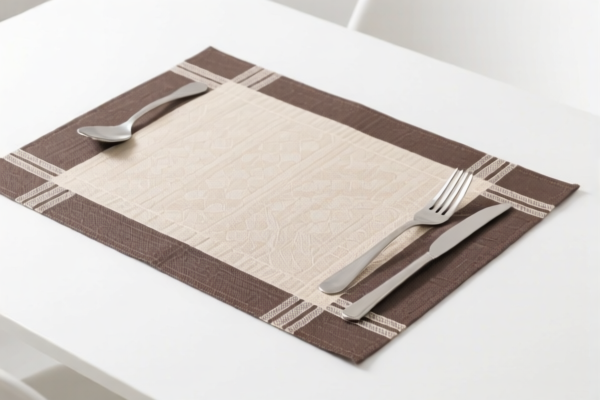
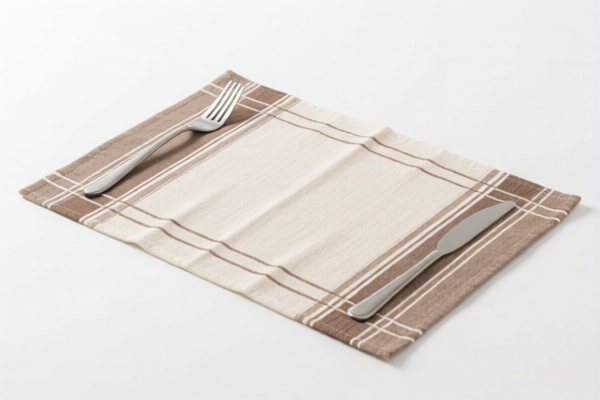
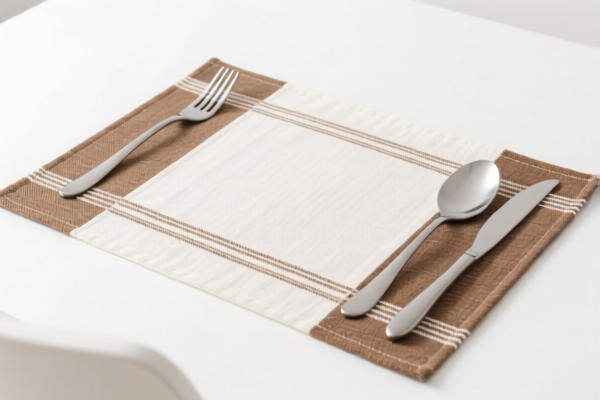
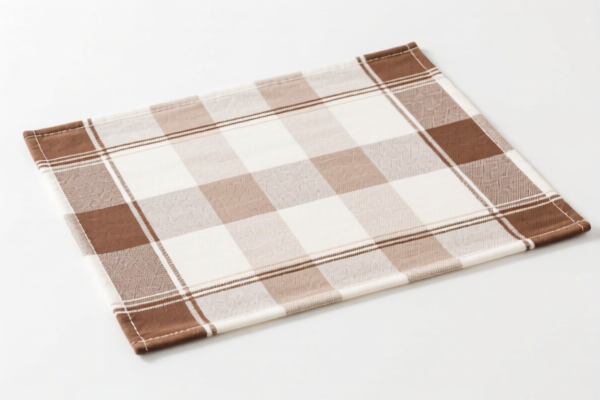
AI Analysis
🍸 Bar Mats (Anti-Fatigue & Drip Mats)
🌐 HS Code Reference & Customs Clearance Guide | 2026 Latest Tariff Analysis | Professional Clearance Strategy
📌 I. Product Definition & Classification: What Exactly is a "Bar Mat"?
In the hospitality and home bar industry, a "Bar Mat" generally refers to two distinct types of products. The classification depends entirely on the material composition and primary function. International trade distinguishes between:
1. Rubber/Vulcanized Rubber Mats:
Used primarily for anti-fatigue comfort for bartenders standing for long hours. These are made of solid rubber, foam rubber, or layered rubber composites.
2. Textile or Absorbent Cleaning Cloths/Mats:
Used for cleaning spills or drying glasses. These are often made of cotton, microfiber, or other textiles, potentially impregnated or coated.
⚠️ Key Distinction Point:
- If the mat is made of vulcanized rubber and designed for floor/foot comfort → Classified under Chapter 40 (Rubber).
- If the mat is made of textile/fabric (cotton/polyester) used for cleaning/wiping → Classified under Chapter 63 (Made-up Articles).
- Note: Plastic mats are less common for "bar mats" in this specific context but would fall under Chapter 39.
📦 II. HS Code Classification Details (2026 Latest Tariff Authority Comparison)
Based on the provided data, here are the precise classifications for Bar Mats:
| HS Code | Product Description | Application Scenario | Material |
|---|---|---|---|
4016.91.00.00 |
Floor coverings and mats of vulcanized rubber other than hard rubber | Anti-fatigue bartender standing mats, rubber bar runner mats | ✅ Vulcanized Rubber |
6307.10.10.20 |
Dustcloths, mop cloths, and polishing cloths (e.g., Bar mops) of cotton | Cotton bar wipes, cleaning rags, specific "Bar Mop" items | ✅ Cotton Textile |
6307.10.20.30 |
Floorcloths, dishcloths, dusters, and similar cleaning cloths (Other) | Other textile-based cleaning mats or cloths not specified above | ✅ Other Textile |
🔍 Critical Reminder:
- Rubber Mats: Must be classified as4016.91.00.00if they meet the definition of "floor coverings and mats." Do not classify as general "other articles of rubber" (4016.99) unless they don't fit the mat definition.
- Textile Mats: If they are purely for cleaning/wiping (like a giant coaster or rag), they fall under 6307.10. If they are decorative textile runners not for cleaning, they might fall under different headings (not listed in this specific dataset, but typically 6307.90 or 5911). Based strictly on the provided data, we focus on 6307.10 for cleaning-related textile items.
💰 III. 2026 Latest Tariff Rate Details (Including Additional Taxes)
✅ Applicable Country: United States (US)
✅ Country of Origin: China (CN)
✅ Effective Time: Current US Trade Policy (Section 301 / IEEPA)
🎯 1. 4016.91.00.00 —— Rubber Floor Mats (Anti-Fatigue)
| Item | Content |
|---|---|
| Base Tariff | 2.7% (Ad Valorem) |
| Additional Tariff (Section 301) | +25.0% (Imposed on Chinese Rubber Articles) |
| Total Tax Rate | 27.7% |
| Tax Calculation | CIF Value × 27.7% |
| Legal Basis | USITC:4016.91.00.00 + Section 301 Footnote |
📌 Explanation:
- The base rate for rubber mats is low (2.7%), but the 25% additional tariff significantly increases the cost.
- This is a standard calculation for rubber goods from China. No de minimis exemption for high-value shipments, but small parcels may still qualify depending on CBP enforcement intensity.
🎯 2. 6307.10.10.20 —— Cotton Bar Mops / Polishing Cloths
| Item | Content |
|---|---|
| Base Tariff | 0.0% |
| Additional Tariff | 0.0% |
| Total Tax Rate | 0.0% |
| Tax Calculation | FREE |
| Legal Basis | USITC:6307.10.10.20 |
📌 Note:
- This specific subheading for cotton bar mops has zero tariff. This is a highly favorable classification for textile-based cleaning products.
- Ensure the product is specifically identifiable as a "Bar Mop" or similar cleaning cloth.
🎯 3. 6307.10.20.30 —— Other Cleaning Cloths/Mats
| Item | Content |
|---|---|
| Base Tariff | 0.0% |
| Additional Tariff | 0.0% |
| Total Tax Rate | 0.0% |
| Tax Calculation | FREE |
| Legal Basis | USITC:6307.10.20.30 |
📌 Note:
- Other textile cleaning mats/cloths also enjoy 0% total tax.
- Strategy Tip: If your "bar mat" is fabric/cotton/microfiber and used for cleaning, classify here to save 27.7% compared to the rubber alternative.
🛠️ IV. Customs Clearance Practical Advice (Real-World Pitfall Avoidance)
✅ 1. Essential Documentation Checklist (Must-Have)
| Document | Required | Description |
|---|---|---|
| ✅ Product Specification Sheet | ✔️ | Clearly state material (e.g., "100% Vulcanized Rubber" vs. "100% Cotton"). |
| ✅ Material Composition Certificate | ✔️ | Crucial for distinguishing between Rubber (Ch 40) and Textile (Ch 63). |
| ✅ Product Photos | ✔️ | Show texture, thickness, and packaging. Rubber looks distinct from fabric. |
| ✅ Commercial Invoice | ✔️ | Description should be precise: "Rubber Anti-Fatigue Mat" or "Cotton Bar Cleaning Cloths". |
| ✅ Packing List | ✔️ | List quantities and weights accurately. |
✅ 2. Declaration Tips (Key Mantra)
🔥 "Material Defines Code: Rubber = 27.7%, Cotton = 0%!"
| Scenario | Correct Declaration | Wrong Practice |
|---|---|---|
| Rubber Anti-Fatigue Mat | 4016.91.00.00 "Rubber Floor Mat, Anti-Fatigue" |
Classifying as "Textile Mat" → Customs Rejection/Fine |
| Cotton Bar Wipe/Rag | 6307.10.10.20 or 6307.10.20.30 "Cotton Bar Cloth" |
Classifying as "Rubber" → Overpayment |
| Mixed Material (e.g., Rubber Base + Fabric Top) | Analyze essential character. If rubber provides structural integrity → 4016.91.00.00. | Splitting shipment → Complicated Inspection |
✅ 3. Special Cases Handling
| Case | Handling Advice |
|---|---|
| "Luxury" Rubber Mats with Logo | If the rubber constitutes the essential character, still 4016.91.00.00. The logo doesn't change the material classification. |
| Microfiber "Bar Mats" (Not Cotton) | If not cotton, check 6307.10.20.30 ("Other"). Still 0% tax based on provided data. Verify if "man-made fibers" fall under the same 0% bucket in your specific tariff schedule. |
| Shoe Covers (Booties) | If the "bar mat" is actually a disposable cover for shoes (hygiene), see 4823.90.86.20 (Paper) or other chapters. Not 27.7%. |
🌍 V. Global Market Comparison (2026 Latest)
| Country/Region | Recommended HS Code | Tariff Rate | Notes |
|---|---|---|---|
| 🇺🇸 USA (China Origin) | 4016.91.00.00 (Rubber) |
27.7% | High tax due to Section 301. |
| 🇺🇸 USA (China Origin) | 6307.10.xxxx (Textile) |
0.0% | Best Strategy if material allows. |
| 🇨🇳 China | 4016.91.00 |
Low (Check local) | Import tax for domestic production. |
| 🇪🇺 EU | 4016.91 |
~1.7% + VAT | No Section 301 equivalent. |
📌 Conclusion:
- For US Imports from China, the material choice is critical.
- If you can design a bar mat using textile materials (cotton, polyester, microfiber) that still meet functional requirements (absorbency, non-slip backing), classify under 6307.10 to save 27.7% in tariffs.
- If the product must be rubber (for durability/anti-fatigue), budget for the 27.7% duty.
📌 VI. Common Errors & Pitfall Guide (Lessons Learned)
❌ Error 1: Calling a rubber mat "Bar Cloth" to avoid tariff.
👉 Consequence: Customs will inspect the material. If it's rubber, they will reclassify and charge 27.7% + Penalties.
❌ Error 2: Using vague description "Bar Accessory".
👉 Consequence: CBP may assign a default duty rate or hold shipment for classification review.
❌ Error 3: Confusing "Bar Mats" with "Shoe Covers".
👉 Consequence: Shoe covers (4823.90.86.20) have 25% tax (not 0%), while textile cloths (6307.10) have 0%. Misclassification leads to over/under-payment.
✅ Correct Practice:
Rubber: "Vulcanized Rubber Anti-Fatigue Floor Mat for Bar Use" →
4016.91.00.00(27.7%)
Textile: "Cotton/Microfiber Bar Cleaning Cloth/Mat" →6307.10.20.30(0.0%)
🎯 VII. Conclusion: Professional Declaration, Cost Optimization!
🎯 Remember the Mantra:
🔹 "Rubber Mats Pay 27.7%, Textile Mats Pay ZERO!"
🔹 "Material is King: Check the Composition First!"
🔹 "HS Code Determines Profit: 27.7% Difference is Huge!"
📌 Pro Tip:
If your bar mats are composite materials (e.g., rubber bottom, fabric top), consult a customs broker to determine the Essential Character. Often, the rubber bottom dictates the classification under Chapter 40, triggering the higher duty. Pure textile mats are the tax-optimized choice.
📣 Immediate Action:
📞 Review your product specs: Is it rubber or fabric?
📝 Update your commercial invoice: Use precise HS Code descriptions.
🚀 Save 27.7%: Switch to textile materials if functionally possible!
✨ Professional Customs Clearance Starts with Accurate Classification!
💼 Your profit margin depends on the right HS Code!
Customer Reviews
About HS Code Classification
The Harmonized System (HS) is an internationally standardized nomenclature developed by the World Customs Organization (WCO) to classify traded products. Over 200 countries use the HS system as the basis for customs tariffs, trade statistics, and import/export regulations.
Each HS code follows a hierarchical structure:
- Chapter (2 digits) — Broad category of goods (e.g., Chapter 84: Machinery and Mechanical Appliances)
- Heading (4 digits) — More specific grouping within the chapter
- Subheading (6 digits) — Internationally standardized breakdown, used by all WCO member countries
- National subdivisions (8-10 digits) — Country-specific extensions for further classification, such as US HTSUS 10-digit codes
Correct HS code classification is essential for smooth customs clearance, accurate duty payment, and compliance with trade regulations. Misclassification can lead to customs delays, overpayment of duties, or penalties.
When importing from CN to US, the applicable tariff rates may include:
- Most-Favored-Nation (MFN) rate — The standard duty rate applied to WTO members
- General rate — Applied to countries without trade agreements
- Trade remedy duties — Additional tariffs such as Section 301 (anti-dumping), Section 232 (national security), or countervailing duties
The information provided on this page is for reference purposes only. For official classification, please consult with your local customs authority or a licensed customs broker.