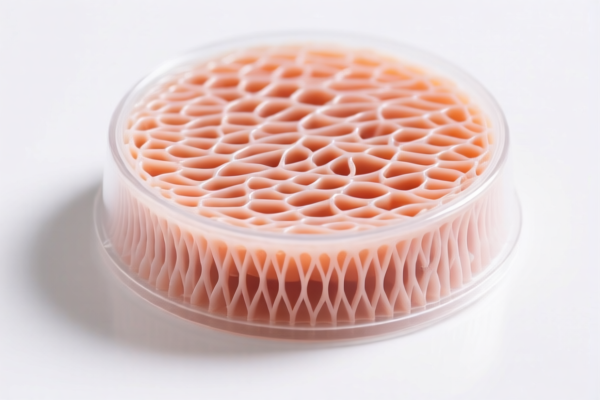
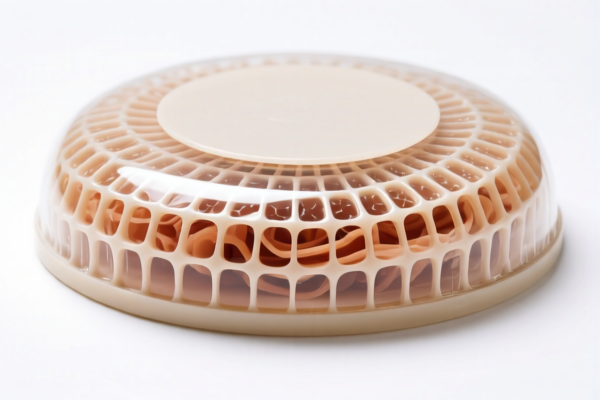
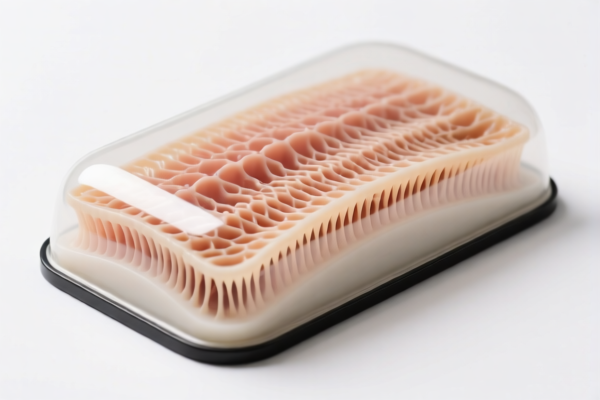
Bard Membrane Cover
CN → US| HS Code | Tariff Rate | Origin | Destination | Doc |
|---|---|---|---|---|
| 4014905000 | 14.2% | CN | US | Official Doc |
| 4014901000 | 10.0% | CN | US | Official Doc |
| 3926909989 | 22.8% | CN | US | Official Doc |
| 3926904510 | 38.5% | CN | US | Official Doc |
| 9018390040 | 10.0% | CN | US | Official Doc |
| 9018199560 | 35.0% | CN | US | Official Doc |
Product Images
AI Analysis
🛡️ Bard Membrane Cover (Surgical/Medical Mesh)
🌐 HS Code Reference & Customs Clearance Guide | 2026 Latest Tariff Analysis | Professional Clearance Strategy
📌 I. Product Definition & Classification: Do You Really Understand "Bard Membrane Cover"?
The Bard Membrane Cover (commonly referring to Surgical Mesh, Peritoneal Barrier, or Biological/Composite Grafts used in hernia repair, pelvic organ prolapse, and soft tissue reconstruction) is a critical medical implant. In international trade, it is NOT classified as simple rubber goods or plastic gaskets. It falls under Chapter 90 (Medical Instruments) due to its specialized function in surgery.
⚠️ Critical Distinction:
- If the product is a surgical implant (mesh, membrane, graft) used in medical operations → Chapter 90 (9018)
- If the product is a general rubber gasket/seal (non-medical, industrial) → Chapter 40 (4014) or Chapter 39 (3926)
- ❗ Warning: Many traders mistakenly classify medical mesh as "Rubber Articles" (4014) or "Plastic Seals" (3926). This is a high-risk error that leads to duty penalties and cargo detention.
📦 II. HS Code Classification Details (2026 Latest Tariff Authority Comparison)
Based on the provided <DATA>, here is the correct mapping for Bard Membrane Cover vs. common misclassifications.
| HS Code | Product Description | Application Scenario | Is it Medical? | Duty Risk |
|---|---|---|---|---|
9018.39.00.40 |
Catheters, cannulae, bougies, drains, and sondes (Other medical/surgical instruments) | ✅ CORRECT: Surgical meshes, membranes, and implants used in hernia repair or tissue separation. | ✅ YES | 0.0% |
4014.90.50.00 |
Hygienic/pharmaceutical articles of vulcanized rubber (Other) | ❌ WRONG: General rubber gloves, nursing nipples, or non-surgical rubber sheets. | ❌ NO | 0.0% |
3926.90.45.10 |
Gaskets, washers, seals, O-Rings (Plastics) | ❌ WRONG: Industrial seals, plumbing gaskets, or non-medical plastic rings. | ❌ NO | 0.0% |
3926.90.99.89 |
Other plastic articles (Other) | ❌ WRONG: Generic plastic components not fitting specific medical or seal categories. | ❌ NO | 12.8% |
9018.19.95.60 |
Electro-diagnostic apparatus parts | ❌ WRONG: Electronic diagnostic devices (e.g., ECG machines), not physical implants. | ✅ YES (Wrong Category) | 25.0% |
🔍 Key Insight:
- Bard Membrane Covers are surgical implants used to reinforce tissue or prevent adhesions. They are medical devices.
- They do NOT fit "Nursing Nipples" (4014.90.10.00) or "Hygienic Articles" (4014.90.50.00).
- They are NOT "Gaskets/Seals" (3926.90.45.10) unless explicitly marketed for industrial sealing (rare for Bard brand).
- Correct Classification:9018.39.00.40(Other bougies, catheters, drains, sondes, and parts/accessories). While "mesh" isn't explicitly named, it falls under "medical instruments used in surgical sciences" or related accessories.
💰 III. 2026 Latest Tariff Rate Breakdown (Including Additional Duties & Policies)
✅ Applicable Country: United States (US)
✅ Origin: China (CN)
✅ Effective Date: 2025-11-10 (Including subsequent imports)
🎯 1. 9018.39.00.40 —— Surgical Implants/Membranes (Correct Classification)
| Item | Content |
|---|---|
| Base Tariff | 0.0% (ad valorem) |
| USITC Additional Duty | 0.0% |
| IEEPA Additional Duty | 0.0% |
| Total Tax Rate | 0.0% |
| Tax Calculation | CIF Value × 0.0% = $0 |
| De Minimis Eligibility | ✅ Yes (if under $800, though medical devices often require full entry) |
| Legal Basis Path | HTSUS:9018.39.00.40 |
📌 Explanation:
- Medical instruments and surgical implants often enjoy 0% base duty under Chapter 90.
- Crucially, they are EXEMPT from the 25% USITC Section 301 tariffs and the 10% IEEPA surcharges that apply to many other Chinese imports.
- Total Cost Impact: Zero Additional Tariff. This is a massive advantage over misclassified goods.
🚫 Contrast: Incorrect Classification Risks
| Misclassified HS Code | Description | Total Tax | Risk Level |
|---|---|---|---|
3926.90.99.89 |
Other Plastic Articles | 12.8% (5.3% Base + 7.5% Additional) | ⚠️ High |
9018.19.95.60 |
Diagnostic Apparatus Parts | 25.0% (0% Base + 25% Additional) | 🔥 Critical |
4014.90.50.00 |
Rubber Articles (Non-Medical) | 0.0% | ⚠️ Moderate (Risk of Re-classification Penalty) |
📌 Warning:
- If you declareBard Membrane Coveras3926.90.99.89, you pay 12.8% + risk of penalty for misdeclaration.
- If you declare it as9018.19.95.60(electronic parts), you pay 25.0% + penalty.
- Correct Declaration (9018.39.00.40) saves you 12.8%–25.0% in duties.
🛠️ IV. Customs Clearance Practical Advice (Real-World Pitfall Avoidance)
✅ 1. Preparation Checklist (Must-Have Documents)
| Document | Mandatory? | Purpose |
|---|---|---|
| ✅ FDA 510(k) Clearance or Exemption Letter | ✔️ YES | Proves the item is a legally marketed medical device in the US. |
| ✅ Product Specification Sheet | ✔️ YES | Clearly states: "Surgical Mesh," "Peritoneal Barrier," "Material: Polypropylene/Polytetrafluoroethylene." |
| ✅ Labeling & Packaging Photos | ✔️ YES | Show CE/FDA marks, Lot Number, Expiry Date, and "Sterile" status. |
| ✅ Certificate of Origin (CO) | ✔️ YES | To confirm China origin (though duty is 0%, CO is still required for trade policy). |
| ✅ Commercial Invoice | ✔️ YES | Must describe as "Surgical Implant / Mesh" not "Rubber Sheet" or "Plastic Seal." |
✅ 2. Declaration Strategy (Key Mantra)
🔥 "Medical Device, Not Rubber or Plastic!"
| Scenario | Correct Declaration | Wrong Declaration | Consequence |
|---|---|---|---|
| Bard Hernia Mesh | 9018.39.00.40 - "Surgical Implant/Mesh" |
4014.90.50.00 - "Rubber Sheet" |
Audit Risk: FDA may block entry if FDA registration not aligned. |
| Bard Peritoneal Barrier | 9018.39.00.40 - "Surgical Membrane" |
3926.90.45.10 - "Plastic Gasket" |
Duty Loss: You pay 0% correctly, but if audited, back-taxes + penalties. |
| General Medical Rubber Tubing | 9018.39.00.40 |
4014.90.50.00 |
Low Risk: Both are 0%, but FDA rules still apply to medical rubber. |
✅ 3. Special Considerations
| Situation | Handling Advice |
|---|---|
| Sterile vs. Non-Sterile | Sterile devices require stricter FDA documentation. Ensure "Sterile" is stated on invoice. |
| Brand Name "Bard" | Bard is a well-known medical brand. Using the brand name helps identify it as a medical device, not a generic industrial part. |
| Accessory vs. Device | If selling "mesh applicators" separately, ensure they are classified correctly (often still 9018 if for surgical use). |
| Import License | Some medical devices require an Establishment Registration Number (FDA). Ensure your US Agent has this number on the entry summary. |
🌍 V. Global Market Clearance Comparison (2026 Latest)
| Country/Region | Recommended HS Code | Duty Rate | Certification Required | Note |
|---|---|---|---|---|
| 🇺🇸 USA | 9018.39.00.40 |
0.0% | FDA 510(k) | Best for Medical Implants |
| 🇪🇺 EU | 9021.40.00 (Orthopedic) or 9021.90.00 |
0.0% | CE Marking, MD | Similar 0% duty, but CE critical. |
| 🇨🇳 China | 9018.39.00 |
0.0% | NMPA Registration | Import requires Chinese medical license. |
| 🇬🇧 UK | 9018.39.00 |
0.0% | UKCA Marking | Post-Brexit rules apply. |
📌 Conclusion:
- USA is highly favorable for medical devices with 0% tariff.
- Misclassification is the biggest risk, not duty cost.
- Always declare as Medical Device to avoid Section 301 tariffs.
📌 VI. Common Errors & Pitfall Guide (Lessons Learned)
❌ Error 1: Declaring "Bard Mesh" as "Rubber Gasket" (4014.90.50.00)
👉 Consequence: While duty is 0%, FDA will reject shipment because rubber gaskets are not medical devices. Your cargo will be detained for lack of FDA registration.
❌ Error 2: Declaring as "Plastic Seal" (3926.90.45.10)
👉 Consequence: 0% duty, but FDA rejection. Also, if audited, CBP may reclassify as general plastic (3926.90.99.89) → 12.8% back tax + penalty.
❌ Error 3: Declaring as "Electronic Device Part" (9018.19.95.60)
👉 Consequence: 25% duty + FDA rejection. Double Penalty.
❌ Error 4: Vague Description: "Plastic Sheet"
👉 Consequence: Customs will query the entry, delaying clearance by weeks.
✅ Correct Practice:
"Bard Permacast Synthetic Mesh, Surgical Implant, Sterile, 15cm x 10cm, for Hernia Repair, FDA Cleared, Lot #12345"
🎯 VII. Conclusion: Precision Classification Saves Time & Money!
🎯 Remember the Mantra:
🔹 "Medical Implant = Chapter 90"
🔹 "0% Duty, But FDA is King"
🔹 "Don't Call it Rubber, Call it Mesh"
📌 Pro Tip:
- If you are importing Bard or Ethicon mesh, ensure your FDA Establishment Registration is active.
- Always include FDA 510(k) Number on the Commercial Invoice.
- Use HS Code 9018.39.00.40 as your primary classification for surgical meshes/membranes.
📣 Immediate Action:
📞 Contact your Customs Broker + Provide FDA Clearance Docs + Declare as
9018.39.00.40
🚀 Ensure smooth, fast, and 0% duty clearance for your Bard Membrane Covers!
✨ Professional Clearance, Starts with Accurate Classification!
💼 Your Medical Devices Deserve the Right Code!
Customer Reviews
About HS Code Classification
The Harmonized System (HS) is an internationally standardized nomenclature developed by the World Customs Organization (WCO) to classify traded products. Over 200 countries use the HS system as the basis for customs tariffs, trade statistics, and import/export regulations.
Each HS code follows a hierarchical structure:
- Chapter (2 digits) — Broad category of goods (e.g., Chapter 84: Machinery and Mechanical Appliances)
- Heading (4 digits) — More specific grouping within the chapter
- Subheading (6 digits) — Internationally standardized breakdown, used by all WCO member countries
- National subdivisions (8-10 digits) — Country-specific extensions for further classification, such as US HTSUS 10-digit codes
Correct HS code classification is essential for smooth customs clearance, accurate duty payment, and compliance with trade regulations. Misclassification can lead to customs delays, overpayment of duties, or penalties.
When importing from CN to US, the applicable tariff rates may include:
- Most-Favored-Nation (MFN) rate — The standard duty rate applied to WTO members
- General rate — Applied to countries without trade agreements
- Trade remedy duties — Additional tariffs such as Section 301 (anti-dumping), Section 232 (national security), or countervailing duties
The information provided on this page is for reference purposes only. For official classification, please consult with your local customs authority or a licensed customs broker.