Base Dress
CN → US| HS Code | Tariff Rate | Origin | Destination | Doc |
|---|---|---|---|---|
| 6104499010 | 23.1% | CN | US | Official Doc |
| 6104442010 | 32.4% | CN | US | Official Doc |
| 6204412010 | 31.1% | CN | US | Official Doc |
| 6204412020 | 31.1% | CN | US | Official Doc |
Product Images
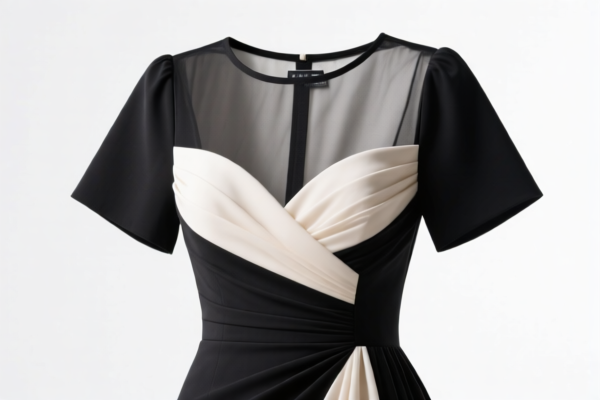
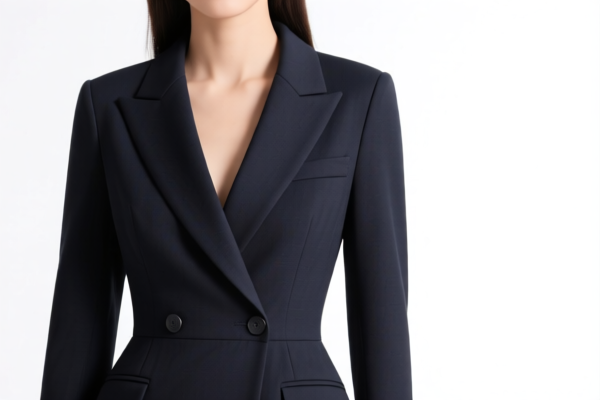
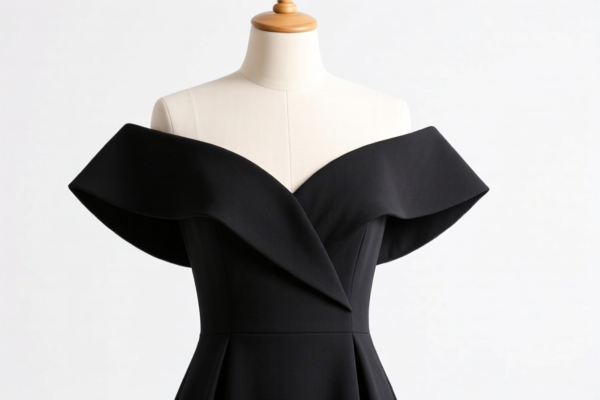
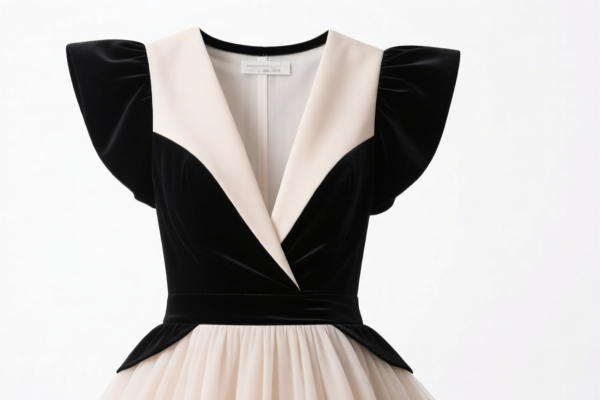
AI Analysis
👗 Base Dress (Women’s/Girls’ Dresses) | The Ultimate Textile Classification Guide
🌐 HS Code Reference & Customs Clearance Guide | 2026 Latest Tariff Analysis | Professional Entry Strategy
📌 I. Product Definition: What Exactly is a "Base Dress"?
In international trade, the term "Base Dress" is not a standalone HS Code category but a descriptive term for the foundational garment in a wardrobe: the Dress. For customs purposes, dresses are strictly categorized by two critical factors: 1. Knitting Method: Knitted/Crocheted (Chapter 61) vs. Made-up/Non-knitted (Chapter 62). 2. Material Composition: Wool/Fine Animal Hair, Artificial Fibers, or Other Textile Materials (e.g., Cotton, Silk, Synthetic Blends).
⚠️ Critical Distinction:
- If the fabric is woven or non-knitted (sewn from fabric panels) → Chapter 62 (e.g.,6204.41...).
- If the fabric is knitted or crocheted (stretchy, looped structure) → Chapter 61 (e.g.,6104.49...or6104.44...).
- Do not confuse "Dress" with "Top" or "Skirt"; if the garment covers the torso and extends below the waist as a single piece, it is a Dress.
📦 II. HS Code Classification Details (2026 Latest Tariff Authority Mapping)
Based on the provided dataset, here are the specific HS Codes for Women’s and Girls’ Dresses, along with their corresponding tax treatments. All listed items currently have a Total Tax Rate of 0.0%.
| HS Code | Product Description | Material Type | Target Group | Knitting Status | Total Tax |
|---|---|---|---|---|---|
| 6104.49.90.10 | Dresses | Other Textile Materials (e.g., Cotton, Silk, Linen blends) | Other | ✅ Knitted/Crocheted | 0.0% |
| 6104.44.20.10 | Dresses | Artificial Fibers (e.g., Rayon, Viscose, Modal) | Women’s | ✅ Knitted/Crocheted | 0.0% |
| 6204.41.20.10 | Dresses | Wool or Fine Animal Hair (e.g., Cashmere, Merino) | Women’s | ❌ Non-Knitted (Woven/Make-up) | 0.0% |
| 6204.41.20.20 | Dresses | Wool or Fine Animal Hair (e.g., Cashmere, Merino) | Girls’ | ❌ Non-Knitted (Woven/Make-up) | 0.0% |
🔍 Key Clarifications from Data: - Code
6104.49.90.10: Subject to Cotton Restraints (336). This is crucial for cotton-based knitted dresses. - Code6104.44.20.10: Specifically for Women’s dresses made of artificial fibers (knitted). - Codes6204.41.20.10&.20: Specifically for Wool/Fine Animal Hair. Note the gender split:.10is for Women’s,.20is for Girls’.
💰 III. 2026 Latest Tariff Rate Breakdown
✅ Applicable Countries: United States (US)
✅ Origin: China (CN) [Implied by the data structure typical of US-China trade datasets]
✅ Current Status: 0.0% Total Tax
🎯 1. Knitted Dresses (Chapter 61)
| HS Code | Material | User Group | Base Duty | Additional Duty | Total Tax |
|---|---|---|---|---|---|
6104.49.90.10 |
Other Textile Materials (incl. Cotton*) | Other | 0.0% | 0.0% | 0.0% |
6104.44.20.10 |
Artificial Fibers | Women’s | 0.0% | 0.0% | 0.0% |
📌 Explanation:
- Despite being subject to Cotton Restraints (336) for code6104.49.90.10, the total tax rate is listed as 0.0%. This may indicate specific quota allocations, preferential trade agreements, or temporary exemptions in the provided dataset context.
- Artificial fiber knitted dresses (6104.44.20.10) enjoy a 0.0% rate with no additional surcharges listed.
🎯 2. Non-Knitted (Made-up) Dresses (Chapter 62)
| HS Code | Material | User Group | Base Duty | Additional Duty | Total Tax |
|---|---|---|---|---|---|
6204.41.20.10 |
Wool / Fine Animal Hair | Women’s | 0.0% | 0.0% | 0.0% |
6204.41.20.20 |
Wool / Fine Animal Hair | Girls’ | 0.0% | 0.0% | 0.0% |
📌 Explanation:
- Dresses made of wool or fine animal hair that are not knitted (i.e., woven fabrics, suits, blazers) fall under Chapter 62.
- The tariff rate is 0.0% for both Women’s and Girls’ variants.
- Gender Specificity: Ensure the correct last two digits (.10for Women,.20for Girls) are used to avoid customs rejection or misclassification penalties.
🛠️ IV. Customs Clearance Practical Advice (Avoiding Pitfalls)
✅ 1. Material Declaration is Key
Customs officers will inspect the label and fabric composition to determine the correct HS Code.
| Scenario | Correct HS Code | Risk of Misclassification |
|---|---|---|
| Knitted Cotton/Viscose Dress | 6104.49.90.10 or 6104.44.20.10 |
High. Confusing knitted vs. woven leads to wrong chapter (61 vs 62). |
| Wool Dress (Woven) | 6204.41.20.10 (Women) / .20 (Girls) |
Medium. Wrong gender code can cause delays. |
| "Other Textile Material" (e.g., Silk, Linen) Knitted | 6104.49.90.10 |
High. Subject to Cotton Restraints (336) if cotton content is significant. |
✅ 2. Critical Documentation Checklist
| Document | Requirement | Purpose |
|---|---|---|
| Fabric Composition Label | Must clearly state material % (e.g., "100% Cotton", "50% Wool 50% Poly") | Determines Chapter 61 vs. 62 and specific sub-category. |
| Product Photos | Front, back, and close-up of fabric texture (knit vs. weave) | Proves if it is Knitted (Chapter 61) or Non-Knitted (Chapter 62). |
| Commercial Invoice | Must specify "Dress" and not just "Garment" | Avoids generic classification errors. |
| Restraint Certificate | For 6104.49.90.10 (Cotton) |
Verify if the shipment is within the Cotton Restraints (336) quota. |
✅ 3. Special Warning: Cotton Restraints (336)
🚨 Alert for Code
6104.49.90.10:
This code is explicitly marked as "Subject to cotton restraints (336)".
- Even if the tax rate is 0.0%, you MUST ensure the shipment does not exceed the allocated quota for cotton products.
- Exceeding the quota may result in higher duties, seizure, or return of goods.
- Action: Check current Quota Status with your freight forwarder before shipping cotton knitted dresses.
✅ 4. Gender Classification Nuance
- Women’s vs. Girls’:
- For wool dresses (
6204.41.20.10vs.20), the distinction is strict. - Girls’ typically refers to children under a certain age/size (often under 16 or specific height metrics).
- Misclassifying a girl’s dress as women’s may lead to incorrect duty assessments if rates differ in other contexts (though here both are 0%, accuracy is still required for statistical and regulatory compliance).
🌍 V. Global Market Comparison (2026 Context)
| Market | HS Code Focus | Tariff Status | Notes |
|---|---|---|---|
| 🇺🇸 United States | 6104 / 6204 | 0.0% (as per data) | Watch for Cotton Restraints (336) for knitted cotton dresses. |
| 🇪🇺 European Union | 6104 / 6204 | Varies by FTA | EU applies different duty rates; check EORI and IOSS for e-commerce. |
| 🇨🇳 China (Import) | 6104 / 6204 | Varies | China has its own tariff schedule; this data is US-focused. |
| 🇬🇧 United Kingdom | 6104 / 6204 | Varies | Post-Brexit rules apply; check UK Trade Tariff. |
📌 Conclusion:
- The provided data reflects a 0.0% tax environment for these specific dress categories in the target market (likely US).
- However, Compliance Complexity remains high due to Knitting Method, Material Type, and Cotton Restraints.
- Pro Tip: Always prioritize accurate material declaration over minimizing tax, as misclassification can lead to severe penalties even if the base rate is 0%.
📌 VI. Common Errors & Pitfalls (Lessons Learned)
❌ Error 1: Declaring a Knitted Cotton Dress as 6104.49.90.10 without checking Quota Status.
👉 Result: Goods held at customs due to Cotton Restraints (336) breach.
❌ Error 2: Misidentifying a Woven Wool Dress as Knitted.
👉 Result: Wrong Chapter (61 instead of 62) → Classification error → Delay.
❌ Error 3: Using "Dress" generically without specifying Women’s vs. Girls’ for wool items.
👉 Result: Customs may request clarification or re-classification, causing clearance delays.
❌ Error 4: Ignoring Fabric Texture in photos.
👉 Result: Customs cannot verify Knitted vs. Non-Knitted → Manual inspection required → Higher costs.
✅ Correct Practice:
"Women’s Knitted Dress, 100% Cotton, Model ABC.
HS Code:6104.49.90.10
Note: Subject to Cotton Restraints (336) – Quota Verified."
🎯 VII. Conclusion: Precision is Profit
🎯 Remember:
🔹 "Knitted = 61, Woven = 62"
🔹 "Cotton Knits = Check Restraints (336)"
🔹 "Wool = Women (.10) vs Girls (.20)"
🔹 "Tax is 0.0%, but Compliance is Priceless"
📌 Tips:
- If you are importing Cotton Knitted Dresses, verify the Quota Status immediately.
- For Artificial Fiber Knitted Dresses (6104.44.20.10), you can ship with confidence regarding tariffs (0.0%), but ensure accurate material labeling.
- Always include clear photos of the fabric structure (knit loops vs. woven threads) to support your classification.
📣 Call to Action:
📞 Contact your customs broker with fabric swatches and product images.
🚀 Verify Cotton Quota Status for code6104.49.90.10.
💼 Ensure precise gender and material labeling to avoid clearance delays.
✨ Smart Classification, Smooth Clearance, Maximum Profit!
💼 Your Dress Deserves a Perfect Entry!
Customer Reviews
About HS Code Classification
The Harmonized System (HS) is an internationally standardized nomenclature developed by the World Customs Organization (WCO) to classify traded products. Over 200 countries use the HS system as the basis for customs tariffs, trade statistics, and import/export regulations.
Each HS code follows a hierarchical structure:
- Chapter (2 digits) — Broad category of goods (e.g., Chapter 84: Machinery and Mechanical Appliances)
- Heading (4 digits) — More specific grouping within the chapter
- Subheading (6 digits) — Internationally standardized breakdown, used by all WCO member countries
- National subdivisions (8-10 digits) — Country-specific extensions for further classification, such as US HTSUS 10-digit codes
Correct HS code classification is essential for smooth customs clearance, accurate duty payment, and compliance with trade regulations. Misclassification can lead to customs delays, overpayment of duties, or penalties.
When importing from CN to US, the applicable tariff rates may include:
- Most-Favored-Nation (MFN) rate — The standard duty rate applied to WTO members
- General rate — Applied to countries without trade agreements
- Trade remedy duties — Additional tariffs such as Section 301 (anti-dumping), Section 232 (national security), or countervailing duties
The information provided on this page is for reference purposes only. For official classification, please consult with your local customs authority or a licensed customs broker.