Baseball Batting Glove
CN → US| HS Code | Tariff Rate | Origin | Destination | Doc |
|---|---|---|---|---|
| 6116100800 | 20.3% | CN | US | Official Doc |
| 6216000800 | 18.3% | CN | US | Official Doc |
| 6116930800 | 20.3% | CN | US | Official Doc |
| 4203212000 | 38.0% | CN | US | Official Doc |
| 4203214000 | 35.0% | CN | US | Official Doc |
| 6216004600 | 20.3% | CN | US | Official Doc |
Product Images
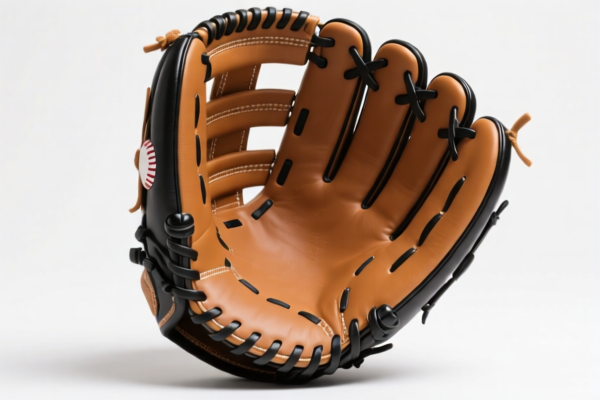
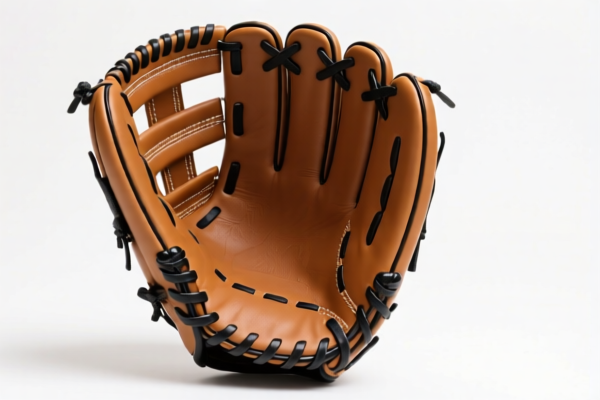
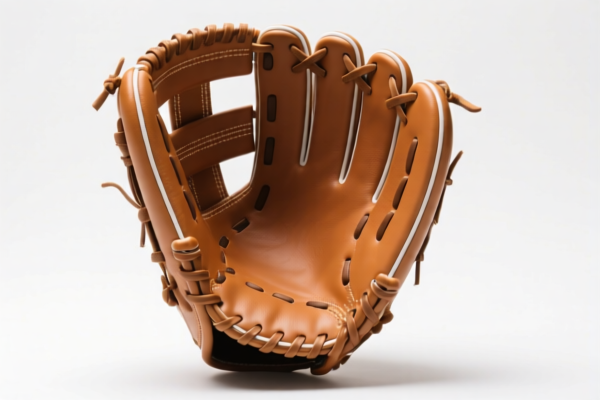

AI Analysis
🎯 Baseball Batting Glove (Left-Handed) – HS Code & Tariff Guide 2026 | Full Customs Clearance Breakdown
🌐 HS Code Classification & Duty Strategy | 2026 Updated Tariff Rules | Pro-Level Import Advice
📦 I. Product Definition & Classification: What Is a Baseball Batting Glove?
A baseball batting glove is a specialized hand protection accessory worn by batters to improve grip, reduce vibration, and protect the hand during swings. While primarily used in sports, its classification in international trade depends on material composition, structure, and functional design.
⚠️ Key Distinction: - If made of leather or synthetic leather with coating or functional layering, it may fall under leather goods or sporting goods. - If constructed from textile/fiber materials, it may be classified under knitted or woven garments. - Left-handed designation is not a determining factor for HS code, but helps confirm intended use.
🔍 II. HS Code Breakdown (2026 Tariff Authority – US Customs & Border Protection)
| HS Code | Product Description | Material & Structure | Applicable Use Case | Tax Rate |
|---|---|---|---|---|
6116.10.08.00 |
Left-hand baseball batting glove; glove-type, likely coated or treated for grip/slip resistance | Synthetic or natural fibers, possibly coated | Standard batting glove, functional sportswear | 20.3% |
6216.00.08.00 |
Left-hand baseball batting glove; glove-shaped, with leather or plastic/rubber coating | Leather or coated synthetic material | Performance gloves with surface treatment | 18.3% |
6116.93.08.00 |
Left-hand baseball batting glove; sport-use, synthetic or leather-based | Synthetic fibers or blended materials | Non-leather, sport-specific design | 20.3% |
4203.21.20.00 |
Left-hand baseball batting glove; leather or synthetic leather construction | Full leather or synthetic leather, high-end finish | Premium or custom-made gloves with leather-like surface | 38.0% |
4203.21.40.00 |
Left-hand baseball batting glove; leather or synthetic leather | Similar to above, but possibly lower coating or finish | Standard leather/synthetic gloves | 35.0% |
6216.00.46.00 |
Left-hand baseball batting glove; sport-use, artificial fiber or leather | Mixed materials, functional sport design | Training or performance gloves with textile base | 20.3% |
✅ Note: All codes are left-handed, but gender or handedness does not change classification — only material, structure, and function matter.
💰 III. 2026 Tariff Breakdown (US Market – China-Origin Goods)
✅ Applicable Country: United States (US)
✅ Origin: China (CN)
✅ Effective Date: November 10, 2025 (including future imports)
🎯 1. 6116.10.08.00 – Coated Textile Batting Glove
| Item | Detail |
|---|---|
| Base Duty | 2.8% (ad valorem) |
| Section 301 (USITC) Additional Duty | +7.5% |
| Section 122 (IEEPA) Emergency Tariff | +10% |
| Total Effective Duty | 20.3% |
| Tax Calculation | CIF Value × 20.3% |
| De Minimis Exemption | ❌ Not eligible (denied under IEEPA) |
| Legal Basis Path | IEEPA:9903.01.25 → USITC:6116.10.08.00 → FOOTNOTE:9903.88.01 |
📌 Explanation:
- The 7.5% USITC tariff applies under Section 301 for Chinese-origin goods deemed to have unfair trade practices. - The 10% IEEPA tariff is enforced under the International Emergency Economic Powers Act for national security concerns. - No de minimis relief — even small shipments are subject to full duty.
🎯 2. 6216.00.08.00 – Coated Leather/Synthetic Glove
| Item | Detail |
|---|---|
| Base Duty | 0.8% |
| Section 301 (USITC) | +7.5% |
| Section 122 (IEEPA) | +10% |
| Total Duty | 18.3% |
| Tax Calculation | CIF × 18.3% |
| De Minimis | ❌ Not eligible |
| Legal Path | IEEPA:9903.01.24 → USITC:6216.00.08.00 → FOOTNOTE:9903.88.01 |
📌 Why Lower?
- Slightly lower base rate due to textile-based structure (not fully leather). - Still subject to full 17.5% additional tariffs (301 + IEEPA).
🎯 3. 6116.93.08.00 – Synthetic Fiber-Based Batting Glove
| Item | Detail |
|---|---|
| Base Duty | 2.8% |
| Section 301 (USITC) | +7.5% |
| Section 122 (IEEPA) | +10% |
| Total Duty | 20.3% |
| De Minimis | ❌ Not eligible |
| Legal Path | IEEPA:9903.01.25 → USITC:6116.93.08.00 → FOOTNOTE:9903.88.01 |
📌 Note: Despite being non-leather, the 2.8% base duty applies due to textile structure and sport-specific function.
🎯 4. 4203.21.20.00 – Premium Leather/Synthetic Leather Glove
| Item | Detail |
|---|---|
| Base Duty | 3.0% |
| Section 301 (USITC) | +25.0% |
| Section 122 (IEEPA) | +10% |
| Total Duty | 38.0% |
| De Minimis | ❌ Not eligible |
| Legal Path | IEEPA:9903.01.24 → USITC:4203.21.20.00 → FOOTNOTE:9903.88.01 |
📌 Why So High?
- 25% USITC tariff applies under Section 301 for leather goods from China. - This is double the rate of textile-based gloves — a key distinction. - Leather = higher scrutiny & higher duty.
🎯 5. 4203.21.40.00 – Standard Leather/Synthetic Glove
| Item | Detail |
|---|---|
| Base Duty | 0.0% |
| Section 301 (USITC) | +25.0% |
| Section 122 (IEEPA) | +10% |
| Total Duty | 35.0% |
| De Minimis | ❌ Not eligible |
| Legal Path | IEEPA:9903.01.24 → USITC:4203.21.40.00 → FOOTNOTE:9903.88.01 |
📌 Key Insight:
- Despite no base duty, the 25% USITC + 10% IEEPA = 35% total. - This is still very high — especially for premium gloves.
🎯 6. 6216.00.46.00 – Artificial Fiber or Leather Sport Glove
| Item | Detail |
|---|---|
| Base Duty | 2.8% |
| Section 301 (USITC) | +7.5% |
| Section 122 (IEEPA) | +10% |
| Total Duty | 20.3% |
| De Minimis | ❌ Not eligible |
| Legal Path | IEEPA:9903.01.25 → USITC:6216.00.46.00 → FOOTNOTE:9903.88.01 |
📌 Same as 6116.10.08.00 — functionally similar, but textile-based sport glove.
🛠️ IV. Customs Clearance Best Practices (Pro Tips)
✅ 1. Required Documentation (Must-Have)
| Document | Required? | Purpose |
|---|---|---|
| ✅ Commercial Invoice | ✔️ | Must state: “Left-Handed Baseball Batting Glove, [Material], for Sports Use” |
| ✅ Packing List | ✔️ | Show quantity, weight, packaging |
| ✅ Product Photos (Clear) | ✔️ | Show stitching, coating, material texture, brand label |
| ✅ Material Test Report | ✔️ | Prove material (leather vs. synthetic) |
| ✅ Certificate of Origin (CO) | ✔️ | If not from China, may qualify for lower rates |
| ✅ USITC/IEEPA Exemption Request (if applicable) | ✔️ | For non-China origin goods |
✅ 2.申报技巧(Key Rules to Remember)
🔥 “Material First, Use Second, Handedness Last!”
| Scenario | Correct HS Code | Common Mistake |
|---|---|---|
| Glove with plastic/rubber coating | 6216.00.08.00 or 6116.10.08.00 |
Misreport as 4203.21.20.00 → 38% tax |
| Leather/synthetic leather glove | 4203.21.20.00 or 4203.21.40.00 |
Misclassify as textile → 20.3% instead of 35–38% |
| Textile-based, no coating | 6116.93.08.00 or 6216.00.46.00 |
Overpay by using leather code |
| Left-handed | Irrelevant for HS code | Don’t use as primary classification factor |
✅ 3. Special Cases & Solutions
| Situation | Recommended Action |
|---|---|
| Glove with leather + synthetic coating | Use 6216.00.08.00 if coating is functional; 4203.21.20.00 if full leather |
| Glove with no visible coating | Use 6116.93.08.00 (textile) or 6216.00.46.00 |
| Custom or OEM glove | Provide design specs + material sheet |
| Glove used in professional leagues | No special tariff — still subject to same rules |
| Glove with embedded sensors | Still falls under same HS code — no special treatment |
🌍 V. Global Market Tariff Comparison (2026)
| Country | Recommended HS Code | Duty | Certification | Notes |
|---|---|---|---|---|
| 🇺🇸 USA | 6116.10.08.00 / 4203.21.20.00 |
18.3%–38.0% | None (but verify origin) | High tariffs for China-origin |
| 🇨🇳 China | 6116.10.08.00 |
5% | CCC | No additional duties |
| 🇪🇺 EU | 6116.10.08.00 |
0% (if CE) | CE, RoHS | No 301/IEEPA tariffs |
| 🇦🇺 Australia | 6116.10.08.00 |
5% | RCM | No extra duties |
| 🇯🇵 Japan | 6116.10.08.00 |
0% | PSE | No additional tariffs |
📌 Insight:
- Only the US imposes 301 + IEEPA tariffs. - China, EU, Japan, Australia have no additional tariffs on these goods.
🚨 VI. Common Mistakes & How to Avoid Them
❌ Mistake 1: Classifying a leather glove as 6116.10.08.00
👉 Result: Pay 20.3% instead of 38% — underpaying → penalties, audits, back duties
❌ Mistake 2: Reporting a textile glove as 4203.21.20.00
👉 Result: Pay 38% instead of 20.3% → overpaying → lost profit
❌ Mistake 3: Ignoring material composition in invoice
👉 Result: Customs delays, rejection, or random audit
❌ Mistake 4: Not providing product photos
👉 Result: Unable to verify coating or material → classification dispute
✅ Correct Approach:
“Left-Handed Baseball Batting Glove, 100% Synthetic Fiber, with Anti-Slip Coating, Model XYZ, CE & RoHS Certified”
🎯 VII. Final Verdict: How to Optimize Your Import Strategy
🔥 Golden Rule:
“If it’s leather → use 4203.21.20.00 or 4203.21.40.00 → 35–38%”
“If it’s textile → use 6116.10.08.00 or 6216.00.46.00 → 18.3–20.3%”✅ Pro Tip:
- Shift production to Vietnam, Mexico, or Thailand → eligible for IEEPA/301 exemption → 0%–5% duty. - Apply for Advance Ruling (Pre-Clearance) → lock in HS code and duty rate.
📌 VIII. Summary: Your Action Plan
| Step | Action |
|---|---|
| 1️⃣ | Identify material: Leather? Synthetic? Coated? |
| 2️⃣ | Match to correct HS Code from above table |
| 3️⃣ | Calculate total duty: Base + 7.5% (USITC) + 10% (IEEPA) |
| 4️⃣ | Prepare documentation: Photos, invoice, material report |
| 5️⃣ | Apply for pre-ruling (if large volume) |
| 6️⃣ | Consider shifting origin to avoid 301/IEEPA tariffs |
📣 Ready to Ship? Let’s Get You Compliant!
📞 Contact a US Customs Broker + Request HS Code Pre-Approval
🚀 Avoid penalties, delays, and overpayment — ship with confidence!
✨ Smart Importing Starts with Smart Classification!
💼 Your profit margin depends on the right HS code. Don’t guess — verify.
Customer Reviews
About HS Code Classification
The Harmonized System (HS) is an internationally standardized nomenclature developed by the World Customs Organization (WCO) to classify traded products. Over 200 countries use the HS system as the basis for customs tariffs, trade statistics, and import/export regulations.
Each HS code follows a hierarchical structure:
- Chapter (2 digits) — Broad category of goods (e.g., Chapter 84: Machinery and Mechanical Appliances)
- Heading (4 digits) — More specific grouping within the chapter
- Subheading (6 digits) — Internationally standardized breakdown, used by all WCO member countries
- National subdivisions (8-10 digits) — Country-specific extensions for further classification, such as US HTSUS 10-digit codes
Correct HS code classification is essential for smooth customs clearance, accurate duty payment, and compliance with trade regulations. Misclassification can lead to customs delays, overpayment of duties, or penalties.
When importing from CN to US, the applicable tariff rates may include:
- Most-Favored-Nation (MFN) rate — The standard duty rate applied to WTO members
- General rate — Applied to countries without trade agreements
- Trade remedy duties — Additional tariffs such as Section 301 (anti-dumping), Section 232 (national security), or countervailing duties
The information provided on this page is for reference purposes only. For official classification, please consult with your local customs authority or a licensed customs broker.