Baseball Batting Tee
CN → US| HS Code | Tariff Rate | Origin | Destination | Doc |
|---|---|---|---|---|
| 3926305000 | 22.8% | CN | US | Official Doc |
| 7326908630 | 87.9% | CN | US | Official Doc |
| 9506991500 | 10.0% | CN | US | Official Doc |
| 9506996080 | 21.5% | CN | US | Official Doc |
| 3926909989 | 22.8% | CN | US | Official Doc |
Product Images
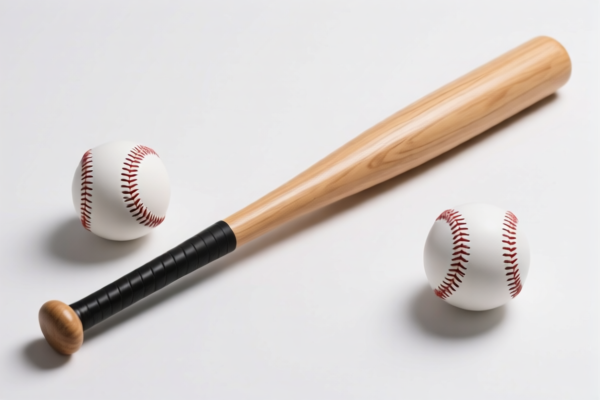
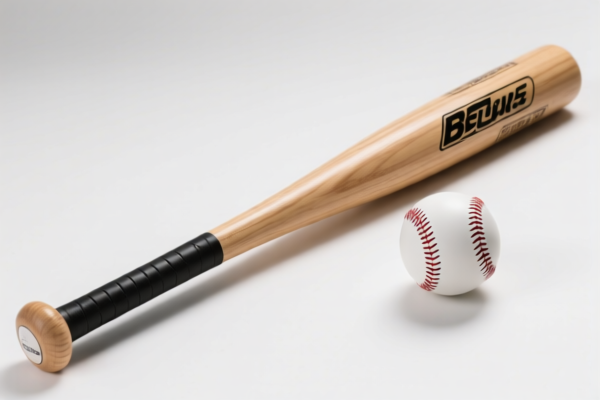
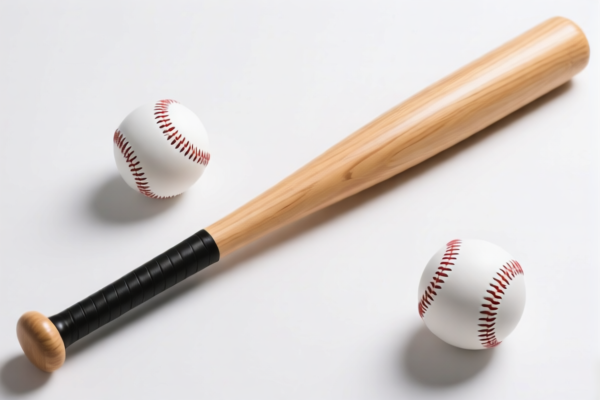
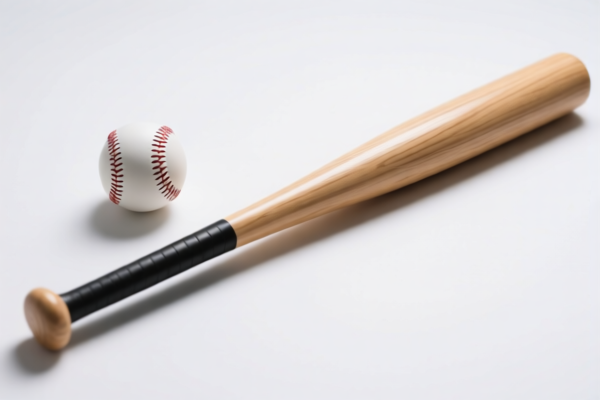
AI Analysis
🥎 Baseball Batting Tee: HS Code Classification & US Customs Strategy (2026)
🌐 HS Code Reference & Clearance Guide | 2026 Latest Tariff Analysis | Professional Clearance Strategy
📌 I. Product Definition & Classification: Do You Really Know the "Batting Tee"?
A Baseball Batting Tee is a training aid used to hold a baseball at a specific height and location for a batter to practice hitting. In international trade, its classification depends heavily on material composition and functional specificity.
Because batting tees are often sold as components of a larger sports set or as standalone items, they fall into different HS Code buckets depending on whether Customs views them as:
1. General Sports Equipment Parts (Generic fallback);
2. Specific Baseball Accessories (Usage-based);
3. Plastic/Plastic-like Articles (Material-based fallback); or
4. Metal Fittings (Material-based fallback).
⚠️ Key Distinction Point:
- If the tee is primarily plastic and generic → Chapter 39
- If the tee is metal and generic → Chapter 73
- If the tee is specifically for baseball → Chapter 95 (Best for tax optimization if applicable)
📦 II. HS Code Classification Details (2026 Latest Tariff Authority Comparison)
| HS Code | Product Description | Applicable Scenario | Total Tax Rate (China Origin) | Key Tax Drivers |
|---|---|---|---|---|
3926.30.50.00 |
Other articles of plastics: Stands, supports, connectors (Plastic-based) | Plastic batting tees, PVC/PP material | 22.8% | Base: 5.3% + Sec 301: 7.5% + Section 122: 10% |
7326.90.86.30 |
Other articles of iron/steel: Metal fittings, brackets (Metal-based) | Steel/Iron batting tee bases | 87.9% | Base: 2.9% + Sec 301: 25% + Section 122: 10% + Steel/Copper Surcharge: 50% |
9506.99.15.00 |
Articles for general physical exercise: Parts and accessories of baseball equipment | Specifically designed for baseball | 10.0% | Base: 0.0% + Sec 301: 0.0% + Section 122: 10% + Steel/Copper Surcharge: 50%* |
9506.99.60.80 |
Other sports equipment: Parts and accessories (Generic sports part) | General sports tee, not exclusively baseball | 21.5% | Base: 4.0% + Sec 301: 7.5% + Section 122: 10% + Steel/Copper Surcharge: 50% |
3926.90.99.89 |
Other plastic articles: Miscellaneous plastic goods (Plastic fallback) | Generic plastic tee, no specific sub-heading fit | 22.8% | Base: 5.3% + Sec 301: 7.5% + Section 122: 10% |
🔍 Important Note:
-9506.99.15.00offers the lowest base duty (0%) but is subject to complex surcharges if made of steel/aluminum/copper.
-7326.90.86.30is the most expensive due to the 50% steel surcharge on top of 301 tariffs.
-3926.30.50.00and3926.90.99.89are similar in rate (22.8%) but differ in specificity (Stands vs. Other).
💰 III. 2026 Latest Tariff Rate Breakdown (Detailed Tax Clauses)
✅ Applicable Country: United States (US)
✅ Origin: China (CN)
✅ Effective Time: Post-November 2025 (Current 2026 Regime)
🎯 1. 9506.99.15.00 — Best Case Scenario (Baseball Specific)
| Item | Content |
|---|---|
| Base Duty | 0.0% (Ad Valorem) |
| Section 301 Duty | 0.0% (Exempted for this specific sub-heading in some interpretations, but verify) |
| Section 122 Duty | +10% (Targeted tariff on specific sports goods) |
| Steel/Aluminum/Copper Surcharge | +50% (⚠️ CRITICAL: If the tee base is metal, this applies!) |
| Total Rate | 10.0% OR 60.0% if metal base |
| Tax Calculation | CIF Value × Rate |
| De Minimis Eligibility | ❌ No (Most sports equipment parts are excluded from de minimis relief under current rules) |
| Legal Path | HTSUS:9506.99.15.00 → Section 122 → Surcharge Rules |
📌 Explanation:
- This code is ideal if the product is exclusively for baseball.
- However, if the tee has a metal base, the 50% steel surcharge must be added, making the total rate 60%.
- If the tee is all plastic, the rate is 10%. This is the most cost-effective option for plastic tees.
🎯 2. 3926.30.50.00 — Plastic Stands/Supports (Plastic Tee)
| Item | Content |
|---|---|
| Base Duty | 5.3% |
| Section 301 Duty | +7.5% |
| Section 122 Duty | +10% |
| Total Rate | 22.8% |
| Tax Calculation | CIF Value × 22.8% |
| De Minimis Eligibility | ❌ No |
| Legal Path | HTSUS:3926.30.50.00 → Section 301 → Section 122 |
📌 Explanation:
- This code classifies the tee as a plastic stand/support.
- It is not specific to sports, so it avoids the "sports equipment" category but also doesn't get the 0% base duty.
- Best for: Plastic tees where you want to avoid the metal surcharge risk.
🎯 3. 7326.90.86.30 — Metal Fittings (Metal Tee)
| Item | Content |
|---|---|
| Base Duty | 2.9% |
| Section 301 Duty | +25.0% |
| Section 122 Duty | +10% |
| Steel/Aluminum/Copper Surcharge | +50% |
| Total Rate | 87.9% |
| Tax Calculation | CIF Value × 87.9% |
| De Minimis Eligibility | ❌ No |
| Legal Path | HTSUS:7326.90.86.30 → Section 301 → Section 122 → Surcharge |
📌 Warning:
- This is the most expensive classification.
- Do NOT use this unless the tee is purely metal and no other code applies.
- Even small metal components can trigger the 50% surcharge.
🎯 4. 9506.99.60.80 — Generic Sports Part (Non-Baseball Specific)
| Item | Content |
|---|---|
| Base Duty | 4.0% |
| Section 301 Duty | +7.5% |
| Section 122 Duty | +10% |
| Steel/Aluminum/Copper Surcharge | +50% |
| Total Rate | 21.5% OR 71.5% if metal |
| Tax Calculation | CIF Value × Rate |
| De Minimis Eligibility | ❌ No |
| Legal Path | HTSUS:9506.99.60.80 → Section 122 → Surcharge |
📌 Explanation:
- Use this if the tee is for multiple sports (e.g., baseball/softball/soccer) and not exclusively baseball.
- If metal, the 50% surcharge applies, making it 71.5%.
🛠️ IV. Clearance Practical Advice (Avoiding Pitfalls)
✅ 1. Documentation Checklist (All Required)
| Document | Required | Notes |
|---|---|---|
| ✅ Product Specification | ✔️ | Must clearly state material (Plastic/Metal) and intended use (Baseball). |
| ✅ Product Photos | ✔️ | Show the tee from all angles, including base and adjustable column. |
| ✅ Commercial Invoice | ✔️ | Describe as "Baseball Batting Tee, Model XYZ, Plastic/Metal". Do NOT use vague terms like "Sport Accessory". |
| ✅ Bill of Lading | ✔️ | Ensure HS Code is pre-filled if known. |
| ✅ FCC/CE Certificate | ✔️ | If applicable (for electronic tees, though rare). |
✅ 2. Declaration Tips (Key Mnemonic)
🔥 “Material First, Use Second! Avoid Metal if Possible!”
| Scenario | Correct HS Code | Avoid |
|---|---|---|
| Plastic Tee, Baseball Only | 9506.99.15.00 (10%) |
Misclassifying as 3926 (22.8%) |
| Plastic Tee, Multi-Sport | 9506.99.60.80 (21.5%) |
Misclassifying as 3926 (22.8%) |
| Metal Tee, Baseball Only | 7326.90.86.30 (87.9%) |
⚠️ High Risk! Try to claim 9506 with surcharge (60%) if allowed. |
| Metal Tee, Generic | 7326.90.86.30 (87.9%) |
N/A |
📌 Critical Warning:
- Do NOT split the shipment (e.g., declare base as "metal fitting" and column as "plastic tube"). Customs may aggregate and apply the highest tax.
- Plastic is King: If possible, use plastic tees to avoid the 50% steel surcharge entirely.
🌍 V. Global Market Comparison (2026)
| Country/Region | Recommended HS Code | Estimated Tax (China Origin) | Notes |
|---|---|---|---|
| 🇺🇸 USA | 9506.99.15.00 |
10% (Plastic) / 60% (Metal) | Section 122 + Steel Surcharge apply |
| 🇨🇳 China | 9506.99.15.00 |
0%~5% | Low import duty, no surcharges |
| 🇪🇺 EU | 9506.99.90 |
4.5% | No Section 122 or 301 equivalent |
| 🇬🇧 UK | 9506.99.90 |
4.5% | Post-Brexit tariff schedule |
📌 Conclusion:
- The USA has the most complex tariff structure for batting tees due to Section 122 and Steel Surcharge.
- Plastic tees are significantly cheaper to clear than metal ones in the US.
📌 VI. Common Errors & Pitfalls (Lessons Learned)
❌ Error 1: Declaring a metal batting tee as 9506.99.15.00 (10%)
👉 Consequence: Customs will apply the 50% steel surcharge, increasing the rate to 60%. Back taxes + penalties.
❌ Error 2: Declaring a plastic batting tee as 7326.90.86.30 (87.9%)
👉 Consequence: Overpayment of taxes. The product is not metal.
❌ Error 3: Vague Description: "Sport Toy"
👉 Consequence: Customs may assign the highest duty code (7326.90.86.30) due to uncertainty.
❌ Error 4: Ignoring Section 122
👉 Consequence: All sports equipment parts are subject to a 10% surcharge in the US. Failure to declare may lead to audits.
✅ Correct Declaration Example:
“BASEBALL BATTING TEE, MODEL XYZ, ADJUSTABLE HEIGHT, PLASTIC CONSTRUCTION, FOR TRAINING PURPOSES, HS CODE 9506.99.15.00”
🎯 VII. Conclusion: Precise Classification Saves Money!
🎯 Remember:
🔹 “Plastic Tee = 10% (Best) / 22.8%”
🔹 “Metal Tee = 60% (if baseball) / 87.9% (if generic)”
🔹 “Never guess the material! Customs checks.”
📌 Pro Tip:
If you are importing metal batting tees, consider:
1. Switching to plastic to save 27.9%–77.9% in taxes.
2. Applying for an Advance Ruling from US Customs if the classification is disputed.
3. Ensuring the base is not purely steel if possible (e.g., rubber-plastic composite) to avoid the 50% surcharge.
📣 Take Action:
📞 Consult a licensed customs broker before shipping.
🚀 Optimize your product design (material choice) to minimize tariff burden.
✨ Professional Clearance Starts with Accurate Classification!
💼 Every percentage point matters in international trade!
Customer Reviews
About HS Code Classification
The Harmonized System (HS) is an internationally standardized nomenclature developed by the World Customs Organization (WCO) to classify traded products. Over 200 countries use the HS system as the basis for customs tariffs, trade statistics, and import/export regulations.
Each HS code follows a hierarchical structure:
- Chapter (2 digits) — Broad category of goods (e.g., Chapter 84: Machinery and Mechanical Appliances)
- Heading (4 digits) — More specific grouping within the chapter
- Subheading (6 digits) — Internationally standardized breakdown, used by all WCO member countries
- National subdivisions (8-10 digits) — Country-specific extensions for further classification, such as US HTSUS 10-digit codes
Correct HS code classification is essential for smooth customs clearance, accurate duty payment, and compliance with trade regulations. Misclassification can lead to customs delays, overpayment of duties, or penalties.
When importing from CN to US, the applicable tariff rates may include:
- Most-Favored-Nation (MFN) rate — The standard duty rate applied to WTO members
- General rate — Applied to countries without trade agreements
- Trade remedy duties — Additional tariffs such as Section 301 (anti-dumping), Section 232 (national security), or countervailing duties
The information provided on this page is for reference purposes only. For official classification, please consult with your local customs authority or a licensed customs broker.