Baseball Cap
CN → US| HS Code | Tariff Rate | Origin | Destination | Doc |
|---|---|---|---|---|
| 6506910045 | 35.0% | CN | US | Official Doc |
| 6506996000 | 43.5% | CN | US | Official Doc |
| 6217108500 | 24.6% | CN | US | Official Doc |
| 6217109550 | 32.1% | CN | US | Official Doc |
| 6505001525 | 42.9% | CN | US | Official Doc |
| 6505002545 | 42.5% | CN | US | Official Doc |
Product Images
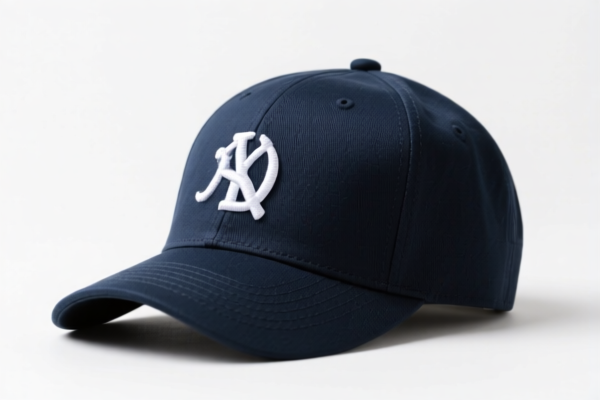

AI Analysis
🧢 Baseball Cap (Sports Headgear)
🌐 HS Code Reference & Customs Clearance Guide | 2026 Tax Tariff Breakdown | Professional Clearance Strategy
📌 I. Product Definition & Classification: Do You Really Know "Baseball Caps"?
A Baseball Cap is a type of soft cap with a rounded crown and a stiff peak (visor) in front, primarily designed to shade the eyes. In international trade, the classification hinges critically on two factors: 1. Material: Is it made of rubber/plastics, other textiles, or cotton? 2. Construction: Is it knitted, woven, or a specific "visor-only" type that does not cover the crown of the head?
⚠️ Critical Distinction for Classification: * Visors / Brims only: Caps that provide NO covering for the crown of the head (often just the brim + headband) → 6506.91.00.45 (Rubber/Plastic) or 6505.00.15.25/6505.00.25.45 (Textile/Cotton). * Full Hats: Caps that cover the crown → 6506.99.60.00 (Other materials) or 6217.10 (Accessories/Parts).
📦 II. HS Code Breakdown & Tax Analysis (2026 Tariff Schedule)
Based on the provided data, here is the authoritative mapping for Baseball Caps and related headgear.
| HS Code | Product Description & Material | Applicable Scenario | Total Tax Rate (China Origin) | Key Tax Components |
|---|---|---|---|---|
| 6506.91.00.45 | Visors / Headgear (No Crown Cover) Material: Rubber or Plastics |
Plastic visors, sun shields, or caps made entirely of rubber/plastic that do not cover the head crown. | 25.0% | Base: 0% Add'l: 25% |
| 6506.99.60.00 | Other Headgear (Other Materials) Material: Textiles, Felt, etc. (Full Hats) |
Standard baseball caps made of wool, synthetic fibers, or other materials covering the crown. | 33.5% | Base: 8.5% Add'l: 25% |
| 6505.00.15.25 | Knitted/Crocheted Cotton Visors Material: Cotton |
Cotton baseball-style visors or headgear (knitted/crocheted) that do not cover the crown. | 0.0% | Base: 0% Add'l: 0% |
| 6505.00.25.45 | Non-Knitted Cotton Visors Material: Cotton |
Cotton baseball-style visors or headgear (woven/not knitted) that do not cover the crown. | 0.0% | Base: 0% Add'l: 0% |
| 6217.10.85.00 | Clothing Accessories (Non-Headgear) Category: Other Made-up Accessories |
Headbands, ponytail holders, or parts of headgear (e.g., replacement buckles, ear flaps) NOT classified as full hats. | 14.6% | Base: 14.6% Add'l: 0% |
| 6217.10.95.50 | Other Accessories (Miscellaneous) Category: Other Made-up Accessories |
Miscellaneous parts of garments/accessories not covered by specific subheadings (859). | 0.0% | Base: 0% Add'l: 0% |
🔍 Critical Note on Tax Rates: * The 25% Surcharge: Most standard baseball caps and visors (especially those made of rubber, plastic, or other textiles like polyester/wool) are subject to a 25% additional tariff (likely Section 301 or similar trade measure), significantly increasing the cost. * The 0% Opportunity: 100% Cotton baseball-style visors (knitted or non-knitted) currently enjoy 0% duty. This is a crucial cost-saving strategy for cotton-based products. * Accessories vs. Hats: Items sold as "Headbands" or "Ponytail Holders" fall under 6217.10, not the headgear chapters (65), resulting in a moderate 14.6% tax.
💰 III. 2026 Tax Rate Detail Breakdown
✅ Origin: China (CN)
✅ Target Market: US (Based on "Additional Tariff" logic in data)
✅ Effective: Current 2026 Tariff Schedule
🎯 1. 6506.91.00.45 (Rubber/Plastic Visors)
- Base Tariff: 0.0%
- Additional Tariff: +25.0%
- Total Tax: 25.0%
- Why? While the base duty is 0%, these items are heavily targeted by trade remedial measures (Section 301) due to material composition.
🎯 2. 6506.99.60.00 (Standard Full Baseball Caps - Other Materials)
- Base Tariff: 8.5%
- Additional Tariff: +25.0%
- Total Tax: 33.5%
- Why? This is the most common classification for standard polyester/nylon baseball caps. The 8.5% base duty is standard, but the 25% surcharge makes the total cost high.
🎯 3. 6505.00.15.25 & 6505.00.25.45 (Cotton Visors/Hats)
- Base Tariff: 0.0%
- Additional Tariff: 0.0%
- Total Tax: 0.0%
- Why? Cotton textiles often enjoy preferential treatment or are exempt from the specific surcharges applied to synthetics/rubber. This is your "Golden Code" for cost reduction.
🎯 4. 6217.10.85.00 (Headbands & Accessories)
- Base Tariff: 14.6%
- Additional Tariff: 0.0%
- Total Tax: 14.6%
- Why? If the product is technically a "Headband" (no visor, just a band) or a ponytail holder, it is classified as an "Accessory," avoiding the high 25% surcharge on headgear but paying a higher base duty.
🛠️ IV. Customs Clearance Strategy & Practical Advice
✅ 1. Preparation Checklist (Must-Haves)
| Document | Requirement | Reason for Customs |
|---|---|---|
| ✅ Product Composition Label | Mandatory | Must explicitly state "100% Cotton" vs. "100% Polyester/Plastic" to justify 0% tax. |
| ✅ Detailed Structure Photo | Mandatory | Must clearly show if the item covers the crown of the head. If it's just a visor/brim, it falls into different subheadings. |
| ✅ Fabric Content Certificate | Highly Recommended | Third-party lab report proving fiber content (Cotton vs. Synthetic). |
| ✅ Commercial Invoice | Mandatory | Must specify "Baseball Cap" or "Visor" accurately. Do not use generic "Headwear". |
| ✅ Packing List | Mandatory | Separate accessories (e.g., headbands) from hats if mixed, to avoid incorrect classification. |
✅ 2. Strategic Declaration Tips (The "Tax Hacker" Guide)
🔥 The Golden Rule: "Material Matters! Structure Matters! Name Matters!"
| Scenario | Correct HS Code Strategy | Risk if Wrong |
|---|---|---|
| 100% Cotton Cap | 6505.00.15.25 or 6505.00.25.45 | If misclassified as polyester (6506.99.60.00), you pay 33.5% instead of 0%. |
| Plastic Visor (No Crown) | 6506.91.00.45 | If declared as a full hat, you might get flagged for wrong material. |
| Mixed Material Cap | 6506.99.60.00 (Main material rule) | Cannot claim 0% cotton rate if it contains >50% synthetic. |
| Headbands/Ponytail Holders | 6217.10.85.00 | Avoid "Headgear" classification; declare as "Clothing Accessory" to avoid 25% surcharge (pay 14.6% instead). |
| Parts (e.g., Buttons, Straps) | 6217.10.95.50 | If sold separately, ensure they are clearly "parts" to get 0% tax. |
✅ 3. Special Handling Scenarios
- Scenario A: "Cotton" vs. "Cotton Blend"
- Advice: If the cap is 95% Cotton + 5% Elastane, it is NOT "Of Cotton" for tariff purposes. It will likely fall into 6506.99.60.00 (33.5%). Be honest on the invoice.
- Scenario B: Visor Only (Sun Shield)
- Advice: If the product is literally just a brim with an elastic band (no crown), ensure you classify under 6505 (if cotton) or 6506 (if rubber). Do not call it a "Hat" if it doesn't cover the head.
- Scenario C: "Headband" Marketing vs. Reality
- Advice: If you sell "Headbands" but they include a small visor that covers part of the forehead, customs might reclassify it as Headgear (65xx) with higher taxes. Stick to "Headband" descriptions only if no visor exists.
🌍 V. Global Market Comparison (2026 Snapshot)
| Market | Recommended HS Code | Est. Tax (China Origin) | Key Requirement |
|---|---|---|---|
| 🇺🇸 United States | 6505.00.xx (Cotton) or 6506.99.xx (Synthetic) | 0% (Cotton) or 33.5% (Synthetic/Rubber) | Material Declaration is Critical |
| 🇪🇺 European Union | Similar structure (6505/6506) | Varies (often 4-8%) | CE Marking, FSC Cotton |
| 🇨🇳 China (Import) | 6505.00.25.45 (Cotton) | 8.5% (Base) + 0% Add'l | Standard Tariff |
📌 Conclusion: The US market is the most expensive for synthetic/rubber baseball caps due to the 25% additional tariff. Cotton is your savior for zero duty.
📌 VI. Common Pitfalls & How to Avoid Them
❌ Pitfall 1: The "Cotton" Trap
Declaring a "Cotton Blend" (e.g., 50% Cotton/50% Polyester) as "100% Cotton" to get 0% tax. 👉 Consequence: Customs audit, massive back-taxes (33.5%), and fines.
❌ Pitfall 2: Misclassifying Visors as Hats
Declaring a "Visor" (no crown) as a "Baseball Cap" (full hat). 👉 Consequence: Wrong tax rate application. If it's rubber, it's 25%; if it's cotton, it's 0%. Don't mix them up.
❌ Pitfall 3: Mixing Accessories with Hats
Shipping a box with Hats + Headbands + Ponytail Holders as one SKU. 👉 Consequence: Customs may apply the highest tax rate to the whole shipment. ✅ Fix: Split the shipment or declare separate HS Codes.
✅ Best Practice:
"100% Cotton, Knitted, Baseball Cap, Visor Only (No Crown Cover)" or "Standard Baseball Cap, 100% Polyester".
🎯 VII. Final Verdict: Strategic Takeaways
🚀 Strategy Summary: 1. Go Cotton: If possible, manufacture 100% cotton visors/hats to enjoy 0% tax. 2. Check Structure: If it doesn't cover the crown (just a visor/brim), verify if it fits 6505 (Cotton) or 6506 (Plastic). 3. Separate Accessories: If selling headbands or parts, use 6217.10 to avoid the 25% surcharge. 4. Avoid Synthetics: Standard polyester/nylon caps will cost you 33.5% in the US. Factor this into pricing!
📢 Action Item:
Review your supplier's fabric composition. If it's not 100% cotton, expect 33.5% tax. If it is, prepare your Cotton Content Certificate immediately for customs.
✨ Professional Customs Clearance: Start with the Right HS Code! 💼 Every 1% of tax saved is pure profit!
Customer Reviews
About HS Code Classification
The Harmonized System (HS) is an internationally standardized nomenclature developed by the World Customs Organization (WCO) to classify traded products. Over 200 countries use the HS system as the basis for customs tariffs, trade statistics, and import/export regulations.
Each HS code follows a hierarchical structure:
- Chapter (2 digits) — Broad category of goods (e.g., Chapter 84: Machinery and Mechanical Appliances)
- Heading (4 digits) — More specific grouping within the chapter
- Subheading (6 digits) — Internationally standardized breakdown, used by all WCO member countries
- National subdivisions (8-10 digits) — Country-specific extensions for further classification, such as US HTSUS 10-digit codes
Correct HS code classification is essential for smooth customs clearance, accurate duty payment, and compliance with trade regulations. Misclassification can lead to customs delays, overpayment of duties, or penalties.
When importing from CN to US, the applicable tariff rates may include:
- Most-Favored-Nation (MFN) rate — The standard duty rate applied to WTO members
- General rate — Applied to countries without trade agreements
- Trade remedy duties — Additional tariffs such as Section 301 (anti-dumping), Section 232 (national security), or countervailing duties
The information provided on this page is for reference purposes only. For official classification, please consult with your local customs authority or a licensed customs broker.