Baseball Glove (Right Hand)
CN → US| HS Code | Tariff Rate | Origin | Destination | Doc |
|---|---|---|---|---|
| 4203212000 | 38.0% | CN | US | Official Doc |
| 6216000800 | 18.3% | CN | US | Official Doc |
| 6216004600 | 20.3% | CN | US | Official Doc |
| 4203214000 | 35.0% | CN | US | Official Doc |
| 6116930800 | 20.3% | CN | US | Official Doc |
Product Images
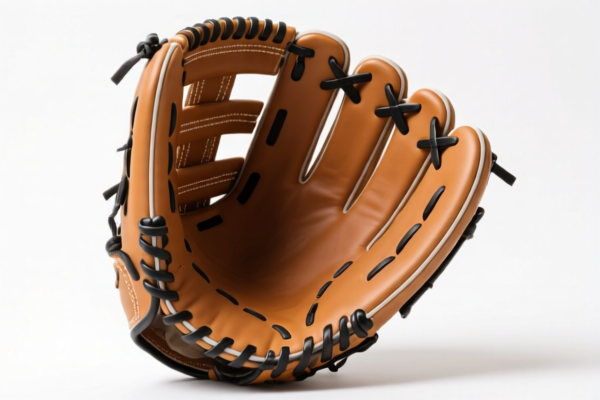
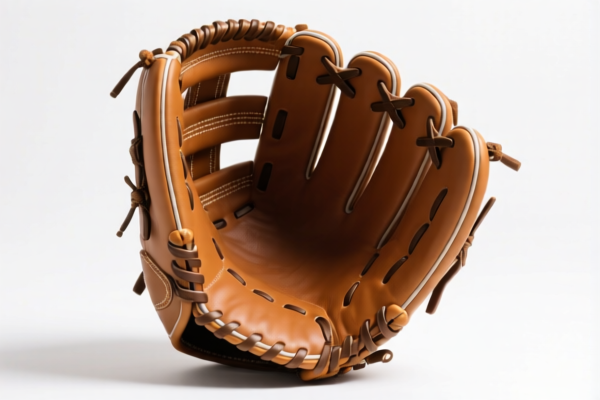
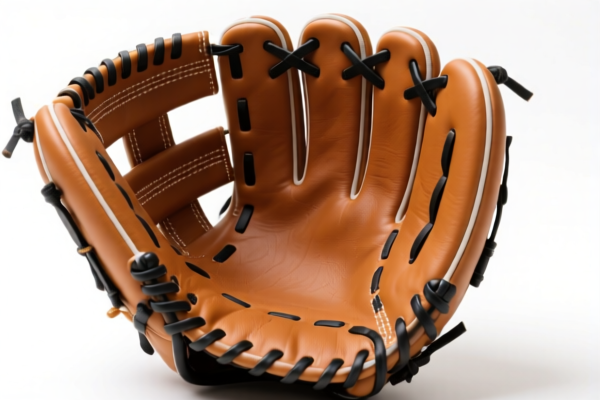
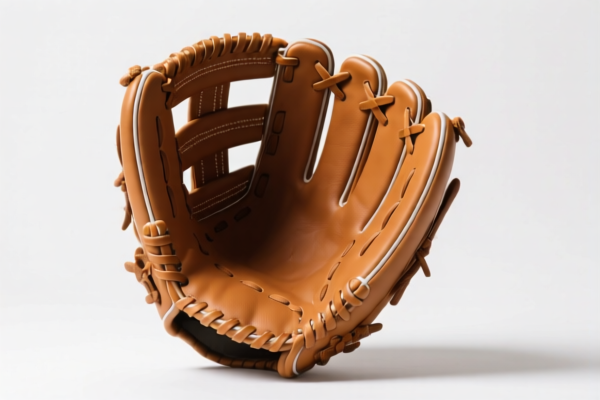
AI Analysis
🧤 Baseball Glove (Right Hand) – HS Code Classification & Duty Breakdown (US Market)
🌐 HS Code Reference & Customs Clearance Guide | 2026 Latest Tariff Analysis | Strategic Compliance Strategy
📌 I. Product Definition & Classification: Do You Know Your "Baseball Glove"?
A Baseball Glove (Right Hand) is a specialized piece of sporting equipment designed to be worn on the non-throwing hand to catch and field a baseball. In international trade, the Harmonized System (HS) classification heavily depends on the material composition of the glove.
There are two primary material categories for classification: 1. Leather/Synthetic Leather Gloves: Classified under Chapter 42 (Articles of Leather). 2. Plastic/Rubber/Textile Gloves: Classified under Chapter 62 (Articles of Apparel and Clothing Accessories, knitted or crocheted, not knitted or crocheted).
⚠️ Key Distinction Point:
- If the glove is made of leather, composition leather, or synthetic leather →归类 to Chapter 42
- If the glove is made of plastic/rubber impregnation or textile/fiber materials → 归类 to Chapter 62
📦 II. HS Code Classification Details (2026 Latest Tariff Authority Reference)
Based on the provided data, here are the specific HS Codes for Right-Handed Baseball Gloves, categorized by material:
| HS Code | Product Description | Material Inference | Application Scenario |
|---|---|---|---|
4203.21.20.00 |
Baseball Glove (Right Hand) | Leather or Synthetic Leather | Premium leather mitts, synthetic leather fielding gloves |
4203.21.40.00 |
Baseball Glove (Right Hand) | Leather or Synthetic Leather | Standard leather/synthetic leather gloves (alternative subheading) |
6216.00.08.00 |
Baseball Glove (Right Hand) | Impregnated Plastic or Rubber | Rubberized gloves, plastic-coated training gloves |
6216.00.46.00 |
Baseball Glove (Right Hand) | Artificial Fiber or Leather | Textile-based gloves, mixed material gloves |
6116.93.08.00 |
Baseball Glove (Right Hand) | Synthetic Fiber or Knitted Gloves | Knitted synthetic gloves, lightweight training mitts |
🔍 Critical Reminder:
- Leather vs. Non-Leather: The distinction between Chapter 42 and Chapter 62 is the primary driver of duty differences.
- Right-Hand Specifics: While the HS code structure is generally generic, the "Right Hand" specification helps confirm the product's identity during customs declaration, preventing misclassification as "sports equipment parts" or "other gloves."
💰 III. 2026 Latest Tariff Rate Breakdown (Including Additional Duties & Policy Surcharges)
✅ Applicable Country: United States (US)
✅ Country of Origin: China (CN)
✅ Effective Date: From November 10, 2025 (and subsequent imports)
🎯 1. 4203.21.20.00 & 4203.21.40.00 —— Leather/Synthetic Leather Gloves
| Item | Content |
|---|---|
| Base Tariff | 3.0% (4203.21.20.00) / 0.0% (4203.21.40.00) |
| Section 301 Additional Tariff | +25.0% |
| IEEPA Section 122 Tariff | +10.0% (Surtax for Chinese Origin) |
| Total Tax Rate | 38.0% (4203.21.20.00) / 35.0% (4203.21.40.00) |
| Tax Calculation | CIF Value × Total Tax Rate |
| De Minimis Exemption? | ❌ Not Eligible (deny_de_minimis) |
| Legal Basis Path | USITC:4203.21.20.00 → FOOTNOTE:301 → IEEPA:122 |
📌 Explanation:
- Section 301 Tariff (25%): Applied to all goods from China under Section 301 of the Trade Act of 1974.
- IEEPA 122 Tariff (10%): A specific surtax applied to goods originating from China.
- Total Duty: Ranges from 35% to 38%, which is significantly high.
- Note: Even if the base tariff is 0% (4203.21.40.00), the additional tariffs push the total to 35%.
🎯 2. 6216.00.08.00 & 6216.00.46.00 & 6116.93.08.00 —— Non-Leather Gloves (Plastic, Textile, Fiber)
| Item | Content |
|---|---|
| Base Tariff | 0.8% (6216.00.08.00) / 2.8% (6216.00.46.00 / 6116.93.08.00) |
| Section 301 Additional Tariff | +7.5% |
| IEEPA Section 122 Tariff | +10.0% (Surtax for Chinese Origin) |
| Total Tax Rate | 18.3% (6216.00.08.00) / 20.3% (6216.00.46.00 / 6116.93.08.00) |
| Tax Calculation | CIF Value × Total Tax Rate |
| De Minimis Exemption? | ❌ Not Eligible (deny_de_minimis) |
| Legal Basis Path | USITC:6216.00.08.00 → FOOTNOTE:301 → IEEPA:122 |
📌 Explanation:
- Section 301 Tariff (7.5%): Lower than the 25% applied to leather goods in this dataset, reflecting different tariff schedules for textile/plastic gloves.
- IEEPA 122 Tariff (10%): Consistent surtax for Chinese origin.
- Total Duty: Ranges from 18.3% to 20.3%, significantly lower than leather gloves.
- Strategic Advantage: If your glove can be classified as textile/plastic instead of leather, you save ~15-20% in duty.
🛠️ IV. Customs Clearance Practical Advice (Real-World Pitfall Avoidance)
✅ 1. Document Preparation Checklist (Missing Documents = Delay)
| Document | Must Provide | Description |
|---|---|---|
| ✅ Product Specification Sheet | ✔️ | Must explicitly state material composition (e.g., "100% Cowhide Leather" vs. "Polyester Knit") |
| ✅ Product Photos | ✔️ | Clear images of the glove, including inner lining and any labels |
| ✅ Commercial Invoice | ✔️ | Must accurately describe the product as "Baseball Glove (Right Hand)" with correct material |
| ✅ Packing List | ✔️ | Detail the quantity and packaging type |
| ✅ Material Composition Declaration | ✔️ | Critical for distinguishing between Chapter 42 and Chapter 62 |
✅ 2. Declaration Tips (Key Mantra)
🔥 “Material First, HS Code Second, Name Accurate, Duty Lowered!”
| Scenario | Correct Declaration | Wrong Practice |
|---|---|---|
| Leather Glove | 4203.21.20.00 |
Misdeclare as textile → High risk of penalty |
| Plastic-Coated Glove | 6216.00.08.00 |
Misdeclare as leather → Unjustified higher duty |
| Knitted Synthetic Glove | 6116.93.08.00 |
Misdeclare as 6216 → Potential classification error |
| Mixed Material Glove | Provide detailed breakdown | Vague description "Sports Glove" → Customs reclassification |
✅ 3. Special Circumstances Handling
| Situation | Handling Advice |
|---|---|
| OEM Custom Glove | Provide customer design specs to prove material composition |
| Glove with Leather Palm, Textile Back | May still be classified under Chapter 42 if leather is the essential character; consult customs broker |
| Glove for Training vs. Game Use | Usage does not change HS Code; material is the key factor |
| Origin Marking | Ensure "Made in China" is clearly marked on the product/packaging to avoid origin fraud claims |
🌍 V. Global Main Market Clearance Comparison (2026 Latest)
| Country/Region | Recommended HS Code | Tariff (China Origin) | Certification Requirements | Remarks |
|---|---|---|---|---|
| 🇺🇸 USA | 4203.21.20.00 / 6216.00.08.00 |
35%-38% / 18.3%-20.3% | No specific cert | High tariffs due to Section 301 + IEEPA |
| 🇨🇳 China | 4203.21.20.00 / 6216.00.08.00 |
0%-10% | CCC (if applicable) | No additional surtax |
| 🇪🇺 EU | 4203.29 / 6216 |
0%-4% | CE (if safety gear) | No Section 301 equivalent |
| 🇦🇺 Australia | 4203.21 / 6216 |
5%-10% | ACMA | No additional surtax |
| 🇯🇵 Japan | 4203.21 / 6216 |
0%-8% | PSE (if applicable) | No additional surtax |
📌 Conclusion:
- USA is the only market with significant additional tariffs (Section 301 + IEEPA).
- Material choice impacts cost significantly: Leather gloves face ~35-38% duty, while non-leather gloves face ~18-20%.
- Cost Optimization: If possible, consider using synthetic textile materials to qualify for lower tariff categories, provided performance requirements are met.
📌 VI. Common Errors & Pitfall Guide (Blood & Tears Lessons)
❌ Error 1: Misidentifying Material
👉 Consequence: Declaring a leather glove as textile (6216) → Customs reclassification → Back taxes + Penalties
👉 Solution: Always verify material composition with the manufacturer.
❌ Error 2: Ignoring IEEPA 122 Tariff
👉 Consequence: Only calculating Section 301 tariff → Underpayment → Customs audit
👉 Solution: Ensure both 301 and IEEPA 122 surtaxes are included in cost modeling.
❌ Error 3: Vague Product Description
👉 Consequence: "Glove" → Customs asks for clarification → Delays
👉 Solution: Use specific terms: "Baseball Glove, Right Hand, Cowhide Leather, Padding Foam."
✅ Correct Practice:
"Baseball Glove (Right Hand), Material: 100% Cowhide Leather with Nylon Lining, Model: XYZ, HS Code: 4203.21.20.00"
🎯 VII. Conclusion: Professional Declaration, Save Time, Reduce Costs!
🎯 Remember the Mantra:
🔹 “Leather = High Duty (35%+), Non-Leather = Lower Duty (18-20%)”
🔹 “Material is King, Section 301 is Queen, IEEPA is the Prince – All Three Rule!”
🔹 “HS Code Determines Destiny, Wrong Code Costs Thousands!”
📌 Tips:
- If your glove’s origin is Vietnam, Mexico, Thailand, or Malaysia, you may be eligible for IEEPA exemptions or lower Section 301 rates.
- Consider applying for an Advance Ruling (Pre-Ruling) from US Customs (CBP) to confirm the HS Code before shipment.
📣 Immediate Action:
📞 Contact a licensed customs broker + Provide Product Material Specs + Apply for HS Code Pre-Ruling
🚀 Ensure your Baseball Gloves clear customs smoothly, maximize profit margins!
✨ Professional Clearance Starts with Accurate Classification!
💼 Every Cent Saved is Pure Profit!
Customer Reviews
About HS Code Classification
The Harmonized System (HS) is an internationally standardized nomenclature developed by the World Customs Organization (WCO) to classify traded products. Over 200 countries use the HS system as the basis for customs tariffs, trade statistics, and import/export regulations.
Each HS code follows a hierarchical structure:
- Chapter (2 digits) — Broad category of goods (e.g., Chapter 84: Machinery and Mechanical Appliances)
- Heading (4 digits) — More specific grouping within the chapter
- Subheading (6 digits) — Internationally standardized breakdown, used by all WCO member countries
- National subdivisions (8-10 digits) — Country-specific extensions for further classification, such as US HTSUS 10-digit codes
Correct HS code classification is essential for smooth customs clearance, accurate duty payment, and compliance with trade regulations. Misclassification can lead to customs delays, overpayment of duties, or penalties.
When importing from CN to US, the applicable tariff rates may include:
- Most-Favored-Nation (MFN) rate — The standard duty rate applied to WTO members
- General rate — Applied to countries without trade agreements
- Trade remedy duties — Additional tariffs such as Section 301 (anti-dumping), Section 232 (national security), or countervailing duties
The information provided on this page is for reference purposes only. For official classification, please consult with your local customs authority or a licensed customs broker.