Baseball Infield Glove
CN → US| HS Code | Tariff Rate | Origin | Destination | Doc |
|---|---|---|---|---|
| 6216000800 | 18.3% | CN | US | Official Doc |
| 6116930800 | 20.3% | CN | US | Official Doc |
| 4203214000 | 35.0% | CN | US | Official Doc |
| 4203212000 | 38.0% | CN | US | Official Doc |
| 6216004600 | 20.3% | CN | US | Official Doc |
Product Images
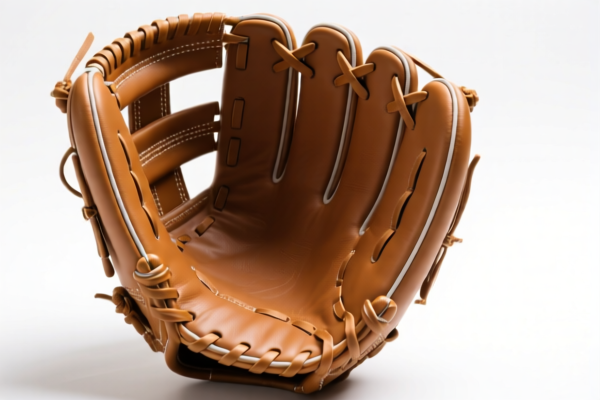
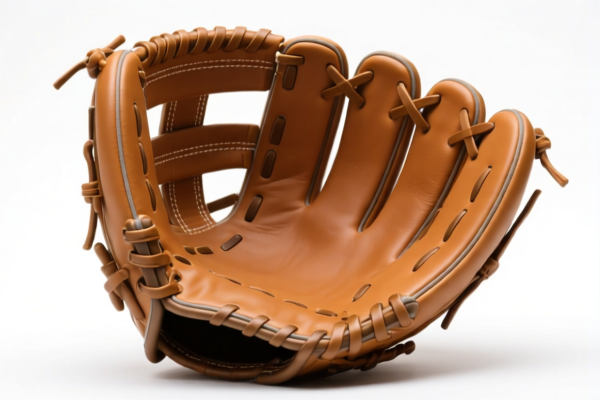
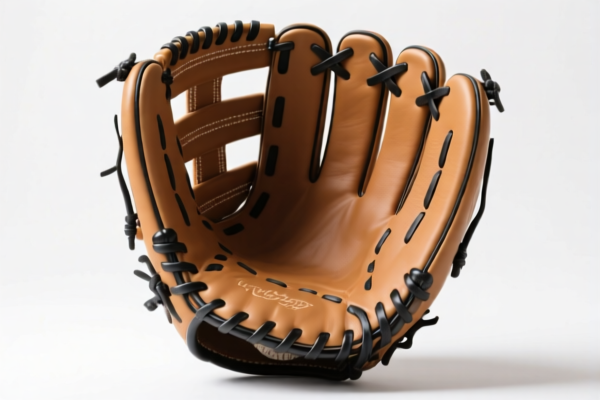
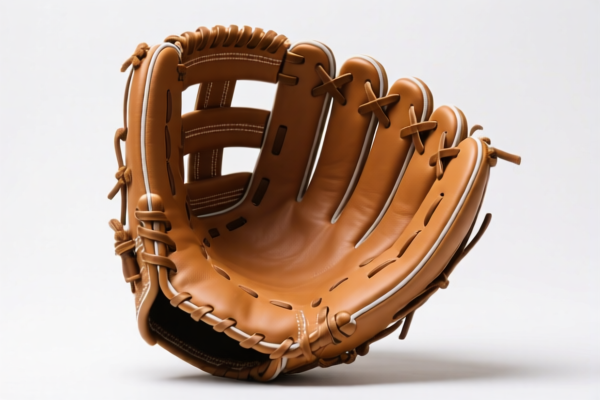
AI Analysis
🧤 Baseball Infield Glove (Baseball Glove)
🌐 HS Code Reference & Customs Clearance Guide | 2026 Latest Tariff Analysis | Professional Strategy for US Imports
📌 I. Product Definition & Classification: What Exactly is a "Baseball Infield Glove"?
A Baseball Infield Glove is a specialized piece of sports equipment designed for fielders in baseball to catch, field, and throw the ball. Unlike outfield gloves (which are larger and deeper), infield gloves are typically smaller, shallower, and have a tighter web to facilitate quick ball retrieval and transfer.
In international trade, these gloves are classified based on three critical factors: 1. Form: It must be shaped as a glove/mitten. 2. Use: It must be for sports (baseball). 3. Material: This is the most contentious and critical factor. It is typically made of Leather (Cowhide, Pigskin) or Synthetic Materials (Polyurethane, PVC, Textile).
⚠️ Key Distinction Point:
- If the glove is made of Leather → It likely falls under Chapter 42 (Articles of Leather).
- If the glove is made of Textiles/Synthetics → It likely falls under Chapter 61 (Knitted) or Chapter 62 (Non-knitted).
- Customs often challenges the material declaration. Misclassifying leather as synthetic can lead to significant duty discrepancies and penalties.
📦 II. HS Code Classification Details (2026 Latest Tariff Authority Comparison)
Based on the product characteristics and customs precedents, here are the five most relevant HS Codes for a Baseball Infield Glove imported into the US from China.
| HS Code | Product Description | Material Assumption | Key Logic | Total Tax Rate |
|---|---|---|---|---|
6216.00.08.00 |
Gloves, Mitts and Muffs, Other | Synthetic/Plastic-Coated | "Other" category; inferred surface has plastic/rubber coating. Sport utility assumed. | 18.3% |
6116.93.08.00 |
Gloves, Mitts and Muffs, Knitted, Other | Synthetic Fiber | Knitted structure; "Other" material category; compatible with synthetic sports gloves. | 20.3% |
6216.00.46.00 |
Gloves, Mitts and Muffs, Other | Artificial Fiber | "Other" category; inferred as artificial fiber or leather-like synthetics. Matches "Other" sports definition. | 20.3% |
4203.21.40.00 |
Gloves, Mitts and Muffs, Of Leather | Leather / Artificial Leather | High Risk/High Duty. Explicitly matches Leather/Artificial Leather material. Sport use matches. | 35.0% |
4203.21.20.00 |
Gloves, Mitts and Muffs, Of Leather | Leather | Highest Duty. Strict leather classification. Base duty applies. | 38.0% |
🔍 Critical Warning:
- Leather vs. Synthetic: If your glove is genuine leather,6216.00.08.00is incorrect and will trigger audits. You must use4203.21.xxxx.
- Synthetic Gloves: If made of PU, PVC, or textile,4203.21.xxxxis incorrect. Use6216or6116.
- Cost Impact: The tax difference between synthetic (~18-20%) and leather (35-38%) is ~15-20 percentage points. This is a massive margin difference.
💰 III. 2026 Latest Tariff Rate Breakdown (Including Surtaxes & Policy Add-ons)
✅ Applicable Country: United States (US)
✅ Country of Origin: China (CN)
✅ Effective Time: November 10, 2025 (and subsequent imports)
🎯 1. 6216.00.08.00 —— Gloves, Other (Synthetic/Coated)
| Item | Details |
|---|---|
| Basic Duty Rate | 0.8% (Ad Valorem) |
| Section 301 Surtax | +7.5% |
| IEEPA Surtax (Section 122/301) | +10.0% (Specific to Chinese products) |
| Total Effective Rate | 18.3% |
| Tax Calculation | CIF Value × 18.3% |
| De Minimis Exemption | ❌ Not Applicable (deny_de_minimis) for this HS Code under current trade enforcement. |
| Legal Path | IEEPA:9903.01.25 → Section 301: 6216.00.08.00 → FOOTNOTE: 122 |
📌 Explanation:
- This is one of the lowest-risk classifications for synthetic gloves.
- The 10% IEEPA surcharge is mandatory for Chinese-origin goods in this category.
- Total duty is moderate, making it competitive for PU/synthetic gloves.
🎯 2. 6116.93.08.00 —— Knitted Gloves, Other (Synthetic)
| Item | Details |
|---|---|
| Basic Duty Rate | 2.8% |
| Section 301 Surtax | +7.5% |
| IEEPA Surtax | +10.0% |
| Total Effective Rate | 20.3% |
| Tax Calculation | CIF Value × 20.3% |
| De Minimis Exemption | ❌ Not Applicable |
| Legal Path | IEEPA:9901.25 → IEEPA:9903.01.24 → USITC:6116.93.08.00 |
📌 Note:
- Applies specifically to knitted synthetic gloves (e.g., polyester/cotton blends).
- Slightly higher base rate than6216but same surtax structure.
- Use this if the glove is clearly knitted textile, not coated leather-like synthetic.
🎯 3. 6216.00.46.00 —— Gloves, Other (Artificial Fiber/Non-Knitted)
| Item | Details |
|---|---|
| Basic Duty Rate | 2.8% |
| Section 301 Surtax | +7.5% |
| IEEPA Surtax | +10.0% |
| Total Effective Rate | 20.3% |
| Tax Calculation | CIF Value × 20.3% |
| De Minimis Exemption | ❌ Not Applicable |
| Legal Path | IEEPA:9901.25 → IEEPA:9903.01.24 → USITC:6216.00.46.00 |
📌 Note:
- Similar to6116.93.08.00but for non-knitted artificial fiber gloves.
- Common for durable synthetic baseball gloves made from non-woven or woven synthetic fabrics.
🎯 4. 4203.21.40.00 —— Gloves, Mitts, Of Leather/Artificial Leather
| Item | Details |
|---|---|
| Basic Duty Rate | 0.0% |
| Section 301 Surtax | +25.0% |
| IEEPA Surtax | +10.0% |
| Total Effective Rate | 35.0% |
| Tax Calculation | CIF Value × 35.0% |
| De Minimis Exemption | ❌ Not Applicable |
| Legal Path | IEEPA:9903.01.25 → IEEPA:9903.01.24 → USITC:4203.21.40.00 → FOOTNOTE: 9903.88.01 |
📌 Critical Warning:
- This is for Leather or Artificial Leather.
- Although the basic duty is 0%, the 25% Section 301 surcharge drastically increases the cost.
- This is the correct classification for genuine leather gloves. Using6216for leather is a major compliance violation.
🎯 5. 4203.21.20.00 —— Gloves, Mitts, Of Leather (Premium/Specific)
| Item | Details |
|---|---|
| Basic Duty Rate | 3.0% |
| Section 301 Surtax | +25.0% |
| IEEPA Surtax | +10.0% |
| Total Effective Rate | 38.0% |
| Tax Calculation | CIF Value × 38.0% |
| De Minimis Exemption | ❌ Not Applicable |
| Legal Path | IEEPA:9903.01.25 → IEEPA:9903.01.24 → USITC:4203.21.20.00 |
📌 Note:
- Highest duty rate in the set.
- Applies to specific high-end leather gloves.
- If your glove is leather, you must choose between4203.21.40.00and4203.21.20.00based on specific leather type/finish. Do not under-declare to avoid this.
🛠️ IV. Customs Clearance Practical Advice (Avoid Pitfalls)
✅ 1. Documentation Checklist (Mandatory)
| Document | Required | Purpose |
|---|---|---|
| Product Specification Sheet | ✔️ | Must state Material Composition (e.g., "100% Cowhide Leather" or "100% PU Synthetic"). |
| Product Photos (Clear) | ✔️ | Show the inner lining, webbing, and label. Customs uses this to verify material. |
| Commercial Invoice | ✔️ | Must describe item as "Baseball Glove, Material: Leather/Synthetic". Vague terms like "Sporting Goods" are risky. |
| Packing List | ✔️ | Ensure quantity matches invoice. |
| FCC/CE Reports | ❌ (Not typically required for gloves) | Only needed if the glove has electronic components (e.g., smart gloves). |
| Material Test Report | ✔️ (If challenged) | A lab report proving the material is NOT leather (if declaring synthetic) can prevent audits. |
✅ 2. Declaration Strategy (Key Mnemonic)
🔥 "Material is King, Form is Queen. Don't Lie, Or You Will See Fine!"
| Scenario | Correct HS Code | Wrong Classification | Consequence |
|---|---|---|---|
| Genuine Leather Glove | 4203.21.40.00 or 4203.21.20.00 |
6216.00.08.00 |
Audited, Back Duties (18% vs 35%), Penalties! |
| PU/Synthetic Glove | 6216.00.08.00 |
4203.21.40.00 |
Overpaid Tax (You paid 35% instead of 18%). |
| Knitted Textile Glove | 6116.93.08.00 |
6216.00.08.00 |
Minor discrepancy, but better to be precise. |
| Leather Lining + Synthetic Shell | 4203.21.40.00 (if leather is essential) |
6216.00.08.00 |
High risk. Customs may deem leather the essential character. |
✅ 3. Special Cases & Handling
| Case | Handling Advice |
|---|---|
| Smart Baseball Gloves (with sensors) | If the glove has electronic components, it may be classified under Ch 85 or 90, not gloves. Consult a specialist. |
| Children's Sizes | Same classification applies. Do not change HS Code based on size. |
| OEM/Private Label | Ensure the supplier provides the correct material declaration. Your liability is as the importer. |
| Mixed Batches | If one shipment contains both leather and synthetic gloves, declare separately with separate HS Codes. Do not average them. |
🌍 V. Global Market Comparison (2026 Latest)
| Country/Region | Recommended HS Code | Duty Rate (China Origin) | Certification | Notes |
|---|---|---|---|---|
| 🇺🇸 USA | 6216.00.08.00 (Synth) / 4203.21.40.00 (Leather) |
18.3% (Synth) / 35.0% (Leather) | None | Highest complexity due to Surtaxes. |
| 🇨🇳 China | 6216.00.08.00 / 4203.21.40.00 |
~10-15% | None | Lower duties, no Section 301. |
| 🇪🇺 EU | 4203.21.00 (Leather) / 6216.90 (Synth) |
~4-12% | CE (if medical/smart) | No high surtaxes, but strict material labeling. |
| 🇦🇺 Australia | 6216.00.00 / 4203.21.00 |
5-10% | None | Generally lower duties. |
| 🇯🇵 Japan | 6216.00.00 / 4203.21.00 |
0-5% | None | Free trade agreements may apply. |
📌 Conclusion:
- The US market is the most challenging due to Section 301 and IEEPA surtaxes.
- Material accuracy is paramount. A 17% difference in duty (18.3% vs 35%) can destroy your profit margin.
- For synthetic gloves,6216.00.08.00is the most cost-effective and common classification.
- For leather gloves, you must pay the higher duty but ensure compliance to avoid penalties.
📌 VI. Common Mistakes & Pitfalls (Blood Lessons)
❌ Mistake 1: Declaring a Leather Glove as 6216.00.08.00 (Synthetic) to save 17% in duty.
👉 Consequence: Customs audit → Back taxes + Interest + Potential Penalty → Profit wiped out.
❌ Mistake 2: Using vague descriptions like "Sports Glove" or "Baseball Equipment" on the Invoice.
👉 Consequence: Customs will request additional info → Delay in clearance → Demurrage charges.
❌ Mistake 3: Assuming "Artificial Leather" is the same as "Synthetic Textile".
👉 Consequence: "Artificial Leather" (PU PVC) often falls under Chapter 42 (Leather articles) in US customs interpretation, triggering 35% duty. Check with your broker.
❌ Mistake 4: Ignoring the IEEPA 10% Surcharge.
👉 Consequence: All Chinese-origin gloves (regardless of HS Code) are subject to this 10% add-on. Factor it into your pricing.
✅ Correct Practice:
"Baseball Infield Glove, Model XYZ, Material: 100% Cowhide Leather, Country of Origin: China, HS Code: 4203.21.40.00"
OR
"Baseball Infield Glove, Model ABC, Material: 100% Polyurethane (PU) Synthetic, Country of Origin: China, HS Code: 6216.00.08.00"
🎯 VII. Conclusion: Precision in Classification, Profit in Clearance
🎯 Remember:
🔹 "Leather = Chapter 42 (High Duty). Synthetic = Chapter 62 (Low Duty). Know Your Material!"
🔹 "18% vs 35% is a $17,000 difference on a $100k shipment. Don't guess."
🔹 "US Customs checks materials. Be honest, be accurate, stay compliant."
📌 Pro Tip:
If you are unsure about the material (e.g., it's a hybrid or unclear), consider applying for an Advance Ruling with US Customs and Border Protection (CBP). It provides legal certainty and protects you from audits.
📣 Immediate Action:
📞 Contact your Customs Broker + Provide Material Spec Sheet + Apply for Pre-Ruling if needed
🚀 Ensure smooth clearance, accurate taxation, and maximized profits!
✨ Professional Clearance Starts with Precise Classification!
💼 Every Cent Counts in International Trade!
Customer Reviews
About HS Code Classification
The Harmonized System (HS) is an internationally standardized nomenclature developed by the World Customs Organization (WCO) to classify traded products. Over 200 countries use the HS system as the basis for customs tariffs, trade statistics, and import/export regulations.
Each HS code follows a hierarchical structure:
- Chapter (2 digits) — Broad category of goods (e.g., Chapter 84: Machinery and Mechanical Appliances)
- Heading (4 digits) — More specific grouping within the chapter
- Subheading (6 digits) — Internationally standardized breakdown, used by all WCO member countries
- National subdivisions (8-10 digits) — Country-specific extensions for further classification, such as US HTSUS 10-digit codes
Correct HS code classification is essential for smooth customs clearance, accurate duty payment, and compliance with trade regulations. Misclassification can lead to customs delays, overpayment of duties, or penalties.
When importing from CN to US, the applicable tariff rates may include:
- Most-Favored-Nation (MFN) rate — The standard duty rate applied to WTO members
- General rate — Applied to countries without trade agreements
- Trade remedy duties — Additional tariffs such as Section 301 (anti-dumping), Section 232 (national security), or countervailing duties
The information provided on this page is for reference purposes only. For official classification, please consult with your local customs authority or a licensed customs broker.