Baseball Training Glove
CN → US| HS Code | Tariff Rate | Origin | Destination | Doc |
|---|---|---|---|---|
| 6116100800 | 20.3% | CN | US | Official Doc |
| 6216000800 | 18.3% | CN | US | Official Doc |
| 6116930800 | 20.3% | CN | US | Official Doc |
| 4203214000 | 35.0% | CN | US | Official Doc |
| 4203212000 | 38.0% | CN | US | Official Doc |
| 6216004600 | 20.3% | CN | US | Official Doc |
Product Images
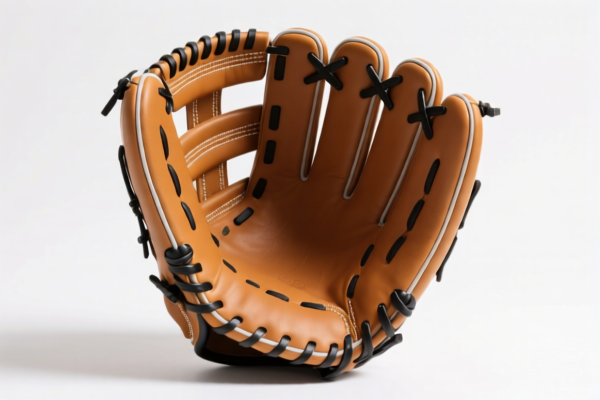
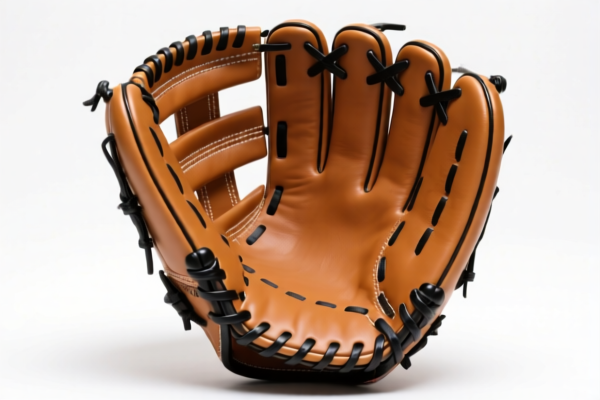
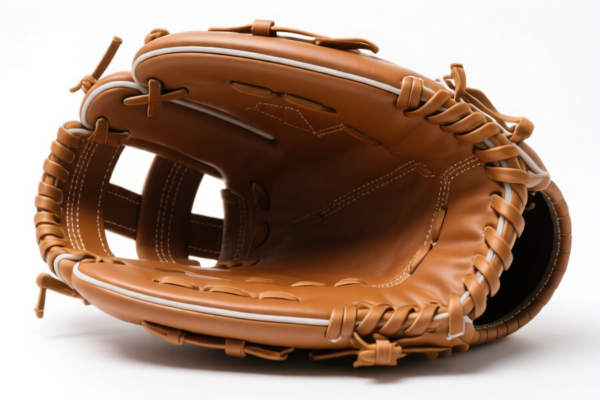
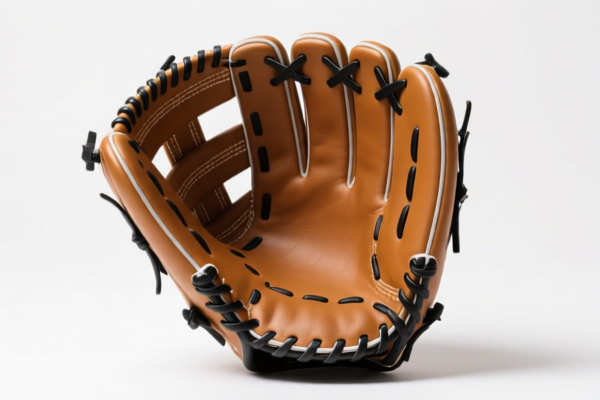
AI Analysis
⚾ Baseball Training Glove (Left-Handed)
🌐 HS Code Reference & Customs Clearance Guide | 2026 Latest Tariff Analysis | Strategic Clearance Strategy
📌 I. Product Definition & Classification: What is a "Baseball Glove"?
A baseball glove is a specialized piece of sporting equipment designed to catch and field balls. In international trade, its classification depends heavily on material composition (leather vs. textiles/synthetic) and manufacturing process (coated vs. uncoated).
Based on the provided data for a Left-Handed Baseball Glove, six potential HS Codes are identified. These range from knitted/textile gloves (Chapter 61/62) to leather goods (Chapter 42). The correct classification determines whether you face a 18.3% tax burden or a steep 38.0% burden.
⚠️ Key Distinction Point:
- If the glove is made primarily of textiles, synthetic fibers, or coated fabrics → It falls under 6116.10 / 6116.93 / 6216.00.
- If the glove is made primarily of leather or composition leather → It falls under 4203.21.
- Critical Note: The "122 Clause Tariff" (10%) and "Additional Tariff" (7.5% or 25%) apply regardless of the base code, significantly impacting total cost.
📦 II. HS Code Classification Details (2026 Tariff Authority Comparison)
The following table details the six possible classifications provided in the data, along with their descriptions and tax implications.
| HS Code | Product Description | Material/Usage Inference | Total Tax Rate |
|---|---|---|---|
6116.10.08.00 |
Gloves, coated/chapped, suitable for sports | Knitted/Textile base with coating; functional material inferred. | 20.3% |
6216.00.08.00 |
Gloves of textiles, coated/plastic/rubber | Leather or plastic/rubber coating surface; sport protective gear. | 18.3% (Lowest Tax) |
6116.93.08.00 |
Other gloves, synthetic fibers | Synthetic fibers or leather; matched to sports use. | 20.3% |
4203.21.40.00 |
Gloves of leather, unlined/lined | Leather or synthetic leather; high tariff category. | 35.0% |
4203.21.20.00 |
Gloves of leather, specific type | Leather or synthetic leather; full form match. | 38.0% (Highest Tax) |
6216.00.46.00 |
Gloves of textiles, other | Artificial fiber or leather; matches sports glove definition. | 20.3% |
🔍 Strategic Insight:
- Lowest Tax Option:6216.00.08.00(18.3%) is the most cost-effective if the product can be legally classified as textile-based or coated fabric.
- Highest Tax Risk:4203.21.20.00(38.0%) applies if the glove is strictly defined as leather.
- Middle Ground: Most textile-based gloves (6116,6216) cluster around 20.3%.
💰 III. 2026 Latest Tariff Rate Breakdown (Detailed Tax Clauses)
✅ Applicable Country: USA (US)
✅ Origin: China (CN) (Implied by the specific tariff structure: 122 Clause + Additional Tariff)
✅ Effective Time: Current Trade War Framework
The total tax rate is composed of three distinct layers. It is crucial to understand how they stack.
🎯 1. Textile-Based Gloves (6116.10, 6116.93, 6216.00)
These codes share a similar tax structure. Let’s use 6116.10.08.00 and 6116.93.08.00 as representative examples (20.3% Total).
| Tax Component | Rate | Description & Legal Basis |
|---|---|---|
| Base Duty | 2.8% | Standard MFN (Most Favored Nation) tariff for textile gloves. |
| Additional Tariff | 7.5% | Section 301 Tariff (Trade War); applies to many Chinese textile products. |
| 122 Clause Tariff | 10% | Specific trade remedy or administrative clause applied to this HS code. |
| Total Tax Rate | 20.3% | Sum of all above components. |
| Calculation | CIF × 20.3% | Tax is calculated on the Cost, Insurance, and Freight value. |
| De Minimis Exemption | ❌ No | These goods are not eligible for Section 321 (De Minimis) exemption due to high tariffs. |
📌 Explanation for
6216.00.08.00(18.3%):
- Base Duty: 0.8% (Lower base rate for some textile gloves).
- Additional Tariff: 7.5%.
- 122 Clause: 10%.
- Total: 0.8 + 7.5 + 10 = 18.3%.
- Recommendation: Verify if your specific material composition qualifies for this lower base duty.
🎯 2. Leather-Based Gloves (4203.21)
These codes incur significantly higher taxes due to the "Additional Tariff" being 25% instead of 7.5%.
| Tax Component | Rate | Description & Legal Basis |
|---|---|---|
| Base Duty | 0.0% - 3.0% | Varies by specific subheading. 4203.21.40 has 0%; 4203.21.20 has 3%. |
| Additional Tariff | 25% | Section 301 Tariff; leather goods face a higher penalty rate. |
| 122 Clause Tariff | 10% | Same administrative clause as textile gloves. |
| Total Tax Rate | 35.0% - 38.0% | Significantly higher than textile options. |
| Calculation | CIF × 35.0% / 38.0% | High impact on profit margins. |
📌 Key Difference:
- The 25% Additional Tariff is the main driver. Even if the Base Duty is 0%, the total hits 35%.
- If Base Duty is 3% (4203.21.20.00), the total hits 38%.
🛠️ IV. Customs Clearance Practical Advice (Avoid Pitfalls)
✅ 1. Material Declaration is Key
Customs officers will verify the material composition of the glove.
- If it is Leather: You must declare it under Chapter 42 (4203.21). Do not try to misclassify as textile to save 15%—this risks penalties, seizures, and audits.
- If it is Synthetic/Textile: Declare under Chapter 61 or 62. Be precise about coatings. If it has a "plastic/rubber coating," it may fall under 6116.10 or 6216.00.
✅ 2. Product Description Strategy
🔥 Clearance Mantra:
"Material First, Coating Second, Function Third."
| Scenario | Recommended Description for Customs | Why? |
|---|---|---|
| Synthetic Leather Glove | "Baseball Glove, Synthetic Leather, Left-Handed, Sports Use" | Fits 4203.21 (Leather-like) but may allow negotiation if it’s not genuine leather. |
| Coated Textile Glove | "Textile Baseball Glove, Plastic-Coated, Left-Handed" | Fits 6116.10 or 6216.00 (Lower tax). |
| Uncoated Textile Glove | "Knitted Baseball Glove, Synthetic Fiber, Uncoated" | Fits 6116.93 (20.3%). |
✅ 3. Documentation Checklist
| Document | Required? | Notes |
|---|---|---|
| Commercial Invoice | ✅ Yes | Must clearly state "Left-Handed Baseball Glove" and material. |
| Packing List | ✅ Yes | Weight and dimensions. |
| Material Composition Sheet | ✅ Yes | Critical for distinguishing Leather (4203) vs. Textile (6116/6216). |
| Product Photos | ✅ Yes | Show interior lining, exterior material, and stitching. |
| Tariff Code Ruling (Optional) | ✅ Recommended | If unsure, apply for an Advance Ruling with US CBP. |
✅ 4. Special Considerations for "Left-Handed"
- Clue Type: Left-handed gloves have the pocket on the right hand. Ensure your invoice and photos reflect this to avoid confusion during inspection.
- Value: Left-handed gloves may be considered "specialty" items, but this does not affect the HS code or tariff rate in the provided data.
🌍 V. Cost Comparison & Conclusion
| Classification | HS Code | Total Tax | Verdict |
|---|---|---|---|
| Best Case | 6216.00.08.00 |
18.3% | Lowest tax. Requires textile/coated fabric composition. |
| Standard Textile | 6116.10.08.00 6116.93.08.00 6216.00.46.00 |
20.3% | Common for synthetic/knitted gloves. |
| Leather (Lower) | 4203.21.40.00 |
35.0% | High tax due to 25% Section 301 tariff. |
| Leather (Highest) | 4203.21.20.00 |
38.0% | Highest cost. Avoid if possible unless material is mandatory. |
📌 Final Recommendation:
1. Verify Material: If your glove is made of synthetic leather or coated textile, aim for6116or6216codes to pay ~20% tax.
2. Avoid Misclassification: Do not declare a leather glove as textile. The risk of 100% duty + penalties outweighs the 18% savings.
3. Plan for High Costs: If the glove is genuinely leather, budget for 35-38% in duties. Consider sourcing from non-China origins if possible to avoid the "Additional Tariff" and "122 Clause."
🎯 VI. Common Mistakes & Pitfalls
❌ Mistake 1: Declaring a Leather Glove as 6116.10.08.00
👉 Consequence: Customs detects material mismatch → Penalty + Back Taxes.
❌ Mistake 2: Ignoring the "122 Clause"
👉 Consequence: Underestimating landed cost by 10%. Total tax is never just the "Base Duty."
❌ Mistake 3: Confusing "Left-Handed" with a different HS Code
👉 Consequence: "Left-Handed" is a design feature, not a material change. It does not change the HS code.
✅ Correct Action:
Provide a detailed Material Composition Sheet to your customs broker. Ask: "Can this coated textile glove be classified under
6216.00.08.00for the lower 18.3% rate?"
📣 Immediate Action:
📞 Consult a Broker: Provide photos and material samples.
📝 Document Accurately: "Baseball Glove, Left-Handed, [Material Name], Coated/Uncoated."
🚀 Optimize: If leather is unavoidable, consider if a synthetic alternative meets quality standards to reduce tax by ~17%.
✨ Professional Clearance, Precise Classification.
💼 Every Percentage Point Matters in Margins!
Customer Reviews
About HS Code Classification
The Harmonized System (HS) is an internationally standardized nomenclature developed by the World Customs Organization (WCO) to classify traded products. Over 200 countries use the HS system as the basis for customs tariffs, trade statistics, and import/export regulations.
Each HS code follows a hierarchical structure:
- Chapter (2 digits) — Broad category of goods (e.g., Chapter 84: Machinery and Mechanical Appliances)
- Heading (4 digits) — More specific grouping within the chapter
- Subheading (6 digits) — Internationally standardized breakdown, used by all WCO member countries
- National subdivisions (8-10 digits) — Country-specific extensions for further classification, such as US HTSUS 10-digit codes
Correct HS code classification is essential for smooth customs clearance, accurate duty payment, and compliance with trade regulations. Misclassification can lead to customs delays, overpayment of duties, or penalties.
When importing from CN to US, the applicable tariff rates may include:
- Most-Favored-Nation (MFN) rate — The standard duty rate applied to WTO members
- General rate — Applied to countries without trade agreements
- Trade remedy duties — Additional tariffs such as Section 301 (anti-dumping), Section 232 (national security), or countervailing duties
The information provided on this page is for reference purposes only. For official classification, please consult with your local customs authority or a licensed customs broker.