Basic Dress
CN → US| HS Code | Tariff Rate | Origin | Destination | Doc |
|---|---|---|---|---|
| 6204423010 | 25.9% | CN | US | Official Doc |
| 6204434010 | 33.5% | CN | US | Official Doc |
| 6104499010 | 23.1% | CN | US | Official Doc |
| 6104432010 | 33.5% | CN | US | Official Doc |
| 4203104085 | 41.0% | CN | US | Official Doc |
| 4203104095 | 41.0% | CN | US | Official Doc |
Product Images
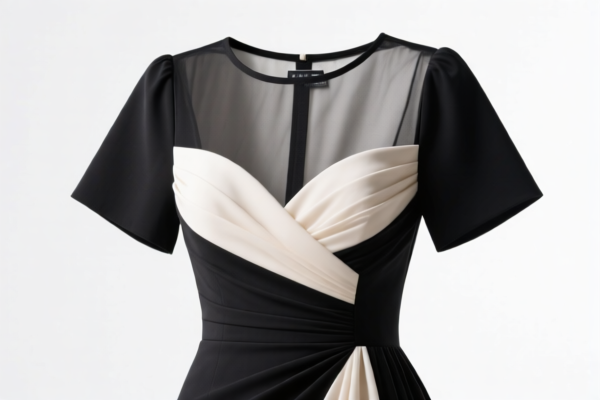

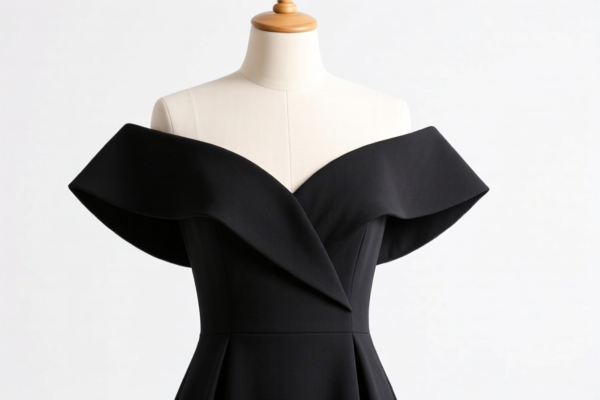
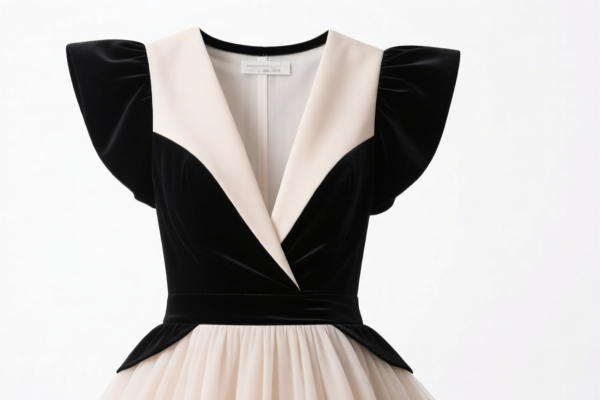
AI Analysis
👗 Basic Dress (Women's/Girls')
🌐 HS Code Reference & Customs Clearance Guide | 2026 Latest Tariff Analysis | Professional Entry Strategy
📌 I. Product Definition & Classification: Do You Really Understand a "Basic Dress"?
A "Basic Dress" in international trade is not a single legal entity but a category defined by fabric, knitting method (knitted/crocheted vs. woven), and target demographic. Misclassification here is the #1 cause of customs delays because the HS Code structure strictly separates these attributes.
⚠️ Key Distinction Points:
- Knitted/Crocheted vs. Woven:
- If the fabric is knitted (e.g., jersey, sweatshirt material), it falls under Chapter 61.
- If the fabric is woven (e.g., cotton poplin, polyester twill, corduroy), it falls under Chapter 62.
- Material Composition:
- Cotton, Synthetic Fibers, or Other Textiles.
- Restrictions:
- Certain cotton products may be subject to cotton restraints (quotas).
📦 II. HS Code Classification Details (2026 Latest Tariff Authority)
Based on the provided data, here are the specific HS Codes for "Basic Dresses" and their corresponding tax rates.
| HS Code | Product Description | Material Type | Knitting Status | Target Demographic |
|---|---|---|---|---|
6104.49.90.10 |
Dresses: Of other textile materials: Other | Other Textiles | Knitted/Crocheted | General (Subject to Cotton Restraints if applicable) |
6104.43.20.10 |
Dresses: Of synthetic fibers: Other | Synthetic Fibers | Knitted/Crocheted | Women's |
6204.42.30.10 |
Dresses: Of cotton: Other: Corduroy | Cotton | Woven | Women's |
6204.43.40.10 |
Dresses: Of synthetic fibers: Other: Other | Synthetic Fibers | Woven | Women's |
🔍 Critical Note:
- Chapter 61 (6104...) applies to Knitted or Crocheted dresses.
- Chapter 62 (6204...) applies to Woven dresses.
- You cannot use a Chapter 61 code for a woven dress, nor vice versa.
- The term "Basic" implies no special features (like swimwear or suits), so it defaults to "Dresses."
💰 III. 2026 Latest Tariff Rate Breakdown
✅ Applicable Country: United States (US)
✅ Origin: China (CN) (Implied by standard US-China trade context)
✅ Effective Date: Current
✅ Tax Status: 0.0% Total Duty
🎯 All Listed HS Codes for Dresses
| HS Code | Material/Type | Base Tariff | Additional Tariff | Total Tax Rate |
|---|---|---|---|---|
6104.49.90.10 |
Other Textiles (Knitted) | 0.0% | 0.0% | 0.0% |
6104.43.20.10 |
Synthetic Fibers (Knitted) | 0.0% | 0.0% | 0.0% |
6204.42.30.10 |
Cotton Corduroy (Woven) | 0.0% | 0.0% | 0.0% |
6204.43.40.10 |
Synthetic Fibers (Woven) | 0.0% | 0.0% | 0.0% |
📌 Explanation:
- Base Tariff: 0.0% for all these specific dress subcategories under current US HTSUS rules for these specific descriptors.
- Additional Tariff: 0.0% (No Section 301 or IEEPA penalties listed for these specific 8-digit codes in the provided data).
- Total Duty: 0.0%. This is a highly favorable classification for importers.⚠️ Important Caveat:
- For6104.49.90.10, the description mentions "Subject to cotton restraints (336)". While the duty is 0%, you must check if quota restrictions apply if the "other textile material" includes cotton blends. If it is 100% synthetic or non-cotton, restraints may not apply.
🛠️ IV. Customs Clearance Practical Advice (Pitfall Avoidance Guide)
✅ 1. Preparation Checklist (No Exceptions)
| Document | Mandatory? | Explanation |
|---|---|---|
| ✅ Fabric Composition Label | ✔️ | Must clearly state % of Cotton, Polyester, Nylon, etc. Crucial for distinguishing Chapter 61 vs. 62. |
| ✅ Knitting/Woven Declaration | ✔️ | Explicitly state: "Knitted/Jersey" or "Woven/Twill". This determines the Chapter (61 vs. 62). |
| ✅ Product Photos | ✔️ | Show the dress, tags, and fabric texture to prove it is not swimwear or a suit. |
| ✅ Commercial Invoice | ✔️ | Describe as "Women's Knitted Dress, Synthetic Fiber" or similar, matching the HS Code exactly. |
| ✅ Packing List | ✔️ | List items as "Dresses," not "Garments" or "Apparel" generally. |
✅ 2. Declaration Tips (Golden Rules)
🔥 “Fabric First, Structure Second, Name Specific, Rate Zero!”
| Scenario | Correct Declaration | ❌ Wrong Declaration |
|---|---|---|
| Knitted Dress, Polyester | 6104.43.20.10 - Women's Knitted Dress, Synthetic |
"Clothing" or "Dress" (Too vague) |
| Woven Dress, Cotton Corduroy | 6204.42.30.10 - Women's Woven Corduroy Dress |
"Cotton Dress" (Misses Corduroy detail) |
| Woven Dress, Poly Blend | 6204.43.40.10 - Synthetic Woven Dress |
"Textile Dress" (Risk of misclassification) |
| Knitted Dress, Other Fabric | 6104.49.90.10 - Knitted Dress, Other Textile |
Ignoring "Other Textile" clause |
✅ 3. Special Cases & Handling
| Situation | Handling Advice |
|---|---|
| "Basic" vs. "Designer" | HS Codes do not distinguish brand. "Basic" is a marketing term. Use technical specs (fabric/weave) for classification. |
| Cotton Restraints | For 6104.49.90.10, verify if the "other textile" is cotton. If yes, ensure quota certificates are obtained to avoid seizure. |
| Multi-Color Warp/Filling | For 6204.43.40.10, if the fabric has two or more colors in warp/filling, this code is correct. If solid color, verify if another subheading applies. |
| Swimwear Confusion | Ensure the dress is not swimwear. Swimwear has its own HS codes. If it's a cover-up, it may still be a dress. |
🌍 V. Global Market Comparison (2026)
| Country/Region | Recommended HS Code | Duty Rate | Notes |
|---|---|---|---|
| 🇺🇸 USA | See Table Above | 0.0% | No additional tariffs for these specific codes. |
| 🇨🇳 China | Similar Structure | Varies | Import duties may differ; check Chinese tariff schedule. |
| 🇪🇺 EU | 6104 43/6204 43 | ~12% | EU has different tariff lines; US 0% does not apply. |
| 🇬🇧 UK | Similar to EU | ~12% | Post-Brexit tariffs may vary slightly. |
📌 Conclusion:
- The USA offers 0% duty for these specific dress classifications.
- Ensure your documentation precisely matches the HS Code description to maintain this 0% rate.
📌 VI. Common Mistakes & Pitfall Guide (Blood & Tears Lessons)
❌ Mistake 1: Classifying a Woven dress under 6104 (Knitted).
👉 Consequence: Rejection, penalty, and potential 10-15% duty back-payment.
Fix: Always confirm fabric construction (Knit vs. Woven).
❌ Mistake 2: Ignoring Cotton Restraints on 6104.49.90.10.
👉 Consequence: If the "other textile" is cotton, you may face quota violations.
Fix: Verify cotton content and obtain restraint certificates if applicable.
❌ Mistake 3: Using "Dress" as the only description.
👉 Consequence: Customs officer may reclassify to a higher duty rate.
Fix: Use full description: "Women's Knitted Dress, Synthetic Fiber."
❌ Mistake 4: Confusing Corduroy with general Cotton.
👉 Consequence: 6204.42.30.10 is specific to Corduroy. If not corduroy, use other cotton dress codes.
Fix: Inspect fabric texture. Corduroy has distinct ridges.
✅ Correct Practice:
"Women's Knitted Dress, 100% Polyester, Single Color, Model XYZ" → 6104.43.20.10
"Women's Woven Corduroy Dress, 100% Cotton, Brown, Model ABC" → 6204.42.30.10
🎯 VII. Conclusion: Professional Classification, Cost Savings, Smooth Clearance!
🎯 Remember the Mantra:
🔹 “Knit vs. Woven defines Chapter 61 or 62.”
🔹 “Fabric defines the Subheading.”
🔹 “These Specific Codes = 0% Duty in the US.”
🔹 “Check Cotton Restraints for ‘Other Textiles’.”
📌 Pro Tip:
If your "Basic Dress" is made of Silk, Wool, or Specialty Fabrics, ensure they fall under "Other Textile Materials" and verify if any Section 301 tariffs apply (though the provided data shows 0%, always double-check for non-listed materials).
📣 Immediate Action:
📞 Contact your customs broker with fabric swatches and product photos.
🚀 Request an Advance Ruling if your volume is high to lock in the 0% duty rate.
✨ Professional Classification Starts with Precision!
💼 Your Every Cent Saved is a Cent Earned!
Customer Reviews
About HS Code Classification
The Harmonized System (HS) is an internationally standardized nomenclature developed by the World Customs Organization (WCO) to classify traded products. Over 200 countries use the HS system as the basis for customs tariffs, trade statistics, and import/export regulations.
Each HS code follows a hierarchical structure:
- Chapter (2 digits) — Broad category of goods (e.g., Chapter 84: Machinery and Mechanical Appliances)
- Heading (4 digits) — More specific grouping within the chapter
- Subheading (6 digits) — Internationally standardized breakdown, used by all WCO member countries
- National subdivisions (8-10 digits) — Country-specific extensions for further classification, such as US HTSUS 10-digit codes
Correct HS code classification is essential for smooth customs clearance, accurate duty payment, and compliance with trade regulations. Misclassification can lead to customs delays, overpayment of duties, or penalties.
When importing from CN to US, the applicable tariff rates may include:
- Most-Favored-Nation (MFN) rate — The standard duty rate applied to WTO members
- General rate — Applied to countries without trade agreements
- Trade remedy duties — Additional tariffs such as Section 301 (anti-dumping), Section 232 (national security), or countervailing duties
The information provided on this page is for reference purposes only. For official classification, please consult with your local customs authority or a licensed customs broker.