Basin
CN → US| HS Code | Tariff Rate | Origin | Destination | Doc |
|---|---|---|---|---|
| 6910900000 | 23.2% | CN | US | Official Doc |
| 7324100050 | 88.4% | CN | US | Official Doc |
| 3922100000 | 23.8% | CN | US | Official Doc |
| 6910100030 | 15.8% | CN | US | Official Doc |
| 7324100010 | 88.4% | CN | US | Official Doc |
| 3922900000 | 41.3% | CN | US | Official Doc |
Product Images
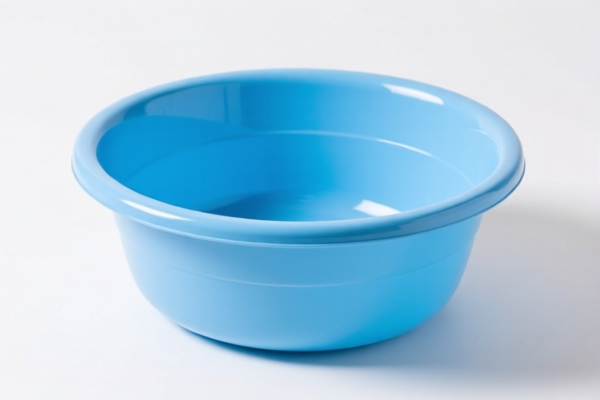
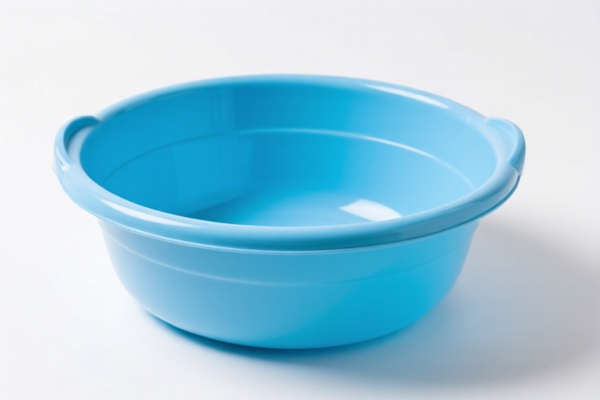
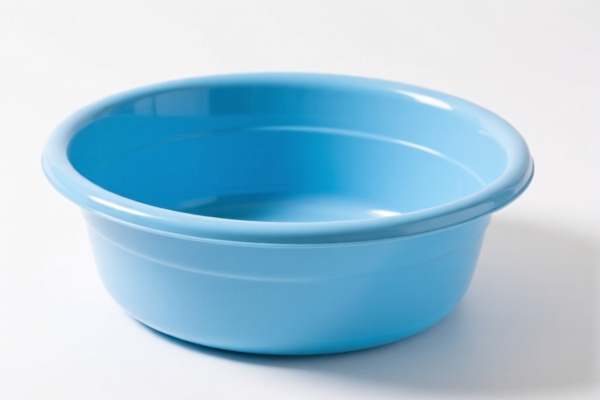
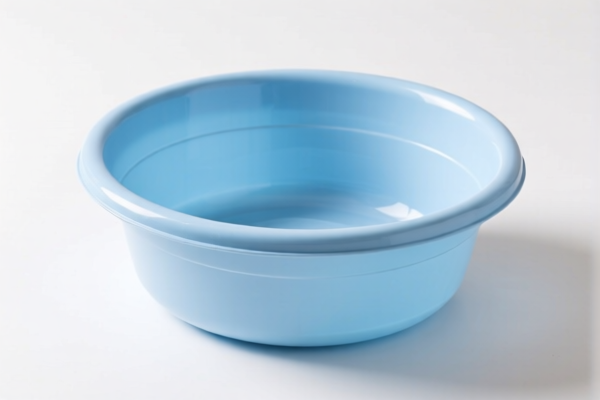
AI Analysis
🚿 Washbasin / Lavatory (洗漱盆/洗脸盆)
🌐 HS Code Reference & Customs Clearance Guide | 2024 Latest Tariff Analysis | Professional Clearance Strategy
📌 Part 1: Product Definition & Material Classification: Do You Really Know Your Basin?
A "Washbasin" (often referred to as a Lavatory or Sink) is a fundamental sanitary fixture used for washing hands, face, or other body parts. In international trade, the Harmonized System (HS) classification is strictly determined by the primary material of the product. Misclassification based on material is the #1 cause of customs delays and unexpected tariffs.
The data below covers the three most common material types: Ceramic, Metal (Stainless Steel), and Plastic.
⚠️ Critical Distinction:
- Ceramic Basins fall under Chapter 69 (Ceramic Products).
- Metal Basins (Stainless Steel) fall under Chapter 73 (Articles of Iron or Steel).
- Plastic Basins fall under Chapter 39 (Articles of Plastics).
Note: The HS Code structure dictates that these materials are mutually exclusive for the same finished product.
📦 Part 2: HS Code Classification Details (2024 Latest Tariff Authority Comparison)
Based on the provided data, here are the specific HS Codes for Washbasins categorized by material inference:
| HS Code | Product Description | Inferred Material | Application/Context |
|---|---|---|---|
6910.90.00.00 |
Washbasin, inferred as Ceramic, classified as ceramic sanitary ware. | Ceramic | General ceramic sanitary ware not specified elsewhere. |
7324.10.00.50 |
Washbasin, inferred as Steel (Stainless Steel), classified as other sanitary ware. | Steel/Stainless Steel | High-grade stainless steel sinks. |
3922.10.00.00 |
Washbasin, inferred as Plastic, fits the classification for plastic washbasins. | Plastic | Standard plastic lavatories. |
6910.10.00.30 |
Washbasin, inferred as Ceramic, matches the purpose of "lavatories". | Ceramic | Specific ceramic lavatories. |
7324.10.00.10 |
Washbasin, inferred as Metal or Ceramic, follows the "other sanitary ware" fallback logic. | Metal (Primarily) | Generic metal sanitary ware; often a catch-all for non-ceramic/metal mix. |
3922.90.00.00 |
Washbasin, inferred as Plastic, matches the use of "washbasins". | Plastic | Other plastic sanitary ware. |
🔍 Key Insight:
- Ceramic (6910) and Metal (7324) items show significant tariff variations depending on the specific sub-heading.
- Plastic (3922) items also vary significantly between10.00and90.00sub-headings.
- Crucially, items under7324.10.00.50and7324.10.00.10(Metal/Steel) incur massive additional tariffs due to "Steel, Aluminum, Copper" specific surcharges.
💰 Part 3: 2024 Latest Tariff Rate Breakdown (Including Surcharges & Policy Add-ons)
✅ Applicable Market: Likely US/China Trade Context (Implied by "Section 122" and specific surcharge structures in data)
✅ Origin: China (CN)
✅ Validity: Current Tariff Schedule
🎯 1. 6910.90.00.00 — Ceramic Washbasin (General)
| Item | Detail |
|---|---|
| Base Tariff | 5.7% |
| Surtariff | 7.5% |
| Section 122 Tariff | 10% |
| Total Tax Rate | 23.2% |
| Tax Calculation | CIF Value × 23.2% |
| Note | Moderate tariff burden. Standard for general ceramic sanitary ware. |
🎯 2. 7324.10.00.50 — Stainless Steel Washbasin (High Risk)
| Item | Detail |
|---|---|
| Base Tariff | 3.4% |
| Surtariff | 25.0% |
| Section 122 Tariff | 10% |
| Steel/Aluminum/Copper Surcharge | 50% |
| Total Tax Rate | 88.4% |
| Tax Calculation | CIF Value × 88.4% |
| Note | EXTREMELY HIGH. The 50% surcharge for steel products drives the total cost up significantly. This applies to stainless steel sinks. |
🎯 3. 3922.10.00.00 — Plastic Washbasin (Standard)
| Item | Detail |
|---|---|
| Base Tariff | 6.3% |
| Surtariff | 7.5% |
| Section 122 Tariff | 10% |
| Total Tax Rate | 23.8% |
| Tax Calculation | CIF Value × 23.8% |
| Note | Similar to ceramic, moderate burden for standard plastic basins. |
🎯 4. 6910.10.00.30 — Ceramic Lavatory (Specific)
| Item | Detail |
|---|---|
| Base Tariff | 5.8% |
| Surtariff | 0.0% |
| Section 122 Tariff | 10% |
| Total Tax Rate | 15.8% |
| Tax Calculation | CIF Value × 15.8% |
| Note | Lowest Tariff Option. No surtariff applies here, making this the most cost-effective ceramic classification if applicable. |
🎯 5. 7324.10.00.10 — Metal/Ceramic Mixed Fallback (High Risk)
| Item | Detail |
|---|---|
| Base Tariff | 3.4% |
| Surtariff | 25.0% |
| Section 122 Tariff | 10% |
| Steel/Aluminum/Copper Surcharge | 50% |
| Total Tax Rate | 88.4% |
| Tax Calculation | CIF Value × 88.4% |
| Note | Same as #2. Even if described as "Metal or Ceramic", if classified under this steel-heavy subheading, it incurs the 50% surcharge. |
🎯 6. 3922.90.00.00 — Plastic Washbasin (Other)
| Item | Detail |
|---|---|
| Base Tariff | 6.3% |
| Surtariff | 25.0% |
| Section 122 Tariff | 10% |
| Total Tax Rate | 41.3% |
| Tax Calculation | CIF Value × 41.3% |
| Note | Higher than 3922.10.00.00. Ensure you classify as 10.00 if it fits, to save 17.5%. |
🛠️ Part 4: Customs Clearance Practical Advice (Real-World Pitfall Guide)
✅ 1. Material Verification is Key (Do Not Guess!)
| Scenario | Correct HS Code Strategy | Consequence of Error |
|---|---|---|
| Porcelain/Ceramic Sink | Aim for 6910.10.00.30 (15.8%) if it matches "Lavatories". Otherwise 6910.90.00.00 (23.2%). |
Misclassifying as Plastic (3922) → 23.8% (Minor diff). Misclassifying as Metal → 88.4% (Catastrophic). |
| Stainless Steel Sink | Must use 7324.10.00.50 or 7324.10.00.10. |
You cannot avoid the 88.4% rate if it is truly steel. Consider supply chain adjustments if this tariff is prohibitive. |
| Plastic Basin | Prefer 3922.10.00.00 (23.8%) over 3922.90.00.00 (41.3%). |
Using 90.00 (Other) when 10.00 (Washbasins) applies results in an extra 17.5% tax. |
📌 Clearance Tip:
- For Ceramic, specify "Porcelain" or "Ceramic Sanitary Ware" in documents.
- For Metal, provide a Material Certificate proving it is Stainless Steel to avoid disputes, but expect the high tariff.
- For Plastic, ensure the description explicitly states "Plastic Washbasin" to trigger3922.10.
✅ 2. Documentation Requirements
| Document | Requirement | Why It Matters |
|---|---|---|
| Product Specifications | Must state Material Composition (e.g., 100% Porcelain, 304 Stainless Steel). | Customs officers rely on this to choose between Ch 69, 73, or 39. |
| Commercial Invoice | Item Name: "Ceramic Lavatory" or "Stainless Steel Basin". | Vague terms like "Basin" may lead to arbitrary classification by customs. |
| Photos | Clear images showing material texture (glaze for ceramic, metallic sheen for steel). | Visual proof prevents misclassification. |
✅ 3. Cost Optimization Strategy
- For Ceramic: If your product is a standard lavatory, fight for classification
6910.10.00.30(15.8%). This is the lowest possible rate in the dataset. - For Plastic: Ensure your product description matches the specific subheading
3922.10.00.00(23.8%) rather than the generic "Other" category (41.3%). - For Steel: Unfortunately, the 88.4% rate is mandatory for steel sanitary ware under these specific trade conditions. Consider:
- Sourcing from non-China origins (if eligible for exemptions).
- Designing with ceramic/plastic exteriors and steel interiors (complex but may change classification).
- Absorbing the cost if volume is high.
🌍 Part 5: Global Market Comparison (Inferred from Data Context)
| Market | Recommended HS Code | Est. Total Tax Rate | Notes |
|---|---|---|---|
| 🇺🇸 USA (China Origin) | See Table in Part 3 | 15.8% - 88.4% | Heavy surcharges on Steel (50%) and Section 122 (10%). |
| 🇨🇳 China (Import) | Similar Structure | Varies | Usually lower base tariffs, but check current Chinese tariff schedule for exact rates. |
| 🇪🇺 EU | N/A (EU uses 8-digit) | Varies | EU does not typically apply "Section 122" style tariffs. Steel surcharges are different. |
📌 Conclusion:
- The US market (implied by data) imposes the highest costs on Steel (7324) and Non-Specific Plastic (3922.90).
- Ceramic (6910.10.00.30) and Specific Plastic (3922.10.00.00) are the most cost-effective categories.
📌 Part 6: Common Mistakes & Pitfalls (Lessons Learned)
❌ Mistake 1: Calling a Stainless Steel Sink "Ceramic" to avoid tariffs.
👉 Result: Customs will seize or reclassify. Fines + Back Taxes + Storage Fees.
👉 Advice: Always declare accurate material.
❌ Mistake 2: Using 3922.90.00.00 for a standard Plastic Washbasin.
👉 Result: Paying 41.3% instead of 23.8%.
👉 Advice: Verify if the product fits 10.00 (Washbasins) before using 90.00 (Other).
❌ Mistake 3: Ignoring the "Steel, Aluminum, Copper Surcharge" for 7324.
👉 Result: Surprise bill of 88.4% when expecting ~30%.
👉 Advice: Factor in the 50% surcharge for all steel imports.
✅ Correct Declaration Example:
"Ceramic Lavatory, Glazed White, Model XYZ, Made of Porcelain"
→ Target HS:6910.10.00.30(15.8%)
🎯 Part 7: Conclusion: Precision Saves Money!
🎯 Recap:
🔹 Ceramic: Aim for
6910.10.00.30(15.8%).
🔹 Plastic: Use3922.10.00.00(23.8%), avoid90.00.
🔹 Steel: Brace for7324(88.4%). No easy way out.🔹 "Material is King. Misclassify Steel, and you lose half your profit!"
🔹 "Plastic in the '10' slot saves 17.5%. Details matter."
📌 Pro Tip:
If you are importing Steel Basins, consider if a composite material (e.g., Ceramic top with Steel frame) allows for classification under Chapter 69 (15.8-23.2%) rather than Chapter 73. Consult a customs broker for complex composite structures.
📣 Immediate Action:
📞 Verify your product's exact material composition.
📄 Match it to the lowest eligible HS Code in the table above.
🚀 Avoid the 88.4% Steel Trap by choosing Ceramic or Specific Plastic classifications where possible!
✨ Professional Clearance Starts with Accurate Classification!
💼 Your profit margin depends on your HS Code!
Customer Reviews
About HS Code Classification
The Harmonized System (HS) is an internationally standardized nomenclature developed by the World Customs Organization (WCO) to classify traded products. Over 200 countries use the HS system as the basis for customs tariffs, trade statistics, and import/export regulations.
Each HS code follows a hierarchical structure:
- Chapter (2 digits) — Broad category of goods (e.g., Chapter 84: Machinery and Mechanical Appliances)
- Heading (4 digits) — More specific grouping within the chapter
- Subheading (6 digits) — Internationally standardized breakdown, used by all WCO member countries
- National subdivisions (8-10 digits) — Country-specific extensions for further classification, such as US HTSUS 10-digit codes
Correct HS code classification is essential for smooth customs clearance, accurate duty payment, and compliance with trade regulations. Misclassification can lead to customs delays, overpayment of duties, or penalties.
When importing from CN to US, the applicable tariff rates may include:
- Most-Favored-Nation (MFN) rate — The standard duty rate applied to WTO members
- General rate — Applied to countries without trade agreements
- Trade remedy duties — Additional tariffs such as Section 301 (anti-dumping), Section 232 (national security), or countervailing duties
The information provided on this page is for reference purposes only. For official classification, please consult with your local customs authority or a licensed customs broker.