Basket
CN → US| HS Code | Tariff Rate | Origin | Destination | Doc |
|---|---|---|---|---|
| 4602110900 | 45.0% | CN | US | Official Doc |
| 7323999040 | 88.4% | CN | US | Official Doc |
| 3924905650 | 20.9% | CN | US | Official Doc |
| 7323999080 | 88.4% | CN | US | Official Doc |
| 3924104000 | 13.4% | CN | US | Official Doc |
Product Images
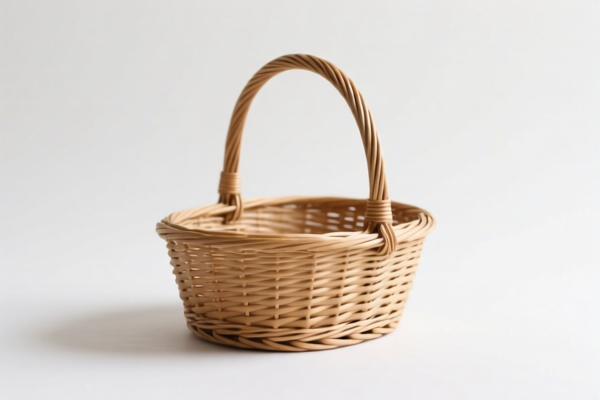



AI Analysis
🧺 Basket (Baskets and Other Plaited Goods)
🌐 HS Code Reference & Customs Clearance Guide | 2026 Latest Tariff Analysis | Professional Clearance Strategy
📌 I. Product Definition and Classification: Do You Really Understand "Basket"?
In international trade, "Basket" is a generic term that covers a wide range of woven containers. The key to accurate classification lies in the material and function. Based on the product morphology (basket shape) and reasonable inference of materials (plant fiber, metal, plastic, iron/steel), the HS codes and tax liabilities vary significantly.
⚠️ Key Classification Points:
- Plant Fiber/Natural Material (e.g., wicker, rattan, bamboo): Falls under Chapter 46.
- Metal/Steel/Iron (e.g., wire baskets, metal storage): Falls under Chapter 73.
- Plastic (e.g., molded plastic baskets, laundry bins): Falls under Chapter 39.
- Function Matters: Is it a "basket/plaited good" (Ch 46) or a "table/kitchenware" (Ch 73/39)?
📦 II. HS Code Classification Details (2026 Latest Tariff Authority Reference)
| HS Code | Product Description | Inferred Material | Key Application Scenario |
|---|---|---|---|
4602.11.09.00 |
Baskets and other plaited goods (of vegetable plaiting materials) | Plant Fiber (Wicker/Rattan/Bamboo) | Home decor, gift baskets, natural storage |
7323.99.90.40 |
Table, kitchen or other household articles of iron or steel | Metal (Steel/Aluminum/Copper) | Kitchen organizers, wire storage baskets, tableware accessories |
7323.99.90.80 |
Table, kitchen or other household articles of iron or steel | Iron/Steel | General household metal baskets, floor storage bins |
3924.90.56.50 |
Tableware, kitchenware, other household articles of plastic | Plastic | Plastic laundry baskets, bathroom caddies, molded plastic bins |
3924.10.40.00 |
Tableware and kitchenware of plastic | Plastic | Plastic food storage baskets, kitchen organizing inserts |
🔍 Critical Reminder:
- Plaited Goods (Ch 46): Must be made of vegetable plaiting materials. If it has a metal frame, it may shift to Ch 73.
- Household Articles (Ch 73/39): If the basket is primarily for kitchen/table use or general household storage and made of metal/plastic, it falls under these chapters, not Ch 46.
- Material Dominance: For composite materials, the material that gives the article its essential character determines the heading.
💰 III. 2026 Latest Tariff Rate Details (Including Additional Taxes, Policy Add-ons)
✅ Applicable Country: United States (US)
✅ Country of Origin: China (CN)
✅ Effective Date: 2025/2026 (Current Tariff Regime)
🎯 1. 4602.11.09.00 —— Baskets of Vegetable Plaiting Materials (Plant Fiber)
| Item | Detail |
|---|---|
| Base Tariff Rate | 10.0% |
| Section 301 Additional Tariff | +25.0% |
| Section 122 Tariff | +10.0% |
| Total Tariff Rate | 45.0% |
| Tax Calculation | CIF Value × 45% |
| De Minimis Exemption | ❌ Not Eligible (High risk of inspection) |
| Legal Basis Path | Base: 4602.11.09.00 → Section 301: +25% → Section 122: +10% |
📌 Explanation:
- "Base Tariff 10%" is the standard MFN rate for plaited goods.
- "Section 301 Additional Tariff 25%" applies to Chinese goods in this category.
- "Section 122 Tariff 10%" is an additional levy.
- Total 45% is a high tariff. Consider sourcing from non-China origins if possible to mitigate costs.
🎯 2. 7323.99.90.40 —— Household Articles of Metal (Steel/Aluminum/Copper)
| Item | Detail |
|---|---|
| Base Tariff Rate | 3.4% |
| Section 301 Additional Tariff | +25.0% |
| Section 122 Tariff | +10.0% |
| Steel/Aluminum/Copper Additional Tariff | +50.0% |
| Total Tariff Rate | 88.4% |
| Tax Calculation | CIF Value × 88.4% |
| De Minimis Exemption | ❌ Not Eligible |
| Legal Basis Path | Base: 7323.99.90.40 → Section 301: +25% → Section 122: +10% → Steel/Al/Cu: +50% |
📌 Critical Warning:
- HIGHEST TIER: This rate is extremely high due to the 50% additional tariff on Steel/Aluminum/Copper products combined with Section 301 and 122.
- If the basket is made of Stainless Steel, it still falls under Ch 73 and is subject to these heavy tariffs.
- Strategy: Avoid declaring metal baskets as Ch 73 if possible. Check if they can be classified as "Plastic" (Ch 39) if they have significant plastic components.
🎯 3. 7323.99.90.80 —— Household Articles of Iron/Steel
| Item | Detail |
|---|---|
| Base Tariff Rate | 3.4% |
| Section 301 Additional Tariff | +25.0% |
| Section 122 Tariff | +10.0% |
| Steel/Aluminum/Copper Additional Tariff | +50.0% |
| Total Tariff Rate | 88.4% |
| Tax Calculation | CIF Value × 88.4% |
| De Minimis Exemption | ❌ Not Eligible |
| Legal Basis Path | Base: 7323.99.90.80 → Section 301: +25% → Section 122: +10% → Steel/Al/Cu: +50% |
📌 Note:
- Similar to7323.99.90.40, this code also incurs the 50% Steel/Al/Cu surcharge.
- Both metal basket codes (...40and...80) result in an 88.4% total tariff.
- Risk: Misclassifying a metal basket as a "Plaited Good" (Ch 46) is customs fraud. Always declare the true material.
🎯 4. 3924.90.56.50 —— Other Household Articles of Plastic
| Item | Detail |
|---|---|
| Base Tariff Rate | 3.4% |
| Section 301 Additional Tariff | +7.5% |
| Section 122 Tariff | +10.0% |
| Total Tariff Rate | 20.9% |
| Tax Calculation | CIF Value × 20.9% |
| De Minimis Exemption | ❌ Not Eligible (Check specific de minimis rules for plastic) |
| Legal Basis Path | Base: 3924.90.56.50 → Section 301: +7.5% → Section 122: +10% |
📌 Advantage:
- Relatively Low Tariff: 20.9% is much more competitive than metal baskets.
- Reason: Plastic items are subject to a lower Section 301 rate (+7.5%) compared to steel/aluminum (+50%).
- Recommendation: If the basket has a plastic structure or is primarily plastic, use this code to save significant costs.
🎯 5. 3924.10.40.00 —— Tableware and Kitchenware of Plastic
| Item | Detail |
|---|---|
| Base Tariff Rate | 3.4% |
| Section 301 Additional Tariff | 0.0% |
| Section 122 Tariff | +10.0% |
| Total Tariff Rate | 13.4% |
| Tax Calculation | CIF Value × 13.4% |
| De Minimis Exemption | ❌ Not Eligible (Check specific de minimis rules) |
| Legal Basis Path | Base: 3924.10.40.00 → Section 301: 0% → Section 122: +10% |
📌 Best Option for Plastic:
- Lowest Tariff: Only 13.4%.
- Reason: Plastic tableware/kitchenware often enjoys a 0% Section 301 surcharge (unlike other plastic goods).
- Applicability: If the plastic basket is used as a kitchen organizer, food storage, or table accessory, this code is ideal.
- Condition: Must be clearly defined as "Kitchenware/Tableware" in description.
🛠️ IV. Customs Clearance Practical Advice (Pitfall Avoidance Guide)
✅ 1. Material Declaration is Key
| Material | Recommended HS Code | Total Tariff | Action |
|---|---|---|---|
| Plant Fiber (Wicker/Bamboo) | 4602.11.09.00 |
45.0% | Declare as "Plaited Basket, Natural Fiber" |
| Plastic (Kitchen/Home Use) | 3924.10.40.00 |
13.4% | BEST CHOICE. Declare as "Plastic Kitchen Storage Basket" |
| Plastic (Other Household) | 3924.90.56.50 |
20.9% | Declare as "Plastic Household Basket" |
| Metal (Steel/Iron/Al/Cu) | 7323.99.90.40/80 |
88.4% | AVOID IF POSSIBLE. High cost. |
💡 Cost-Saving Tip:
If your basket is made of wire frame + plastic basket liner, try to argue it is primarily a plastic article (Ch 39) rather than a metal article (Ch 73). This can reduce tariff from 88.4% to 13.4% or 20.9%.
✅ 2. Description Requirements for Smooth Clearance
| Scenario | Correct Declaration Example | Incorrect Declaration |
|---|---|---|
| Plant Fiber Basket | "Natural Rattan Storage Basket, Plaited, Handmade" | "Basket" (Too vague) |
| Plastic Kitchen Basket | "Plastic Kitchen Utensil Holder, Dish Drying Rack, Model XYZ" | "Plastic Basket" |
| Metal Wire Basket | "Steel Wire Storage Basket, Home Organization, No Coating" | "Metal Basket" |
🔥 Key Phrase:
- For Plastic: Use "Kitchenware", "Tableware", or "Household Article" to target3924.10.40.00(13.4%).
- For Metal: Be precise about Alloy Composition (Steel vs. Aluminum) as it affects the 50% surcharge.
✅ 3. Special Situations
| Situation | Handling Advice |
|---|---|
| Composite Material Basket (e.g., Bamboo handle + Plastic body) | Declare based on the essential character. If plastic body >50% by weight/value, use Ch 39. |
| Basket with Metal Frame | If the metal frame is structural, Ch 73 may apply. If plastic is dominant, argue Ch 39. |
| Gift Set with Basket | Declare the basket separately if possible. If sold as a set, classify by the item that gives the set its essential character. |
| Origin: Vietnam/Malaysia | If the basket is substantially transformed in Vietnam/Malaysia, it may qualify for lower Section 301 rates or exemptions. Provide Form A or VOB (Vietnam/Malaysia) certificate. |
🌍 V. Global Market Comparison (2026 Latest)
| Country/Region | Recommended HS Code (Plastic Basket) | Tariff (China Origin) | Notes |
|---|---|---|---|
| 🇺🇸 USA | 3924.10.40.00 |
13.4% | Best rate for plastic kitchenware |
| 🇺🇸 USA | 7323.99.90.40 |
88.4% | Avoid metal baskets due to high tariffs |
| 🇪🇺 EU | 3924.10.40.00 |
~5-8% | No Section 301/122. Lower baseline. |
| 🇬🇧 UK | 3924.10.40.00 |
~5-8% | Post-Brexit tariffs similar to EU. |
| 🇨🇳 China | 3924.10.40.00 |
~5-8% | Low import duty. |
📌 Conclusion:
- USA is the most challenging market due to Section 301 and Section 122 tariffs.
- Plastic Kitchenware (Ch 39) is the most tariff-efficient category for baskets in the US.
- Metal Baskets (Ch 73) are prohibitively expensive due to the 50% steel/aluminum surcharge.
📌 VI. Common Errors & Pitfall Guide (Lessons Learned)
❌ Error 1: Classifying a Plastic Kitchen Basket as 4602.11.09.00 (Plant Fiber)
👉 Consequence: Customs may reject the declaration for material mismatch, leading to delays and fines.
❌ Error 2: Classifying a Metal Wire Basket as 7323.99.90.80 without declaring Steel/Al
👉 Consequence: Missing the 50% Steel/Al surcharge can lead to huge back taxes and penalties.
❌ Error 3: Using "Basket" as the only product name
👉 Consequence: Customs cannot determine material or function, leading to additional inspections and delays.
✅ Correct Practice:
"Plastic Kitchen Utensil Holder, Dish Drying Basket, Model ABC, Made of Polypropylene, Origin: China"
🎯 VII. Conclusion: Smart Classification, Cost Efficiency!
🎯 Remember the Strategy:
🔹 "Plastic Kitchen, 13.4% is king; Metal Wire, 88.4% is stingy."
🔹 "Material dictates Code, Code dictates Cost."
📌 Pro Tip:
If you are importing baskets from China, consider:
1. Using Plastic Kitchenware codes (3924.10.40.00) for the lowest tariff (13.4%).
2. Avoiding Metal baskets unless necessary, due to the 88.4% rate.
3. Exploring Third-Country Origin (Vietnam, Malaysia) for metal/plastic baskets to mitigate US tariffs.
📣 Immediate Action:
📞 Consult with a Customs Broker for Advance Ruling on composite baskets.
🚀 Optimize your supply chain to use low-tariff HS Codes and save on import duties!
✨ Professional Clearance Starts with Accurate Classification!
💼 Every Dollar Saved in Tariffs is Pure Profit!
Customer Reviews
About HS Code Classification
The Harmonized System (HS) is an internationally standardized nomenclature developed by the World Customs Organization (WCO) to classify traded products. Over 200 countries use the HS system as the basis for customs tariffs, trade statistics, and import/export regulations.
Each HS code follows a hierarchical structure:
- Chapter (2 digits) — Broad category of goods (e.g., Chapter 84: Machinery and Mechanical Appliances)
- Heading (4 digits) — More specific grouping within the chapter
- Subheading (6 digits) — Internationally standardized breakdown, used by all WCO member countries
- National subdivisions (8-10 digits) — Country-specific extensions for further classification, such as US HTSUS 10-digit codes
Correct HS code classification is essential for smooth customs clearance, accurate duty payment, and compliance with trade regulations. Misclassification can lead to customs delays, overpayment of duties, or penalties.
When importing from CN to US, the applicable tariff rates may include:
- Most-Favored-Nation (MFN) rate — The standard duty rate applied to WTO members
- General rate — Applied to countries without trade agreements
- Trade remedy duties — Additional tariffs such as Section 301 (anti-dumping), Section 232 (national security), or countervailing duties
The information provided on this page is for reference purposes only. For official classification, please consult with your local customs authority or a licensed customs broker.