Basket, basketwork, wickerwork
CN → US| HS Code | Tariff Rate | Origin | Destination | Doc |
|---|---|---|---|---|
| 4602110700 | 35.0% | CN | US | Official Doc |
| 4602110900 | 45.0% | CN | US | Official Doc |
| 4601920500 | 37.7% | CN | US | Official Doc |
| 3926909989 | 22.8% | CN | US | Official Doc |
Product Images
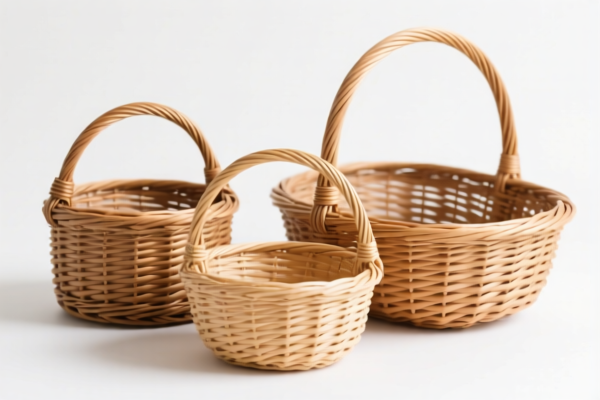
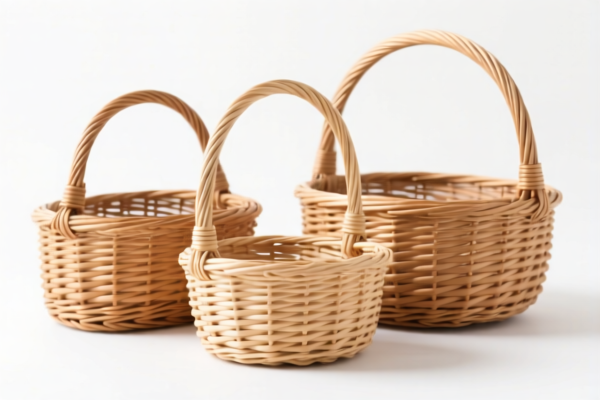
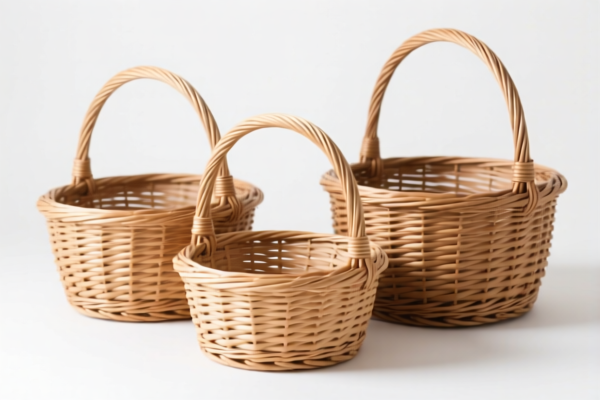
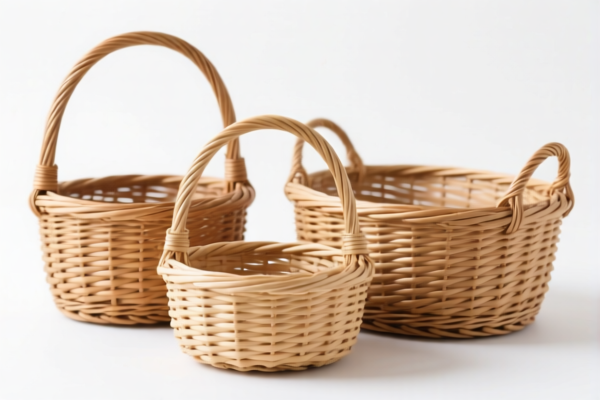
AI Analysis
🧺 Baskets, Basketwork & Wickerwork: The Ultimate 2026 US Customs Clearance Guide
🌐 HS Code Reference & Customs Strategy | 2026 Latest Tariff Analysis | Professional Entry Advice
📌 One. Product Definition & Classification: Do You Really Know What a "Basket" Is?
Baskets, basketwork, and wickerwork are traditional woven containers used for storage, decoration, or transport. In international trade, the classification depends heavily on material composition and manufacturing process. Under the Harmonized System (HS), Chapter 46 covers "Vegetable Plaiting Materials; Basketware and Wickerwork."
However, material inference is critical. Misidentifying a plastic basket as a natural fiber one (or vice versa) can lead to severe tariff discrepancies due to Section 301 and IEEPA penalties on Chinese goods.
⚠️ Key Distinction:
- Natural Fiber (Bamboo/Rattan/Willow) → Chapter 46 (Sections 4601/4602)
- Plastic/Synthetic Material → Chapter 39 (Section 3926)
- Import Origin: Assuming China (CN) to the USA (US), triggering additional duties.
📦 Two. HS Code Classification Details (2026 Latest Tariff Authority)
The following HS codes are extracted from your provided data, ranked by tax efficiency and classification logic.
| HS Code | Product Description | Material Inference | Total Tax | Legal Basis for Classification |
|---|---|---|---|---|
3926.90.99.89 |
Other articles of plastics (Unspecified plastic products) | Plastic fibers or synthetic materials (e.g., PE rattan, plastic wicker) | 22.8% | Classified under "Other plastics" if not specified elsewhere. |
4602.11.07.00 |
Basketware, incl. basketware made of plaiting materials | Bamboo, willow, or other plant fibers (Woven baskets) | 35.0% | Specific classification for bamboo/plant fiber baskets. |
4601.92.05.00 |
Plaiting materials and products thereof (incl. basketry) | Bamboo weaving crafts (Matting/Panel-like) | 37.7% | Classified as plaiting materials/products, often for items like bamboo mats or structured weaves. |
4602.11.09.00 |
Basketware (Other) | Rattan, reed, or other plant materials (General basketwork) | 45.0% | General basket classification for non-bamboo plant fibers. |
🔍 Critical Note:
-4602.11.07.00is the most tax-efficient classification for natural fiber baskets (35%).
-3926.90.99.89is the most tax-efficient if the basket is made of plastic/synthetic fibers (22.8%).
-4602.11.09.00carries the highest burden (45%) for natural fiber baskets, often due to broader categorization.
💰 Three. 2026 Latest Tariff Rate Breakdown (Including Additional Duties & Policy Surcharges)
✅ Applicable Country: USA (US)
✅ Country of Origin: China (CN)
✅ Effective Date: 2025/2026 Current Regulations
🎯 1. 3926.90.99.89 —— Plastic Articles of Basketry (Lowest Tax)
| Item | Detail |
|---|---|
| Base Tariff | 5.3% (ad valorem) |
| Section 301 Additional Duty | +7.5% (Specific to certain plastic articles) |
| IEEPA Surcharge | +10% (122 Clause Tariff for Chinese goods) |
| Total Effective Rate | 22.8% |
| Calculation | CIF Value × 22.8% |
| De Minimis Exemption | ❌ Not Eligible (Deny De Minimis for China) |
| Legal Path | IEEPA:122 → Section 301:7.5% → USITC:3926.90.99.89 |
📌 Explanation:
- Even though it is a basket, if made of plastic, it falls under Chapter 39.
- The total tax is significantly lower than natural fiber counterparts due to lower Section 301 rates.
- Action: Confirm if the material is truly plastic (e.g., "All-weather Rattan" is often plastic).
🎯 2. 4602.11.07.00 —— Bamboo/Plant Fiber Baskets (Optimal for Natural Fibers)
| Item | Detail |
|---|---|
| Base Tariff | 0.0% |
| Section 301 Additional Duty | +25.0% (Standard 301 Rate) |
| IEEPA Surcharge | +10% (122 Clause Tariff) |
| Total Effective Rate | 35.0% |
| Calculation | CIF Value × 35.0% |
| De Minimis Exemption | ❌ Not Eligible |
| Legal Path | IEEPA:122 → Section 301:25% → USITC:4602.11.07.00 |
📌 Explanation:
- This is the recommended HS code for genuine bamboo or willow baskets.
- Base tariff is 0%, but the 35% total reflects the heavy penalties on Chinese imports.
- Action: Ensure the product is marketed and labeled as "Bamboo" or "Wicker" with material proof.
🎯 3. 4601.92.05.00 —— Plaiting Materials/Bamboo Crafts (Mid-Range Tax)
| Item | Detail |
|---|---|
| Base Tariff | 2.7% |
| Section 301 Additional Duty | +25.0% |
| IEEPA Surcharge | +10% (122 Clause Tariff) |
| Total Effective Rate | 37.7% |
| Calculation | CIF Value × 37.7% |
| De Minimis Exemption | ❌ Not Eligible |
| Legal Path | IEEPA:122 → Section 301:25% → USITC:4601.92.05.00 |
📌 Explanation:
- Often used for bamboo mats or structured weaving that doesn't fit the strict "basket" definition.
- Slightly higher than4602due to the 2.7% base tariff.
- Action: Only use if the item is a flat woven product (like a placemat) rather than a container.
🎯 4. 4602.11.09.00 —— Other Basketware (Highest Tax)
| Item | Detail |
|---|---|
| Base Tariff | 10.0% |
| Section 301 Additional Duty | +25.0% |
| IEEPA Surcharge | +10% (122 Clause Tariff) |
| Total Effective Rate | 45.0% |
| Calculation | CIF Value × 45.0% |
| De Minimis Exemption | ❌ Not Eligible |
| Legal Path | IEEPA:122 → Section 301:25% → USITC:4602.11.09.00 |
📌 Explanation:
- This is a "catch-all" for baskets not specified in4602.11.07.00.
- The 10% base tariff makes this the most expensive natural fiber option.
- Warning: Avoid this code if your product qualifies for4602.11.07.00(Bamboo). Misclassification here costs an extra 10%.
🛠️ Four. Customs Clearance Practical Advice (Battle-Tested Pitfall Guide)
✅ 1. Required Documentation Checklist (Non-Negotiable)
| Document | Mandatory? | Purpose |
|---|---|---|
| ✅ Material Composition Certificate | ✔️ | Must state % of Bamboo/Plastic/Rattan. Crucial for choosing between Ch 39 and Ch 46. |
| ✅ Product Photos (Clear) | ✔️ | Show the weave pattern, handle, and overall shape. Distinguish between "woven basket" and "plastic molded item." |
| ✅ Commercial Invoice | ✔️ | Description must match HS code (e.g., "Bamboo Storage Basket" vs. "Plastic Basket"). |
| ✅ Packing List | ✔️ | Net/Gross weight and dimensions. |
| ✅ Origin Certificate (if applicable) | ✔️ | While China has no FTA with US, accurate origin prevents "Country of Origin Fraud" penalties. |
✅ 2. Declaration Strategy (Key Mnemonics)
🔥 "Material First, Shape Second. Plastic is Cheap, Bamboo is Mid, Mistake is Expensive!"
| Scenario | Correct Declaration | Wrong Declaration | Consequence |
|---|---|---|---|
| Plastic "Rattan" Basket | 3926.90.99.89 (Plastic) |
4602.11.07.00 (Bamboo) |
Under-declaration Risk: Fine + Back Duties (45% vs 22.8%) |
| Real Bamboo Basket | 4602.11.07.00 (Bamboo) |
4602.11.09.00 (Other) |
Over-taxation: Pay 45% instead of 35% |
| Bamboo Mat (Flat) | 4601.92.05.00 |
4602.11.07.00 |
Misclassification: May trigger audit if shape is not basket-like |
| Mixed Material (Bamboo Frame + Plastic Liner) | Consult Specialist | Declare as One Material | Complexity: May require split valuation or dominant material test |
✅ 3. Special Cases & Solutions
| Situation | Handling Advice |
|---|---|
| "All-Weather Wicker" | If 100% PE Plastic, declare as 3926.90.99.89. Do NOT call it "Wicker" in the description without clarifying "Synthetic." |
| Bamboo + Metal Handles | If metal is minor (<10% value), still likely 4602. If metal is dominant, it may move to Chapter 73 or 83. |
| Decorative vs. Functional | HS code for Chapter 46 applies to both. Function does not change the tax rate here, but material does. |
| Kit Items (Baskets + Liners) | Declare as the principal component. If basket is main, use Basket HS code. |
🌍 Five. Global Market Comparison (2026 Update)
| Country/Region | Recommended HS Code | Est. Total Tax (China Origin) | Key Certification | Notes |
|---|---|---|---|---|
| 🇺🇸 USA | 3926.90.99.89 / 4602.11.07.00 |
22.8% ~ 35.0% | None required | Section 301 + IEEPA apply heavily. |
| 🇪🇺 EU | 4602.11 / 3926.90 |
0% ~ 4.0% | None | No punitive tariffs. Much cheaper to ship to EU. |
| 🇨🇳 China | 4602.11 / 3926.90 |
5% ~ 10% | CCC (if plastic) | Import duty is low, but domestic VAT applies. |
| 🇬🇧 UK | 4602.11 / 3926.90 |
0% ~ 4.0% | UKCA | Post-Brexit rules similar to EU. |
📌 Strategic Insight:
- The US market imposes a 25-45% penalty on Chinese baskets.
- The EU/UK/Asia markets have negligible or low tariffs.
- Recommendation: If volume is high, consider transshipment or manufacturing in Southeast Asia (Vietnam/Thailand) to avoid Section 301 and IEEPA duties.
📌 Six. Common Errors & Pitfalls (Blood & Tears Lessons)
❌ Error 1: Calling a plastic basket "Wicker" to get a 0% base tariff.
👉 Result: CBP inspection reveals PE material → Fraud Penalty + 45% Back Tariff.
❌ Error 2: Declaring all bamboo products under 4602.11.09.00 (45% tax).
👉 Result: Overpaying 10% unnecessarily. Use 4602.11.07.00 for bamboo.
❌ Error 3: Ignoring the IEEPA 10% Surcharge.
👉 Result: Even with 0% base, the total is 35-45%. Plan cash flow accordingly.
❌ Error 4: Splitting shipment to avoid de minimis.
👉 Result: China is excluded from de minimis ($800). No exemption applies.
✅ Best Practice:
"Synthetic Polyethylene Wicker Basket, Blue, 12x8 inches, Made in China"
→ HS: 3926.90.99.89 (22.8%)"Handwoven Bamboo Storage Basket, Natural, 10x10 inches, Made in China"
→ HS: 4602.11.07.00 (35.0%)
🎯 Seven. Conclusion: Professional Classification, Cost Optimization!
🎯 Remember the Mantra:
🔹 "Plastic is Cheap (22.8%), Bamboo is Mid (35%), Mistake is High (45%)!"
🔹 "Material is King, Shape is Queen, Origin is the Jailor!"
🔹 "Don't pay 45% if you can pay 35% with correct bamboo code!"
📌 Pro Tip:
If your product is 100% Plastic, ALWAYS choose 3926.90.99.89 (22.8%). It is significantly cheaper than any natural fiber basket due to lower Section 301 rates.
If Natural, ensure it is specified as Bamboo to hit 4602.11.07.00 (35%) and avoid the 4602.11.09.00 trap (45%).
📣 Immediate Action:
📞 Audit Your Bill of Materials: Is it Bamboo or Plastic?
📄 Update HS Codes: Move from4602.11.09.00to4602.11.07.00or3926.90.99.89if applicable.
🚀 Reduce Landed Cost by 10-22% Today!
✨ Precision in Classification, Profit in Logistics!
💼 Every Penny Saved is a Penny Earned in 2026!
Customer Reviews
About HS Code Classification
The Harmonized System (HS) is an internationally standardized nomenclature developed by the World Customs Organization (WCO) to classify traded products. Over 200 countries use the HS system as the basis for customs tariffs, trade statistics, and import/export regulations.
Each HS code follows a hierarchical structure:
- Chapter (2 digits) — Broad category of goods (e.g., Chapter 84: Machinery and Mechanical Appliances)
- Heading (4 digits) — More specific grouping within the chapter
- Subheading (6 digits) — Internationally standardized breakdown, used by all WCO member countries
- National subdivisions (8-10 digits) — Country-specific extensions for further classification, such as US HTSUS 10-digit codes
Correct HS code classification is essential for smooth customs clearance, accurate duty payment, and compliance with trade regulations. Misclassification can lead to customs delays, overpayment of duties, or penalties.
When importing from CN to US, the applicable tariff rates may include:
- Most-Favored-Nation (MFN) rate — The standard duty rate applied to WTO members
- General rate — Applied to countries without trade agreements
- Trade remedy duties — Additional tariffs such as Section 301 (anti-dumping), Section 232 (national security), or countervailing duties
The information provided on this page is for reference purposes only. For official classification, please consult with your local customs authority or a licensed customs broker.