Bath Mat
CN → US| HS Code | Tariff Rate | Origin | Destination | Doc |
|---|---|---|---|---|
| 4016910000 | 37.7% | CN | US | Official Doc |
| 3921135000 | 39.2% | CN | US | Official Doc |
| 4016100000 | 35.0% | CN | US | Official Doc |
| 6304920000 | 23.8% | CN | US | Official Doc |
| 6304910120 | 23.3% | CN | US | Official Doc |
Product Images
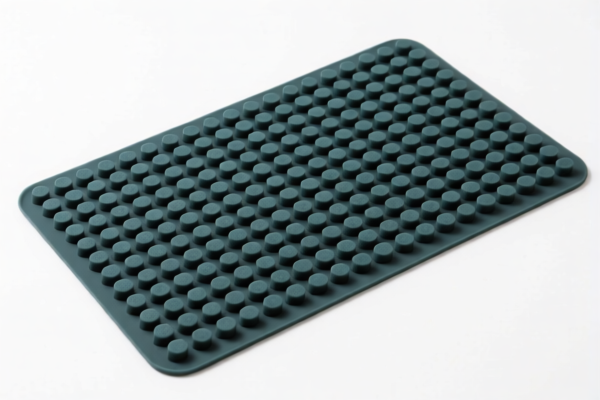
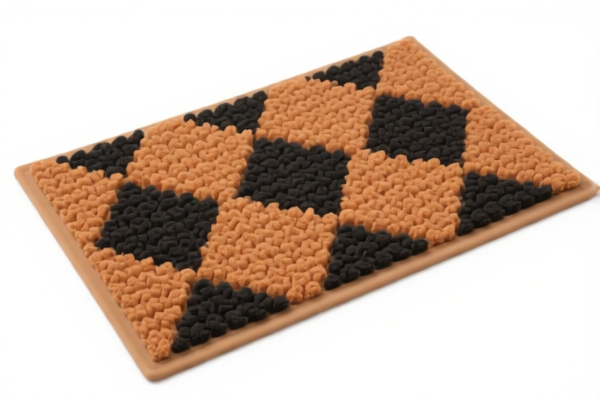
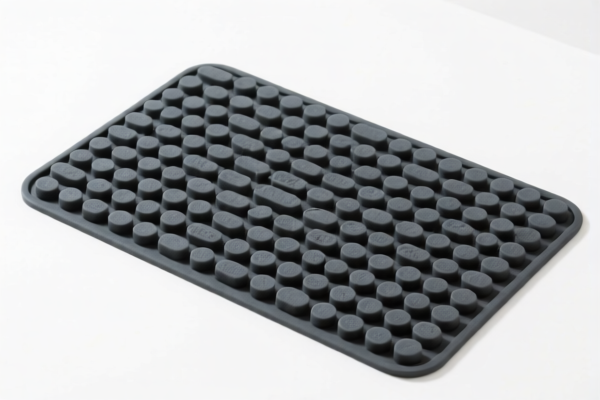
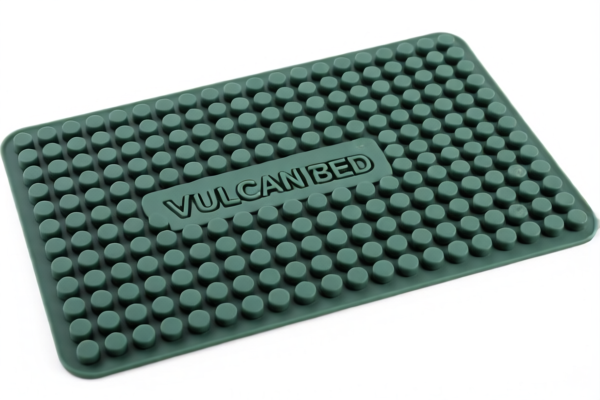
AI Analysis
🛁 Bath Mats (Bathroom Rugs & Runners)
🌐 HS Code Reference & Customs Clearance Guide | 2026 Latest Tariff Analysis | Professional Classification Strategy
📌 I. Product Definition & Classification: Do You Really Know a "Bath Mat"?
A Bath Mat is a ubiquitous household item designed for safety and comfort in wet areas like bathrooms, showers, and kitchens. In international trade, its classification is highly sensitive to material composition. A generic name like "Bath Mat" can lead to vastly different tariff outcomes depending on whether it is made of rubber, plastic, or textile.
There are two primary classification paths:
1. Rubber/Plastic Mats (Non-Textile):
These are typically molded or extruded mats designed for high water resistance and slip resistance. They fall under Chapters 39 (Plastics) or 40 (Rubber).
2. Textile Mats (Knitted/Non-Knitted):
These are soft, absorbent mats made from cotton, polyester, or other fibers. They fall under Chapter 63 (Other Made Up Textile Articles).
⚠️ Critical Distinction Point:
- If the mat is sponge-like, rubbery, or hard plastic → It belongs in Chapter 39 or 40.
- If the mat is fabrics, woven, knitted, or tufted cloth → It belongs in Chapter 63.
- Misclassification risk: Declaring a cotton mat as rubber (or vice versa) triggers severe penalties for undervaluation or prohibited materials.
📦 II. HS Code Classification Details (2026 Latest Tariff Authority对照)
Based on the specific characteristics and common market assumptions, here are the five most likely HS Codes for "Bath Mats":
| HS Code | Product Description | Material Assumption | Classification Logic |
|---|---|---|---|
4016.91.00.00 |
Other articles of vulcanized rubber other than hard rubber: Floor coverings and mats | Vulcanized Rubber | Matches common "rubber bath mats" used for slip resistance. Fits "Floor coverings and mats" attribute. |
3921.13.50.00 |
Other plates, sheets, film, foil and strip, of polymers of ethylene: Other | Polyurethane (PU) / Plastic | Infers material as PU or similar plastic sheet/panel shape. Common for waterproof, non-absorbent mats. |
4016.10.00.00 |
Other articles of vulcanized rubber other than hard rubber: Rubber flooring | Vulcanized Rubber | General category for rubber articles. Less specific than 4016.91 but fits general rubber bath mats. |
6304.92.00.00 |
Other furnishing articles: Of cotton: Other | Cotton (Non-Knitted) | Matches "Furnishing articles." Infers common cotton material. Fits "Other furnishing articles" logic. |
6304.91.01.20 |
Other furnishing articles: Of cotton, knitted or crocheted: Other | Cotton (Knitted) | Matches form and use (indoor decoration/furnishing). Infers knitted cotton material, common for soft, absorbent mats. |
🔍 Key Insight:
- Rubber/Plastic Codes (39xx/40xx): Generally attract higher tariffs due to Section 301 and IEEPA measures. - Textile Codes (63xx): Generally have lower base tariffs and fewer additional surcharges, but still subject to US duties.
💰 III. 2026 Latest Tariff Rate Breakdown (Including Surcharges & Policy Add-ons)
✅ Applicable Country: United States (US)
✅ Country of Origin: China (CN)
✅ Effective Date: November 10, 2025 (and subsequent imports)
🎯 1. 4016.91.00.00 – Other Vulcanized Rubber Articles (Mats)
| Item | Content |
|---|---|
| Base Duty Rate | 2.7% (ad valorem) |
| Section 301 Surcharge | +25.0% |
| IEEPA Surcharge (Section 122) | +10.0% |
| Total Effective Rate | 37.7% |
| Tax Calculation | CIF Value × 37.7% |
| De Minimis Exemption | ❌ Not Eligible (High tariff prevents de minimis benefit for most shipments) |
| Legal Basis Path | USITC:4016.91.00.00 → Section 301: Footnote 9903.88.01 → IEEPA:9903.01.25 |
📌 Explanation:
- Rubber bath mats are heavily impacted by trade tensions. The 37.7% total rate significantly erodes profit margins. - The 25% Section 301 duty is applied on top of the base rate.
🎯 2. 3921.13.50.00 – Other Polymer Sheets (PU/Plastic Mats)
| Item | Content |
|---|---|
| Base Duty Rate | 4.2% (ad valorem) |
| Section 301 Surcharge | +25.0% |
| IEEPA Surcharge (Section 122) | +10.0% |
| Total Effective Rate | 39.2% |
| Tax Calculation | CIF Value × 39.2% |
| De Minimis Exemption | ❌ Not Eligible |
| Legal Basis Path | USITC:3921.13.50.00 → Section 301 → IEEPA |
📌 Note:
- This is the highest tariff bracket among the options. - Even if the material is "Plastic," it is taxed similarly to rubber due to the broad scope of Section 301. - Common for "egg-crate" foam mats or hard plastic shower liners.
🎯 3. 4016.10.00.00 – Other Vulcanized Rubber Articles (General)
| Item | Content |
|---|---|
| Base Duty Rate | 0.0% (ad valorem) |
| Section 301 Surcharge | +25.0% |
| IEEPA Surcharge (Section 122) | +10.0% |
| Total Effective Rate | 35.0% |
| Tax Calculation | CIF Value × 35.0% |
| De Minimis Exemption | ❌ Not Eligible |
| Legal Basis Path | USITC:4016.10.00.00 → Section 301 → IEEPA |
📌 Analysis:
- While the base rate is 0%, the 35% total surcharge remains very high. - This code is less specific than4016.91but may be used if the mat doesn't strictly fit "floor coverings" but is still rubber.
🎯 4. 6304.92.00.00 – Other Furnishing Articles (Non-Knitted Cotton)
| Item | Content |
|---|---|
| Base Duty Rate | 6.3% (ad valorem) |
| Section 301 Surcharge | +7.5% (Note: Lower Section 301 rate for some textiles) |
| IEEPA Surcharge (Section 122) | +10.0% |
| Total Effective Rate | 23.8% |
| Tax Calculation | CIF Value × 23.8% |
| De Minimis Exemption | ❌ Not Eligible (Unless under specific threshold, but high rate usually negates benefit) |
| Legal Basis Path | USITC:6304.92.00.00 → Section 301 → IEEPA |
📌 Key Advantage:
- This is the lowest tariff option among the rubber/plastic categories. - Suitable for woven cotton or felt bath mats (non-knitted). - Check if your specific cotton mat fits "knitted" (6304.91) for potentially lower rates.
🎯 5. 6304.91.01.20 – Other Furnishing Articles (Knitted Cotton)
| Item | Content |
|---|---|
| Base Duty Rate | 5.8% (ad valorem) |
| Section 301 Surcharge | +7.5% |
| IEEPA Surcharge (Section 122) | +10.0% |
| Total Effective Rate | 23.3% |
| Tax Calculation | CIF Value × 23.3% |
| De Minimis Exemption | ❌ Not Eligible |
| Legal Basis Path | USITC:6304.91.01.20 → Section 301 → IEEPA |
📌 Optimal Strategy:
- This is the most cost-effective classification for standard soft bath mats. - Applies to knitted or crocheted cotton mats (e.g., terry cloth, loop pile). - Recommendation: If your product is fabric-based, ensure it is described as "Knitted Cotton" to qualify for this lower tier.
🛠️ IV. Customs Clearance Practical Advice (Real-World Pitfall Guide)
✅ 1. Preparation Checklist (Missing items will cause delays)
| Document | Mandatory? | Description |
|---|---|---|
| ✅ Product Spec Sheet | ✔️ | Must specify Material Composition (e.g., "100% Cotton" vs. "SBR Rubber"). |
| ✅ Product Photos | ✔️ | Clear images showing texture, thickness, and backing. Distinguish between rubber grip and fabric top. |
| ✅ Commercial Invoice | ✔️ | Must accurately describe the item. Avoid generic terms like "Mat." Use "Cotton Bath Mat" or "Rubber Shower Mat." |
| ✅ Packaging List | ✔️ | Weight and dimensions per carton. |
| ✅ Origin Certificate | ✔️ | Crucial for verifying CN origin to apply correct Section 301/IEEPA rates. |
✅ 2. Declaration Strategy (Key Mantra)
🔥 "Material is King, Structure is Queen, Name must match!"
| Scenario | Correct Declaration | Incorrect Practice | Result |
|---|---|---|---|
| Soft, Absorbent Mat | "Knitted Cotton Bath Mat" → 6304.91.01.20 |
"Rubber Mat" | Overpaying 15%+ taxes |
| Waterproof, Grip Mat | "Vulcanized Rubber Bath Mat" → 4016.91.00.00 |
"Cotton Mat" | Smuggling/Prohibited Goods Alert |
| Foam/Egg-Crate Mat | "Polyurethane Foam Mat" → 3921.13.50.00 |
"Plastic Sheet" | Misclassification Fine |
| Mixed Material | Describe dominant material clearly | Vague "Multi-material" | Customs Hold for Inspection |
✅ 3. Special Handling Tips
| Situation | Handling Advice |
|---|---|
| Microfiber Mats | Often classified as Textiles (6304) if knitted. Ensure "Microfiber" is identified as synthetic textile, not plastic sheeting. |
| Mushroom-Shaped Rubber Mats | Definitely 4016. Do not try to classify as furniture. |
| Importing under De Minimis ( <$800) | ⚠️ Warning: With tariffs exceeding 23%, de minimis is often not financially viable unless you can prove the total duty + processing cost is lower than full entry. Check latest CBP rulings on Section 301 applicability to de minimis. |
| Labeling | Ensure care labels specify material content (e.g., "100% Cotton") to support your HS Code choice during audit. |
🌍 V. Global Market Customs Comparison (2026 Latest)
| Country/Region | Recommended HS Code | Tariff (China Origin) | Certification | Notes |
|---|---|---|---|---|
| 🇺🇸 USA | 6304.91.01.20 (Textile) |
23.3% (Lowest) | None usually | Highest cost for Rubber/Plastic variants. |
| 🇺🇸 USA | 4016.91.00.00 (Rubber) |
37.7% (High) | None usually | Avoid if possible due to high cost. |
| 🇨🇳 China | 6304.92.00.00 |
6.3% + VAT | None | Lower import duties for domestic trade. |
| 🇪🇺 EU | 6304.91 / 6304.92 |
~4.3% | CE (if electronic parts) | No Section 301 equivalent, but anti-dumping may apply to rubber. |
| 🇬🇧 UK | 6304.91 |
~4.3% | UKCA | Post-Brexit tariffs similar to EU. |
📌 Conclusion:
- The US market is the most expensive for bath mats due to Section 301 and IEEPA surcharges. - Textile (Cotton) mats are significantly cheaper to import into the US than Rubber or Plastic mats. - Strategy: If you sell soft mats, classify as Knitted Cotton. If you sell rubber mats, factor in 37.7% total cost.
📌 VI. Common Errors & Pitfall Guide (Blood & Tears Lessons)
❌ Error 1: Declaring a Cotton Mat as "Rubber Mat"
👉 Consequence: You pay 37.7% instead of 23.3%. Loss: 14.4% profit margin.
❌ Error 2: Declaring a Rubber Mat as "Cotton Mat"
👉 Consequence: Customs inspection reveals mismatched material. Goods detained, fines, potential seizure.
❌ Error 3: Ignoring the "Knitted" vs. "Woven" distinction
👉 Consequence: Misclassification leads to delays while customs determines the correct subheading.
❌ Error 4: Using vague descriptions like "Bathroom Accessory"
👉 Consequence: Customs may assign a higher default duty rate or hold the shipment for detailed inspection.
✅ Correct Approach:
"100% Cotton, Knitted Bath Mat, Terry Cloth, 17x24 inch, Anti-Slip Backing" →
6304.91.01.20
"SBR Rubber, Mushroom-Shaped, Non-Slip Shower Mat" →4016.91.00.00
🎯 VII. Conclusion: Professional Classification Saves Money!
🎯 Remember the Mantra:
🔹 "Textile 23%, Rubber 37%, Plastic 39%. Choose Wisely!"
🔹 "Cotton is King in the US. Rubber is Costly."
🔹 "Always declare Material. Always declare Structure."
📌 Pro Tip:
If your bath mats are originally from Vietnam, India, or Bangladesh, you may qualify for lower or zero Section 301 duties (depending on specific FTAs or country-specific exemptions).
Action: Verify country of origin and apply for Advance Rulings if shipping large volumes to the US.
📣 Immediate Action:
📞 Consult a licensed customs broker.
📸 Provide product photos and material composition reports.
🚀 Optimize your HS Code to maximize profit margins!
✨ Professional Customs Clearance Starts with Accurate Classification!
💼 Every percentage point of duty saved is pure profit!
Customer Reviews
About HS Code Classification
The Harmonized System (HS) is an internationally standardized nomenclature developed by the World Customs Organization (WCO) to classify traded products. Over 200 countries use the HS system as the basis for customs tariffs, trade statistics, and import/export regulations.
Each HS code follows a hierarchical structure:
- Chapter (2 digits) — Broad category of goods (e.g., Chapter 84: Machinery and Mechanical Appliances)
- Heading (4 digits) — More specific grouping within the chapter
- Subheading (6 digits) — Internationally standardized breakdown, used by all WCO member countries
- National subdivisions (8-10 digits) — Country-specific extensions for further classification, such as US HTSUS 10-digit codes
Correct HS code classification is essential for smooth customs clearance, accurate duty payment, and compliance with trade regulations. Misclassification can lead to customs delays, overpayment of duties, or penalties.
When importing from CN to US, the applicable tariff rates may include:
- Most-Favored-Nation (MFN) rate — The standard duty rate applied to WTO members
- General rate — Applied to countries without trade agreements
- Trade remedy duties — Additional tariffs such as Section 301 (anti-dumping), Section 232 (national security), or countervailing duties
The information provided on this page is for reference purposes only. For official classification, please consult with your local customs authority or a licensed customs broker.