Bath Scrub Pad
CN → US| HS Code | Tariff Rate | Origin | Destination | Doc |
|---|---|---|---|---|
| 3924905650 | 20.9% | CN | US | Official Doc |
| 9603298090 | 0.0% | CN | US | Official Doc |
| 3924104000 | 13.4% | CN | US | Official Doc |
| 9603294090 | 0.0% | CN | US | Official Doc |
| 6307102028 | 22.8% | CN | US | Official Doc |
Product Images
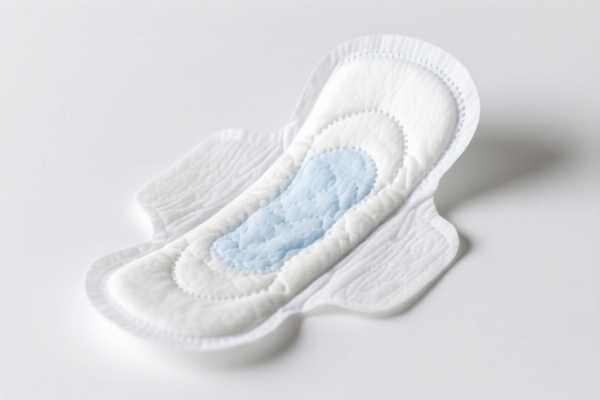
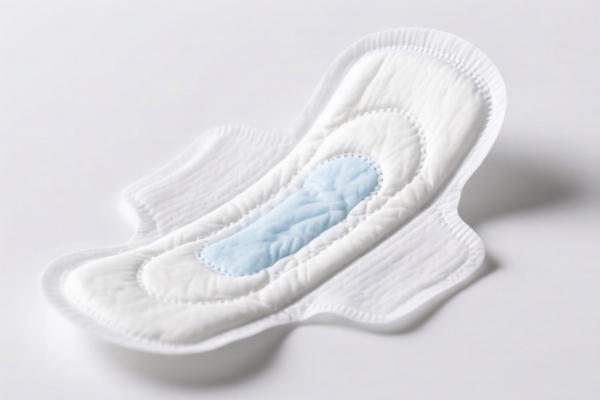
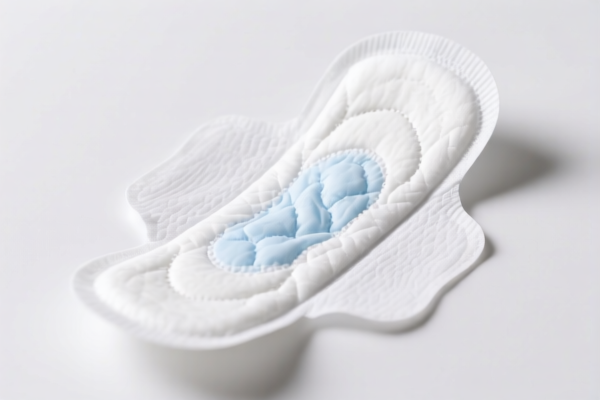
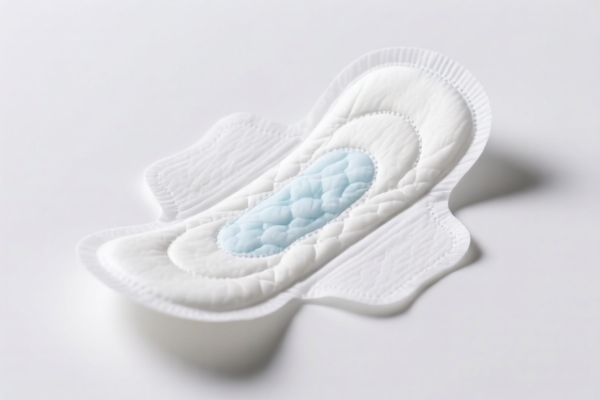
AI Analysis
🚿 Bath Scrub Pad (Hygiene & Cleaning Accessories)
🌐 HS Code Reference & Customs Clearance Guide | 2026 Latest Tariff Analysis | Professional-Level Entry Strategy
📌 I. Product Definition & Classification: What Exactly is a "Bath Scrub Pad"?
A Bath Scrub Pad is a hygiene accessory used for personal cleansing, exfoliation, or household surface cleaning. In international trade, its classification is critical because it straddles the line between plastic household articles and bristles/brushes. The correct HS Code depends heavily on the primary material and the specific form factor.
Based on the provided data, we have identified four distinct classification paths:
- Plastic Hygiene Articles: If the pad is molded plastic or part of a plastic sponge-holder system, it falls under Chapter 39.
- Bristles/Brushes: If it consists of fibers, nylon, or natural bristles attached to a handle or base, it falls under Chapter 96.
- Cleaning Cloths (Textile): If the material is explicitly Nylon and classified as a "cloth" rather than a brush, it falls under Chapter 63.
⚠️ Key Distinction Point:
- If it is a plastic mesh/sponge without loose bristles → Chapter 39
- If it has fibers, bristles, or is labeled as a "brush" → Chapter 96
- If it is a Nylon cloth (textile nature dominates) → Chapter 63
📦 II. HS Code Classification Details (2026 Latest Tariff Authority Mapping)
Based on the extracted data, here are the specific HS Codes, summaries, and tax implications.
| HS Code | Summary / Classification Logic | Tax Rate Structure |
|---|---|---|
| 3924.90.56.50 | Plastic Hygiene/Cleanup Articles Inferred material: Plastic. Use: Hygiene/Bathing supplies. This is a "catch-all" category for plastic bath items. |
20.9%Base: 3.4% + Section 301: 7.5% + Section 122: 10% |
| 9603.29.80.90 | Other Toilet Brushes Use: Human body cleaning/hygiene. Material: Plastic, fiber, or sponge. Fits the "other toilet/hygiene brush" category. |
0.3¢/unit + 13.6% TotalBase: 0.3¢/ea + 3.6% + Sec 122: 10% |
| 3924.10.40.00 | Plastic Hygiene/Closet Articles Inferred material: Plastic. Use: Home/Hygiene supplies. Specific sub-category for plastic toilet/hygiene items. |
13.4%Base: 3.4% + Sec 301: 0.0% + Sec 122: 10% |
| 9603.29.40.90 | Other Toilet/Cosmetic Brushes Match: Bath/Scrub brush form/shape. Material unspecified but no conflict. Classified as "other toilet/cosmetic brushes." |
0.2¢/unit + 17.0% TotalBase: 0.2¢/ea + 7.0% + Sec 122: 10% |
| 6307.10.20.28 | Cleaning Rags/Cloths Form: Cleaning cloth. Material: Nylon. Fits "other materials than cotton" for cleaning rags. |
22.8%Base: 5.3% + Sec 301: 7.5% + Sec 122: 10% |
🔍 Critical Note:
- Chapter 96 codes often have a per-unit charge (e.g., 0.2¢ or 0.3¢ per item) PLUS an ad valorem percentage. For high-volume, low-value items, this per-unit fee can significantly impact costs. - Chapter 39 is purely Ad Valorem (percentage of value). - Chapter 63 (Nylon Cloth) carries the highest percentage rate (22.8%) but no per-unit fee.
💰 III. 2026 Tariff Rate Breakdown (Detailed Tax Clauses)
✅ Applicable Region: United States (US)
✅ Origin: China (CN) (Implied by Section 122 and high rates)
✅ Effective Date: Current trade policies apply (2025-2026 framework)
🎯 1. 3924.90.56.50 – Plastic Bath/Hygiene Accessories (General)
| Item | Detail |
|---|---|
| Base Tariff | 3.4% |
| Section 301 Tariff (Trade War) | 7.5% |
| Section 122 Tariff (Short Supply/Logistics) | 10% |
| Total Effective Rate | 20.9% |
| Calculation | CIF Value × 20.9% |
| De Minimis Eligibility | ❌ No (Section 301 & 122 typically deny de minimis for China) |
📌 Explanation:
- This is the most common "catch-all" for plastic bath sponges/pads.
- Total 20.9% is relatively stable compared to brushes.
- No per-unit fee makes this cost-effective for low-cost items.
🎯 2. 9603.29.80.90 – Toilet/Hygiene Brushes (Plastic/Fiber)
| Item | Detail |
|---|---|
| Base Tariff | 0.3¢ per item + 3.6% |
| Section 301 Tariff | 0.0% |
| Section 122 Tariff | 10% |
| Total Effective Rate | 0.3¢/ea + 13.6% |
| Calculation | (CIF Value × 13.6%) + (0.003 × Quantity) |
📌 Warning:
- For cheap scrub pads (e.g., $0.50/unit), the 0.3¢ per unit adds up.
- However, the ad valorem rate (13.6%) is lower than3924.90.56.50(20.9%).
- Decision Tip: CompareTotal Cost = Ad Valorem + Per-Unit Feefor your specific price point.
🎯 3. 3924.10.40.00 – Plastic Hygiene/Closet Articles (Specific)
| Item | Detail |
|---|---|
| Base Tariff | 3.4% |
| Section 301 Tariff | 0.0% |
| Section 122 Tariff | 10% |
| Total Effective Rate | 13.4% |
| Calculation | CIF Value × 13.4% |
📌 Advantage:
- Lowest Ad Valorem Rate (13.4%) among the plastic categories.
- No Section 301 (7.5% or 25%) applied here, only Section 122 (10%).
- Best for high-value plastic bath accessories.
🎯 4. 9603.29.40.90 – Other Toilet/Cosmetic Brushes
| Item | Detail |
|---|---|
| Base Tariff | 0.2¢ per item + 7.0% |
| Section 301 Tariff | 0.0% |
| Section 122 Tariff | 10% |
| Total Effective Rate | 0.2¢/ea + 17.0% |
| Calculation | (CIF Value × 17.0%) + (0.002 × Quantity) |
📌 Comparison:
- Lower ad valorem than3924.90.56.50(17.0% vs 20.9%), but higher than3924.10.40.00(13.4%).
- Per-unit fee is minimal (0.2¢).
🎯 5. 6307.10.20.28 – Cleaning Rags (Nylon)
| Item | Detail |
|---|---|
| Base Tariff | 5.3% |
| Section 301 Tariff | 7.5% |
| Section 122 Tariff | 10% |
| Total Effective Rate | 22.8% |
| Calculation | CIF Value × 22.8% |
📌 Risk:
- Highest Percentage Rate (22.8%).
- Only use this if the product is definitively classified as a "cloth" and NOT a brush or plastic mold.
- Misclassification here (if it’s actually a plastic pad) could lead to audits.
🛠️ IV. Customs Clearance Practical Advice (Avoiding Pitfalls)
✅ 1. Documentation Checklist (Mandatory)
| Document | Required | Notes |
|---|---|---|
| ✅ Product Specifications | ✔️ | Must specify Material (Plastic, Nylon, Bristles). |
| ✅ Photos | ✔️ | Show form factor: Is it a mold? A brush? A cloth? |
| ✅ Commercial Invoice | ✔️ | Description must match HS Code (e.g., "Plastic Bath Sponge" vs. "Nylon Cleaning Cloth"). |
| ✅ Country of Origin | ✔️ | China origin triggers Section 301/122. |
| ✅ Packing List | ✔️ | Include quantity (for per-unit tax calculation on Ch 96). |
✅ 2. Classification Strategy & Optimization
🔥 "Material Dictates Duty: Plastic vs. Brush vs. Cloth"
| Scenario | Recommended HS Code | Why? |
|---|---|---|
| Molded Plastic Pad | 3924.10.40.00 |
Lowest ad valorem (13.4%). No per-unit fee. |
| Plastic with Bristles | 9603.29.80.90 |
Fits "Brush" definition. Watch per-unit fee. |
| Nylon Mesh/Cloth | 6307.10.20.28 |
Only if it’s truly a textile cloth. Highest rate (22.8%). |
| Generic "Bath Pad" | 3924.90.56.50 |
Safe fallback for plastic items. Rate: 20.9%. |
📌 Optimization Tip:
- If the product is plastic, prefer3924.10.40.00(13.4%) over3924.90.56.50(20.9%) if the description allows.
- If the product is brush-like, compare9603.29.80.90(0.3¢ + 13.6%) vs9603.29.40.90(0.2¢ + 17.0%). For high-volume cheap items, the lower ad valorem of9603.29.80.90might win despite the higher per-unit fee.
✅ 3. Special Considerations
| Situation | Action |
|---|---|
| Nylon Material | Ensure description emphasizes "Textile/Cloth" if using 6307.10.20.28, but beware of the 22.8% rate. |
| Plastic + Fiber Combo | If primarily plastic with fiber inserts, Chapter 39 may still apply if plastic is the essential character. Consult a broker. |
| De Minimis ($800) | ❌ Not Applicable. Section 301 and 122 tariffs generally exclude de minimis exemptions for Chinese goods. Always declare properly. |
🌍 V. Global Market Comparison (2026)
| Country/Region | Recommended HS Code | Estimated Duty | Notes |
|---|---|---|---|
| 🇺🇸 USA | 3924.10.40.00 |
13.4% | Lowest cost for plastic pads. |
| 🇺🇸 USA | 9603.29.80.90 |
0.3¢/ea + 13.6% | Competitive for brush-style pads. |
| 🇨🇳 China | 3924.10.40.00 |
8.0% | Lower export/import duty. |
| 🇪🇺 EU | 3924.10.40.00 |
4.5% | No Section 122 equivalent. |
📌 Conclusion:
- USA is the most complex due to Section 122 (10%) and Section 301 variations.
- Plastic (3924) is generally cheaper than Nylon Cloth (6307).
- Brushes (9603) offer a hybrid model (per-unit + %), which can be advantageous or disadvantageous depending on unit price.
📌 VI. Common Errors & Pitfalls (Lessons Learned)
❌ Error 1: Classifying a Nylon Bath Pad as 6307.10.20.28 (22.8%) when it should be 3924.90.56.50 (20.9%).
👉 Result: Overpaying by 1.9% on value.
✅ Fix: Check if the item is "essential character" plastic or textile.
❌ Error 2: Ignoring the per-unit fee in Chapter 96 codes.
👉 Result: For 10,000 units at $0.50 each, the 0.3¢/unit fee adds $30. Not huge, but relevant for bulk.
✅ Fix: Calculate Total Duty = (Value × %) + (Qty × Per-Unit Fee).
❌ Error 3: Assuming De Minimis applies.
👉 Result: Package seized or delayed because Section 301/122 duties apply even to low-value shipments from China.
✅ Fix: Always declare and pay duties for China-origin goods, regardless of value.
🎯 VII. Conclusion: Professional Classification for Cost Efficiency
🎯 Key Takeaway:
🔹 "Plastic is King (13.4%), Brush is Hybrid (0.3¢+13.6%), Cloth is Costly (22.8%)"
🔹 "Check Material First: Plastic vs. Nylon vs. Bristles"
🔹 "No De Minimis for China! Pay your duties upfront."
📌 Pro Tip:
If your product is a Plastic Bath Pad, aim for 3924.10.40.00 (13.4% total). It offers the lowest risk and lowest cost among the options.
If it’s a Brush-style, use 9603.29.80.90 (0.3¢ + 13.6%).
📣 Immediate Action:
📞 Verify Material: Is it plastic, nylon, or bristle?
📊 Calculate Cost: CompareAd ValoremvsPer-Unitimpact.
📝 Document Clearly: Use precise descriptions like "Plastic Bath Sponge" or "Nylon Cleaning Cloth".
✨ Smart Classification Saves Money!
💼 Your Bottom Line Depends on These Digits!
Customer Reviews
About HS Code Classification
The Harmonized System (HS) is an internationally standardized nomenclature developed by the World Customs Organization (WCO) to classify traded products. Over 200 countries use the HS system as the basis for customs tariffs, trade statistics, and import/export regulations.
Each HS code follows a hierarchical structure:
- Chapter (2 digits) — Broad category of goods (e.g., Chapter 84: Machinery and Mechanical Appliances)
- Heading (4 digits) — More specific grouping within the chapter
- Subheading (6 digits) — Internationally standardized breakdown, used by all WCO member countries
- National subdivisions (8-10 digits) — Country-specific extensions for further classification, such as US HTSUS 10-digit codes
Correct HS code classification is essential for smooth customs clearance, accurate duty payment, and compliance with trade regulations. Misclassification can lead to customs delays, overpayment of duties, or penalties.
When importing from CN to US, the applicable tariff rates may include:
- Most-Favored-Nation (MFN) rate — The standard duty rate applied to WTO members
- General rate — Applied to countries without trade agreements
- Trade remedy duties — Additional tariffs such as Section 301 (anti-dumping), Section 232 (national security), or countervailing duties
The information provided on this page is for reference purposes only. For official classification, please consult with your local customs authority or a licensed customs broker.