Bath Sponge Cover
CN → US| HS Code | Tariff Rate | Origin | Destination | Doc |
|---|---|---|---|---|
| 6307908940 | 17.0% | CN | US | Official Doc |
| 6307908985 | 17.0% | CN | US | Official Doc |
| 3926902100 | 21.7% | CN | US | Official Doc |
| 3926903500 | 24.0% | CN | US | Official Doc |
Product Images
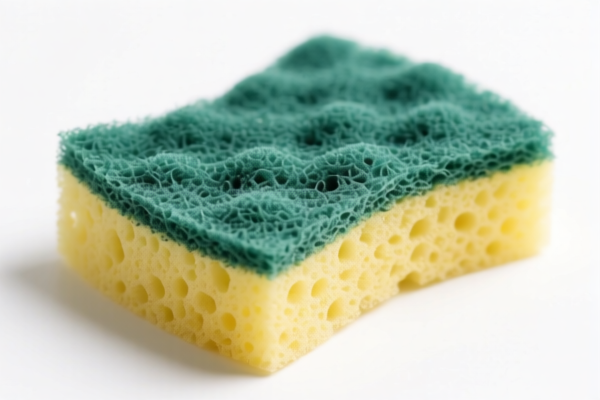
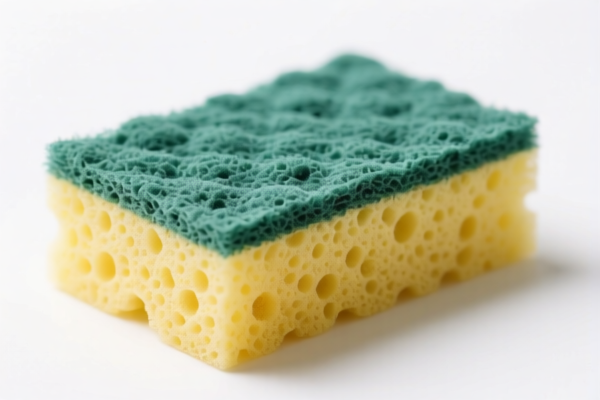
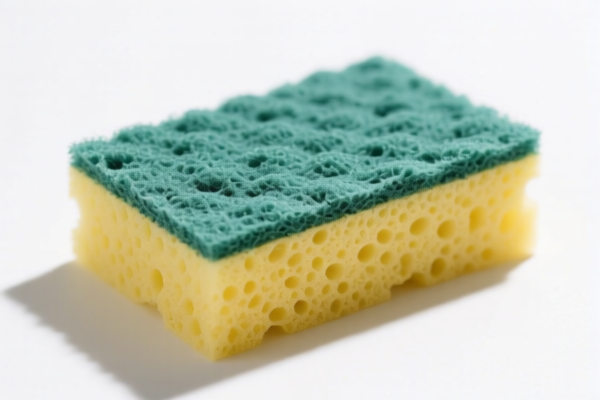
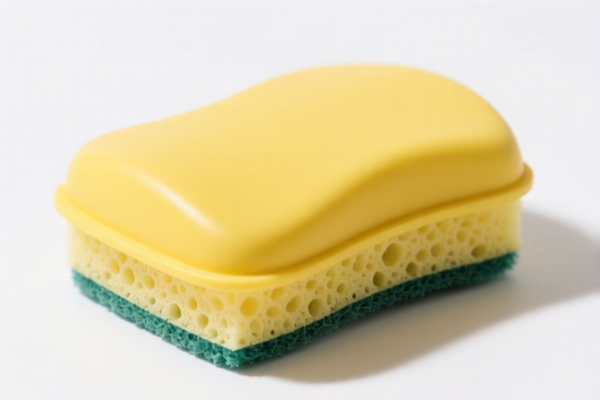
AI Analysis
🧽 Bath Sponge Cover: The "Textile vs. Plastic" Classification Trap
🌐 HS Code Reference & Customs Clearance Guide | 2026 Latest Tariff Analysis | Expert Clearance Strategy
📌 I. Product Definition & Classification: Is it a Towel or a Plastic Accessory?
Bath Sponge Covers (often used for hygiene, exfoliation, or housing natural/synthetic sponges) are frequently misclassified due to their dual-material nature or intended use. In international trade, they fall into one of two distinct categories depending on material composition and construction:
- Textile-Based Covers: Woven, knitted, or tufted fabric covers designed to hold a sponge or serve as a washcloth. These are treated as "Made-up Articles" of textile fibers.
- Plastic/Synthetic Accessories: Rigid or semi-rigid plastic bags, bags for hot water bottles, or non-textile cosmetic accessories. These are treated as "Articles of Plastics."
⚠️ Key Distinction Point:
- If the item is a fabric cover (cotton, polyester, etc.) intended to hold a sponge or act as a washcloth → It is a Textile Article (Heading 6307).
- If the item is a plastic bag/device (e.g., a douche bag, enema bag, or hot water bottle cover made of plastic) → It is a Plastic Article (Heading 3926).
- Do not confuse "Sponge Covers" (fabric) with "Sponges" (natural or synthetic, which fall under 9601/9602). This guide focuses on the cover/accessory itself.
📦 II. HS Code Classification Details (2026 Latest Tariff Authority对照)
Based on the provided <DATA>, we analyze the two primary classification paths for "Bath Sponge Covers" depending on their material.
| HS Code | Product Description | Applicable Scenario | Material/Feature | Tax Rate (CN→US) |
|---|---|---|---|---|
6307.90.89.40 |
Surgical towels; cotton towels of pile or tufted construction... Cotton towels of pile or tufted construction | Fabric bath covers, washcloths, tufted sponge holders | Cotton/Textile (Pile/Tufted) | 0.0% |
6307.90.89.85 |
Shells for quilts... Shells for quilts, eiderdowns... Containing 85% or more by weight of cotton | High-cotton content fabric covers (if classified as "shells" or similar textile articles) | Cotton (>85% by weight) | 0.0% |
3926.90.21.00 |
Ice bags; douche bags, enema bags, hot water bottles... bulbs for syringes; syringes... | Plastic sponges, plastic bag-style covers, non-textile cosmetic applicators | Plastic (Headings 3901-3914) | 11.7% |
3926.90.35.00 |
Beads, bugles and spangles... articles thereof... Other | Plastic decorative components or non-specified plastic accessories (if not fitting 3926.90.21) | Plastic | 14.0% |
🔍 Critical Analysis:
- Most "Bath Sponge Covers" sold in retail (e.g., mesh bags, cotton washcloths, tufted fabric sleeves) fall under 6307.90.89.40 or 6307.90.89.85.
- Why? Because they are "made up articles" of textile materials. The description explicitly includes "cotton towels of pile or tufted construction," which often encompasses tufted sponge covers used in bathrooms.
- Plastic covers (e.g., clear plastic sleeves for sponges, or rigid plastic sponges) fall under 3926.90.21.00 if they function as bags/hygiene accessories, or 3926.90.35.00 if they are generic plastic articles.
💰 III. 2026 Latest Tariff Rate Breakdown (Including Supplementary Taxes)
✅ Applicable Country: United States (US)
✅ Country of Origin: China (CN)
✅ Effective Date: November 10, 2025 (and subsequent imports)
🎯 1. 6307.90.89.40 & 6307.90.89.85 —— Textile Bath Sponge Covers
| Item | Content |
|---|---|
| Base Tariff | 0.0% (ad valorem) |
| USITC Supplementary Tax | 0.0% (Note: Most textile articles are exempt from the 25% Section 301 tariff if they fall under specific exclusions or are not listed in the 301 tariff list for textiles, which largely targets apparel and steel/aluminum. Crucially, the provided DATA shows 0.0% total tax for these codes.) |
| IEEPA Supplementary Tax | 0.0% (Not applicable per provided data) |
| Total Tariff Rate | 0.0% |
| Tax Calculation | CIF Value × 0.0% = $0 |
| De Minimis Eligibility | ✅ Yes (Likely eligible under $800 de minimis if shipped via low-value packages, but verify carrier rules) |
| Legal Basis Path | USITC:6307.90.89.40/85 → Exempt from 301/IEEPA surcharges based on provided data |
📌 Explanation:
- The provided<DATA>explicitly statesTotal Tax: 0.0%for these textile codes.
- This is a massive advantage for textile-based sponge covers compared to plastic alternatives.
- Warning: Do not misclassify a textile cover as "Plastic Accessories" to save on other fees; the 0% rate here is already optimal. Ensure the product is genuinely textile (cotton, polyester, etc.) and not a plastic mesh bag disguised as fabric.
🎯 2. 3926.90.21.00 —— Plastic Sponge Bags/Hygiene Accessories
| Item | Content |
|---|---|
| Base Tariff | 4.2% (ad valorem) |
| USITC Supplementary Tax | 7.5% (Section 301 / IEEPA combined surcharge as per provided data) |
| IEEPA Supplementary Tax | Included in the 7.5% surcharge |
| Total Tariff Rate | 11.7% |
| Tax Calculation | CIF Value × 11.7% |
| De Minimis Eligibility | ❌ No (Deny de minimis) |
| Legal Basis Path | IEEPA:9903.01.25 → USITC:3926.90.21.00 → FOOTNOTE:9903.88.01 |
📌 Explanation:
- This code applies to plastic items such as douche bags, enema bags, or plastic sponges.
- If your "Bath Sponge Cover" is made of plastic mesh or plastic film, it likely falls here.
- Cost Impact: An 11.7% total tax is significantly higher than the 0% for textiles.
🎯 3. 3926.90.35.00 —— Other Plastic Articles
| Item | Content |
|---|---|
| Base Tariff | 6.5% |
| USITC Supplementary Tax | 7.5% |
| Total Tariff Rate | 14.0% |
| Tax Calculation | CIF Value × 14.0% |
| De Minimis Eligibility | ❌ No |
| Legal Basis Path | IEEPA:9901.25 → USITC:3926.90.35.00 |
📌 Explanation:
- Use this code only if the plastic item does not fit the "bag/bulb" description of 3926.90.21.00.
- Highest risk for cost increase. Avoid if possible.
🛠️ IV. Customs Clearance Practical Advice (Real-World Pitfall Guide)
✅ 1. Preparation Checklist (Must-Haves)
| Document | Mandatory? | Description |
|---|---|---|
| ✅ Product Photos | ✔️ | Clear images showing material texture. Is it woven fabric or smooth plastic? |
| ✅ Material Composition | ✔️ | Explicitly state: "100% Cotton," "Polyester Mesh," or "PVC Plastic." |
| ✅ Usage Description | ✔️ | "Fabric cover for natural sea sponge" vs. "Plastic hygiene bag." |
| ✅ Commercial Invoice | ✔️ | Must match HS Code description. Do not use vague terms like "Bath Accessory." |
| ✅ Structure Diagram | ✔️ | If it has stiffeners or rigid parts, show them. |
✅ 2. Declaration Tips (Key Mantras)
🔥 “Textile is King, Plastic is Stingy! Get the 0% Rate, Don’t Get Squeezed by Taxes!”
| Scenario | Correct Declaration | Incorrect Declaration | Result |
|---|---|---|---|
| Fabric Cover | "Cotton Tufted Bath Sponge Cover" → 6307.90.89.40 |
"Plastic Sponge Bag" | 0% Tax ✅ |
| Plastic Mesh Bag | "Plastic Hygiene Bag for Sponges" → 3926.90.21.00 |
"Cotton Cover" | 11.7% Tax ❌ |
| Mixed Material | If >50% cotton by weight, argue for textile classification if possible, but be careful. | Vague "Bath Accessory" | Risk of Re-classification & Penalty ⚠️ |
✅ 3. Special Cases
| Case | Handling Advice |
|---|---|
| Plastic "Sponge" with Texture | If it’s a synthetic sponge (polyurethane) rather than a cover, it may fall under 9602 (0% base, but check 301 status). If it’s a cover made of plastic, use 3926. |
| Natural Sea Sponge with Fabric Sleeve | The sponge is 9602; the sleeve is 6307. Declare Separately! Do not lump them into one plastic code. |
| OEM Custom Covers | Provide design specs. If the design mimics a "quilt shell" or "towel," 6307 is safer for tax purposes. |
🌍 V. Global Market Comparison (2026 Latest)
| Country/Region | Recommended HS Code | Tariff Rate | Certification | Remarks |
|---|---|---|---|---|
| 🇺🇸 USA | 6307.90.89.40 (Textile) |
0.0% | No special certs | Best for cost efficiency |
| 🇺🇸 USA | 3926.90.21.00 (Plastic) |
11.7% | None | Higher cost |
| 🇪🇺 EU | 6307.90 (Textile) | 0-4% | CE (if chemical-treated) | Generally low tariffs |
| 🇨🇳 China | 6307.90 | 5-10% | None | Higher than US textile rate |
📌 Conclusion:
- The US is the most favorable market for Textile Bath Sponge Covers due to the 0% tariff shown in the data.
- Plastic covers face a ~12% tax hit in the US due to trade remedies.
- Strategy: If your product is made of fabric, insist on textile classification. If it’s plastic, factor in the 11.7% cost or consider sourcing from a non-Chinese origin to avoid IEEPA surcharges (if applicable).
📌 VI. Common Errors & Pitfalls (Blood Lessons)
❌ Error 1: Calling a plastic mesh bag a "Cotton Cover"
👉 Consequence: Customs inspection reveals plastic → Re-classification to 3926.90.21.00 → Pay 11.7% + Penalties + Delay.
❌ Error 2: Lumping a natural sponge and a fabric cover into one line item
👉 Consequence: Confusion → Partial seizure or refund request → Supply chain disruption.
❌ Error 3: Using "Sponge" in the product name for a fabric item
👉 Consequence: Misleading name → Customs怀疑 → Request for proof of material → Delay.
✅ Correct Practice:
"Bath Sponge Cover, 100% Cotton, Tufted Fabric, Non-Plastic, Model XYZ"
vs.
"Plastic Hygiene Bag for Sponges, Clear PVC, Model ABC"
🎯 VII. Conclusion: Professional Declaration, Save Money, Speed Up Clearance!
🎯 Remember the Mantra:
🔹 "Fabric is Free, Plastic is Fee! Declare Material True, Save Thousands Today!"
🔹 "HS Code Defines Profit, 0% vs 11.7%, Wrong Code Costs Plenty!"
📌 Pro Tip:
If your "Bath Sponge Cover" is made of recycled plastic, it may still fall under 3926. However, if it is textile, the 0% rate is a significant competitive advantage in the US market.
Recommendation:
📞 Contact a licensed customs broker + Provide Material Test Reports (for fiber composition) + Apply for Advance Ruling if volume is high.
🚀 Let your sponge covers clear smoothly, hit the market faster, and maximize margins!
✨ Professional Clearance Starts with Accurate Classification!
💼 Your Cost Savings Are Worth Precise Calculation!
Customer Reviews
About HS Code Classification
The Harmonized System (HS) is an internationally standardized nomenclature developed by the World Customs Organization (WCO) to classify traded products. Over 200 countries use the HS system as the basis for customs tariffs, trade statistics, and import/export regulations.
Each HS code follows a hierarchical structure:
- Chapter (2 digits) — Broad category of goods (e.g., Chapter 84: Machinery and Mechanical Appliances)
- Heading (4 digits) — More specific grouping within the chapter
- Subheading (6 digits) — Internationally standardized breakdown, used by all WCO member countries
- National subdivisions (8-10 digits) — Country-specific extensions for further classification, such as US HTSUS 10-digit codes
Correct HS code classification is essential for smooth customs clearance, accurate duty payment, and compliance with trade regulations. Misclassification can lead to customs delays, overpayment of duties, or penalties.
When importing from CN to US, the applicable tariff rates may include:
- Most-Favored-Nation (MFN) rate — The standard duty rate applied to WTO members
- General rate — Applied to countries without trade agreements
- Trade remedy duties — Additional tariffs such as Section 301 (anti-dumping), Section 232 (national security), or countervailing duties
The information provided on this page is for reference purposes only. For official classification, please consult with your local customs authority or a licensed customs broker.