Bath Stool
CN → US| HS Code | Tariff Rate | Origin | Destination | Doc |
|---|---|---|---|---|
| 3925200091 | 22.8% | CN | US | Official Doc |
| 3925900000 | 40.3% | CN | US | Official Doc |
| 9403608093 | 35.0% | CN | US | Official Doc |
| 9401696031 | 35.0% | CN | US | Official Doc |
| 9401804046 | 35.0% | CN | US | Official Doc |
Product Images
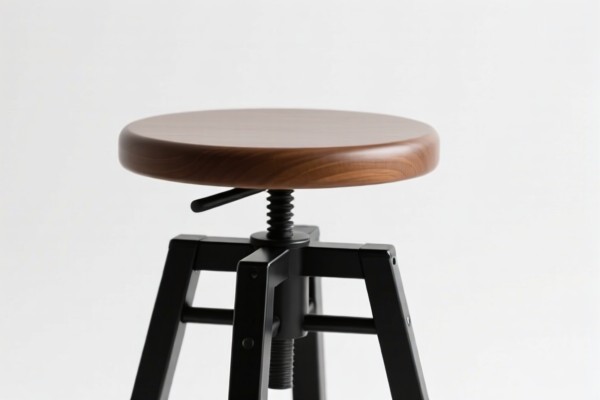
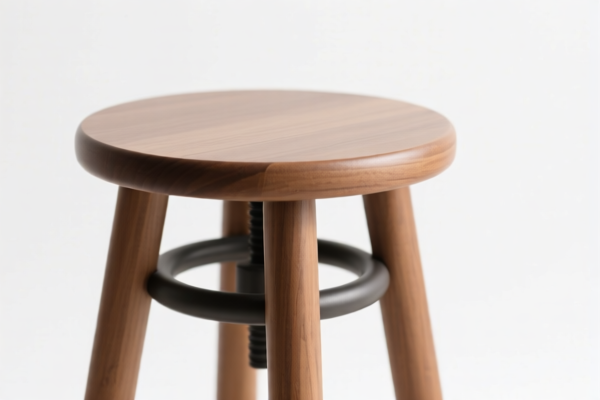
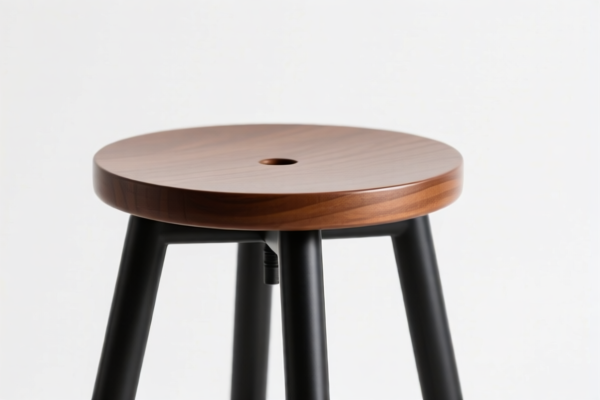
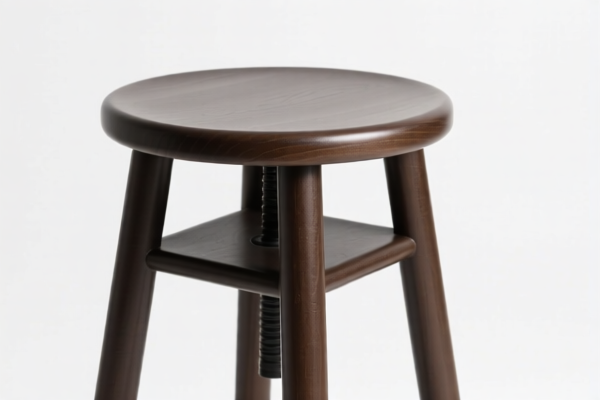
AI Analysis
🛁 Bath Stool (Bathroom Stools & Seats)
🌐 HS Code Reference & Customs Clearance Guide | 2026 Latest Tariff Analysis | Professional Clearance Strategy
📌 Part 1: Product Definition & Classification: What Exactly is a "Bath Stool"?
A "Bath Stool" is a versatile accessory used in bathrooms to assist with sitting during bathing, shaving, or dressing. In international trade, these products are often misunderstood. They are not simple furniture, nor are they basic plastic components. Their classification depends heavily on:
1. Material (Plastic vs. Wood/Metal)
2. Function (General use vs. Specific medical/assisted living)
3. Structure (Foldable/Portable vs. Fixed)
⚠️ Key Classification Logic:
- If it’s a plastic accessory for the bathroom (even if it looks like a stool), it often falls under Chapter 39 (Plastics and articles thereof).
- If it’s a wooden or metal seat (including foldable stools), it falls under Chapter 94 (Furniture; bedding, mattresses, mattress supports, cushions and similar furnished articles).
📦 Part 2: HS Code Classification Matrix (2026 Latest Tariff对照)
| HS Code | Product Description | Classification Logic | Total Tax Rate (CN Origin) |
|---|---|---|---|
3925.20.00.91 |
Bath Chair: Plastic bathroom auxiliary equipment | Classified as Plastic Articles for sanitary use. Likely made of molded plastic, not considered "furniture" in Chapter 94. | 22.8% |
3925.90.00.00 |
Bath Chair: Finished plastic consumer goods | Classified as Other Plastic Articles. Generic plastic bath seats that don’t fit specific sub-categories. | 40.3% |
9403.60.80.93 |
Bath Folding Stool: Furniture item | Classified as Wooden/Other Material Furniture. Often used for stools made of wood, metal, or composite materials treated as furniture. | 35.0% |
9401.69.60.31 |
Bath Folding Stool: Seat (Fallback Category) | Classified as Other Seats. Fits the "Catch-all" logic for seating that doesn’t fit standard armchair/sofa definitions. | 35.0% |
9401.80.40.46 |
Bath Folding Stool: Seat (Rubber/Plastic Body) | Classified as Other Seats. Specifically notes materials like rubber or plastic but retains "Seat" function under Chapter 94. | 35.0% |
🔍 Critical Distinction:
- Chapter 39 (Plastics): Generally applies to non-furniture plastic bath accessories. If the product is a simple plastic chair/stool intended for bathroom use, customs may prefer3925.
- Chapter 94 (Furniture/Seats): Applies if the product is structurally a seat (including folding stools), regardless of material (plastic/rubber can be seats). This chapter has 0% Base Duty but higher Section 301 tariffs.
💰 Part 3: 2026 Tariff Rate Breakdown (Including Section 301 & IEEPA)
✅ Applicable Country: United States (US)
✅ Origin: China (CN)
✅ Effective Date: Current 2026 Tariff Structure (Section 301 + IEEPA)
🎯 1. HS Code 3925.20.00.91 —— Bath Chair (Plastic Auxiliary Equipment)
| Item | Details |
|---|---|
| Base Duty | 5.3% |
| Section 301 Additional Duty | 7.5% (Specific sub-category rate) |
| IEEPA 122 Clause Duty | +10% (Additional 10% on specific Chinese imports) |
| Total Tax Rate | 22.8% |
| Calculation | CIF Value × 22.8% |
| De Minimis Exemption | ❌ Not Applicable (Subject to high tariffs) |
📌 Explanation:
- This is the most favorable classification if your product is clearly a plastic bathroom accessory and not a general-purpose seat.
- The "122 Clause" refers to specific trade enforcement actions that add an extra 10% on top of standard Section 301 rates.
🎯 2. HS Code 3925.90.00.00 —— Bath Chair (Other Plastic Articles)
| Item | Details |
|---|---|
| Base Duty | 5.3% |
| Section 301 Additional Duty | 25.0% (Standard high-tier rate) |
| IEEPA 122 Clause Duty | +10% |
| Total Tax Rate | 40.3% |
| Calculation | CIF Value × 40.3% |
| De Minimis Exemption | ❌ Not Applicable |
📌 Note:
- This is a high-risk classification. If customs determines your plastic stool is a "seat" (Chapter 94) rather than a "plastic article," you may face misdeclaration penalties.
- Avoid this unless you have no other option and the product is definitively a generic plastic item.
🎯 3. HS Codes 9403.60.80.93, 9401.69.60.31, 9401.80.40.46 —— Bath Folding Stool (Furniture/Seat)
| Item | Details |
|---|---|
| Base Duty | 0.0% (For Chapter 94 seats/furniture) |
| Section 301 Additional Duty | 25.0% |
| IEEPA 122 Clause Duty | +10% |
| Total Tax Rate | 35.0% |
| Calculation | CIF Value × 35.0% |
| De Minimis Exemption | ❌ Not Applicable |
📌 Explanation:
- Although the base duty is 0%, the Section 301 tariff is 25%, which is the standard rate for most Chinese consumer goods under Chapter 94.
- Comparison:3925.20.00.91(22.8%) is cheaper than Chapter 94 codes (35.0%) for plastic bath stools, IF the product can be legally classified as plastic auxiliary equipment rather than furniture.
- Key Risk: Misclassifying a plastic stool as "Furniture" (9401) to justify a "Seat" definition can lead to audits if the product is clearly a bath accessory.
🛠️ Part 4: Customs Clearance Practical Advice (Pitfall Avoidance)
✅ 1. Documentation Checklist (Mandatory)
| Document | Required? | Notes |
|---|---|---|
| ✅ Product Photos | ✔️ | Must show material (plastic vs. wood/metal), folding mechanism, and suction cups/non-slip features. |
| ✅ Material Specification | ✔️ | Explicitly state: "100% Polypropylene" or "Aluminum Alloy + Plastic". |
| ✅ Usage Description | ✔️ | Clearly state: "Used in bathrooms for sitting during bathing," not "General Household Stool." |
| ✅ Commercial Invoice | ✔️ | Use precise descriptions: "Plastic Bath Chair" vs. "Wooden Bath Stool." |
| ✅ Structure Diagram | ✔️ | Crucial for proving it is an "Auxiliary Equipment" (Ch 39) vs. "Furniture" (Ch 94). |
✅ 2. Classification Strategy & Tips
🔥 "Material Matters: Plastic vs. Furniture!"
| Product Type | Recommended HS Code | Reasoning |
|---|---|---|
| Plastic Bath Chair/Stool (With suction cups, non-slip, portable) | 3925.20.00.91 |
Best for Cost Efficiency (22.8%). Classify as plastic sanitary accessory. |
| Wooden/Metal Bath Stool | 9403.60.80.93 |
Must be Furniture. No plastic-specific exemption. |
| Foldable Plastic Stool | 9401.80.40.46 or 3925.20.00.91 |
Strategic Choice: If it folds and looks like a stool, 9401 is safer but costs 35%. If it’s a molded plastic chair, 3925 is cheaper (22.8%). |
| Generic Plastic Container/Lid | 3925.90.00.00 |
❌ Avoid unless it’s not a seat/chair. Too expensive (40.3%). |
📌 Critical Tip:
- If you declare a plastic bath stool under9401(Seats), you pay 35%.
- If you declare it under3925.20.00.91(Plastic Bath Auxiliary), you pay 22.8%.
- Can you claim3925for a plastic stool? Yes, if it is designed specifically for bathroom auxiliary use (e.g., has non-slip feet, is intended for wet environments). The key is the design intent.
✅ 3. Special Cases
| Scenario | Handling Advice |
|---|---|
| Mixed Material (Plastic Seat + Metal Frame) | Likely Chapter 94. Plastic is the main material, but the frame defines it as furniture/seat. Expect 35%. |
| Medical Bath Stool (For disabled/elderly) | May still fall under 3925 if it’s a simple plastic chair. Ensure marketing materials emphasize "Bath Aid" not "Medical Device" unless certified. |
| Folding Design | Folding often triggers Chapter 94 (Furniture/Seats). Be prepared to justify Chapter 39 classification with strong design intent evidence. |
| OEM/Private Label | Ensure your supplier’s material declaration matches your invoice. Discrepancies lead to audits. |
🌍 Part 5: Global Market Comparison (2026)
| Region | Recommended HS Code | Estimated Tax (China Origin) | Notes |
|---|---|---|---|
| 🇺🇸 USA | 3925.20.00.91 (Plastic) or 9401 (Seat) |
22.8% (Plastic) vs. 35.0% (Seat) | High Section 301 impact. Plastic auxiliary code is cheaper. |
| 🇨🇳 China | 3922.10.00 or 9401.69 |
5% - 10% | Standard import duties apply. No Section 301. |
| 🇪🇺 EU | 3922.10.00 or 9401.69 |
0% - 4.5% | No high additional tariffs. Eco-design regulations may apply. |
| 🇬🇧 UK | 3922.10.00 or 9401.69 |
0% - 4.5% | Post-Brexit rules apply. Generally low duties. |
📌 Conclusion:
- The US market is the most challenging due to Section 301 + IEEPA tariffs.
- Plastic Bath Auxiliary (3925.20.00.91) is the most cost-effective classification for plastic bath stools in the US, saving 12.2% compared to furniture classifications.
📌 Part 6: Common Errors & Pitfalls (Blood & Tears)
❌ Mistake 1: Declaring a plastic bath stool as 9401.69 (Seat) out of habit.
👉 Result: Pay 35% tax.
💡 Fix: If it’s plastic and for bath use, try 3925.20.00.91 (22.8%).
❌ Mistake 2: Declaring a wooden bath stool as 3925 (Plastic).
👉 Result: Customs Seizure/Fine for misdeclaration.
💡 Fix: Must use 9403 or 9401 for non-plastic materials.
❌ Mistake 3: Using vague terms like "Plastic Chair" on invoice.
👉 Result: Customs may assign the highest applicable rate (e.g., 3925.90.00.00 at 40.3%) due to lack of specificity.
💡 Fix: Use "Plastic Bath Chair with Non-Slip Feet" to support 3925.20.00.91.
🎯 Part 7: Conclusion: Professional Declaration, Save Costs!
🎯 Remember the Key Takeaway:
🔹 "Plastic Bath Auxiliary = 22.8% (Cheapest)"
🔹 "Furniture/Seat = 35.0% (Standard)"
🔹 "Generic Plastic = 40.3% (Avoid)"
📌 Action Plan:
1. Identify Material: Is it 100% plastic?
2. Define Use: Is it for bath assistance?
3. Select HS Code: Prioritize 3925.20.00.91 for plastic bath aids in the US.
4. Document: Provide photos showing bath-specific features (suction cups, non-slip).
🚀 Pro Tip: If you are unsure, apply for a US Customs Ruling (Pre-Classification) before shipping. The cost of a ruling is far less than the 12.2% tax difference on large shipments!
✨ Accurate Classification is the Key to Profit Maximization!
💼 Don’t let classification errors eat your margins!
Customer Reviews
About HS Code Classification
The Harmonized System (HS) is an internationally standardized nomenclature developed by the World Customs Organization (WCO) to classify traded products. Over 200 countries use the HS system as the basis for customs tariffs, trade statistics, and import/export regulations.
Each HS code follows a hierarchical structure:
- Chapter (2 digits) — Broad category of goods (e.g., Chapter 84: Machinery and Mechanical Appliances)
- Heading (4 digits) — More specific grouping within the chapter
- Subheading (6 digits) — Internationally standardized breakdown, used by all WCO member countries
- National subdivisions (8-10 digits) — Country-specific extensions for further classification, such as US HTSUS 10-digit codes
Correct HS code classification is essential for smooth customs clearance, accurate duty payment, and compliance with trade regulations. Misclassification can lead to customs delays, overpayment of duties, or penalties.
When importing from CN to US, the applicable tariff rates may include:
- Most-Favored-Nation (MFN) rate — The standard duty rate applied to WTO members
- General rate — Applied to countries without trade agreements
- Trade remedy duties — Additional tariffs such as Section 301 (anti-dumping), Section 232 (national security), or countervailing duties
The information provided on this page is for reference purposes only. For official classification, please consult with your local customs authority or a licensed customs broker.