Bath Toy
CN → US| HS Code | Tariff Rate | Origin | Destination | Doc |
|---|---|---|---|---|
| 3924905650 | 20.9% | CN | US | Official Doc |
| 3924900500 | 20.6% | CN | US | Official Doc |
| 9503000071 | 10.0% | CN | US | Official Doc |
| 9503000073 | 10.0% | CN | US | Official Doc |
| 4016992000 | 14.3% | CN | US | Official Doc |
Product Images
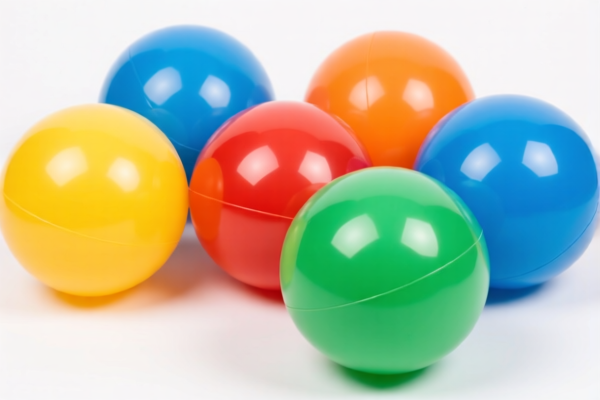
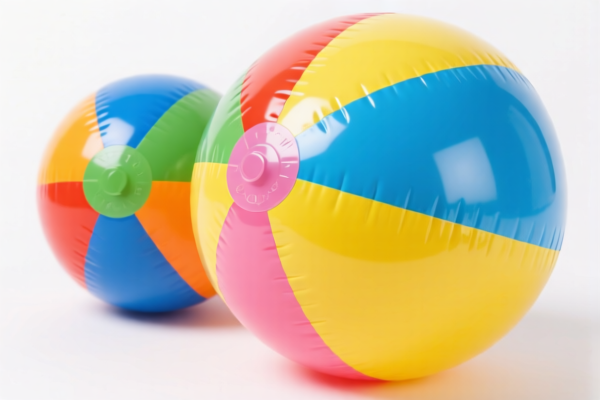
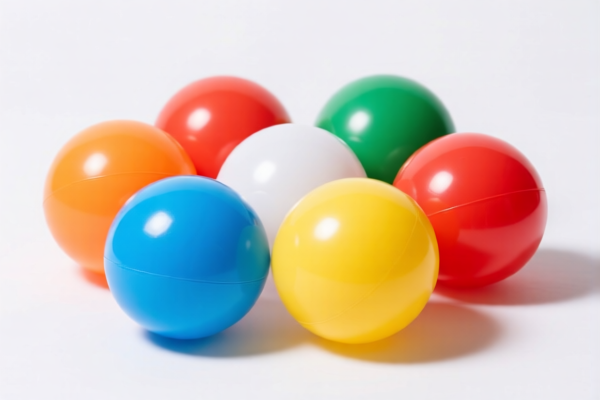
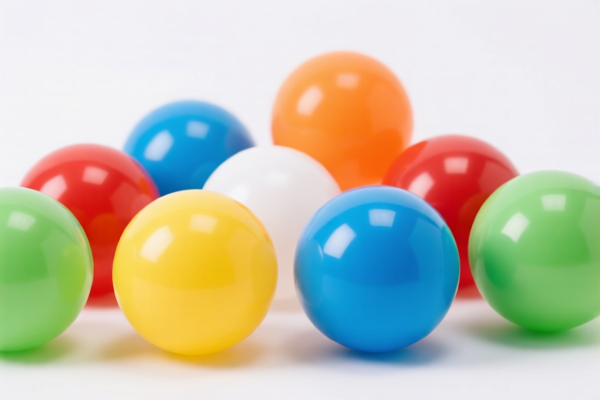
AI Analysis
🛁 Bath Toys (Plastic & Rubber Floating Fun)
🌐 HS Code Reference & Customs Clearance Guide | 2026 Latest Tariff Analysis | Strategic Clearance Strategy
📌 I. Product Definition & Classification: Do You Really Understand "Bath Toys"?
Bath toys, primarily made of plastic or rubber, serve dual purposes in international trade: entertainment for children and hygiene/ornamental household items. In customs valuation, the distinction between "Toy" (Chapter 95) and "Household/Plastic Articles" (Chapter 39/40) is critical, as it drastically affects tariff rates.
Plastic Bath Toys (e.g., Squeeze Ducks, Floating Boats): * As Toys: If they possess characteristics of toys (play value, specific age targeting), they fall under Chapter 95. * As Household Items: If primarily used for hygiene or general household decoration, they fall under Chapter 39 or 40.
⚠️ Key Distinction Point:
- Primary Function: Is it designed for play (entertainment)? → Chapter 95 (Toys).
- Primary Function: Is it a sponge, cup, or non-play item? → Chapter 39/40 (Household/Plastics).
- Material: Plastic vs. Rubber/Vulcanized Rubber.
📦 II. HS Code Classification Details (2026 Latest Tariff Authority Comparison)
Based on the provided data, here is the precise mapping for Bath Toys:
| HS Code | Product Description | Scenario | Material | Total Tax Rate |
|---|---|---|---|---|
3924.90.56.50 |
Plastic Bath Toys, Classified as Sanitary/Toilet or Household Articles | General plastic bath accessories, non-toy specific | Plastic | 20.9% |
3924.90.05.00 |
Plastic Bath Toys, Classified as Household/Hygienic Articles | Plastic bath items, general household use | Plastic | 20.6% |
9503.00.00.71 |
Plastic Toys, Meeting Toy Characteristics | Standard Toy Classification | Plastic | 10.0% |
9503.00.00.73 |
Plastic Bath Toys, Other Toys/Age-Specific | Best Rate Option (Play-focused) | Plastic | 10.0% |
4016.99.20.00 |
Rubber/Plastic Bath Toys, Classified as Vulcanized Rubber | Rubber ducks, sponge toys | Rubber/Vulcanized | 14.3% |
🔍 Critical Reminder:
- Chapter 95 (9503...) is generally the preferred classification for items clearly marketed as toys, offering the lowest base tax (0%) before surcharges.
- Chapter 39 (3924...) and Chapter 40 (4016...) are often used if the item is ambiguous or marketed as a "bath accessory" rather than a toy, resulting in higher base taxes (3.1%-4.3%).
- Do NOT mix classifications: If the product is a "duck," ensure the description emphasizes "Toy" to justify9503. If it's a "bath cup,"3924is more appropriate.
💰 III. 2026 Latest Tariff Rate Breakdown (Including Surcharges & Policy Add-ons)
✅ Applicable Country: United States (US)
✅ Origin: China (CN)
✅ Effective Time: Current trade terms (Section 301 / 122 Clauses apply)
🎯 1. 9503.00.00.71 & 9503.00.00.73 — Plastic Toys (The "Toy" Path)
| Item | Content |
|---|---|
| Base Tax Rate | 0.0% (Ad Valorem) |
| Section 301 / Additional Tax | 0.0% |
| Section 122 Clause Tax | +10.0% |
| Total Tax Rate | 10.0% |
| Tax Calculation | CIF Value × 10% |
| De Minimis Eligibility | ❌ Cannot (Denied for Section 122 items) |
| Legal Basis Path | Section 122: 10% → USITC: 9503.00.00.71/73 |
📌 Explanation:
- "Base Tax 0%": Toys generally have no base duty.
- "Section 122 Tax 10%": This is a specific surcharge (likely related to recent trade actions or specific clause 122) applying to these HS codes.
- No Section 301: Unlike some other categories, plastic toys under9503do not carry the heavy 25% Section 301 tariff in this specific dataset.
- Result: This is the most cost-effective classification for plastic bath toys.
🎯 2. 3924.90.56.50 & 3924.90.05.00 — Plastic Household/Sanitary Articles (The "Non-Toy" Path)
| Item | Content |
|---|---|
| Base Tax Rate | 3.4% (56.50) / 3.1% (05.00) |
| Section 301 / Additional Tax | +7.5% |
| Section 122 Clause Tax | +10.0% |
| Total Tax Rate | 20.9% (56.50) / 20.6% (05.00) |
| Tax Calculation | CIF Value × 20.6-20.9% |
| De Minimis Eligibility | ❌ Cannot |
| Legal Basis Path | Section 122: 10% → Section 301: 7.5% → USITC: 3924.90... |
📌 Explanation:
- "Base Tax ~3%": Plastic household articles have a modest base duty.
- "Additional Tax 7.5%": Likely a Section 301 surcharge for plastic articles.
- "Section 122 Tax 10%": Same surcharge as toys.
- Result: ~20% total, more than double the toy rate. Avoid this classification unless the item is explicitly NOT a toy.
🎯 3. 4016.99.20.00 — Rubber/Vulcanized Rubber Products
| Item | Content |
|---|---|
| Base Tax Rate | 4.3% |
| Section 301 / Additional Tax | 0.0% |
| Section 122 Clause Tax | +10.0% |
| Total Tax Rate | 14.3% |
| Tax Calculation | CIF Value × 14.3% |
| De Minimis Eligibility | ❌ Cannot |
| Legal Basis Path | Section 122: 10% → USITC: 4016.99.20.00 |
📌 Explanation:
- "Base Tax 4.3%": Vulcanized rubber items have a higher base duty than plastic toys.
- "No Section 301": No additional 7.5% or 25% tariff here.
- "Section 122 Tax 10%": Still applies.
- Result: 14.3%, a middle-ground option for rubber items (e.g., rubber ducks).
🛠️ IV. Customs Clearance Practical Advice (Avoid Pitfalls)
✅ 1. Required Documentation Checklist
| Document | Mandatory? | Notes |
|---|---|---|
| ✅ Product Specification Sheet | ✔️ | Must state: "Toy for children aged X+", Material (PE/PP/Rubber). |
| ✅ Product Photos | ✔️ | Show colors, shapes, and any "Toy" labeling. |
| ✅ Commercial Invoice | ✔️ | Clear description: "Plastic Bath Toy, Duck Shape, Model XYZ". Avoid vague terms like "Plastic Item". |
| ✅ Packaging Images | ✔️ | Show age warnings, safety labels (ASTM F963, CPSIA). |
| ✅ Test Reports | ✔️ | Crucial: CPSIA compliance (lead/phthalates), ASTM F963. Without this, toys cannot clear US customs. |
| ✅ Bill of Lading | ✔️ | Standard shipping document. |
✅ 2. Declaration Tips (Key Mantras)
🔥 "Define as Toy, Declare as Play, Save 10% Tax!"
| Scenario | Correct Declaration | Wrong Declaration |
|---|---|---|
| Plastic Duck | "Plastic Bath Toy" → 9503.00.00.73 (10%) |
"Plastic Household Item" → 3924.90.05.00 (20.6%) |
| Rubber Squeeze Boat | "Rubber Bath Toy" → 4016.99.20.00 (14.3%) |
"Rubber Sponge" → 4016.93 (Different rate) |
| Bath Cup (No Play Value) | "Plastic Bath Cup" → 3924.90.05.00 (20.6%) |
"Plastic Toy Cup" → Risk of Audit |
📌 Note:
- If the item has moving parts, sounds, or is marketed for play, it MUST be classified as a Toy (9503). Misclassification can lead to penalties.
- If the item is a simple cup or scoop, classify under3924.
✅ 3. Special Cases
| Case | Handling Advice |
|---|---|
| Mixed Packages (Toys + Cups) | Declare separately. Toys under 9503, Cups under 3924. Do not lump them. |
| OEM Custom Toys | Provide design files and "Made for [Brand]" letters. Ensure CPSIA testing is done in the brand's name. |
| Electronically Enabled Toys (e.g., musical ducks) | Still 9503, but may require additional FCC certification if battery-operated. |
🌍 V. Global Market Clearance Comparison (2026 Latest)
| Country/Region | Recommended HS Code | Tax Rate | Certification Requirements | Notes |
|---|---|---|---|---|
| 🇺🇸 USA | 9503.00.00.73 |
10.0% | CPSIA, ASTM F963, FCC (if electronic) | Best Rate. Section 122 applies. |
| 🇺🇸 USA | 3924.90.05.00 |
20.6% | None specific (General Plastic) | Higher tax. Only for non-toy items. |
| 🇨🇳 China | 9503.00.00 |
~0% | CCC (if applicable) | Low duty. |
| 🇪🇺 EU | 9503.00 |
0% | CE, EN71 | No Section 122. |
| 🇬🇧 UK | 9503.00 |
0% | UKCA, EN71 | Post-Brexit standards apply. |
📌 Conclusion:
- USA has the highest scrutiny and specific surcharges (Section 122).
- Classifying as a Toy (9503) is the only way to achieve the 10% rate.
- Misclassifying toys as household goods (3924) increases costs by ~100%.
📌 VI. Common Errors & Pitfalls (Lessons Learned)
❌ Error 1: Declaring "Plastic Bath Toy" as "Plastic Household Item"
👉 Consequence: Tax jumps from 10% to 20.6%. You pay double duty unnecessarily.
❌ Error 2: Failing to provide CPSIA/Test Reports
👉 Consequence: Customs rejects the entry, leads to storage fees, fines, or return.
❌ Error 3: Using vague descriptions like "Plastic Item" or "Selling Accessories"
👉 Consequence: Customs audits the shipment, delays clearance, and may reclassify to highest duty.
✅ Correct Action:
"Plastic Bath Toy, Duck Shape, PE Material, ASTM F963 Compliant, Age 3+"
🎯 VII. Conclusion: Smart Classification, Lower Costs!
🎯 Remember the Mantra:
🔹 "Toy = 10%, Household = 20%, Rubber = 14%."
🔹 "Declare Play, Not Plastic, Save the Margin!"
📌 Pro Tip:
If your bath toys are battery-operated, ensure you have FCC certification in addition to CPSIA. Non-compliance can lead to seizure.
Always request Pre-classification Ruling from CBP if the product is ambiguous (e.g., educational vs. playful).
📣 Immediate Action:
📞 Consult a Customs Broker + Provide Product Photos + Verify CPSIA Compliance
🚀 Ensure your bath toys clear US customs smoothly, affordably, and legally!
✨ Professional Clearance Starts with Accurate Classification!
💼 Every Percent Saved is Pure Profit!
Customer Reviews
About HS Code Classification
The Harmonized System (HS) is an internationally standardized nomenclature developed by the World Customs Organization (WCO) to classify traded products. Over 200 countries use the HS system as the basis for customs tariffs, trade statistics, and import/export regulations.
Each HS code follows a hierarchical structure:
- Chapter (2 digits) — Broad category of goods (e.g., Chapter 84: Machinery and Mechanical Appliances)
- Heading (4 digits) — More specific grouping within the chapter
- Subheading (6 digits) — Internationally standardized breakdown, used by all WCO member countries
- National subdivisions (8-10 digits) — Country-specific extensions for further classification, such as US HTSUS 10-digit codes
Correct HS code classification is essential for smooth customs clearance, accurate duty payment, and compliance with trade regulations. Misclassification can lead to customs delays, overpayment of duties, or penalties.
When importing from CN to US, the applicable tariff rates may include:
- Most-Favored-Nation (MFN) rate — The standard duty rate applied to WTO members
- General rate — Applied to countries without trade agreements
- Trade remedy duties — Additional tariffs such as Section 301 (anti-dumping), Section 232 (national security), or countervailing duties
The information provided on this page is for reference purposes only. For official classification, please consult with your local customs authority or a licensed customs broker.