Bathing Suit
CN → US| HS Code | Tariff Rate | Origin | Destination | Doc |
|---|---|---|---|---|
| 6112410030 | 34.9% | CN | US | Official Doc |
| 6112410010 | 42.4% | CN | US | Official Doc |
| 6211121010 | 21.8% | CN | US | Official Doc |
| 6112310010 | 35.9% | CN | US | Official Doc |
| 6112390010 | 30.7% | CN | US | Official Doc |
Product Images


AI Analysis
🩱 Bathing Suit (Swimwear & Swim Shorts)
🌐 HS Code Reference & Clearance Guide | 2026 Latest Tariff Breakdown | Strategic Entry Strategy
📌 I. Product Definition & Classification: Do You Really Know Your "Swimwear"?
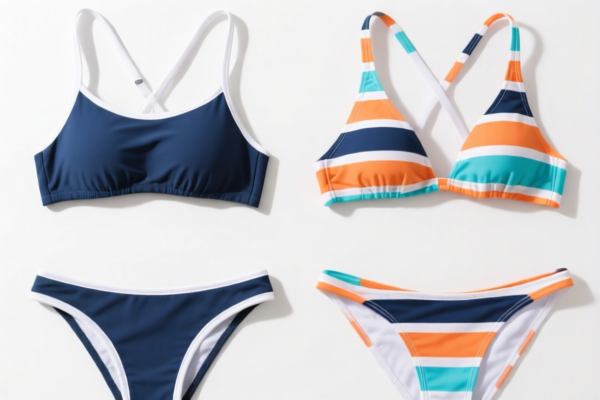
Bathing suits are specialized garments designed for water sports, swimming, beach activities, and marine recreation. In international trade, they are strictly categorized by fabric material and construction method (Knitted vs. Woven), which drastically affects the duty rate:
Synthetic Fiber Knitted/Hooked Swimwear: Made from Nylon, Polyester, or Spandex blends with high elasticity. Man-Made Fibers (Woven) Swimwear: Made from artificial fibers (often Rayon, Acetate, or specific Polyesters) in a woven structure.
⚠️ Key Distinction for Customs:
- If the item is Knitted (stretched, looped structure) and made of Synthetics → Likely 6112.41.00.30 (Lowest Base Duty, High USITC Impact).
- If the item is Knitted and made of Synthetics but subject to specific trade disputes → 6112.41.00.10 (Higher Total Tax due to "Additional Duties").
- If the item is Woven and made of Man-Made Fibers → 6211.12.10.10 (Lowest Total Tax due to lower Base Duty).
- If the item is Swim Shorts (men's) made of Synthetics → 6112.31.00.10.
- If the item is Swim Shorts made of Cotton/Polyester/Nylon → 6112.39.00.10 (Varies by specific fiber mix and Additional Duties).
📦 II. HS Code Classification Details (2026 Latest Tariff Authority)
| HS Code | Product Description | Construction/Material | Application Scenario |
|---|---|---|---|
6112.41.00.30 |
Swimsuits, Knitted/Hooked, Synthetic Fibers | Knitted + Synthetic (Polyester/Nylon/Spandex) | Women's one-pieces, bikinis (Standard Synthetic) |
6112.41.00.10 |
Swimsuits, Knitted/Hooked, Synthetic Fibers | Knitted + Synthetic (Subject to Additional Duty) | Women's one-pieces (Trade Sanctioned Category) |
6211.12.10.10 |
Swimsuits, Woven, Man-Made Fibers | Woven + Man-Made (Artificial Fibers) | Traditional woven swimsuits, board shorts (Men's) |
6112.31.00.10 |
Swim Shorts, Knitted, Synthetic Fibers | Knitted + Synthetic (Men's) | Men's performance swim trunks |
6112.39.00.10 |
Swim Shorts, Knitted, Cotton/Polyester/Nylon | Knitted + Mixed (Cotton/Poly/Nylon) | Men's casual swim shorts (Cotton blend or specific synthetics) |
🔍 Critical Reminder:
- Knitted vs. Woven is the #1 Pitfall: A suit made of the same fabric but knitted (Chapter 61) vs. woven (Chapter 62) falls into different HS Codes with drastically different tax rates.
- "Synthetic" vs. "Man-Made": While often confused, customs distinguishes between "Synthetic Fibers" (Ch. 61) and "Man-Made Fibers" (Ch. 62) based on the specific chemical composition and manufacturing process.
- Trade Sanctions: Codes6112.41.00.10and6112.39.00.10include specific "Section 301" or "Section 122" penalties, whereas others might not.
💰 III. 2026 Tariff Rate Breakdown (Including Base, Additional & 122 Section Duties)
✅ Applicable Country: United States (US)
✅ Origin: China (CN)
✅ Effective Time: As per 2025/2026 Trade Adjustment (Section 122 & 301)
🎯 1. 6112.41.00.30 — Synthetic Knitted Swimwear (No Additional 301 Duty)
| Item | Detail |
|---|---|
| Base Duty | 24.9% |
| Additional Duty (Section 301) | 0.0% |
| Section 122 Tariff | 10.0% (Specific China-related surcharge) |
| Total Tax Rate | 34.9% |
| Calculation | CIF Value × 34.9% |
| De Minimis Exemption | ❌ No (Commercial shipments only) |
| Legal Path | Base Tariff 6112.41.00.30 → Section 122 (10%) |
📌 Explanation:
- This code represents Synthetic Knitted Swimwear that is exempt from the extra "Section 301" surcharges often applied to other apparel.
- Crucial: You still pay the 10% Section 122 tariff, which is a specific penalty on Chinese-origin textile products.
- Total Cost Impact: 34.9% is high but lower than the "Sanctioned" categories.
🎯 2. 6112.41.00.10 — Synthetic Knitted Swimwear (With Section 301 Surcharge)
| Item | Detail |
|---|---|
| Base Duty | 24.9% |
| Additional Duty (Section 301) | 7.5% (Penalty on specific synthetic items) |
| Section 122 Tariff | 10.0% |
| Total Tax Rate | 42.4% |
| Calculation | CIF Value × 42.4% |
| De Minimis Exemption | ❌ No |
| Legal Path | Base Tariff 6112.41.00.10 → Section 301 (7.5%) → Section 122 (10%) |
📌 Critical Note:
- This code is for the same product type (Knitted, Synthetic) but falls under a higher penalty tier (likely due to specific fiber composition or trade dispute classification).
- Difference: A mere 0.1 difference in HS Code jumps your tax from 34.9% to 42.4%. Precision in labeling is vital.
🎯 3. 6211.12.10.10 — Woven Man-Made Swimwear (Lowest Base Rate)
| Item | Detail |
|---|---|
| Base Duty | 11.8% |
| Additional Duty (Section 301) | 0.0% |
| Section 122 Tariff | 10.0% |
| Total Tax Rate | 21.8% |
| Calculation | CIF Value × 21.8% |
| De Minimis Exemption | ❌ No |
| Legal Path | Base Tariff 6211.12.10.10 → Section 122 (10%) |
📌 Strategic Advantage:
- Lowest Tax in the List! If your product can be classified as Woven (e.g., traditional board shorts or specific woven fabric suits), this is the golden HS Code.
- Savings: You save 13.1%~20.6% compared to the knitted synthetic alternatives.
- Requirement: Must prove the fabric is Woven (not knitted) and made of Man-Made Fibers.
🎯 4. 6112.31.00.10 — Men's Swim Shorts (Synthetic Knitted)
| Item | Detail |
|---|---|
| Base Duty | 25.9% |
| Additional Duty (Section 301) | 0.0% |
| Section 122 Tariff | 10.0% |
| Total Tax Rate | 35.9% |
| Calculation | CIF Value × 35.9% |
| De Minimis Exemption | ❌ No |
| Legal Path | Base Tariff 6112.31.00.10 → Section 122 (10%) |
📌 Explanation:
- Applies specifically to Men's Swim Shorts made of Synthetic Fibers (Knitted).
- Higher base duty (25.9%) compared to women's one-pieces (24.9%).
- Note: No Section 301 surcharge applies here, but Section 122 does.
🎯 5. 6112.39.00.10 — Men's Swim Shorts (Cotton/Poly/Nylon Mix)
| Item | Detail |
|---|---|
| Base Duty | 13.2% |
| Additional Duty (Section 301) | 7.5% |
| Section 122 Tariff | 10.0% |
| Total Tax Rate | 30.7% |
| Calculation | CIF Value × 30.7% |
| De Minimis Exemption | ❌ No |
| Legal Path | Base Tariff 6112.39.00.10 → Section 301 (7.5%) → Section 122 (10%) |
📌 Nuance:
- This code covers shorts made of Cotton, Polyester, or Nylon (Knitted).
- Despite a low base duty (13.2%), the 7.5% Section 301 surcharge pushes the total to 30.7%.
- Comparison: It is cheaper than6112.41.00.10(42.4%) but more expensive than the "Woven" category (21.8%).
🛠️ IV. Customs Clearance Practical Advice (Real-World Pitfall Avoidance)
✅ 1. Preparation Checklist (Non-Negotiable)
| Document | Required? | Why? |
|---|---|---|
| ✅ Fabric Composition Label | ✔️ | Must explicitly state % of Nylon, Polyester, Spandex, Cotton, etc. |
| ✅ Knitting vs. Woven Proof | ✔️ | Provide a microscope photo or lab test report to prove structure. |
| ✅ Product Photos (360°) | ✔️ | Show seams, tags, and elasticity to verify "Swimwear" vs. "Athletic Wear". |
| ✅ Bill of Materials (BOM) | ✔️ | Critical for determining if "Man-Made" or "Synthetic" classification applies. |
| ✅ Commercial Invoice | ✔️ | Must match the HS Code description exactly (e.g., "Synthetic Knitted"). |
✅ 2. Declaration Strategy (Key Mnemonic)
🔥 "Knit vs. Woven decides the Base, Section 122 is the Constant, 301 is the Killer!"
| Scenario | Correct Declaration | Risk of Error |
|---|---|---|
| Woven Board Shorts | 6211.12.10.10 |
If misdeclared as Knitted → Tax jumps from 21.8% to 30.7%~35.9%. |
| Synthetic One-Piece | 6112.41.00.30 or .10 |
If misdeclared as .10 instead of .30 → Pay 8% extra (42.4% vs 34.9%). |
| Men's Swim Shorts | 6112.31.00.10 (Synth) vs .39 (Cotton) |
Mixing materials → Base duty jumps from 13.2% to 25.9%. |
| "Athletic" vs. "Swim" | Clearly state "Swimwear" | If labeled "Lycra Shorts" (Sports) → May face different classification (6112.39.90). |
✅ 3. Special Scenarios
| Situation | Recommendation |
|---|---|
| Mixed Fabric (e.g., 50% Cotton/50% Poly) | Must use the Section 61 code if knitted. If knitted, it often falls under .39.00.10 (Cotton blend) rather than pure synthetic. |
| Elasticized Fabric | High Spandex content (e.g., 20% Spandex) confirms "Synthetic Knitted" → Check 6112.41.00 carefully. |
| Section 122 Impact | All textile products from China currently face the 10% Section 122 surcharge regardless of HS Code. Budget for this! |
| De Minimis (800 USD) | Not Applicable for commercial freight. If shipping via e-commerce (Section 321), check current exemption limits for textiles. |
🌍 V. Market Comparison & Cost Optimization (2026)
| Market | Recommended HS Code | Effective Rate (China Origin) | Strategy |
|---|---|---|---|
| 🇺🇸 USA | 6211.12.10.10 (Woven) |
21.8% | Best Option: Switch to Woven fabric if design allows. |
| 🇺🇸 USA | 6112.41.00.30 (Knit) |
34.9% | Standard: Use for high-stretch bikinis. |
| 🇺🇸 USA | 6112.41.00.10 (Knit) |
42.4% | Avoid: Only use if product is explicitly in this category (e.g., specific polyester blend). |
| 🇨🇳 China (Export) | N/A | Base Only | Domestic Tax: 0-15% depending on fabric. No Section 301/122. |
| 🇪🇺 EU | 6211.12.10 |
0% (If Rules of Origin met) | Opportunity: Consider EU production for duty-free access. |
📌 Conclusion:
- The "Woven" advantage is huge: Moving from Knitted to Woven (if structurally possible) saves 10-20% in total tax.
- Section 122 is the new normal: Plan for the 10% surcharge on every textile entry from China.
- Precision matters: A single digit change in HS Code (.30vs.10) changes your margin by 8%.
📌 VI. Common Mistakes & Lessons Learned
❌ Mistake 1: Calling all "Swimwear" as "Synthetic Knitted"
👉 Result: You pay 42.4% when you could have paid 21.8% by proving it's Woven (6211.12.10.10).
❌ Mistake 2: Ignoring the "122 Section 10%"
👉 Result: You calculated taxes at 25% but forgot the 10% surcharge → 25% underpayment + Penalties.
❌ Mistake 3: Vague "Spandex" Description
👉 Result: Customs cannot determine if it's "Synthetic" or "Man-Made". → Audit delay + Random inspection.
❌ Mistake 4: Using "Swim Trunks" for Women's Suits
👉 Result: Classification mismatch. Men's codes (6112.31) vs Women's (6112.41) have different base duties.
✅ Best Practice:
"Swimsuit, Women's, 100% Recycled Polyester, Knitted, Model XYZ, No Cotton."
OR
"Board Shorts, Men's, 100% Woven Rayon, No Knitting, Model ABC."
🎯 VII. Conclusion: Precision Saves Profit
🎯 Remember the Mantra:
🔹 "Woven is King (21.8%), Knit is Queen (34.9-42.4%), Cotton/Poly Mix is Tricky (30.7%)."
🔹 "Section 122 (10%) hits everyone, Section 301 (0% vs 7.5%) splits the difference."
📌 Pro Tip:
If your product is not made of "Synthetic Fibers" but uses "Man-Made Fibers" (e.g., Rayon, Viscose), always aim for the 6211.12.10.10 classification to secure the lowest tax rate.
Action Step:
📞 Consult a Textile Specialist to verify your fabric's "Knit vs. Woven" status before shipping!
🚀 Optimize your HS Code to keep your margins healthy!
✨ Professional Customs, Start with Precise Classification!
💼 Every 1% of tax saved is pure profit!
Customer Reviews
About HS Code Classification
The Harmonized System (HS) is an internationally standardized nomenclature developed by the World Customs Organization (WCO) to classify traded products. Over 200 countries use the HS system as the basis for customs tariffs, trade statistics, and import/export regulations.
Each HS code follows a hierarchical structure:
- Chapter (2 digits) — Broad category of goods (e.g., Chapter 84: Machinery and Mechanical Appliances)
- Heading (4 digits) — More specific grouping within the chapter
- Subheading (6 digits) — Internationally standardized breakdown, used by all WCO member countries
- National subdivisions (8-10 digits) — Country-specific extensions for further classification, such as US HTSUS 10-digit codes
Correct HS code classification is essential for smooth customs clearance, accurate duty payment, and compliance with trade regulations. Misclassification can lead to customs delays, overpayment of duties, or penalties.
When importing from CN to US, the applicable tariff rates may include:
- Most-Favored-Nation (MFN) rate — The standard duty rate applied to WTO members
- General rate — Applied to countries without trade agreements
- Trade remedy duties — Additional tariffs such as Section 301 (anti-dumping), Section 232 (national security), or countervailing duties
The information provided on this page is for reference purposes only. For official classification, please consult with your local customs authority or a licensed customs broker.