Bathroom Curtain
CN → US| HS Code | Tariff Rate | Origin | Destination | Doc |
|---|---|---|---|---|
| 7326908688 | 87.9% | CN | US | Official Doc |
| 7616995150 | 37.5% | CN | US | Official Doc |
| 3926305000 | 22.8% | CN | US | Official Doc |
| 7326200090 | 88.9% | CN | US | Official Doc |
| 6303910010 | 27.8% | CN | US | Official Doc |
| 6303192110 | 23.9% | CN | US | Official Doc |
Product Images
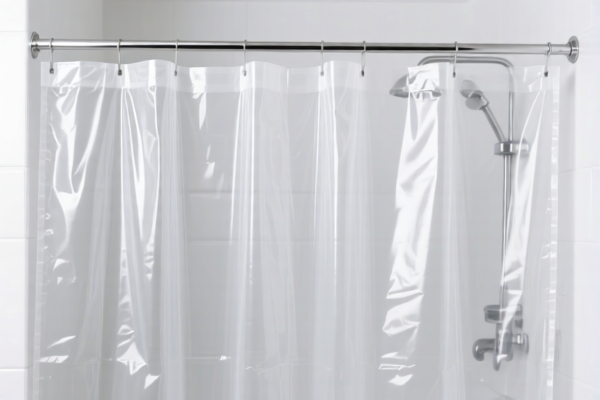
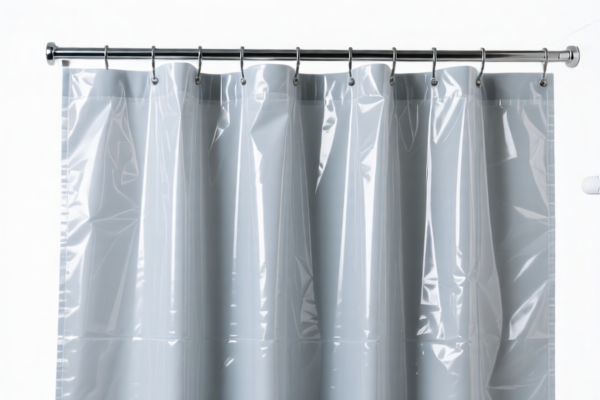
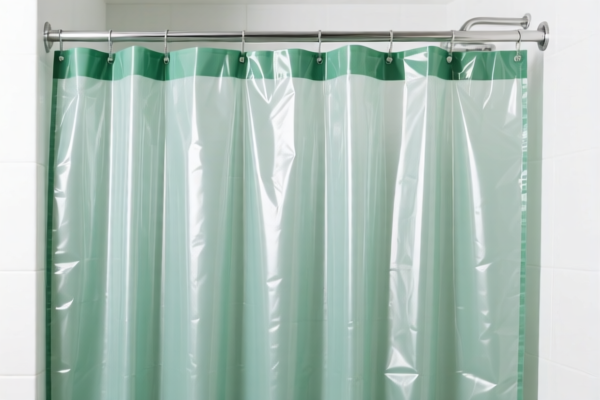
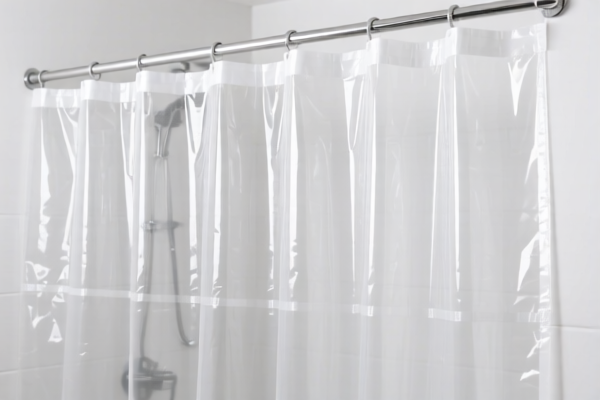
AI Analysis
🚿 Bathroom & Bed Curtains: The Ultimate HS Code Guide & Customs Clearance Strategy (2026 Update)
🌐 HS Code Reference & Clearance Guide | 2026 Latest Tariff Analysis | Professional Customs Strategy
📌 I. Product Definition & Classification: Do You Really Understand "Curtains"?
Curtains for bathrooms and beds are essential home textile and hardware accessories. In international trade, they are strictly categorized based on material composition and functional structure. Misclassification can lead to severe tariff penalties, especially under current Section 301 and IEEPA regulations.
1. Metal Curtain Rods (Hardware):
- Typically made of Iron/Steel or Aluminum.
- Classified under Chapter 73 (Iron/Steel) or Chapter 76 (Aluminum).
- Crucial Distinction: Steel items face significantly higher tariffs (up to 88.9%) compared to Aluminum or Plastic.
2. Fabric Curtains (Textiles):
- Bathroom Curtains (often treated as rod accessories or textile goods depending on construction).
- Bed Curtains/Canopies (Textile goods, Chapter 63).
- Classified based on fiber content: Cotton, Synthetic Fibers, or Other Textiles.
⚠️ Key Classification Point:
- If it’s a metal rod → Chapter 73/76 (High Tariff for Steel).
- If it’s a plastic connector/rod → Chapter 39 (Lower Tariff).
- If it’s a fabric curtain → Chapter 63 (Moderate Tariff).
📦 II. HS Code Classification Details (2026 Latest Tariff Authority)
The following table breaks down the specific HS Codes provided for Bathroom/Bed Curtains and related hardware:
| HS Code | Product Description | Material/Type | Total Tax Rate (CN→US) | Key Tax Components |
|---|---|---|---|---|
7326.90.86.88 |
Bathroom Curtain Rod (Metal, Iron/Steel, Other) | Iron/Steel | 87.9% | Base: 2.9% + Sec 301: 25% + Sec 232/IEEPA: 50% (Steel/Al) + IEEPA: 10% |
7616.99.51.50 |
Bathroom Curtain Rod (Aluminum, Support/Bracket) | Aluminum | 37.5% | Base: 2.5% + Sec 301: 25% + IEEPA: 10% |
3926.30.50.00 |
Bathroom Curtain Rod (Plastic, Connector/Support) | Plastic | 22.8% | Base: 5.3% + Sec 301: 7.5% + IEEPA: 10% |
7326.20.00.90 |
Bathroom Curtain Rod (Iron/Steel, Other Metal) | Iron/Steel | 88.9% | Base: 3.9% + Sec 301: 25% + Sec 232/IEEPA: 50% (Steel/Al) + IEEPA: 10% |
6303.91.00.10 |
Bed Curtain (Textile, Cotton/Material) | Cotton/Textile | 27.8% | Base: 10.3% + Sec 301: 7.5% + IEEPA: 10% |
6303.19.21.10 |
Bed Curtain (Textile, Synthetic/Cotton) | Synthetic/Cotton | 23.9% | Base: 6.4% + Sec 301: 7.5% + IEEPA: 10% |
🔍 Critical Insight:
- Steel Rods (7326.90.86.88/7326.20.00.90) are the most expensive to import due to the 50% Section 232/IEEPA tariff on steel/aluminum products.
- Plastic Rods (3926.30.50.00) offer the lowest tax burden (22.8%).
- Fabric Curtains (6303...) are significantly cheaper to import than steel rods.
💰 III. 2026 Latest Tariff Rate Breakdown (Including Surcharges & Policy Add-ons)
✅ Applicable Country: United States (US)
✅ Origin: China (CN)
✅ Effective Date: 2025/2026 Regulations
🎯 1. Steel Curtain Rods (7326.90.86.88 & 7326.20.00.90)
🔥 HIGH RISK: Highest Tariff Category
| Item | Detail |
|---|---|
| Base Rate | 2.9% - 3.9% (ad valorem) |
| Section 301 Surcharge | +25.0% |
| Section 232 / IEEPA (Steel/Al) | +50.0% (Critical) |
| IEEPA (General China) | +10.0% |
| Total Effective Tax | 87.9% - 88.9% |
| De Minimis Exemption? | ❌ NO (High-value industrial/hardware goods typically denied) |
| Legal Basis | USITC:7326 + IEEPA:9903 + USITC Footnote 232 |
📌 Explanation:
The 50% additional tariff is applied because these are classified as steel products under Section 232 national security measures. This makes steel bathroom rods extremely unprofitable for direct export to the US unless value-added significantly.
🎯 2. Aluminum Curtain Rods (7616.99.51.50)
⚠️ MEDIUM RISK
| Item | Detail |
|---|---|
| Base Rate | 2.5% |
| Section 301 Surcharge | +25.0% |
| IEEPA (General China) | +10.0% |
| Total Effective Tax | 37.5% |
| De Minimis Exemption? | ❌ NO |
| Legal Basis | USITC:7616 + IEEPA:9903 |
📌 Note:
Aluminum is also subject to Section 232, but the specific subheading7616.99.51.50(supports/brackets) may fall under different footnotes than direct steel products. However, 37.5% is still very high. Verify if aluminum rods qualify for the 50% surcharge; if not, 37.5% is the baseline.
🎯 3. Plastic Curtain Rods/Connectors (3926.30.50.00)
✅ LOWEST RISK (Among Hardware)
| Item | Detail |
|---|---|
| Base Rate | 5.3% |
| Section 301 Surcharge | +7.5% |
| IEEPA (General China) | +10.0% |
| Total Effective Tax | 22.8% |
| De Minimis Exemption? | ❌ NO (Generally, plastics are not exempt from Section 301/IEEPA) |
| Legal Basis | USITC:3926 + IEEPA:9903 |
📌 Strategy:
If possible, shift hardware components to Plastic or Composite Materials to reduce tariffs from ~88% to 22.8%.
🎯 4. Bed Curtains / Textile Covers (6303.91.00.10 & 6303.19.21.10)
✅ MODERATE RISK
| Item | Detail |
|---|---|
| Base Rate | 6.4% - 10.3% |
| Section 301 Surcharge | +7.5% |
| IEEPA (General China) | +10.0% |
| Total Effective Tax | 23.9% - 27.8% |
| De Minimis Exemption? | ❌ NO (Textiles are generally subject to Section 301) |
| Legal Basis | USITC:6303 + IEEPA:9903 |
📌 Note:
Textile curtains have much lower tariffs than metal rods. If the product can be classified as a fabric curtain rather than a metal rod, you save ~60% in taxes.
🛠️ IV. Customs Clearance Practical Advice (Real-World Pitfall Guide)
✅ 1. Preparation Checklist (Non-Negotiable)
| Document | Required? | Explanation |
|---|---|---|
| ✅ Product Specification Sheet | ✔️ | Must detail material (Iron, Steel, Aluminum, Plastic, Cotton). Vague terms lead to reclassification. |
| ✅ Material Composition Certificate | ✔️ | Crucial for distinguishing between Steel (88%) and Plastic/Aluminum (22-37%). |
| ✅ Product Photos (With Labels) | ✔️ | Show entire assembly. If a "curtain" is just a fabric with a plastic rod, classify as textile. |
| ✅ Commercial Invoice | ✔️ | Must match HS Code description exactly. E.g., "Plastic Curtain Rod" not "Metal Rod". |
| ✅ Packing List | ✔️ | Ensure no mixing of high-tariff steel items with low-tariff plastic items in same shipment if possible. |
| ✅ Third-Party Test Report | ✔️ | RoHS, REACH, or material safety data sheet (MSDS) to prove material composition. |
✅ 2. Declaration Strategy (Key Mantras)
🔥 “Material Determines Tax! Steel is Death, Plastic is Life!”
| Scenario | Correct Declaration | Wrong Action |
|---|---|---|
| Iron/Steel Rod | 7326.90.86.88 |
Declare as "Metal Rod" → Risk of 88.9% |
| Aluminum Rod | 7616.99.51.50 |
Declare as "Plastic" → Fraud/Rejection |
| Plastic Rod/Connector | 3926.30.50.00 |
Declare as "Steel" → Overpaying Tax |
| Fabric Bed Curtain | 6303.19.21.10 |
Declare as "Curtain Rod" → Wrong Chapter |
| Mixed Kit (Rod + Fabric) | Split Declaration or Main Item | Combine into one HS Code → Risk of audit & penalty |
📌 Special Tip:
If the product is a Complete Set (Rod + Fabric), consider declaring the dominant material. If the rod is plastic, the whole set might be classified under Chapter 39 (Plastic) or Chapter 63 (Textile), avoiding the 88% steel tariff.
✅ 3. Special Case Handling
| Situation | Handling Advice |
|---|---|
| OEM Custom Steel Rods | High tax. Consider supply chain shift to Vietnam/Mexico for origin change. |
| Aluminum vs. Steel | Aluminum is cheaper to import but still high (37.5%). Plastic is best for hardware. |
| Bed Canopy (Fabric) | Low tax (23.9%). Ensure description is "Textile Curtain" not "Support Structure". |
| De Minimis (Section 321) | Most curtain rods/curtains from China are NOT eligible for $800 de minimis exemption due to high tariff rates and IEEPA restrictions. Plan for full duty payment. |
🌍 V. Global Market Comparison (2026)
| Country/Region | Recommended HS Code | Tariff (CN Origin) | Certification | Note |
|---|---|---|---|---|
| 🇺🇸 USA | 3926.30.50.00 (Plastic) |
22.8% | FCC (if electric), RoHS | Steel rods: 88.9%. Avoid Steel! |
| 🇨🇳 China | 7326.90.86.88 |
~2-3% (Export Duty) | CCC (if applicable) | Domestic sales ignore US tariffs. |
| 🇪🇺 EU | 7326.90.89 |
0-2% (General) | CE, RoHS | No Section 301. Much cheaper. |
| 🇬🇧 UK | 7326.90.89 |
0-2% | UKCA | Post-Brexit, similar to EU. |
| 🇦🇺 Australia | 7326.90.89 |
5% | RCM | Moderate tariff. |
📌 Conclusion:
- The US market is the most hostile for Chinese-made curtain rods due to Section 301 & 232.
- Steel rods are nearly unviable for direct export to the US (88.9% tax).
- Plastic rods (22.8%) and Fabric curtains (23.9%) are the only cost-effective options.
📌 VI. Common Mistakes & Pitfalls (Blood & Tears Lessons)
❌ Mistake 1: Classifying Steel Rods as "Metal Rods" without specifying material.
👉 Result: Customs may default to the highest duty rate (88.9%) or demand additional documentation.
❌ Mistake 2: Declaring Aluminum Rods as Plastic to save tax.
👉 Result: Customs inspection will reveal the material. Fraud charges, seizure, and fines.
❌ Mistake 3: Ignoring IEEPA 10% on all Chinese goods.
👉 Result: Underestimating total cost. Even plastic rods are 22.8%, not 12.8%.
❌ Mistake 4: Assuming De Minimis applies to curtains.
👉 Result: Packages held at border. No $800 exemption for most textile/hardware items from China under current rules.
✅ Correct Approach:
"Plastic Rod, 10mm, White, PVC Material, Model XYZ, For Bathroom Use"
HS Code:3926.30.50.00
Tax: 22.8%
🎯 VII. Conclusion: Precise Classification Saves Millions!
🎯 Remember the Mantra:
🔹 “Steel is 88%, Plastic is 22%, Fabric is 24%.”
🔹 “Material is King! Verify before you ship!”
🔹 “No De Minimis for China Curtain Rods!”
📌 Pro Tip:
If you are exporting steel rods, consider:
1. Supply Chain Diversification: Manufacture in Vietnam or Mexico to avoid US-China tariffs.
2. Product Redesign: Switch to Plastic or Composite materials for hardware components.
3. Pre-Ruling: Apply for an Advance Ruling (CBP) to confirm HS Code before shipping large volumes.
📣 Immediate Action Required:
📞 Contact Customs Broker: Provide material specs.
📝 Update Invoice Descriptions: Be precise.
🚀 Optimize Logistics: Choose plastic/fabric for US-bound shipments to maximize profit!
✨ Professional Customs Clearance Starts with Accurate Classification!
💼 Your Margin Depends on Your HS Code!
Customer Reviews
About HS Code Classification
The Harmonized System (HS) is an internationally standardized nomenclature developed by the World Customs Organization (WCO) to classify traded products. Over 200 countries use the HS system as the basis for customs tariffs, trade statistics, and import/export regulations.
Each HS code follows a hierarchical structure:
- Chapter (2 digits) — Broad category of goods (e.g., Chapter 84: Machinery and Mechanical Appliances)
- Heading (4 digits) — More specific grouping within the chapter
- Subheading (6 digits) — Internationally standardized breakdown, used by all WCO member countries
- National subdivisions (8-10 digits) — Country-specific extensions for further classification, such as US HTSUS 10-digit codes
Correct HS code classification is essential for smooth customs clearance, accurate duty payment, and compliance with trade regulations. Misclassification can lead to customs delays, overpayment of duties, or penalties.
When importing from CN to US, the applicable tariff rates may include:
- Most-Favored-Nation (MFN) rate — The standard duty rate applied to WTO members
- General rate — Applied to countries without trade agreements
- Trade remedy duties — Additional tariffs such as Section 301 (anti-dumping), Section 232 (national security), or countervailing duties
The information provided on this page is for reference purposes only. For official classification, please consult with your local customs authority or a licensed customs broker.