Bathroom Floor Mat
CN → US| HS Code | Tariff Rate | Origin | Destination | Doc |
|---|---|---|---|---|
| 4016910000 | 37.7% | CN | US | Official Doc |
| 3921135000 | 39.2% | CN | US | Official Doc |
| 4016100000 | 35.0% | CN | US | Official Doc |
| 6304920000 | 23.8% | CN | US | Official Doc |
| 6304910120 | 23.3% | CN | US | Official Doc |
Product Images
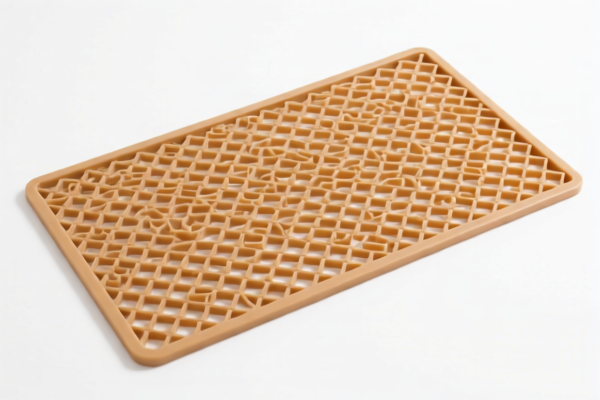
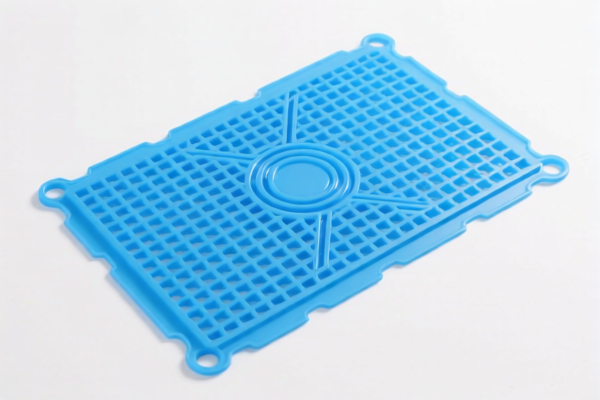
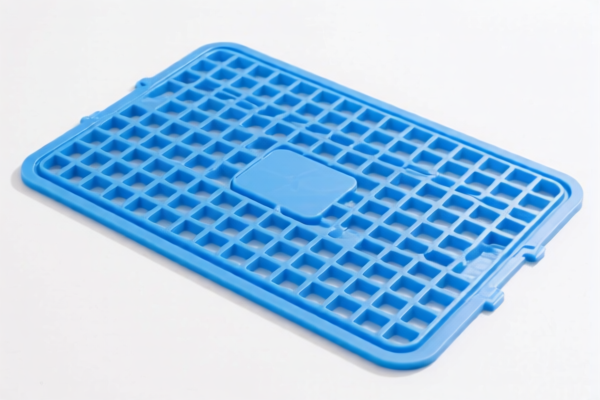
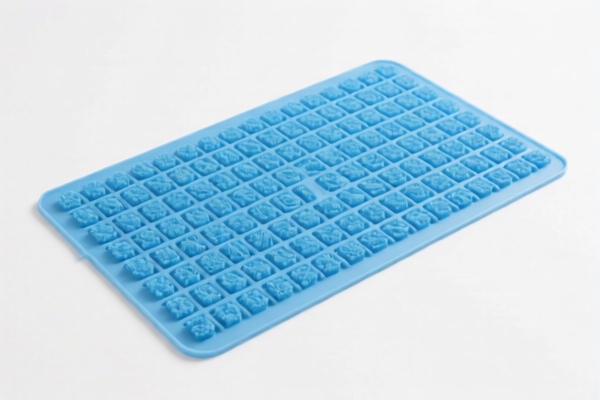
AI Analysis
🚿 Bathroom Floor Mats (The Ultimate Guide to HS Codes & US Customs Clearance)
🌐 HS Code Reference & Customs Clearance Guide | 2026 Latest Tariff Analysis | Professional Strategy
📌 Part 1: Product Definition & Classification – Do You Know Your "Mat" Material?
Bathroom floor mats are essential home accessories designed for slip resistance and water absorption. In international trade, their classification is strictly determined by material composition and knitting/weaving status. Misclassification can lead to severe tariff penalties due to the complex layering of base tariffs, Section 301 tariffs, and Section 122 tariffs.
Key Classification Branches: * Rubber/Plastic Mats (Non-Textile): Includes Sulfurized Rubber and Polyurethane (PU). These fall under Chapter 40 and 39. * Textile Mats (Knitted/Crocheted): Includes Knitted Cotton Mats. These fall under Chapter 63. * Textile Mats (Non-Knitted/Non-Textile Weave): Includes Woven/Wiped Cotton Mats. These fall under Chapter 63.
⚠️ Critical Distinction:
- If the mat is made of Rubber or Plastic (PU), it belongs to Chapter 40 or 39.
- If the mat is Knitted/Crocheted Cotton, it belongs to 6304.91.
- If the mat is Woven, Wiped, or Non-Knitted Cotton, it belongs to 6304.92.
- Note: "Carpets" (4016.91) are often confused with rubber mats but have a distinct legal definition in Chapter 40.
📦 Part 2: HS Code Classification Matrix (2026 Latest Tariff Authority)
| HS Code | Product Description | Material/Type | Classification Logic |
|---|---|---|---|
4016.91.00.00 |
Bathroom Mats | Sulfurized Rubber / Anti-slip Material | Classified as "Carpets and Rugs" within Chapter 40 (Other Articles of Vulcanized Rubber). |
3921.13.50.00 |
Bathroom Mats | Polyurethane (PU) / Plastic | Classified as "Sheets/Plates/Strips" of Cellular Plastics (Chapter 39). |
4016.10.00.00 |
Bathroom Mats | Rubber (Other) | Classified as "Other Vulcanized Rubber Articles" (General rubber mats). |
6304.92.00.00 |
Bathroom Mats | Cotton (Non-Knitted) | Classified as "Other Furnishing Articles" of Cotton (Woven/Wiped/Non-knitted). |
6304.91.01.20 |
Bathroom Mats | Cotton (Knitted/Crocheted) | Classified as "Indoor Furnishings" of Knitted/Crocheted Cotton. |
🔍 Focus Alert:
- Rubber vs. Plastic: A "rubber" mat (elastic, vulcanized) goes to4016.xxxx. A "PU" mat (cellular plastic, foam-like) goes to3921.13.50. This distinction changes the base duty. - Knitted vs. Non-Knitted: For cotton mats, knitting (looped yarn, stretchy) vs. weaving/wiping (flat weave or terry cloth) is the deciding factor between6304.91and6304.92.
💰 Part 3: 2026 US Tariff Rate Detailed Breakdown
✅ Applicable Country: United States (US)
✅ Origin: China (CN)
✅ Effective Time: Current Trade War Rates (Section 301 + Section 122)
🎯 1. 4016.91.00.00 – Sulfurized Rubber Mats (Carpets/Rugs Class)
| Item | Content |
|---|---|
| Base Duty | 2.7% |
| Section 301 Add-on | +25.0% |
| Section 122 Add-on | +10.0% |
| Total Effective Rate | 37.7% |
| Tax Calculation | CIF Value × 37.7% |
| De Minimis Exemption | ❌ Denied (High tariff items usually excluded from 800/864 exemptions depending on specific CBP rulings, but Section 301 often blocks de minimis for HS 4016.91 in strict enforcement periods). |
| Legal Path | Base: 4016.91 → Section 301: Footnote 9903.88.03 → Section 122: HTSUS Note 122 |
📌 Explanation:
- This is the standard "Rubber Rug" classification.
- The 37.7% rate is heavy. Even though the base duty is low (2.7%), the punitive tariffs dominate.
- Risk: If Customs determines the product is actually "plastic" (PU) rather than "rubber," they may shift you to3921.13.50.00(39.2%), which is even higher.
🎯 2. 3921.13.50.00 – PU/Plastic Bathroom Mats
| Item | Content |
|---|---|
| Base Duty | 4.2% |
| Section 301 Add-on | +25.0% |
| Section 122 Add-on | +10.0% |
| Total Effective Rate | 39.2% |
| Tax Calculation | CIF Value × 39.2% |
| De Minimis Exemption | ❌ Denied |
| Legal Path | Base: 3921.13 → Section 301: Footnote 9903.88.03 → Section 122: HTSUS Note 122 |
📌 Explanation:
- PU mats are increasingly common. They are classified as "Cellular Plastics."
- Highest Base Duty among the options (4.2%).
- Risk: High scrutiny on material composition. If the supplier claims "rubber" but it's PU, you face the 39.2% rate instead of 37.7%.
🎯 3. 4016.10.00.00 – Other Rubber Mats
| Item | Content |
|---|---|
| Base Duty | 0.0% |
| Section 301 Add-on | +25.0% |
| Section 122 Add-on | +10.0% |
| Total Effective Rate | 35.0% |
| Tax Calculation | CIF Value × 35.0% |
| De Minimis Exemption | ❌ Denied |
| Legal Path | Base: 4016.10 → Section 301: Footnote 9903.88.03 → Section 122: HTSUS Note 122 |
📌 Explanation:
- This is the lowest total tax rate (35.0%) for rubber/plastic mats.
- Crucial: This code is for "Other" rubber articles. It is often used for simple, non-rugged rubber mats.
- Risk: If the mat is specifically designed as a "rug" or has specific anti-slip features classified as "carpet," Customs may force it into4016.91.00.00(37.7%). However,4016.10is the best-case scenario for rubber.
🎯 4. 6304.92.00.00 – Cotton Mats (Non-Knitted/Woven)
| Item | Content |
|---|---|
| Base Duty | 6.3% |
| Section 301 Add-on | +7.5% |
| Section 122 Add-on | +10.0% |
| Total Effective Rate | 23.8% |
| Tax Calculation | CIF Value × 23.8% |
| De Minimis Exemption | ❌ Denied |
| Legal Path | Base: 6304.92 → Section 301: Footnote 9903.88.03 → Section 122: HTSUS Note 122 |
📌 Explanation:
- Significant tariff advantage over rubber/plastic!
- Section 301 is only 7.5% for textiles, vs. 25% for rubber/plastic.
- Definition: Must be non-knitted (e.g., woven terry cloth, flat-weave cotton).
🎯 5. 6304.91.01.20 – Knitted Cotton Mats
| Item | Content |
|---|---|
| Base Duty | 5.8% |
| Section 301 Add-on | +7.5% |
| Section 122 Add-on | +10.0% |
| Total Effective Rate | 23.3% |
| Tax Calculation | CIF Value × 23.3% |
| De Minimis Exemption | ❌ Denied |
| Legal Path | Base: 6304.91 → Section 301: Footnote 9903.88.03 → Section 122: HTSUS Note 122 |
📌 Explanation:
- The Lowest Total Tax Rate overall (23.3%) for bathroom mats.
- Definition: Must be Knitted or Crocheted.
- Strategy: If your product is a soft, stretchy, looped cotton mat, this is the best HS Code for cost savings.
🛠️ Part 4: Customs Clearance Practical Advice (Avoid Pitfalls)
✅ 1. Material Testing is Mandatory
| Material Test | Purpose |
|---|---|
| FTIR Analysis | Distinguish between Vulcanized Rubber (4016) and PU Plastic (3921). Crucial for avoiding 3921's 39.2% rate. |
| Knitting vs. Weaving Test | Distinguish between Knitted (6304.91) and Non-Knitted (6304.92). Affects textile classification. |
| Absorption Rate | Helps prove functional intent for "bathroom mat" description, though HS is primarily material-based. |
✅ 2. Declaration Tips (Key Mnemonics)
🔥 "Knitted Cotton Wins, Rubber Pays More; Plastic PU is Highest, Rubber Rug is Middle!"
| Scenario | Correct HS Code | Tax Rate | Risk |
|---|---|---|---|
| Knitted Cotton Mat | 6304.91.01.20 |
23.3% | ✅ Lowest Cost. Ensure photos show loops/knitting. |
| Woven/Terry Cotton Mat | 6304.92.00.00 |
23.8% | ✅ Low Cost. Ensure photos show flat weave/loops not knitted. |
| Rubber Mat (General) | 4016.10.00.00 |
35.0% | ⚠️ Medium Cost. Best if not classified as "rug". |
| Rubber Rug | 4016.91.00.00 |
37.7% | ⚠️ Higher Cost. If it looks like a traditional rug. |
| PU/Plastic Foam Mat | 3921.13.50.00 |
39.2% | ❌ Highest Cost. Avoid if possible. |
✅ 3. Documentation Checklist
| Document | Requirement |
|---|---|
| Product Description | Must specify material: e.g., "100% Cotton, Knitted, Bathroom Mat" or "Vulcanized Rubber, Anti-slip Bath Mat". |
| Material Certificate | Provide factory cert stating "Cotton" or "Rubber" or "PU". |
| Photos | Close-up of texture (to prove knitting vs. weaving) and backside (to show non-slip dots vs. solid rubber). |
| Invoice | Value must match CIF. No hidden fees to avoid valuation disputes. |
✅ 4. Special Case Handling
| Scenario | Advice |
|---|---|
| Mixed Material Mats | If the mat is Cotton top + Rubber bottom, the principal character determines the HS. Usually, the cotton top dictates 6304 if it's the main consumer-facing material. |
| OEM Private Label | Ensure the description doesn't use terms like "Carpet" if using 4016.10 to avoid the higher 4016.91 rate. Use "Mat" or "Floor Covering". |
| De Minimis (Section 321) | ⚠️ Warning: Items with Section 301 tariffs (like these) are often blocked from the $800 de minimis entry under recent CBP enforcement. Verify current status before shipping via courier (DHL/FedEx) for small orders. |
🌍 Part 5: Global Market Comparison (2026)
| Market | Recommended HS Code | Est. Total Tax | Notes |
|---|---|---|---|
| 🇺🇸 USA | 6304.91.01.20 (Knitted Cotton) |
23.3% | Best rate. Avoid Rubber (35-39%). |
| 🇨🇳 China (Export) | 6304.91.01.20 |
0% (Export Rebate) | Standard export clearance. |
| 🇪🇺 EU | 6302.99 (Bed/Bath Linen) |
4-6% | EU uses different chapter (6302 vs 6304). Lower tariffs than US. |
| 🇬🇧 UK | 6302.99 |
4-6% | Post-Brexit rules apply. Similar to EU. |
| 🇯🇵 Japan | 6302.99 |
5-7% | Lower than US punitive tariffs. |
📌 Conclusion:
- USA is the most expensive market due to Section 301 and 122 tariffs.
- Cotton Mats (Textiles) save ~12-16% in taxes compared to Rubber/Plastic mats in the US.
- Strategy: Prioritize Knitted Cotton (6304.91) if material allows.
📌 Part 6: Common Mistakes & Blood-Tears Lessons
❌ Mistake 1: Calling a Rubber Mat a "Cotton Bath Rug" to get 23.3% tax.
👉 Consequence: Customs inspects, finds rubber, charges 37.7% + penalty + seizure risk.
❌ Mistake 2: Calling a Knitted Cotton Mat "Woven Cotton" (6304.92).
👉 Consequence: Minor risk (rate difference is small: 23.3% vs 23.8%), but incorrect declaration can lead to delays.
❌ Mistake 3: Using 4016.91 (Rug) for a simple rubber mat.
👉 Consequence: Paying 37.7% instead of 35.0%. If the product is clearly not a "carpet" shape, argue for 4016.10 to save 2.7%.
❌ Mistake 4: Assuming PU Mats are Rubber.
👉 Consequence: PU (3921) has a higher base duty (4.2%) than Rubber (4016, 0-2.7%). Misclassification leads to underpayment.
✅ Correct Action:
"100% Cotton, Knitted, Bath Mat, Non-Slip Backing, Model XYZ" → HS 6304.91.01.20 (23.3%)
"Vulcanized Rubber, Bath Mat, Anti-Slip, Model XYZ" → HS 4016.10.00.00 (35.0%)
🎯 Part 7: Conclusion – Smart Sourcing Saves Big!
🎯 Remember the Golden Rules:
🔹 "Knitted Cotton is King (23.3%)."
🔹 "Rubber is Expensive (35-39%)."
🔹 "PU is the Most Expensive (39.2%)."
🔹 "Textiles avoid the 25% Section 301 blast (only 7.5%)."
📌 Pro Tip:
If you are sourcing from Vietnam, Mexico, or Thailand, you may qualify for zero Section 301 tariffs, reducing your total tax to just the base rate (0-6%). Always check Country of Origin benefits!
📣 Immediate Action:
📞 Verify Material: Ask supplier for a material composition test.
📝 Draft Description: Use precise terms ("Knitted" vs "Rubber").
🚀 Apply for Advance Ruling: For large volumes, get a CBP binding ruling to lock in the HS Code.
✨ Professional Clearance Starts with Precise Classification!
💼 Every 1% tax saving multiplies with every container!
Customer Reviews
About HS Code Classification
The Harmonized System (HS) is an internationally standardized nomenclature developed by the World Customs Organization (WCO) to classify traded products. Over 200 countries use the HS system as the basis for customs tariffs, trade statistics, and import/export regulations.
Each HS code follows a hierarchical structure:
- Chapter (2 digits) — Broad category of goods (e.g., Chapter 84: Machinery and Mechanical Appliances)
- Heading (4 digits) — More specific grouping within the chapter
- Subheading (6 digits) — Internationally standardized breakdown, used by all WCO member countries
- National subdivisions (8-10 digits) — Country-specific extensions for further classification, such as US HTSUS 10-digit codes
Correct HS code classification is essential for smooth customs clearance, accurate duty payment, and compliance with trade regulations. Misclassification can lead to customs delays, overpayment of duties, or penalties.
When importing from CN to US, the applicable tariff rates may include:
- Most-Favored-Nation (MFN) rate — The standard duty rate applied to WTO members
- General rate — Applied to countries without trade agreements
- Trade remedy duties — Additional tariffs such as Section 301 (anti-dumping), Section 232 (national security), or countervailing duties
The information provided on this page is for reference purposes only. For official classification, please consult with your local customs authority or a licensed customs broker.