Bathroom Hanging Basket
CN → US| HS Code | Tariff Rate | Origin | Destination | Doc |
|---|---|---|---|---|
| 7326908688 | 87.9% | CN | US | Official Doc |
| 3926305000 | 22.8% | CN | US | Official Doc |
| 7326200020 | 88.9% | CN | US | Official Doc |
| 7616995150 | 37.5% | CN | US | Official Doc |
| 3926909989 | 22.8% | CN | US | Official Doc |
Product Images
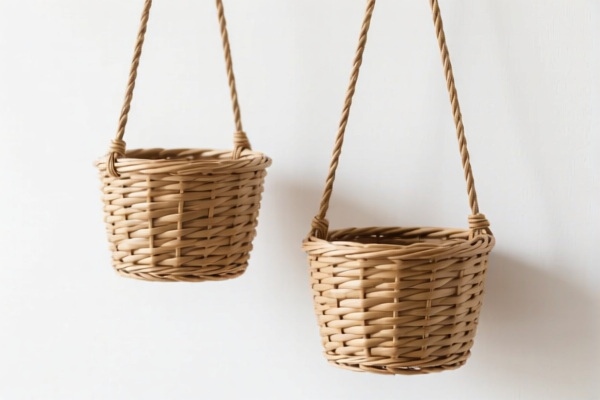
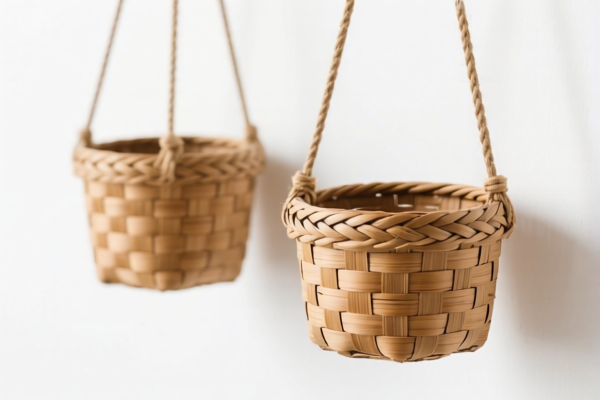
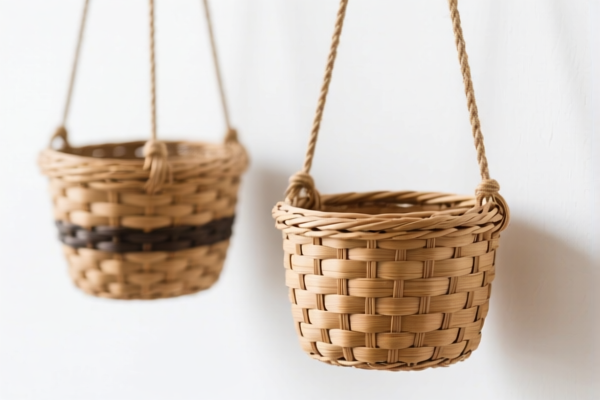
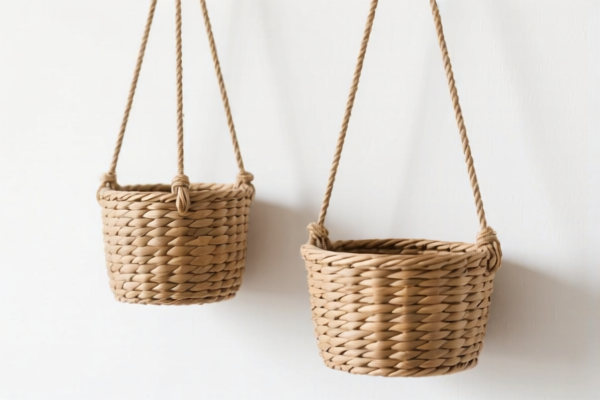
AI Analysis
🚿 Bathroom Hanging Basket (Storage Solutions)
🌐 HS Code Reference & Customs Clearance Guide | 2026 Latest Tariff Analysis | Professional Entry Strategies
📌 I. Product Definition & Classification: Do You Really Understand "Bathroom Hanging Baskets"?
Bathroom hanging baskets are essential storage accessories designed for humid environments. They typically feature open-grid or slatted designs for water drainage and are suspended from hooks, doors, or ceilings. In international trade, classification depends heavily on material composition and specific utility.
Metal Hanging Baskets (Steel/Iron/Aluminum): Structured items made from ferrous or non-ferrous metals, often used for toiletries, towels, or plants.
Plastic Hanging Baskets: Molded or assembled items made from polymers, valued for corrosion resistance.
⚠️ Key Classification Point:
- If made of Iron or Steel → Generally falls under Chapter 73 (Articles of Iron or Steel).
- If made of Aluminum → Generally falls under Chapter 76 (Articles of Aluminum).
- If made of Plastic → Generally falls under Chapter 39 (Articles of Plastics).
- Do NOT assume all baskets are the same; material dictates the tariff burden significantly!
📦 II. HS Code Classification Details (2026 Latest Tariff Authority Comparison)
Based on the provided data, here are the precise classifications for Bathroom Hanging Baskets depending on material:
| HS Code | Material Basis | Product Description | Application Scenario |
|---|---|---|---|
7326.90.86.88 |
Iron or Steel | Other articles of iron or steel (Catch-all category for non-specified metal goods). | Standard steel wire baskets, powder-coated steel organizers. |
7326.20.00.20 |
Iron or Steel | Articles of iron or steel (Specifically inferred as hanging baskets/brackets/stands). | Weight-bearing hanging baskets, structural metal racks. |
7616.99.51.50 |
Aluminum | Other articles of aluminum. | Lightweight, corrosion-resistant aluminum hanging racks or baskets. |
3926.30.50.00 |
Plastic | Other articles of plastic, including fittings and connectors. | Plastic hanging organizers, caddy-style storage with hooks. |
3926.90.99.89 |
Plastic | Other articles of plastic (General catch-all for plastic goods). | Generic plastic baskets not specified in other plastic subheadings. |
🔍 Critical Insight:
- Metal vs. Plastic: The tariff difference is massive. Steel/Aluminum items face high additional tariffs due to Section 232 and Section 301 duties, while Plastic items face moderate additional tariffs. - "Hanging Basket" is not a standalone HS category. It must be broken down by material. Misclassification can lead to severe penalties or retroactive tariff payments.
💰 III. 2026 Latest Tariff Rate Breakdown (Including Surtaxes & Policy Add-ons)
✅ Applicable Country: United States (US)
✅ Origin: China (CN)
✅ Effective Time: Current regulations apply (Section 232 & Section 301 active)
🎯 1. 7326.90.86.88 & 7326.20.00.20 —— Iron/Steel Hanging Baskets
| Item | Content |
|---|---|
| Base Tariff | 2.9% - 3.9% (Ad Valorem) |
| Section 301 Surcharge | +25.0% |
| Section 232 Surcharge | +10.0% (Specifically for Steel, Aluminum, Copper articles) |
| Total Tariff Rate | 87.9% (for 7326.90.86.88) 88.9% (for 7326.20.00.20) |
| Tax Calculation | CIF Value × 87.9% / 88.9% |
| De Minimis Exemption | ❌ Not Eligible (High tariff rate exceeds $800 threshold benefits effectively due to anti-dumping/surtax structures) |
| Legal Basis Path | USITC:7326.90.86.88 → FOOTNOTE:232 → 301:Tariff 9903.88.01 |
📌 Explanation:
- Base Rate: Low (approx. 3%) for basic steel articles.
- Section 232 (+10%): Applies because these are steel articles.
- Section 301 (+25%): Applies because the origin is China.
- Total: Approaching 88-89%. This is a prohibitive tariff for cost-sensitive goods.
🎯 2. 7616.99.51.50 —— Aluminum Hanging Baskets
| Item | Content |
|---|---|
| Base Tariff | 2.5% (Ad Valorem) |
| Section 301 Surcharge | +25.0% |
| Section 232 Surcharge | +10.0% (For Aluminum articles) |
| Total Tariff Rate | 37.5% |
| Tax Calculation | CIF Value × 37.5% |
| De Minimis Exemption | ❌ Not Eligible |
| Legal Basis Path | USITC:7616.99.51.50 → FOOTNOTE:232 → 301:Tariff 9903.88.01 |
📌 Explanation:
- Lower than Steel: Although it also faces Section 232 (+10%) and Section 301 (+25%), the base rate is slightly lower, and the total is 37.5%, which is significantly better than steel but still high.
🎯 3. 3926.30.50.00 & 3926.90.99.89 —— Plastic Hanging Baskets
| Item | Content |
|---|---|
| Base Tariff | 5.3% (Ad Valorem) |
| Section 301 Surcharge | +7.5% (Note: Some plastic categories may have different 301 rates; data specifies 7.5% here) |
| Section 232 Surcharge | None (Applies only to Metals) |
| Total Tariff Rate | 22.8% |
| Tax Calculation | CIF Value × 22.8% |
| De Minimis Exemption | ❌ Not Eligible (Usually excluded if under 301 list, but data implies high total) |
| Legal Basis Path | USITC:3926.30.50.00 → 301:Tariff 9903.88.01 |
📌 Explanation:
- Most Cost-Effective: No Section 232 tariff since it's plastic.
- Total: 22.8%. This is the preferred material for importers looking to minimize duty costs under current US-China trade policies.
🛠️ IV. Customs Clearance Operational Advice (Practical Pitfall Avoidance Guide)
✅ 1. Preparation Checklist (Non-negotiable)
| Document | Required | Description |
|---|---|---|
| ✅ Material Certificate | ✔️ | Must explicitly state: 100% Iron, 100% Plastic, or Aluminum Alloy %. Vague terms like "Metal" will cause delays. |
| ✅ Product Photos | ✔️ | Clear images showing hooks, grid structure, and material finish (painted, chrome, plastic texture). |
| ✅ Bill of Lading | ✔️ | Must match commercial invoice exactly. |
| ✅ Commercial Invoice | ✔️ | Declare exact value. Include "Bathroom Hanging Basket" and specific material. |
| ✅ Country of Origin Label | ✔️ | Must say "Made in China" on the product/packaging. |
✅ 2. Declaration Tips (Key Mnemonics)
🔥 “Material First, Tariff Second; Plastic is Best, Steel is Heavy!”
| Scenario | Correct Declaration | Wrong Practice |
|---|---|---|
| Plastic Basket | 3926.30.50.00 (22.8%) |
Declare as 7326... (Steel) → 88% Tax! |
| Steel Basket | 7326.90.86.88 (87.9%) |
Declare as "Storage Container" without material → Seizure Risk |
| Mixed Material | Declare primary structural material | If hooks are steel and body is plastic, customs may assess based on essential character or split the shipment. |
| Aluminum Basket | 7616.99.51.50 (37.5%) |
Ignore Section 232 → Underpayment Penalty |
💡 Pro Tip:
If you sell both steel and plastic versions, consider shifting production to Plastic if the market allows. The 65% tariff difference (88% vs 23%) can make or break your profit margin.
✅ 3. Special Handling for Section 232 (Steel/Aluminum)
| Issue | Solution |
|---|---|
| Quota Issues | Steel/Aluminum imports are subject to quotas. Ensure your supplier has valid quota certificates if applicable. |
| Exclusions | Check if your specific HS code has an exclusion from Section 232. (Rare for general consumer baskets, but always verify). |
| Customs Examination | Expect high scrutiny. Provide lab test reports confirming % of Iron/Steel/Aluminum. |
🌍 V. Global Market Comparison (2026 Snapshot)
| Market | Recommended HS Code | Est. Total Duty | Key Requirement |
|---|---|---|---|
| 🇺🇸 USA | 7326.90.86.88 (Steel) |
87.9% | Section 232 + 301 Compliance |
| 🇺🇸 USA | 3926.30.50.00 (Plastic) |
22.8% | Section 301 Compliance |
| 🇪🇺 EU | 7326.90 / 3926.90 | Varies (2-6%) | CE Mark, REACH Compliance |
| 🇬🇧 UK | Same as EU | Varies (2-6%) | UKCA Mark, Post-Brexit Rules |
| 🇨🇳 China (Export) | Same HS Codes | 0% - 9% | VAT Rebate optimization |
📌 Conclusion:
- US Market is Highly Penalized for Metal Baskets.
- Plastic Baskets offer a viable, albeit still taxed, alternative.
- European Markets are more friendly to both materials, focusing on environmental and safety standards rather than punitive tariffs.
📌 VI. Common Mistakes & Pitfalls (Lessons Learned)
❌ Mistake 1: Using "Home Organizer" as the description without specifying material.
👉 Consequence: Customs will classify it under the highest possible duty rate or demand a full lab test, causing 2-4 week delays.
❌ Mistake 2: Claiming "Aluminum" for a Steel basket to save on Section 232.
👉 Consequence: Fraud detection. Penalties include 3x duty amount and loss of import privileges.
❌ Mistake 3: Ignoring the Section 232 +10% surcharge on Steel.
👉 Consequence: Budgeting error. You expected 28% duty (301 only), but owe 88% (301+232). Cash flow crisis.
✅ Correct Approach:
"Bathroom Hanging Basket, Plastic, Multi-tier, with Hooks, for Toiletry Storage, Model XYZ"
🎯 VII. Conclusion: Smart Classification, Smarter Savings!
🎯 Remember These Key Takeaways:
🔹 "Steel = Expensive (88%) | Aluminum = Medium (37.5%) | Plastic = Cheapest (22.8%)"
🔹 "Always declare Material! 'Metal' is not a material."
🔹 "Check Section 232 Applicability for every Metal Item."
📌 Pro Tip:
If you are importing Steel Baskets, consider:
1. Sourcing from Vietnam/Mexico (if rules of origin are met) to avoid Section 301 (30% savings).
2. Switching to Plastic design if the market accepts it.
3. Applying for an Exclusion under Section 232 if available for your specific HTS code.
📣 Immediate Action:
📞 Verify Material Composition with your factory.
📊 Calculate Landed Cost using 87.9% (Steel) vs 22.8% (Plastic).
🚀 Choose the Right HS Code to maximize profit and ensure smooth clearance!
✨ Professional Clearance Starts with Accurate Classification!
💼 Every Percent of Duty Saved is Pure Profit!
Customer Reviews
About HS Code Classification
The Harmonized System (HS) is an internationally standardized nomenclature developed by the World Customs Organization (WCO) to classify traded products. Over 200 countries use the HS system as the basis for customs tariffs, trade statistics, and import/export regulations.
Each HS code follows a hierarchical structure:
- Chapter (2 digits) — Broad category of goods (e.g., Chapter 84: Machinery and Mechanical Appliances)
- Heading (4 digits) — More specific grouping within the chapter
- Subheading (6 digits) — Internationally standardized breakdown, used by all WCO member countries
- National subdivisions (8-10 digits) — Country-specific extensions for further classification, such as US HTSUS 10-digit codes
Correct HS code classification is essential for smooth customs clearance, accurate duty payment, and compliance with trade regulations. Misclassification can lead to customs delays, overpayment of duties, or penalties.
When importing from CN to US, the applicable tariff rates may include:
- Most-Favored-Nation (MFN) rate — The standard duty rate applied to WTO members
- General rate — Applied to countries without trade agreements
- Trade remedy duties — Additional tariffs such as Section 301 (anti-dumping), Section 232 (national security), or countervailing duties
The information provided on this page is for reference purposes only. For official classification, please consult with your local customs authority or a licensed customs broker.