Battery Mounting Bracket
CN → US| HS Code | Tariff Rate | Origin | Destination | Doc |
|---|---|---|---|---|
| 7610900080 | 90.7% | CN | US | Official Doc |
| 7610900040 | 90.7% | CN | US | Official Doc |
| 7308909590 | 85.0% | CN | US | Official Doc |
| 7308906000 | 85.0% | CN | US | Official Doc |
| 7308909590 | 85.0% | CN | US | Official Doc |
Product Images
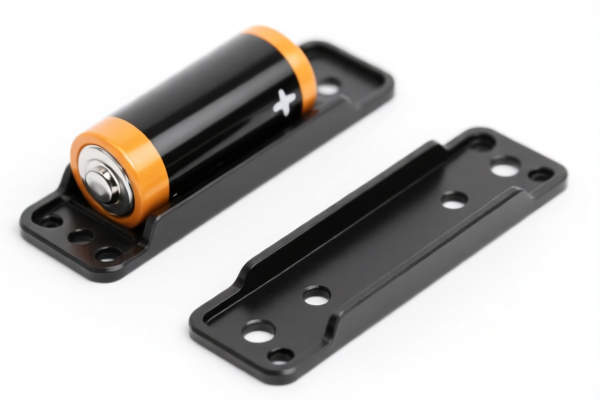
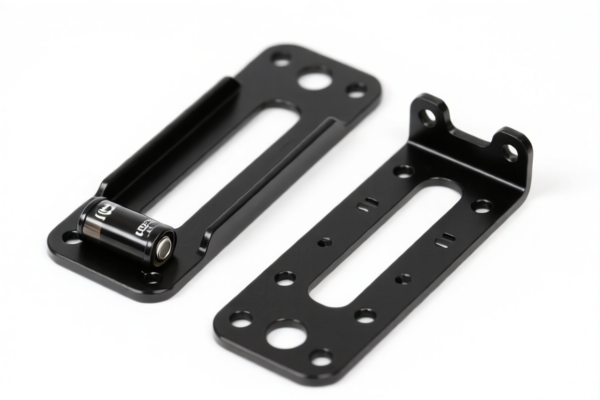
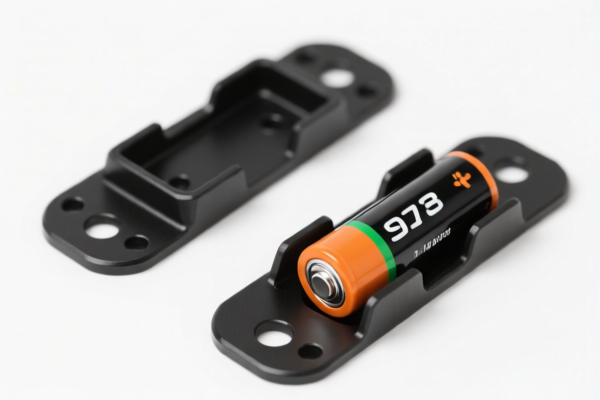
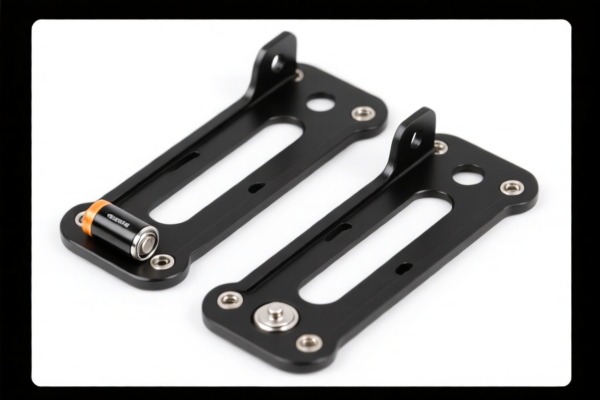
AI Analysis
🔋 Battery Mounting Bracket: The Heavy-Lifters of Energy Storage
🌐 HS Code Reference & Customs Clearance Guide | 2026 Latest Tariff Analysis | Professional Classification Strategy
📌 I. Product Definition & Classification: Is It Aluminum or Steel?
Battery mounting brackets are critical structural components used to secure battery packs in electric vehicles (EVs), energy storage systems (ESS), and industrial applications. In international trade, the classification depends entirely on the material composition and the nature of the structure.
They fall into two primary material categories: * Aluminum Brackets: Lightweight, corrosion-resistant, commonly used in EVs and high-end ESS due to weight sensitivity. * Steel/Iron Brackets: Heavy-duty, cost-effective, commonly used in stationary energy storage or heavy-duty machinery.
⚠️ Key Distinction Point:
- If made of Aluminum → Classified under Chapter 76 (Aluminum and articles thereof).
- If made of Steel/Iron → Classified under Chapter 73 (Articles of Iron or Steel).
- Note: The "122 Clause" and "Section 301" tariffs apply differently or aggregate significantly based on these material classifications.
📦 2. HS Code Classification Details (2026 Latest Tariff Authority)
Based on the provided data, here are the precise HS Codes for Battery Mounting Brackets:
| HS Code | Product Description | Application Scenario | Material | Total Tax Rate |
|---|---|---|---|---|
7610.90.00.80 |
Aluminum structures and parts, suitable for PV brackets and aluminum components | EV battery trays, lightweight ESS racks | Aluminum | 90.7% |
7610.90.00.40 |
Aluminum architectural and decorative engineering structures, suitable for aluminum supports | Decorative or semi-structural aluminum mounts | Aluminum | 90.7% |
7308.90.95.90 |
Other steel structure parts, suitable for steel material brackets | Heavy-duty stationary storage, industrial mounts | Steel | 85.0% |
7308.90.60.00 |
Iron or steel structures and parts, suitable for metal brackets | General metal support structures, framework | Iron/Steel | 85.0% |
7308.90.95.90 |
Other steel structure parts, suitable for steel material brackets (Duplicate) | Reinforced steel mounts, load-bearing frames | Steel | 85.0% |
🔍 Key Insight:
- Aluminum brackets carry a higher total tax burden (90.7%) due to the additional "10% tariff on steel, aluminum, and copper products" (122 Clause).
- Steel brackets carry a slightly lower but still severe total tax burden (85.0%).
- Warning: The "122 Clause" (Executive Order 13953) specifically targets aluminum and steel imports, adding an extra layer of tariff on top of Section 301 duties.
💰 3. 2026 Latest Tariff Rate Breakdown (Including Additional Taxes)
✅ Applicable Country: USA (US)
✅ Origin: China (CN)
✅ Effective Time: Current active tariffs (Section 301 + 122 Clause)
🎯 1. Aluminum Brackets (7610.90.00.80 / 7610.90.00.40)
| Item | Detail |
|---|---|
| Base Tariff | 5.7% (Standard Most Favored Nation rate for aluminum structures) |
| Section 301 Surcharge | +25.0% (Standard 301 duty on aluminum articles from China) |
| 122 Clause Surcharge | +10.0% (Specific surcharge on aluminum/copper/steel products under EO 13953) |
| Steel/Aluminum/Copper Surcharge | +50.0% (This is the critical "122 Clause" additional tariff applied to the specific aluminum products targeted by the executive order) |
| Total Tax Rate | 90.7% |
| Calculation Method | CIF Value × 90.7% |
| De Minimis Exemption | ❌ Not Eligible (High-value structural components are strictly scrutinized) |
📌 Explanation:
- The 5.7% is the standard baseline.
- The 25% is the standard Section 301 duty on Chinese aluminum goods.
- The 10% + 50% (Total 60% additional) represents the aggressive "122 Clause" penalties targeting specific aluminum imports, effectively making aluminum brackets one of the most heavily taxed categories.
🎯 2. Steel/Iron Brackets (7308.90.95.90 / 7308.90.60.00)
| Item | Detail |
|---|---|
| Base Tariff | 0.0% (Steel structures often have zero base MFN rate) |
| Section 301 Surcharge | +25.0% (Standard 301 duty on steel articles from China) |
| 122 Clause Surcharge | +10.0% (Specific surcharge on steel products) |
| Steel/Aluminum/Copper Surcharge | +50.0% (Additional 122 Clause penalty for steel) |
| Total Tax Rate | 85.0% |
| Calculation Method | CIF Value × 85.0% |
| De Minimis Exemption | ❌ Not Eligible |
📌 Explanation:
- Although the Base Tariff is 0%, the 75% in additional duties (25% + 10% + 50%) makes the effective tax rate very high.
- Steel brackets are slightly cheaper than aluminum in terms of tax (85% vs 90.7%), but weight and shipping costs may offset this advantage.
🛠️ 4. Customs Clearance Practical Advice (Real-World Pitfall Avoidance)
✅ 1. Required Documentation Checklist (Non-negotiable)
| Document | Mandatory? | Purpose |
|---|---|---|
| ✅ Material Certification | ✔️ | Must explicitly state Aluminum Alloy or Steel Grade (e.g., AISI 1018, 6061-T6) to prove HS Code. |
| ✅ Structural Drawings | ✔️ | To demonstrate it is a "structure" or "part thereof" (Chapter 76/73), not a "tool" or "machine part." |
| ✅ Commercial Invoice | ✔️ | Must clearly state "Battery Mounting Bracket, [Material], China Origin." |
| ✅ Packing List | ✔️ | Weight and dimensions to verify CIF value accuracy. |
| ✅ Bill of Lading | ✔️ | Proof of shipment origin. |
✅ 2. Declaration Strategy (Key Mnemonics)
🔥 “Material First, Structure Second, No Splitting, No Ambiguity!”
| Scenario | Correct Declaration | Incorrect Practice |
|---|---|---|
| Aluminum Bracket | 7610.90.00.80 (Aluminum Structure) |
Misdeclare as "Hardware" (e.g., 7318) → Risk of Audit & Penalties |
| Steel Bracket | 7308.90.95.90 (Steel Structure) |
Misdeclare as "Parts of Machinery" → Lower duty but high fraud risk |
| Mixed Package | Do Not Mix Aluminum and Steel in one HS Code declaration | Combining into one line item → Customs will separate and tax at highest rate |
| Coated Steel | Still 7308... |
Do not declare as "Plastic-coated hardware" if core is steel |
✅ 3. Special Case Handling
| Situation | Recommendation |
|---|---|
| OEM Custom Brackets | Provide design drawings showing material thickness and alloy type. Avoid vague terms like "Metal Bracket." |
| Aluminum with Steel Inserts | If steel components are >50% by weight or critical function, customs may classify under Steel (7308). |
| Pre-assembled Battery Packs | If the bracket is integral and cannot be removed without destroying the pack, it may be classified with the Battery Pack (e.g., 8507.60), potentially changing the tax rate. Consult a specialist! |
| Re-exported Materials | If you import raw aluminum and fabricate in a third country, ensure Rules of Origin are met to avoid "China-origin" labeling. |
🌍 5. Global Market Comparison (2026 Update)
| Country/Region | Recommended HS Code | Estimated Duty (China Origin) | Certification Requirements | Notes |
|---|---|---|---|---|
| 🇺🇸 USA | 7610.90.00.80 / 7308.90.95.90 |
85.0% - 90.7% | None specific, but strict origin verification | Highest tariff burden globally. 122 Clause applies heavily. |
| 🇨🇳 China | 7610.90.00.80 / 7308.90.95.90 |
~5-10% | CCC (if part of finished equipment) | Low duty for domestic use or import. |
| 🇪🇺 EU | 7610.90 / 7308.90 |
~0-2% (if GSP not applicable) | CE, RoHS, REACH | No Section 301 or 122 Clause equivalent. Much lower cost. |
| 🇲🇽 Mexico | 7610.90 / 7308.90 |
~5% (Under USMCA if qualified) | NOM | Potential for zero duty if manufactured in North America. |
📌 Conclusion:
- The US market is extremely hostile to Chinese-made battery brackets due to the 122 Clause.
- Cost Saving Strategy: Consider sourcing from Mexico (USMCA) or Vietnam if supply chain allows, to avoid the 85-90% US tariffs.
📌 6. Common Mistakes & Pitfalls (Lessons Learned)
❌ Mistake 1: Declaring "Aluminum Bracket" as "Aluminum Hardware" (HS 7616)
👉 Consequence: Initial lower duty, but Customs audit will reclassify, leading to back taxes + penalties.
❌ Mistake 2: Ignoring the "122 Clause" (10% + 50%)
👉 Consequence: Underestimating landed cost by 60% on top of standard duties.
❌ Mistake 3: Mixing Steel and Aluminum in one shipment without clear separation
👉 Consequence: Customs may apply the highest applicable duty to the entire shipment if documentation is unclear.
✅ Correct Practice:
"Aluminum Battery Mounting Bracket, 6061-T6 Alloy, CNC Machined, China Origin, HS 7610.90.00.80"
🎯 7. Conclusion: Professional Declaration Saves Millions!
🎯 Remember the Mnemonic:
🔹 "Aluminum is 90%, Steel is 85%, 122 Clause hits hard!"
🔹 "Material defines Code, Structure defines Chapter, Ambiguity defines Penalty!"
📌 Pro Tip:
If your battery brackets are originally from China, the US tariff is prohibitive.
1. Substantial Transformation: Manufacture in a third country (e.g., Vietnam, Mexico) to change Origin.
2. Pre-Ruling: Apply for a Customs Ruling if unsure about complex mixed-material brackets.
3. Supply Chain Diversification: Shift production to non-tariff-affected regions.
📣 Immediate Action Required:
📞 Audit your current BOM (Bill of Materials) for material composition.
📊 Calculate Landed Cost including 85-90% tariffs.
🚀 Explore USMCA (Mexico) or ASEAN supply chains to mitigate US tariff risks.
✨ Precision in Classification is Profit in the Long Run!
💼 Every percentage point of duty saved is pure margin added!
Customer Reviews
About HS Code Classification
The Harmonized System (HS) is an internationally standardized nomenclature developed by the World Customs Organization (WCO) to classify traded products. Over 200 countries use the HS system as the basis for customs tariffs, trade statistics, and import/export regulations.
Each HS code follows a hierarchical structure:
- Chapter (2 digits) — Broad category of goods (e.g., Chapter 84: Machinery and Mechanical Appliances)
- Heading (4 digits) — More specific grouping within the chapter
- Subheading (6 digits) — Internationally standardized breakdown, used by all WCO member countries
- National subdivisions (8-10 digits) — Country-specific extensions for further classification, such as US HTSUS 10-digit codes
Correct HS code classification is essential for smooth customs clearance, accurate duty payment, and compliance with trade regulations. Misclassification can lead to customs delays, overpayment of duties, or penalties.
When importing from CN to US, the applicable tariff rates may include:
- Most-Favored-Nation (MFN) rate — The standard duty rate applied to WTO members
- General rate — Applied to countries without trade agreements
- Trade remedy duties — Additional tariffs such as Section 301 (anti-dumping), Section 232 (national security), or countervailing duties
The information provided on this page is for reference purposes only. For official classification, please consult with your local customs authority or a licensed customs broker.