Beach Bucket
CN → US| HS Code | Tariff Rate | Origin | Destination | Doc |
|---|---|---|---|---|
| 3923210085 | 38.0% | CN | US | Official Doc |
| 6305330080 | 25.9% | CN | US | Official Doc |
| 6305390000 | 25.9% | CN | US | Official Doc |
| 3923290000 | 38.0% | CN | US | Official Doc |
| 4202923900 | 52.6% | CN | US | Official Doc |
Product Images
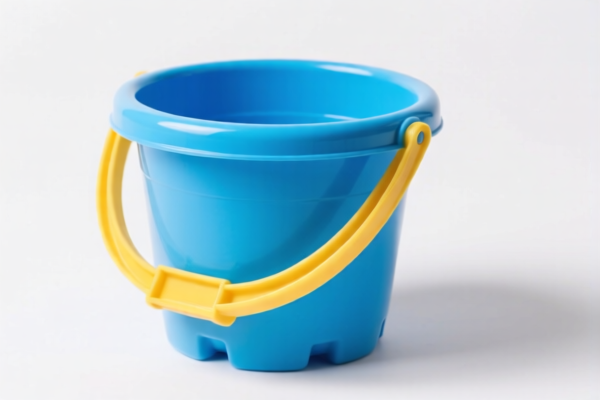
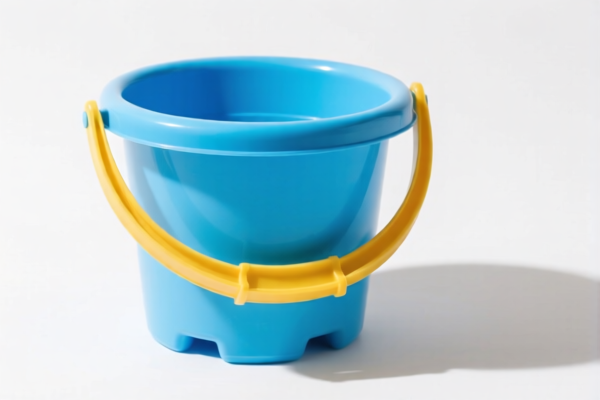
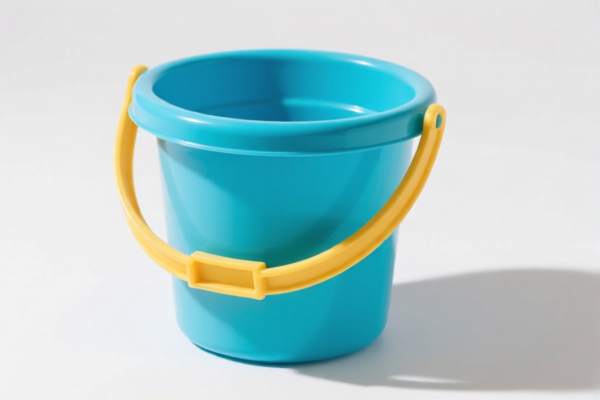
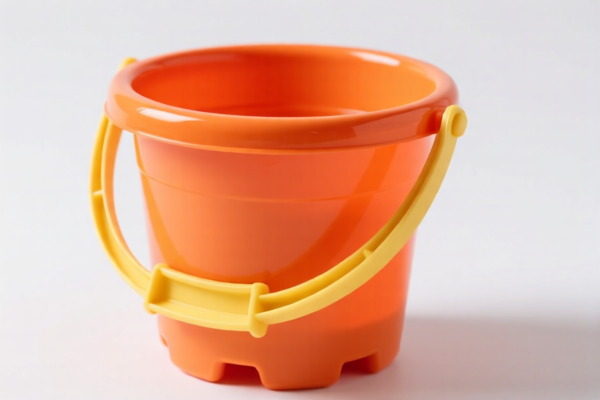
AI Analysis
🏖️ Beach Bucket (Beach Bags / Sand Containers)
🌐 HS Code Reference & Customs Clearance Guide | 2026 Latest Tariff Analysis | Professional Clearance Strategy
📌 I. Product Definition & Classification: Do You Really Understand "Beach Buckets"?
A "Beach Bucket" in international trade is generally categorized as a bag, sack, or container used for carrying personal items, sand toys, or beach gear. Depending on the material composition and specific design structure, it falls under different chapters of the Harmonized System (HS).
Key Classification Logic: 1. Plastic Bags/Containers: If made primarily of plastic sheets or films, it falls under Chapter 39. 2. Textile/Canvas Bags: If made of woven fabrics, non-wovens, or other textile materials, it falls under Chapter 63 or 42. 3. Travel/Sport Bags: If structured specifically as a tote or travel bag with textile exterior, it may fall under Chapter 42.
⚠️ Critical Distinction:
- If the material is plastic (e.g., PVC, PE bags): → Chapter 39
- If the material is textile (e.g., Canvas, Nylon, Polyester): → Chapter 63 or 42
- Note: Misclassification leads to significant tax discrepancies and customs delays.
📦 II. HS Code Classification Details (2026 Latest Tariff Authority Comparison)
Based on the provided data, here are the five most relevant HS codes for "Beach Bucket" type goods:
| HS Code | Product Description | Material Inference | Application Scenario |
|---|---|---|---|
| 3923.21.00.85 | Sand bags, shaped as pouches/bags | Plastic (Vinyl polymers) | Disposable plastic beach bags, small pouches |
| 6305.33.00.80 | Sand bags, bag-shaped | Plastic or Man-made Fiber (PE/PP compatible) | Woven plastic bags or synthetic fiber sacks |
| 6305.39.00.00 | Sand bags, for packaging/holding | Artificial Textile Materials | General textile sacks, "catch-all" category for bags |
| 3923.29.00.00 | Sand bags, bag-shaped | Plastic or Polymers | General plastic packaging bags |
| 4202.92.39.00 | Sand bags, for travel/sports | Textile Materials (Exterior surface) | Structured beach totes, canvas bags, sport bags |
🔍 Key Reminder:
- Plastic vs. Textile: The single most important factor is the outer surface material. Plastic items go to Ch. 39; Textile items go to Ch. 63 or 42.
- Structure: Structured bags with handles and rigid shapes often lean towards 4202, while loose sacks or simple pouches lean towards 3923 or 6305.
💰 III. 2026 Latest Tariff Rate Details (Including Surtaxes & Policy Add-ons)
✅ Applicable Country: United States (US)
✅ Origin: China (CN)
✅ Effective Time: 2025/2026 Period
🎯 1. 3923.21.00.85 —— Plastic Beach Bags (Pouches)
| Item | Detail |
|---|---|
| Base Duty | 3.0% |
| Section 301 Surtax | 25.0% |
| Section 122 Tariff | 10.0% |
| Total Effective Rate | 38.0% |
| Tax Calculation | CIF Value × 38.0% |
| De Minimis Exemption | ❌ Not Applicable (High duty rates usually void Section 321 benefits for certain categories) |
| Legal Basis | Base Tariff + Section 301 (Footnote 9903.88.01) + Section 122 |
📌 Explanation:
- This code applies to plastic bags/pouches.
- The 25% Section 301 tariff is the standard trade war surcharge on Chinese plastics.
- The 10% Section 122 tariff adds an additional layer, bringing the total to 38%.
🎯 2. 3923.29.00.00 —— Other Plastic Bags
| Item | Detail |
|---|---|
| Base Duty | 3.0% |
| Section 301 Surtax | 25.0% |
| Section 122 Tariff | 10.0% |
| Total Effective Rate | 38.0% |
| Tax Calculation | CIF Value × 38.0% |
| De Minimis Exemption | ❌ Not Applicable |
| Legal Basis | Same as above |
📌 Explanation:
- A fallback category for plastic bags that don't fit3923.21.
- Same 38% total rate. Do not assume "other" means "cheaper."
🎯 3. 6305.33.00.80 —— Woven Plastic/Synthetic Fiber Bags
| Item | Detail |
|---|---|
| Base Duty | 8.4% |
| Section 301 Surtax | 7.5% |
| Section 122 Tariff | 10.0% |
| Total Effective Rate | 25.9% |
| Tax Calculation | CIF Value × 25.9% |
| De Minimis Exemption | ❌ Not Applicable |
| Legal Basis | Base Tariff + Section 301 (Lower tier) + Section 122 |
📌 Explanation:
- Applies to bags made of plastic strips (woven) or synthetic fibers (PE/PP).
- Lower total rate (25.9%) compared to pure plastic sheets because the base duty is higher but the Section 301 surcharge is lower (7.5% vs 25%).
🎯 4. 6305.39.00.00 —— Other Textile/Artificial Fiber Sacks
| Item | Detail |
|---|---|
| Base Duty | 8.4% |
| Section 301 Surtax | 7.5% |
| Section 122 Tariff | 10.0% |
| Total Effective Rate | 25.9% |
| Tax Calculation | CIF Value × 25.9% |
| De Minimis Exemption | ❌ Not Applicable |
| Legal Basis | Base Tariff + Section 301 (Lower tier) + Section 122 |
📌 Explanation:
- A catch-all for textile sacks not classified elsewhere.
- Same 25.9% total rate as6305.33. Ideal for non-woven or mixed-material beach sacks.
🎯 5. 4202.92.39.00 —— Travel/Sport Bags (Textile Exterior)
| Item | Detail |
|---|---|
| Base Duty | 17.6% |
| Section 301 Surtax | 25.0% |
| Section 122 Tariff | 10.0% |
| Total Effective Rate | 52.6% |
| Tax Calculation | CIF Value × 52.6% |
| De Minimis Exemption | ❌ Not Applicable |
| Legal Basis | Base Tariff + Section 301 (Standard) + Section 122 |
📌 Explanation:
- Applies to structured bags (totes, duffels) with a textile exterior.
- Highest rate (52.6%) due to high base duty (17.6%) + high Section 301 surcharge (25%).
- Strategy: If your beach bucket is a simple sack, avoid this code! Use6305instead to save ~26.7%.
🛠️ IV. Customs Clearance Practical Advice (Battle-Tested Pitfall Guide)
✅ 1. Document Checklist (All Mandatory)
| Document | Required | Explanation |
|---|---|---|
| ✅ Product Specs | ✔️ | Must clearly state Material Composition (e.g., "100% Polypropylene Woven") |
| ✅ Product Photos | ✔️ | Show the bag's structure: Is it a loose sack (Ch. 63/39) or a structured tote (Ch. 42)? |
| ✅ Commercial Invoice | ✔️ | Describe as "Beach Bag, Material: [Specify]," NOT just "Beach Bucket" |
| ✅ Packing List | ✔️ | Include weight and dimensions to verify classification |
| ✅ Origin Certificate | ✔️ | Confirm CN origin to apply correct surcharges |
✅ 2. Declaration Strategy (Key Mantra)
🔥 "Material First, Structure Second! Avoid 'Bag' Ambiguity!"
| Situation | Correct Declaration | Wrong Practice |
|---|---|---|
| Plastic Sheet Bag | 3923.21.00.85 or 3923.29.00.00 |
Call it "Fabric Bag" → Customs Rejection |
| Woven PP Sack | 6305.33.00.80 or 6305.39.00.00 |
Call it "Plastic Bag" → Potential Penalty |
| Structured Tote | 4202.92.39.00 |
Call it "Sack" → Misclassification |
| Mixed Materials | Declare Outer Surface Material | Vague description like "Beach Bag" → Delay |
✅ 3. Special Cases Handling
| Situation | Advice |
|---|---|
| Disposable Plastic Bags | Use 3923 codes. High duty (38%) but standard for plastic waste/recycling items. |
| Reusable Canvas Totes | If structured with handles, use 4202. High duty (52.6%) but standard for fashion/travel goods. |
| Simple Woven Sacks | Use 6305. Best cost option (25.9%) for bulk beach bags made of woven plastic. |
| Samples vs. Bulk | Both are subject to duties. Ensure documentation matches the bulk order if clearing samples for commercial use. |
🌍 V. Global Market Comparison (2026 Overview)
| Country/Region | Recommended HS Code | Est. Duty (China Origin) | Certification Required | Notes |
|---|---|---|---|---|
| 🇺🇸 USA | 6305.33.00.80 (Optimal) |
25.9% (Lowest for plastic/textile) | None specific | High Section 122/301 impact |
| 🇺🇸 USA | 3923.21.00.85 |
38.0% | None | For pure plastic pouches |
| 🇺🇸 USA | 4202.92.39.00 |
52.6% | None | Avoid if simple sack is possible |
| 🇨🇳 China | 6305.33.00.80 |
8.4% | None | No additional surtaxes |
| 🇪🇺 EU | 6305.33.00.80 |
Varies | CE/RoHS (if applicable) | Generally lower duties |
📌 Conclusion:
- US Market is Cost-Pressure Heavy: Tariffs range from 25.9% to 52.6%.
- Optimal Choice: If the beach bucket is a woven sack or simple textile bag, classify under6305(25.9%).
- Avoid: Do not classify simple sacks under4202(52.6%) unless they are structured fashion totes.
📌 VI. Common Mistakes & Pitfalls (Lessons Learned)
❌ Mistake 1: Calling all beach bags "Plastic" when they are Woven Polypropylene
👉 Result: Using 3923 (38%) instead of 6305 (25.9%) → Overpaying by ~12%.
❌ Mistake 2: Calling a structured Canvas Tote a "Sack"
👉 Result: Customs may reclassify to 4202 (52.6%) or demand proof of "sack" status → Delays.
❌ Mistake 3: Ignoring Section 122 (10%)
👉 Result: Underestimating total landed cost. Always add 10% to your margin calculations for China-origin beach bags.
❌ Mistake 4: Using "De Minimis" (Section 321) for high-duty items
👉 Result: Many high-duty categories are excluded from $800 de minimis exemption. Check eligibility!
✅ Correct Practice:
"Beach Bag, Woven Polypropylene, Non-Structured, For Sand/Toys, Origin: China, HTS: 6305.33.00.80"
🎯 VII. Conclusion: Smart Classification, Higher Profit!
🎯 Remember the Mantra:
🔹 "Plastic Pouch = 39 (38%)"
🔹 "Woven Sack = 63 (25.9%)"
🔹 "Structured Tote = 42 (52.6%)"
🔹 "Choose 6305 for Best Cost!"
📌 Pro Tip:
- If you are importing reusable, branded beach totes, consider
4202as it is perceived as a higher-value fashion item, justifying the higher duty.- If you are importing bulk, disposable, or utility sacks, strictly use
6305.33or6305.39to maximize savings.- Pre-Ruling: Apply for an Advance Ruling from CBP if your material mix is complex (e.g., plastic handle + textile bag) to avoid post-import audits.
📣 Immediate Action:
📞 Audit your BOM (Bill of Materials): Is the outer surface plastic or textile?
📝 Update your Invoice Description: Be specific about material and structure.
🚀 Calculate Landed Cost: Include 10% Section 122 + 7.5-25% Section 301.
✨ Professional Customs Clearance Starts with Precise Classification!
💼 Your Margins Depend on the First Digit of the HS Code!
Customer Reviews
About HS Code Classification
The Harmonized System (HS) is an internationally standardized nomenclature developed by the World Customs Organization (WCO) to classify traded products. Over 200 countries use the HS system as the basis for customs tariffs, trade statistics, and import/export regulations.
Each HS code follows a hierarchical structure:
- Chapter (2 digits) — Broad category of goods (e.g., Chapter 84: Machinery and Mechanical Appliances)
- Heading (4 digits) — More specific grouping within the chapter
- Subheading (6 digits) — Internationally standardized breakdown, used by all WCO member countries
- National subdivisions (8-10 digits) — Country-specific extensions for further classification, such as US HTSUS 10-digit codes
Correct HS code classification is essential for smooth customs clearance, accurate duty payment, and compliance with trade regulations. Misclassification can lead to customs delays, overpayment of duties, or penalties.
When importing from CN to US, the applicable tariff rates may include:
- Most-Favored-Nation (MFN) rate — The standard duty rate applied to WTO members
- General rate — Applied to countries without trade agreements
- Trade remedy duties — Additional tariffs such as Section 301 (anti-dumping), Section 232 (national security), or countervailing duties
The information provided on this page is for reference purposes only. For official classification, please consult with your local customs authority or a licensed customs broker.