Beach Gloves
CN → USProduct Images
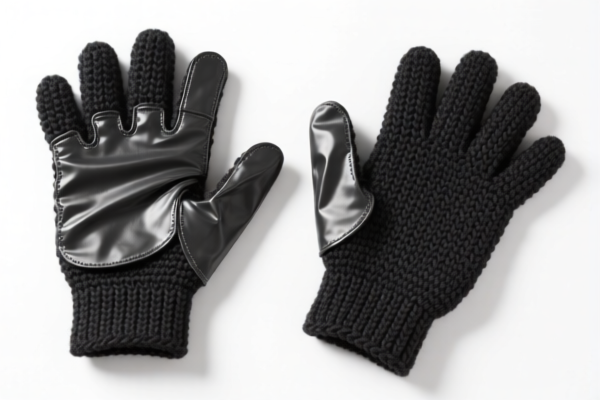
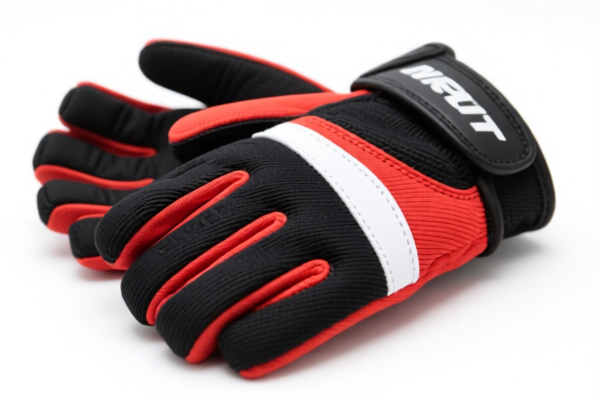
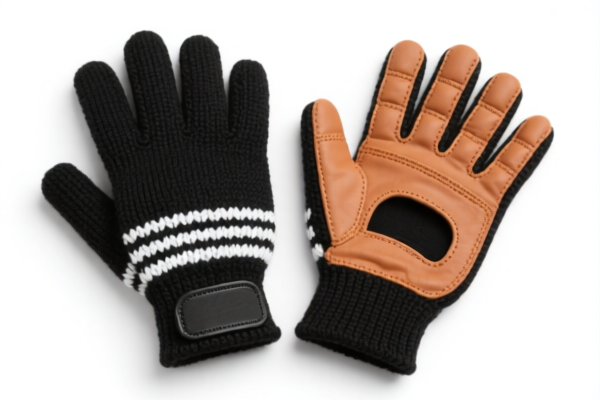
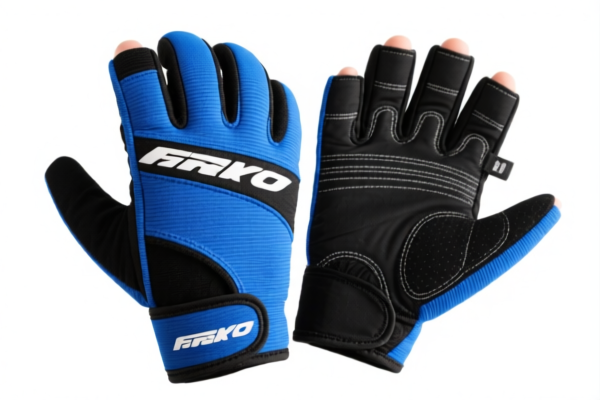
AI Analysis
🏖️ Beach Gloves (Protective Gloves for Water Activities)
🌐 HS Code Reference & Clearance Guide | 2026 Latest Tariff Analysis | Professional Clearance Strategy
📌 I. Product Definition & Classification: Do You Really Know "Beach Gloves"?
Beach Gloves are general-purpose protective accessories used primarily for sun protection, anti-scratch protection, or grip assistance during water activities, gardening, or beachcombing. In international trade, they are broadly classified as "Other Gloves" under Chapter 61 (Knitted/Crocheted) or Chapter 62 (Non-Knitted), depending on the material and construction.
⚠️ Key Distinction Points:
- Material is King: Are they Knitted/Crocheted (elastic, fabric-like) or Made Up (woven, coated, rubberized, neoprene)?
- Primary Purpose: Are they for general protection (sun, scrapes) or specialized safety (chemical, cut-resistant)? Beach gloves are usually general protection.
- Water Resistance: If coated with rubber/plastic to be waterproof, they may fall under Chapter 39/40 (Plastics/Rubber) instead of textiles.
📦 II. HS Code Classification Details (2026 Latest Tariff Authority Comparison)
| HS Code | Product Description | Application Scenario | Material Type | Knitted? |
|---|---|---|---|---|
6116.93.00.90 |
Other gloves, impregnated, coated, covered or laminated with plastics, knitted or crocheted | Neoprene diving gloves, coated work gloves, wet beach gloves | Plastic-coated textile | ✅ Yes |
6116.93.00.10 |
Other gloves, impregnated, coated, covered or laminated with rubber, knitted or crocheted | Rubber-lined beach gloves, gardening gloves | Rubber-coated textile | ✅ Yes |
6216.00.00.90 |
Other gloves, mittens and mitts, not knitted or crocheted | Woven sun-protection gloves, cotton gloves, fabric gloves | Non-knit fabric (woven/knitless) | ❌ No |
3926.90.97.90 |
Other articles of plastics and articles of other materials of heading 3901 to 3914 | Solid neoprene gloves, plastic molded gloves, silicone gloves | Pure plastic/rubber (no textile base) | N/A |
9019.10.00.00 |
Mechanical therapy appliances; massage apparatus; psychological aptitude testing machines | Not applicable | Medical/Therapeutic | ❌ No |
🔍 Key Reminder:
- If the gloves are coated with plastic/rubber (e.g., for waterproofing), they MUST go to 6116.93 (if knitted) or 6216.00 (if woven).
- If they are pure neoprene or silicone with no textile backing, they fall under 3926.90 (Plastics) or 4015.19 (Rubber).
- Cotton/Lycra sun-protection gloves without heavy coating typically go to 6216.00 or 6116.10 (if knitted and not coated).
💰 III. 2026 Latest Tariff Rate Details (Including Surcharges & Policy Add-ons)
✅ Applicable Country: United States (US)
✅ Origin: China (CN)
✅ Effective Date: November 10, 2025 onwards (including subsequent imports)
🎯 1. 6116.93.00.90 / 6116.93.00.10 —— Knitted/Crocheted Gloves, Plastic/Rubber Coated
| Item | Content |
|---|---|
| Base Tariff | 16% (ad valorem) |
| USITC Surcharge (Section 301) | +25% |
| IEEPA Surcharge (China/HK) | +10% (from Nov 10, 2025) |
| Total Rate | 51% |
| Calculation | CIF Value × 51% |
| De Minimis Eligibility | ❌ No (deny_de_minimis) |
| Legal Path | IEEPA:9903.01.25 → USITC:6116.93.00 → FOOTNOTE:9903.01.24 |
📌 Explanation:
- Coated gloves are considered "textile products with chemical treatment," subject to higher scrutiny.
- The 25% Section 301 duty is standard for textile gloves.
- The 10% IEEPA is the new additional surcharge for Chinese-origin goods.
- Total 51% is extremely high, impacting profitability significantly.
🎯 2. 6216.00.00.90 —— Other Gloves, Not Knitted or Crocheted
| Item | Content |
|---|---|
| Base Tariff | 16% (ad valorem) |
| USITC Surcharge (Section 301) | +25% |
| IEEPA Surcharge (China/HK) | +10% |
| Total Rate | 51% |
| Calculation | CIF Value × 51% |
| De Minimis Eligibility | ❌ No |
| Legal Path | IEEPA:9903.01.25 → USITC:6216.00.00 → FOOTNOTE:9903.01.24 |
📌 Note:
- Even if the gloves are simple woven fabric (e.g., sun gloves), if they are "made up" gloves, they fall under this heading.
- The tariff structure is identical to knitted coated gloves due to Section 301 applicability.
🎯 3. 3926.90.97.90 / 4015.19.00.00 —— Plastic/Rubber Gloves (Non-Textile)
| Item | Content |
|---|---|
| Base Tariff | 4.9% - 6% (varies by subheading) |
| USITC Surcharge (Section 301) | +25% |
| IEEPA Surcharge (China/HK) | +10% |
| Total Rate | 39.9% - 41% |
| Calculation | CIF Value × ~40% |
| De Minimis Eligibility | ❌ No |
📌 Note:
- Neoprene diving gloves or solid silicone gloves often fall here.
- Slightly lower total rate (~40%) compared to textile-based gloves (~51%), but still prohibitive.
- Crucial: Must prove no textile backing to avoid reclassification to 6116/6216.
🛠️ IV. Clearance Practical Suggestions (Real-World Pitfall Avoidance Guide)
✅ 1. Required Documentation List (Missing One = Delay)
| Document | Required? | Description |
|---|---|---|
| ✅ Product Specification Sheet | ✔️ | Material composition (e.g., 100% Neoprene, 80% Cotton/20% Spandex, Coating type) |
| ✅ Material Composition Breakdown | ✔️ | Critical for HS Code determination. % of textile vs. rubber/plastic |
| ✅ Product Photos (Front/Back/Inside) | ✔️ | Show seams, coatings, and any logos |
| ✅ Third-Party Test Report | ✔️ | REACH, Prop 65, FDA (if food-grade), or chemical safety |
| ✅ Commercial Invoice | ✔️ | Must clearly state "Beach Gloves" or "Protective Gloves" + Material |
| ✅ Packing List | ✔️ | Detail packaging to show if gloves are bundled with other items |
✅ 2. Declaration Tips (Key Mantra)
🔥 "Material Defines Code, Coating Changes Everything, Be Specific, Avoid Guessing!"
| Scenario | Correct Declaration | Wrong Practice |
|---|---|---|
| Neoprene Diving Gloves | 3926.90.97.90 or 4015.19.00.00 |
Mislabel as "Textile Gloves" → Higher duty + Audit |
| Cotton Sun Gloves (Uncoated) | 6116.10.00.90 or 6216.00.00.90 |
Generic "Gloves" → Ambiguity & Delay |
| Rubber-Coated Gardening Gloves | 6116.93.00.10 (if knitted) |
Label as "Plastic Gloves" → Misclassification |
| Silicone Beach Gloves | 3926.90.97.90 |
Label as "Textile" → Incorrect Chapter |
✅ 3. Special Case Handling
| Scenario | Handling Advice |
|---|---|
| OEM Custom Gloves | Provide design specs showing material layers to prove coating vs. base fabric |
| Gloves with Anti-Slip Coating | Classify based on primary material. If >50% textile, use Ch. 61/62; if solid rubber, Ch. 40 |
| Packaged as Set | If gloves are sold with a beach towel, declare separately. Do not bundle unless they form a "set" under GRI 3(b) |
| Made in Vietnam/Malaysia | Apply for IEEPA Exemption. Tariff may drop to 0%-5% if substantiated |
🌍 V. Global Market Clearance Comparison (2026 Latest)
| Country/Region | Recommended HS Code | Tariff Rate (CN Origin) | Certification Requirements | Notes |
|---|---|---|---|---|
| 🇺🇸 USA | 6116.93 or 6216.00 |
51% (Coated/Textile) | REACH, Prop 65 | High duty, strict material verification |
| 🇨🇳 China | 6116.93 or 6216.00 |
18% - 20% | CCC (if safety-rated) | Moderate duty |
| 🇪🇺 EU | 6116.93 or 6216.00 |
12% - 14% | CE (if PPE), REACH | Standard EU tariff |
| 🇦🇺 Australia | 6116.93 or 6216.00 |
5% | RCM | Low duty, no surcharge |
| 🇯🇵 Japan | 6116.93 or 6216.00 |
16% - 20% | PSE (if electrical/tech) | Standard WTO rates |
📌 Conclusion:
- USA is the most expensive market for beach gloves due to the 51% cumulative tariff.
- EU and Japan have moderate duties but strict chemical safety (REACH) requirements.
- Australia offers the most favorable duty-free/low-duty access.
📌 VI. Common Errors & Pitfall Guide (Blood & Tears Lessons)
❌ Error 1: Declaring "Neoprene Gloves" as "Textile Gloves"
👉 Consequence: Misclassification under Ch. 61 instead of Ch. 39/40 → Potential underpayment or overpayment, plus fines.
❌ Error 2: Failing to declare "Plastic Coating"
👉 Consequence: Customs assumes uncoated textile → Lower duty initially, but post-audit adjustment + 25% surcharge backdated.
❌ Error 3: Using vague terms like "Swim Gloves"
👉 Consequence: CBP cannot determine HS Code → Hold for inspection, delays up to 2 weeks.
❌ Error 4: Ignoring Material Composition
👉 Consequence: If gloves are 60% cotton, 40% neoprene coating, they still fall under 6116.93 (textile-based). Misdeclaring as pure plastic leads to fraud allegations.
✅ Correct Practice:
"Beach Gloves, 3mm Neoprene, Smooth Skin Finish, Model XYZ, Made in Vietnam, REACH Compliant"
🎯 VII. Conclusion: Precise Declaration Saves Money!
🎯 Remember the Mantra:
🔹 "Coating Changes Chapter, Material Dictates Duty, 51% in USA, Avoid Surcharge!"
🔹 "HS Code Determines Cost, Error Costs Thousands, Declare Accurately!"
📌 Tips:
If your beach gloves are manufactured in Vietnam, Malaysia, Thailand, or India, you may qualify for IEEPA Surcharge Exemption, reducing the total tariff from 51% to ~16-25%.
Consider applying for a Binding Ruling from CBP if you have large volume imports, to lock in the correct HS Code and duty rate.
📣 Immediate Action:
📞 Contact a Licensed Customs Broker + Provide Material Spec Sheets + Apply for IEEPA Exemption (if applicable)
🚀 Let your beach gloves clear smoothly, maximize margins, and stay compliant!
✨ Professional Clearance Starts with Accurate Classification!
💼 Every Penny Saved is a Penny Earned!
Customer Reviews
About HS Code Classification
The Harmonized System (HS) is an internationally standardized nomenclature developed by the World Customs Organization (WCO) to classify traded products. Over 200 countries use the HS system as the basis for customs tariffs, trade statistics, and import/export regulations.
Each HS code follows a hierarchical structure:
- Chapter (2 digits) — Broad category of goods (e.g., Chapter 84: Machinery and Mechanical Appliances)
- Heading (4 digits) — More specific grouping within the chapter
- Subheading (6 digits) — Internationally standardized breakdown, used by all WCO member countries
- National subdivisions (8-10 digits) — Country-specific extensions for further classification, such as US HTSUS 10-digit codes
Correct HS code classification is essential for smooth customs clearance, accurate duty payment, and compliance with trade regulations. Misclassification can lead to customs delays, overpayment of duties, or penalties.
When importing from CN to US, the applicable tariff rates may include:
- Most-Favored-Nation (MFN) rate — The standard duty rate applied to WTO members
- General rate — Applied to countries without trade agreements
- Trade remedy duties — Additional tariffs such as Section 301 (anti-dumping), Section 232 (national security), or countervailing duties
The information provided on this page is for reference purposes only. For official classification, please consult with your local customs authority or a licensed customs broker.