Beach Toy
CN → US| HS Code | Tariff Rate | Origin | Destination | Doc |
|---|---|---|---|---|
| 9503000073 | 10.0% | CN | US | Official Doc |
| 9503000071 | 10.0% | CN | US | Official Doc |
| 3926909989 | 22.8% | CN | US | Official Doc |
| 2505105000 | 35.0% | CN | US | Official Doc |
| 2505900000 | 35.0% | CN | US | Official Doc |
Product Images
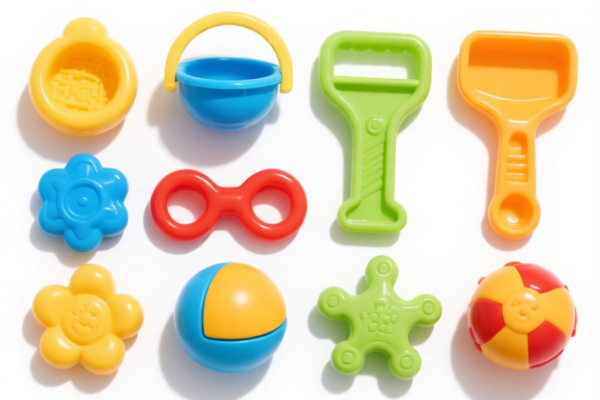
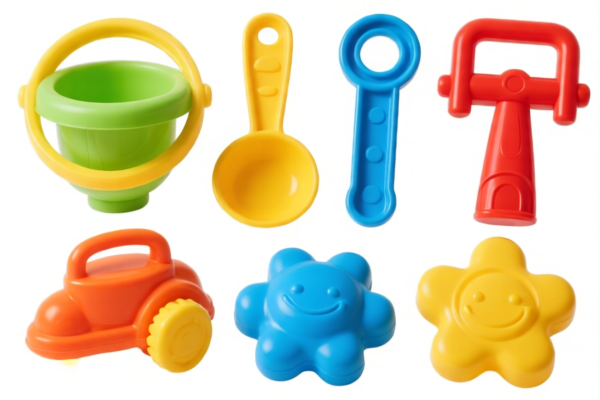
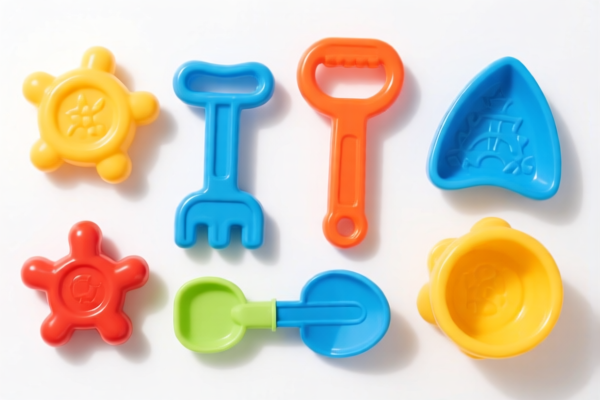
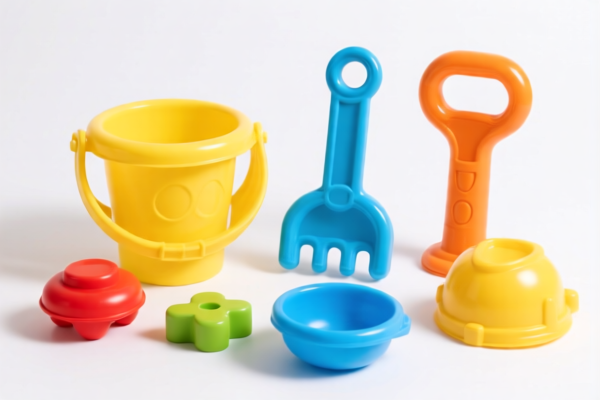
AI Analysis
🏖️ Beach Toy (Sand Toys)
🌐 HS Code Reference & Customs Clearance Guide | 2026 Latest Tariff Analysis | Professional Entry Strategy
📌 I. Product Definition & Classification: What Exactly is a "Beach Toy"?
Beach toys are playful items designed primarily for children’s recreation in sand or water. In international trade, their classification is not based solely on the fact that they are used at the beach, but rather on their primary function and material composition.
There is a critical distinction to make: 1. Function-Based Classification (Toys): If the item is designed for play (e.g., buckets, shovels, molds, beach balls) and the material is secondary to its function as a toy, it falls under Chapter 95 (Toys). 2. Material-Based Classification (Raw Materials): If the item is classified as raw material (e.g., a bag of sand itself) or a generic plastic product without a specific "toy" design, it may fall under Chapter 39 (Plastics) or Chapter 25 (Mineral Products).
⚠️ Key Distinction Point:
- If it is a bucket, shovel, or mold → It is a Toy (HS 9503).
- If it is plastic but not clearly a toy structure → It might be considered a Plastic Article (HS 3926).
- If it is sand itself → It is a Mineral Product (HS 2505).
📦 II. HS Code Classification Details (2026 Latest Tariff Alignment)
Based on the provided data, here are the four potential HS Codes for "Beach Toy" items, categorized by logic:
| HS Code | Product Description | Application Scenario | Basis for Classification |
|---|---|---|---|
9503.00.00.73 |
Sand toys, classified as other toys | Standard plastic buckets, spades, rakes, molds | ✅ Primary Function: Toy |
9503.00.00.71 |
Sand toys, suitable for children, no material conflict | Children-specific play sets, educational sand toys | ✅ Primary Function: Toy for Children |
3926.90.99.89 |
Plastic sand toys, classified as other plastic products | Plastic accessories, generic molds not clearly "toy" | ✅ Material: Plastic, Generic Use |
2505.10.50.00 |
Sand toys, material is natural quartz/silica sand | Bags of sand sold as "play sand", mineral-based | ✅ Material: Natural Quartz Sand |
2505.90.00.00 |
Sand toys, material is other natural sand | Bags of non-quartz natural sand | ✅ Material: Other Natural Sand |
🔍 Critical Reminder:
- Do not classify plastic buckets/spades as "Plastic Articles" (3926) unless they lack clear toy characteristics. Customs often reclassify generic plastic items as toys if they are marketed for children. - Sand itself is never a "toy" in the HS Code sense; it is a raw material. If you sell sand for kids to play with, it falls under 2505, not 9503. - Plastic toys generally fall under 9503 regardless of material, as Chapter 95 covers "Toys, games and sports requisites."
💰 III. 2026 Latest Tariff Rate Breakdown (Including Additional Taxes, Policy Add-ons)
✅ Applicable Country: United States (US)
✅ Origin: China (CN)
✅ Effective Date: From November 10, 2025 (including subsequent imports)
🎯 1. 9503.00.00.73 & 9503.00.00.71 —— Sand Toys (Classified as Toys)
These two codes share the same tariff structure because both are classified under Chapter 95 (Toys).
| Item | Content |
|---|---|
| Basic Tariff | 0.0% |
| Additional Tariff (Section 301) | 0.0% (No additional 301 tariffs for toys in this specific subcategory) |
| Section 122 Tariff | +10.0% (Specific provision for certain goods from China) |
| Total Tariff Rate | 10.0% |
| Tax Calculation | CIF Value × 10% |
| De Minimis Exemption | ❌ Not Applicable (Section 122 tariffs typically apply to shipments regardless of value, check specific exemption lists) |
| Legal Basis Path | Section 122: 10% → HS: 9503.00.00.71/73 |
📌 Explanation:
- Toys (Chapter 95) generally enjoy low or zero basic tariffs due to international trade agreements. - The 10% Section 122 tariff is a specific surcharge applied to certain Chinese goods. - No Section 301 tariffs are applied here, making it significantly cheaper than other categories.
🎯 2. 3926.90.99.89 —— Sand Toys (Classified as Plastic Products)
If Customs determines the item is not a "toy" but a "plastic article," this harsher tariff applies.
| Item | Content |
|---|---|
| Basic Tariff | 5.3% |
| Additional Tariff (Section 301) | +7.5% |
| Section 122 Tariff | +10.0% |
| Total Tariff Rate | 22.8% |
| Tax Calculation | CIF Value × 22.8% |
| De Minimis Exemption | ❌ Not Applicable |
| Legal Basis Path | USITC: 5.3% → Section 301: 7.5% → Section 122: 10% → HS: 3926.90.99.89 |
📌 Note:
- This is more than double the toy tariff. - Risk of misclassification: If you ship plastic buckets as "Plastic Containers" (3926), you pay 22.8%. If correctly classified as "Toys" (9503), you pay only 10%.
🎯 3. 2505.10.50.00 & 2505.90.00.00 —— Sand (Classified as Natural Sand)
If the product is actual sand (e.g., bagged play sand), not a plastic toy.
| Item | Content |
|---|---|
| Basic Tariff | 0.0% |
| Additional Tariff (Section 301) | +25.0% |
| Section 122 Tariff | +10.0% |
| Total Tariff Rate | 35.0% |
| Tax Calculation | CIF Value × 35.0% |
| De Minimis Exemption | ❌ Not Applicable |
| Legal Basis Path | Section 301: 25% → Section 122: 10% → HS: 2505.10.50.00 / 2505.90.00.00 |
📌 Warning:
- Sand is a high-tariff item due to Section 301 retaliatory tariffs. - Do not confuse "Sand Toys" (plastic tools) with "Sand" (the material). - 35% is a very high cost burden for low-value bulk goods.
🛠️ IV. Customs Clearance Practical Advice (Battle-Tested Pitfall Avoidance)
✅ 1. Preparation Checklist (No Exceptions)
| Document | Must Provide | Explanation |
|---|---|---|
| ✅ Product Photos | ✔️ | Clear images showing the item is a toy (e.g., bucket with handle, colorful, child-friendly). |
| ✅ Product Description | ✔️ | Use terms like "Kids' Plastic Beach Toy," "Sand Play Set," NOT "Plastic Container" or "Sand." |
| ✅ Material Declaration | ✔️ | Specify if plastic (ABS/PE) or natural sand. |
| ✅ Commercial Invoice | ✔️ | Correctly describe goods as "Toys for Children." |
| ✅ Packing List | ✔️ | Ensure weights and quantities match. |
✅ 2. Declaration Strategy (Key Mantra)
🔥 "Declare as Toy, Not Plastic or Sand! Function Over Material!"
| Scenario | Correct Declaration | Risk of Wrong Declaration |
|---|---|---|
| Plastic Bucket/Shovel | 9503.00.00.71/73 |
If declared as 3926, tax jumps from 10% to 22.8% |
| Bag of Play Sand | 2505.10.50.00 |
If declared as 9503 (Toy), Customs may reject it (sand isn't a toy) or reclassify. |
| Mixed Set (Bucket + Sand) | Split Declaration | Declare bucket as 9503 (10%) and sand as 2505 (35%). Do NOT bundle as one item. |
✅ 3. Special Case Handling
| Scenario | Handling Advice |
|---|---|
| Plastic Toys with Sand Inside | If sand is part of the toy (e.g., kinetic sand kit), it is still a Toy (9503) if the primary function is play. |
| Generic Plastic Molds | If not marketed for children, customs may classify as 3926 (22.8%). Provide marketing materials proving child-targeted use. |
| Bulk Sand for Construction | Do NOT use this for "beach toys." Use 2505 or other sand codes. |
🌍 V. Global Market Comparison (2026 Latest)
| Country/Region | Recommended HS Code | Tariff (China Origin) | Certification | Notes |
|---|---|---|---|---|
| 🇺🇸 USA | 9503.00.00.71/73 |
10% (Toy) | CPC (Children's Product Cert) | Highest Priority: Correct classification saves 12.8% vs plastic. |
| 🇪🇺 EU | 9503.00.30 |
0% | CE + EN71 | No Section 122/301. |
| 🇨🇳 China | 9503.00.00 |
0% | CCC (if applicable) | Domestic trade benefits. |
| 🇬🇧 UK | 9503.00.00 |
0% | UKCA | Post-Brexit rules apply. |
📌 Conclusion:
- USA is the most complex market due to Section 122 and Section 301 tariffs. - Always aim for9503for plastic beach toys. It is the lowest tariff option (10%) compared to plastics (22.8%) and raw sand (35%).
📌 VI. Common Errors & Pitfall Guide (Lessons Learned)
❌ Error 1: Declaring plastic buckets as "Plastic Containers" (3926)
👉 Consequence: Tariff increases from 10% to 22.8%. Loss of 12.8% margin!
❌ Error 2: Declaring a "Bucket + Sand" set as a single item under 9503
👉 Consequence: Customs may split it. Sand portion taxed at 35%, bucket at 10%. High risk of penalty if misdeclared.
❌ Error 3: Using vague descriptions like "Beach Items"
👉 Consequence: Customs has discretion. Likely to classify as Plastic (3926) or Sand (2505) based on weight/material. Always be specific.
❌ Error 4: Ignoring Section 122 Tariff
👉 Consequence: Even if basic tariff is 0%, 10% Section 122 still applies. Total 10% is not "Free Entry."
✅ Correct Practice:
"Plastic Children's Beach Toy Set (Bucket & Spade), Made of Polypropylene, For Kids 3+ Years, Model XYZ, CPC Certified"
🎯 VII. Conclusion: Precision in Classification Saves Money!
🎯 Remember the Mantra:
🔹 "Toy First, Plastic Second, Sand Third!"
🔹 "9503 is your friend: 10% only. 3926 is a trap: 22.8%. 2505 is expensive: 35%."
🔹 "Declare Function, Not Just Material!"
📌 Pro Tip:
If you are shipping plastic beach toys to the US, ensure your supplier provides a Children’s Product Certificate (CPC). Without it, customs may delay shipment even if the HS Code is correct.
📣 Immediate Action:
📞 Confirm HS Code
9503.00.00.71or9503.00.00.73with your freight forwarder.
📝 Prepare marketing materials proving child-targeted use to justify Toy classification.
🚀 Avoid the 22.8% trap. Save costs. Ship smart!
✨ Professional Clearance Starts with Accurate Classification!
💼 Your Profit Margin Depends on the HS Code!
Customer Reviews
About HS Code Classification
The Harmonized System (HS) is an internationally standardized nomenclature developed by the World Customs Organization (WCO) to classify traded products. Over 200 countries use the HS system as the basis for customs tariffs, trade statistics, and import/export regulations.
Each HS code follows a hierarchical structure:
- Chapter (2 digits) — Broad category of goods (e.g., Chapter 84: Machinery and Mechanical Appliances)
- Heading (4 digits) — More specific grouping within the chapter
- Subheading (6 digits) — Internationally standardized breakdown, used by all WCO member countries
- National subdivisions (8-10 digits) — Country-specific extensions for further classification, such as US HTSUS 10-digit codes
Correct HS code classification is essential for smooth customs clearance, accurate duty payment, and compliance with trade regulations. Misclassification can lead to customs delays, overpayment of duties, or penalties.
When importing from CN to US, the applicable tariff rates may include:
- Most-Favored-Nation (MFN) rate — The standard duty rate applied to WTO members
- General rate — Applied to countries without trade agreements
- Trade remedy duties — Additional tariffs such as Section 301 (anti-dumping), Section 232 (national security), or countervailing duties
The information provided on this page is for reference purposes only. For official classification, please consult with your local customs authority or a licensed customs broker.