Bead
CN → US| HS Code | Tariff Rate | Origin | Destination | Doc |
|---|---|---|---|---|
| 7117909000 | 28.5% | CN | US | Official Doc |
| 3926903300 | 16.5% | CN | US | Official Doc |
| 3926903500 | 16.5% | CN | US | Official Doc |
| 4421919880 | 38.3% | CN | US | Official Doc |
| 4421999880 | 38.3% | CN | US | Official Doc |
Product Images
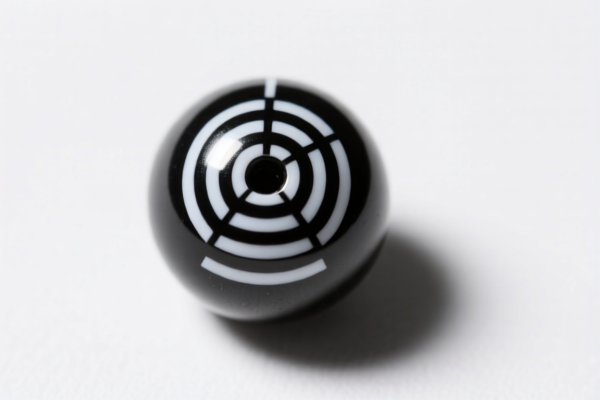

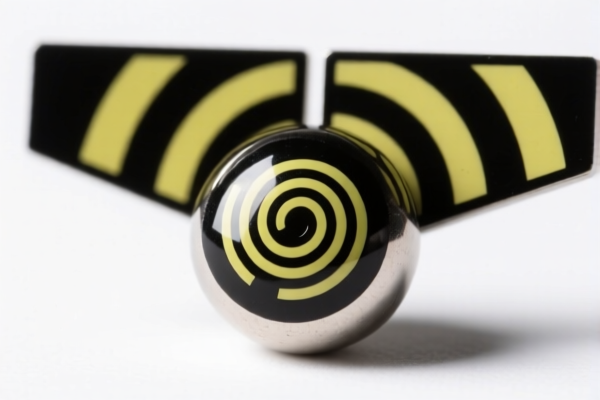
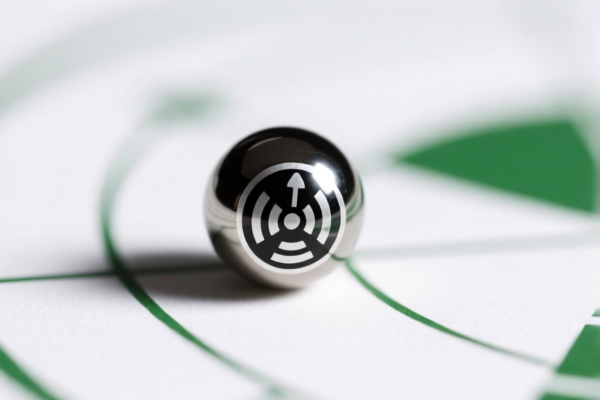
AI Analysis
🧵 Beads (珠子/珠饰/串珠)
HS Code Classification Guide & 2026 US Import Tax Strategy | Complete Customs Clearance Protocol
🌐 HS Code Reference & Clearance Guide | 2026 Tax Rate Breakdown | Professional Strategy for Beads
📌 I. Product Definition & Classification: Do You Really Know "Beads"?
In international trade, "Beads" are not a single product but a diverse category of small, perforated objects used for jewelry, decoration, crafting, and industrial filtering. The critical differentiator in US Customs classification is the material composition:
- Plastic Beads (塑料制品): Typically used for crafting, fishing lures, or toy components.
- Imitation Jewelry Parts (仿制首饰部件): Beads made of glass, metal, or plastic designed to look like precious stones or used as components in costume jewelry.
- Wooden Beads (木制品): Often used for jewelry making, toys, or artisan crafts.
⚠️ KEY DISTINCTION POINT:
- If the bead is made of Plastic → It falls under 3926.
- If the bead is for Jewelry Use (Imitation) → It falls under 7117.
- If the bead is made of Wood → It falls under 4421.
Misclassification can lead to immediate seizure or massive back-taxes due to Section 301/122 tariffs.
📦 II. HS Code Classification Details (2026 US Tariff Reference)
Based on the 2026 US Customs Data, here is the precise breakdown for your shipment:
| HS Code | Product Summary (Material & Use) | Total Tax Rate | Tax Composition Breakdown |
|---|---|---|---|
| 3926.90.33.00 | Plastic Beads (Generic craft/toy use) | 16.5% | Base: 6.5% Add-on: 0% 122 Clause: 10% |
| 3926.90.35.00 | Plastic Beads (Specific sub-category) | 16.5% | Base: 6.5% Add-on: 0% 122 Clause: 10% |
| 7117.90.90.00 | Beads, Imitation Jewelry Parts (Costume jewelry components) | 28.5% | Base: 11.0% Add-on: 7.5% 122 Clause: 10% |
| 4421.91.98.80 | Wooden Beads (Specific wood product type) | 38.3% | Base: 3.3% Add-on: 25.0% 122 Clause: 10% |
| 4421.99.98.80 | Wooden Beads (Other/General wood products) | 38.3% | Base: 3.3% Add-on: 25.0% 122 Clause: 10% |
🔍 Critical Analysis:
- Plastic Beads enjoy a lower total tax (16.5%) because the "Add-on" tariff is 0%.
- Imitation Jewelry Beads carry a higher burden (28.5%) due to the 7.5% add-on tariff.
- Wooden Beads are the most expensive to import (38.3%) due to a massive 25% Add-on Tariff (Section 301) on wood products, plus the 10% 122 Clause.
💰 III. 2026 US Tariff Rate Deep Dive (Base + Add-ons + 122 Clause)
✅ Applicable Market: United States (US)
✅ Origin: China (CN)
✅ Effective Period: Based on current 2025/2026 enforcement policies.
🎯 Category 1: Plastic Beads (HS 3926.90.33.00 / 3926.90.35.00)
| Item | Content |
|---|---|
| Base Duty | 6.5% (Standard MFN Rate) |
| Section 301 Add-on | 0.0% (Plastic items in this sub-category often exempt from the heavy 25% wood/textile surcharge) |
| 122 Clause Tariff | 10.0% (Mandatory on Chinese goods in this category) |
| Total Effective Rate | 16.5% |
| Legal Basis Path | HTSUS:3926.90.33.00 → Section 301 (Exempt) → 122 Clause |
📌 Explanation:
While plastic is generally taxed at 6.5%, the 122 Clause (a specific punitive measure targeting Chinese imports) adds a flat 10%. Unlike wood or electronics, plastic beads here are NOT hit with the 25% Section 301 surcharge, making them the most cost-effective option.
🎯 Category 2: Imitation Jewelry Beads (HS 7117.90.90.00)
| Item | Content |
|---|---|
| Base Duty | 11.0% (Higher than plastic due to "Jewelry" classification) |
| Section 301 Add-on | 7.5% (Specific surcharge on imitation jewelry) |
| 122 Clause Tariff | 10.0% |
| Total Effective Rate | 28.5% |
| Legal Basis Path | HTSUS:7117.90.90.00 → Section 301: Footnote → 122 Clause |
📌 Explanation:
Beads intended for jewelry assembly are treated more strictly. The 11% base is higher, and they attract an extra 7.5% surcharge on top of the 10% 122 Clause. This category is ~12% more expensive than plastic beads.
🎯 Category 3: Wooden Beads (HS 4421.91.98.80 / 4421.99.98.80)
| Item | Content |
|---|---|
| Base Duty | 3.3% (Low base rate for wood) |
| Section 301 Add-on | 25.0% (MASSIVE SURCHARGE on Chinese wood products) |
| 122 Clause Tariff | 10.0% |
| Total Effective Rate | 38.3% |
| Legal Basis Path | HTSUS:4421.91.98.80 → Section 301: 25% Surcharge → 122 Clause |
📌 CRITICAL WARNING:
- The 25% Add-on Tariff is the killer here. Even though the base duty is only 3.3%, the Section 301 penalty on wood products makes this the highest tax bracket (38.3%).
- Do not ship wooden beads from China unless the profit margin is exceptionally high; the tax burden is nearly 40%.
🛠️ IV. Customs Clearance Practical Tips (Pitfall Avoidance Guide)
✅ 1. Material Verification (The "Wood" Trap)
- Scenario: You label goods as "Decorative Beads" but they are Wood.
- Risk: If declared as Plastic (16.5%) but found to be Wood (38.3%), you will face Seizure and Back Taxes of ~21.8% on the CIF value + Penalties.
- Action: Ensure the commercial invoice explicitly states "Material: [Plastic/Glass/Wood]" and matches the HS Code.
✅ 2. Function Matters (Jewelry vs. Craft)
- Scenario: Selling "Beads" for DIY jewelry.
- Risk: Misdeclaring as "Plastic Craft Beads" (3926) to avoid the 28.5% Jewelry tax.
- Action: If the beads are marketed for jewelry (e.g., "Earring components", "Necklace strands"), Customs may reclassify them to 7117. Ensure your product description aligns with 7117.90.90.00 (Imitation Jewelry Parts).
✅ 3. Documentation Checklist
| Document | Requirement | Why? |
|---|---|---|
| Detailed Invoice | Must list: Material, Shape, Size, Quantity, Intended Use | To prove it's not "Imitation Jewelry" if you want to use the 16.5% Plastic rate. |
| Material Test Report | Lab report confirming % composition | To differentiate between Plastic, Wood, and Metal. |
| Photos | Clear images of the beads | Customs officers may verify material visually. |
| 122 Clause Compliance | Proof of origin (China) | To prepare for the 10% surcharge. |
🚀 V. Strategic Recommendations for Importers
-
Avoid Wooden Beads if Possible:
The 38.3% total tax rate (Base 3.3% + 25% Add-on + 10% 122) makes wooden beads from China extremely costly. Consider sourcing from Vietnam or Mexico to potentially bypass the Section 301 25% surcharge (if applicable under FTZ rules). -
Clarify "Imitation Jewelry" Status:
If you import Plastic Beads for general craft use, do not include them in a "Jewelry Kit" or market them as "Jewelry Components" on the invoice. Keep them separate as "Plastic Craft Beads" to qualify for the lower 16.5% rate (3926) instead of 28.5% (7117). -
Calculate Landed Cost:
Always calculate your FOB price + 38.3% (for wood) or 28.5% (for jewelry) or 16.5% (for plastic) to ensure profitability. The tax difference between Plastic and Wood is 21.8%—this can erase your entire margin. -
Pre-Arrange Classification Ruling:
If you are unsure if your "wooden-looking beads" are actually resin-coated wood or plastic, apply for a Binding Ruling from US Customs and Border Protection (CBP) before shipping. This prevents audits and penalties.
📝 Summary Table: Quick Decision Matrix
| If your beads are... | Target HS Code | Total Tax | Verdict |
|---|---|---|---|
| Plastic (General) | 3926.90.33.00 / 35.00 |
16.5% | ✅ Best Option (Lowest Tax) |
| Plastic (Jewelry Parts) | 7117.90.90.00 |
28.5% | ⚠️ Medium (Avoid if possible) |
| Wooden | 4421.91.98.80 / 98.80 |
38.3% | ❌ High Risk (Avoid sourcing from CN) |
🌟 Final Word: Precision is Profit
"One word in the HS Code changes your tax by 21.8%!"
Whether you are shipping plastic, imitation jewelry, or wooden beads, accurate classification is not just about compliance—it's about bottom-line protection.
🚀 Pro Tip: Always declare the exact material and specific use case. If you are unsure, split your shipment (Plastic beads in one container, Wood in another) to avoid misclassification penalties on the whole cargo.
✨ Customs Clarity = Cost Savings!
💼 Get the HS Code right today, save thousands tomorrow!
Customer Reviews
About HS Code Classification
The Harmonized System (HS) is an internationally standardized nomenclature developed by the World Customs Organization (WCO) to classify traded products. Over 200 countries use the HS system as the basis for customs tariffs, trade statistics, and import/export regulations.
Each HS code follows a hierarchical structure:
- Chapter (2 digits) — Broad category of goods (e.g., Chapter 84: Machinery and Mechanical Appliances)
- Heading (4 digits) — More specific grouping within the chapter
- Subheading (6 digits) — Internationally standardized breakdown, used by all WCO member countries
- National subdivisions (8-10 digits) — Country-specific extensions for further classification, such as US HTSUS 10-digit codes
Correct HS code classification is essential for smooth customs clearance, accurate duty payment, and compliance with trade regulations. Misclassification can lead to customs delays, overpayment of duties, or penalties.
When importing from CN to US, the applicable tariff rates may include:
- Most-Favored-Nation (MFN) rate — The standard duty rate applied to WTO members
- General rate — Applied to countries without trade agreements
- Trade remedy duties — Additional tariffs such as Section 301 (anti-dumping), Section 232 (national security), or countervailing duties
The information provided on this page is for reference purposes only. For official classification, please consult with your local customs authority or a licensed customs broker.