Bead Keychain
CN → US| HS Code | Tariff Rate | Origin | Destination | Doc |
|---|---|---|---|---|
| 7113191000 | 24.5% | CN | US | Official Doc |
| 7117191500 | 25.5% | CN | US | Official Doc |
| 7117192000 | 28.5% | CN | US | Official Doc |
| 7113111000 | 23.8% | CN | US | Official Doc |
| 3926903300 | 16.5% | CN | US | Official Doc |
Product Images
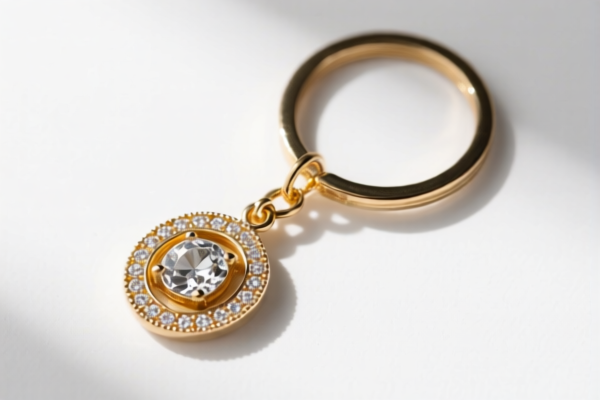
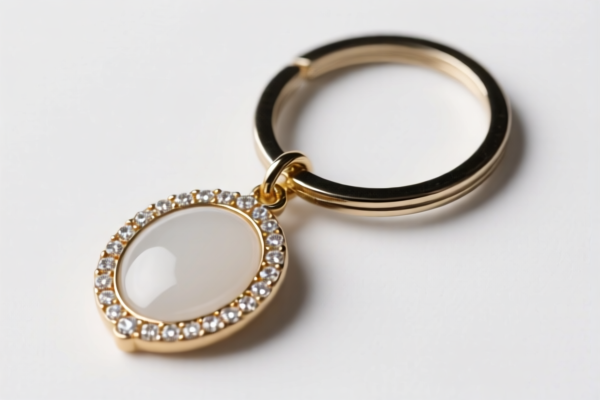
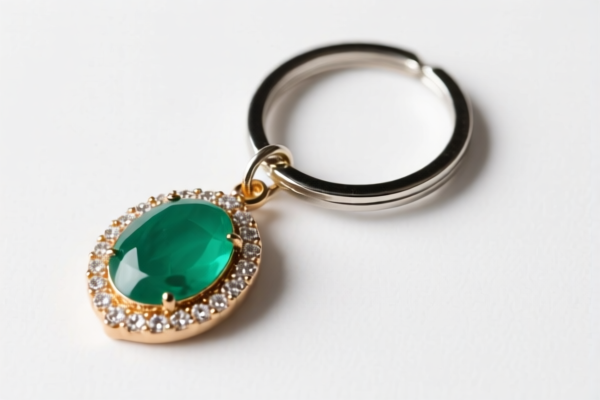
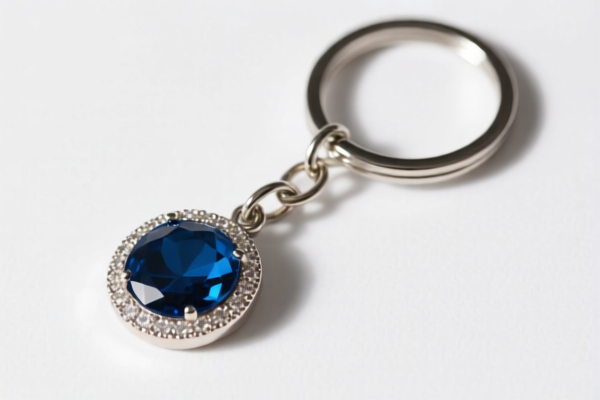
AI Analysis
📿 Bead Keychain (Beaded Jewelry / Accessories)
🌐 HS Code Reference & Customs Clearance Guide | 2026 Latest Tariff Analysis | Professional Entry Strategy
📌 I. Product Definition & Classification: What Exactly is a "Bead Keychain"?
A beaded keychain is a decorative accessory consisting of beads strung together on a chain, cord, or wire, attached to a keyring or clasp. In international trade, its classification depends heavily on material composition and product form.
Two Main Categories: 1. Precious Metal Keychains: Made entirely or partially of precious metals (e.g., silver, gold). 2. Base Metal/Imitation Jewelry Keychains: Made of base metals (e.g., copper, zinc alloy) or non-precious materials (plastics, glass beads).
⚠️ Key Distinction Point: - If the product is silver-based or uses precious metals, it falls under Chapter 71.13. - If the product is base metal or imitation jewelry, it falls under Chapter 71.17. - If the product is plastic beads (non-jewelry form), it may fall under Chapter 39.
📦 II. HS Code Classification Details (2026 Latest Tariff Authority)
Based on the provided data, here are the specific HS Codes for bead keychains:
| HS Code | Product Description | Applicable Material | Form Factor |
|---|---|---|---|
7113.19.10.00 |
Beaded keychain, precious metal or base metal material | Precious/Basic Metal | Beaded Chain |
7113.11.10.00 |
Beaded keychain, Silver material | Silver | Beaded Chain |
7117.19.15.00 |
Beaded keychain, Base metal or imitation jewelry material | Base Metal/Imitation | Beaded Chain |
7117.19.20.00 |
Beaded keychain, Base metal or imitation jewelry material | Base Metal/Imitation | Beaded Chain |
3926.90.33.00 |
Beads, Plastic products | Plastic | Individual Beads/Strands |
🔍 Important Reminder: - Silver products must be classified under
7113.11.10.00. - Non-silver precious/base metal products fall under7113.19.10.00. - Base metal/imitation jewelry falls under7117.19.15.00or7117.19.20.00(depending on specific sub-classification details not fully expanded here, but both are relevant). - Plastic beads (if not assembled into jewelry but sold as raw materials/components) may fall under3926.90.33.00.
💰 III. 2026 Latest Tariff Rate Details (Including Surcharges & Policy Add-ons)
✅ Applicable Country: United States (US)
✅ Origin: China (CN)
✅ Effective Date: Ongoing (including subsequent imports)
🎯 1. 7113.19.10.00 — Beaded Keychain, Precious Metal or Base Metal
| Item | Content |
|---|---|
| Basic Tariff | 7.0% |
| Section 301 Surcharge | 7.5% |
| Section 122 Tariff | 10.0% |
| Total Tax Rate | 24.5% |
| Tax Calculation | CIF Value × 24.5% |
| De Minimis Exemption? | ❌ No (Standard customs rules apply) |
| Legal Basis Path | Base: 7.0% → 301: 7.5% → Sec 122: 10% → 24.5% |
📌 Explanation: - This code applies to keychains made of precious metals (other than silver) or base metals treated as jewelry. - The total tax rate is 24.5%, which is relatively moderate compared to other goods, but still significant.
🎯 2. 7113.11.10.00 — Beaded Keychain, Silver Material
| Item | Content |
|---|---|
| Basic Tariff | 6.3% |
| Section 301 Surcharge | 7.5% |
| Section 122 Tariff | 10.0% |
| Total Tax Rate | 23.8% |
| Tax Calculation | CIF Value × 23.8% |
| De Minimis Exemption? | ❌ No |
| Legal Basis Path | Base: 6.3% → 301: 7.5% → Sec 122: 10% → 23.8% |
📌 Note: - Silver-based keychains have a slightly lower basic tariff (6.3%) compared to other precious metals (7.0%). - Total tax rate is 23.8%.
🎯 3. 7117.19.15.00 — Beaded Keychain, Base Metal or Imitation Jewelry
| Item | Content |
|---|---|
| Basic Tariff | 8.0% |
| Section 301 Surcharge | 7.5% |
| Section 122 Tariff | 10.0% |
| Total Tax Rate | 25.5% |
| Tax Calculation | CIF Value × 25.5% |
| De Minimis Exemption? | ❌ No |
| Legal Basis Path | Base: 8.0% → 301: 7.5% → Sec 122: 10% → 25.5% |
📌 Note: - This code is for common base metal keychains (e.g., brass, copper alloys) or imitation jewelry. - Total tax rate is 25.5%.
🎯 4. 7117.19.20.00 — Beaded Keychain, Base Metal or Imitation Jewelry
| Item | Content |
|---|---|
| Basic Tariff | 11.0% |
| Section 301 Surcharge | 7.5% |
| Section 122 Tariff | 10.0% |
| Total Tax Rate | 28.5% |
| Tax Calculation | CIF Value × 28.5% |
| De Minimis Exemption? | ❌ No |
| Legal Basis Path | Base: 11.0% → 301: 7.5% → Sec 122: 10% → 28.5% |
📌 Note: - This code may apply to specific types of base metal or imitation jewelry items that do not fit into
7117.19.15.00. - Total tax rate is 28.5%, the highest among jewelry-type keychains.
🎯 5. 3926.90.33.00 — Beads, Plastic Products
| Item | Content |
|---|---|
| Basic Tariff | 6.5% |
| Section 301 Surcharge | 0.0% |
| Section 122 Tariff | 10.0% |
| Total Tax Rate | 16.5% |
| Tax Calculation | CIF Value × 16.5% |
| De Minimis Exemption? | ❌ No (Check specific de minimis rules for small packages) |
| Legal Basis Path | Base: 6.5% → 301: 0.0% → Sec 122: 10% → 16.5% |
📌 Note: - This code applies to plastic beads themselves, not necessarily assembled keychains. - If you are importing assembled plastic bead keychains, they should likely be classified under
7117(imitation jewelry) rather than3926(other plastic articles), unless the beads are sold as raw materials. - Total tax rate is 16.5%, the lowest among the listed codes. - Key Advantage: No Section 301 surcharge (0.0%), which is a significant cost saving.
🛠️ IV. Customs Clearance Practical Advice (Real-World Pitfall Avoidance)
✅ 1. Required Documents Checklist
| Document | Mandatory | Description |
|---|---|---|
| ✅ Product Specifications | ✔️ | Material composition (e.g., "Silver-plated," "Base metal alloy," "Plastic beads") |
| ✅ Product Photos | ✔️ | Clear images showing the keychain, beads, and keyring |
| ✅ Commercial Invoice | ✔️ | Clearly state "Beaded Keychain" and material type |
| ✅ Packing List | ✔️ | Weight and quantity details |
| ✅ Origin Certificate | ✔️ | Proof of origin (China) |
✅ 2. Declaration Tips (Critical Mnemonic)
🔥 "Material Determines HS, Plastic Saves Tax, Jewelry Codes Apply to Assembled Items!"
| Scenario | Correct Declaration | Wrong Practice |
|---|---|---|
| Silver Keychain | 7113.11.10.00 (23.8%) |
Misdeclare as "Plastic" → Fraud risk |
| Base Metal Keychain | 7117.19.15.00 or 7117.19.20.00 (25.5%-28.5%) |
Misdeclare as "Plastic" → Penalty |
| Plastic Beads (Raw) | 3926.90.33.00 (16.5%) |
Misdeclare as "Jewelry" → Higher tax |
| Assembled Plastic Keychain | 7117.19.15.00 or 7117.19.20.00 |
Misdeclare as 3926 → Misclassification |
✅ 3. Special Situation Handling
| Situation | Handling Advice |
|---|---|
| Mixed Materials | If the keychain has both metal and plastic parts, classify based on essential character (usually the metal/jewelry aspect). |
| OEM Custom Design | Provide design drawings to prove if it's "imitation jewelry" or "plastic product." |
| Low-Value Shipments | Check if your shipment qualifies for de minimis exemption (currently $800 in the US), but note that Section 122 may still apply depending on current enforcement. |
| Plastic Beads vs. Assembled Keychains | Do not declare assembled plastic keychains under 3926. They are considered "imitation jewelry" and fall under 7117. |
🌍 V. Global Market Comparison (2026 Latest)
| Country/Region | Recommended HS Code | Tariff Rate | Notes |
|---|---|---|---|
| 🇺🇸 USA | 7117.19.15.00 / 7113.19.10.00 |
24.5% - 28.5% | High tariffs due to 301 + Sec 122 |
| 🇨🇳 China | 7117.19.15.00 |
~8-11% | Lower basic tariff, no 301/Sec 122 |
| 🇪🇺 EU | 7117.19.15.00 |
Varies | Check EU TARIC database |
| 🇬🇧 UK | 7117.19.15.00 |
Varies | Post-Brexit tariff rules apply |
📌 Conclusion: - The USA imposes the highest tariffs on Chinese-origin bead keychains due to Section 301 and Section 122 surcharges. - Plastic beads (
3926.90.33.00) have a lower total tax rate (16.5%) because they are exempt from Section 301. However, this only applies to raw beads, not assembled jewelry.
📌 VI. Common Errors & Pitfalls (Lessons Learned)
❌ Error 1: Declaring assembled plastic keychains under 3926.90.33.00
👉 Consequence: Misclassification, potential seizure, back taxes, and fines.
✅ Correct: Use 7117.19.15.00 or 7117.19.20.00.
❌ Error 2: Misidentifying silver keychains as "base metal"
👉 Consequence: Wrong HS Code, incorrect tax calculation.
✅ Correct: Use 7113.11.10.00 for silver.
❌ Error 3: Ignoring Section 122 Tariff
👉 Consequence: Unexpected 10% surcharge at customs.
✅ Correct: Always include Section 122 in cost calculations for US imports from China.
🎯 VII. Conclusion: Professional Declaration for Cost Efficiency
🎯 Key Takeaways:
🔹 Material is Key: Silver (
7113.11) → 23.8%; Precious/Other Metal (7113.19) → 24.5%; Base Metal (7117.19) → 25.5%-28.5%; Plastic Beads (3926.90) → 16.5%. 🔹 Assembled vs. Raw: Assembled keychains are jewelry (7117/7113), not plastic goods (3926). 🔹 Tariff Burden: US imports face high tariffs (23.8%-28.5%). Plan costs accordingly.
📌 Pro Tip:
If you are importing plastic beads for manufacturing, consider classifying them under 3926.90.33.00 to save on Section 301 tariffs. However, if you are importing finished keychains, you must use the jewelry codes.
📣 Immediate Action:
📞 Consult a customs broker to confirm the exact material composition.
📄 Prepare accurate product descriptions and material certificates.
💰 Calculate total landed cost including 24.5%-28.5% tariffs for US imports.
✨ Professional clearance starts with accurate classification!
💼 Every cent saved in tariffs is pure profit!
Customer Reviews
About HS Code Classification
The Harmonized System (HS) is an internationally standardized nomenclature developed by the World Customs Organization (WCO) to classify traded products. Over 200 countries use the HS system as the basis for customs tariffs, trade statistics, and import/export regulations.
Each HS code follows a hierarchical structure:
- Chapter (2 digits) — Broad category of goods (e.g., Chapter 84: Machinery and Mechanical Appliances)
- Heading (4 digits) — More specific grouping within the chapter
- Subheading (6 digits) — Internationally standardized breakdown, used by all WCO member countries
- National subdivisions (8-10 digits) — Country-specific extensions for further classification, such as US HTSUS 10-digit codes
Correct HS code classification is essential for smooth customs clearance, accurate duty payment, and compliance with trade regulations. Misclassification can lead to customs delays, overpayment of duties, or penalties.
When importing from CN to US, the applicable tariff rates may include:
- Most-Favored-Nation (MFN) rate — The standard duty rate applied to WTO members
- General rate — Applied to countries without trade agreements
- Trade remedy duties — Additional tariffs such as Section 301 (anti-dumping), Section 232 (national security), or countervailing duties
The information provided on this page is for reference purposes only. For official classification, please consult with your local customs authority or a licensed customs broker.