Bead Tray
CN → US| HS Code | Tariff Rate | Origin | Destination | Doc |
|---|---|---|---|---|
| 7326903500 | 92.8% | CN | US | Official Doc |
| 7326908688 | 87.9% | CN | US | Official Doc |
| 9503000073 | 10.0% | CN | US | Official Doc |
| 9503000071 | 10.0% | CN | US | Official Doc |
Product Images
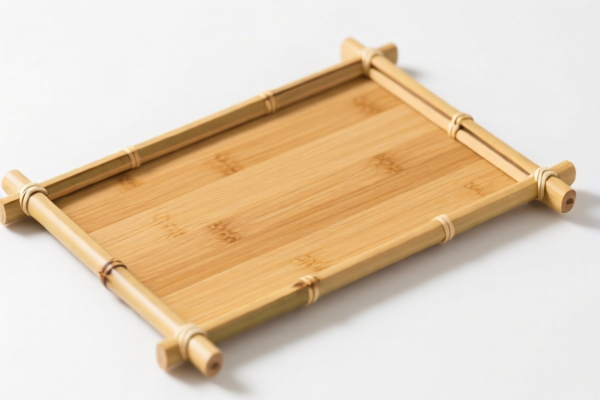
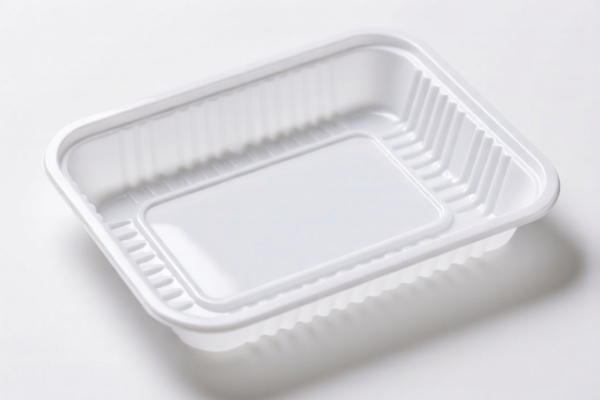
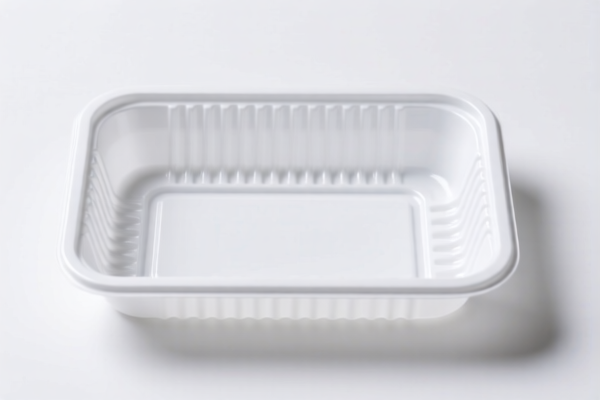

AI Analysis
Here is the comprehensive guide for Bead Tray clearance, structured in the requested Wiki style with detailed tax analysis and practical advice based on the provided data.
📿 Bead Tray (Jewelry & Toy Accessories)
🌐 HS Code Reference & Clearance Guide | 2026 Tax Rate Breakdown | Strategic Compliance Strategy
📌 I. Product Definition & Classification: What exactly is a "Bead Tray"?
In international trade, a "Bead Tray" is a versatile item that spans multiple categories depending on its material, intended use, and structural design. It is not a single product but a functional container or component.
The Three Critical Classifications:
- Metal Storage Containers: If the tray is primarily a metal (steel/iron) vessel used for organizing beads, tools, or small parts.
- Toy Accessories: If the tray is designed as a component for a toy set (e.g., a bead-building kit for children), made of plastic or metal.
- Spare Parts/Components: If the tray is a non-essential part of a larger assembly (e.g., a tray included with a machine or a specific toy chassis).
⚠️ Key Differentiation Point: - Material First: Steel/Iron trays face heavy Section 232 (1003/1005) penalties. Plastic trays face minimal penalties. - Function Second: Is it a standalone storage item (HS 7326) or a "toy part" (HS 9503)? - The "Accessory" Trap: Classifying a toy tray as a "container" instead of a "toy part" can lead to massive tax spikes.
📦 II. HS Code Classification Breakdown (2026 Data Source)
Based on the provided data, the Bead Tray can be classified into four distinct HS Codes. The choice drastically impacts your total tax liability.
| HS Code | Product Description | Material/Logic | Applicable Scenario | Total Tax Rate |
|---|---|---|---|---|
7326.90.35.00 |
Metal Containers (Steel/Iron) | Steel/Metal | Standalone storage trays made of steel/iron; inferred as "container" type. | 92.8% |
7326.90.86.88 |
Spare Parts/Components (Steel/Iron) | Steel/Iron | Parts/components of machinery or other goods; inferred as "iron/steel" parts. | 87.9% |
9503.00.00.73 |
Toy Accessories/Parts | Plastic or Metal | Components of a toy set (e.g., bead-building kits); "Toy Part" category. | 10.0% |
9503.00.00.71 |
Toy Accessories/Parts | Plastic or Metal | Related parts for toys; no material conflict; "Toy Accessory" category. | 10.0% |
🔍 Critical Insight: - The "Container" Trap (
7326): If the bead tray is imported as a generic metal storage item, it falls under 7326, triggering massive Section 122 and Steel/Aluminum penalties. - The "Toy" Opportunity (9503): If the tray is explicitly sold as part of a toy set (e.g., "Bead Building Kit for Kids"), it qualifies for 9503, slashing the tax from ~90% to just 10%.
💰 III. 2026 Tariff Rate Breakdown & Policy Analysis
✅ Applicable Market: USA (US) ✅ Origin: China (CN) ✅ Regulation Context: Section 301, Section 232 (122), and China Trade Policy
🎯 1. High-Risk Classification: Metal Containers & Parts (7326 Series)
Used when the tray is a standalone metal storage item or generic spare part.
| Tax Component | Rate | Legal Basis | Impact |
|---|---|---|---|
| Base Duty | 2.9% – 7.8% | HTSUS General Rate | Low initial entry cost. |
| Section 301 ("Added" Duty) | +25.0% | US Trade Act 301 | Standard punitive tariff on Chinese goods. |
| Section 122 (Steel/Aluminum) | +50.0% | IEEPA / Sec 232 | Critical: 122 applies to steel/aluminum/copper products imported from China. |
| 10% Section 122 Specific | +10.0% | 122 Clause (Steel/Al/Cu) | Additional penalty specifically for steel products. |
| Total Effective Rate | 87.9% – 92.8% | Calculated Sum | Financial Suicide if misclassified. |
📌 Detailed Explanation: - Why 92.8%? For
7326.90.35.00(Metal Container): 7.8% (Base) + 25% (301) + 50% (122 Steel/Al/Cu) + 10% (122 Specific) = 92.8%. - Why 87.9%? For7326.90.86.88(Spare Part): 2.9% (Base) + 25% (301) + 50% (122 Steel/Al/Cu) = 87.9% (Note: No extra 10% here as per the specific calculation in the data, likely due to specific sub-item rules). - The "122 Clause": This is the killer tax on steel. If your bead tray is made of steel (even a thin coating), U.S. Customs and Border Protection (CBP) will likely assess the 50% penalty under Section 122 unless you have a specific exemption.
🎯 2. Low-Risk Classification: Toy Accessories (9503 Series)
Used when the tray is an integral part of a children's toy set.
| Tax Component | Rate | Legal Basis | Impact |
|---|---|---|---|
| Base Duty | 0.0% | HTSUS General Rate | Zero entry duty. |
| Section 301 ("Added" Duty) | 0.0% | Exemption/Category | No 301 tariff applied to specific toy parts in this dataset. |
| Section 122 (Steel/Aluminum) | 10.0% | 122 Clause (10%) | Wait! Even under 9503, the data shows a 10% penalty for 122. |
| Total Effective Rate | 10.0% | Calculated Sum | Massive Savings (90% reduction!). |
📌 Detailed Explanation: - Why only 10%? The dataset indicates that for
9503.00.00.73and.71, the "122 Clause" applies at a reduced rate of 10% (not the full 50%). - Strategy: By proving the item is a toy accessory (e.g., "Bead Tray for Construction Toy Set"), you avoid the 25% Section 301 tariff entirely and cap the Section 122 penalty at 10%. - Material Note: Even if made of plastic (no steel penalty), the tax remains 10% according to this dataset. If made of metal but classified as a toy part, the 10% penalty applies.
🛠️ IV. Strategic Clearance Recommendations (Action Plan)
To avoid the 92.8% tax trap and secure the 10% rate, follow this strategy:
✅ 1. Classification Strategy: "Toy First, Container Second"
- DO NOT declare as "Metal Storage Box" or "Steel Tray".
- DO declare as "Bead Tray for Children's Toy Kit" or "Part of Educational Bead Set".
- Evidence Required:
- Show the tray inside a complete toy set (box with instructions, beads, molds).
- Marketing materials must emphasize "Play," "Educational," "Kids," or "Toy."
- If sold separately as a bulk storage item, you must accept the 90%+ tax rate.
✅ 2. Material Declaration Strategy
- Plastic vs. Steel:
- If the tray is Plastic, you are safer. It avoids the strict "Steel" definition of Section 232, though the 10% penalty in the data suggests a blanket 122 rule might still apply to certain imports.
- If Steel, you must classify as
9503(Toy) to mitigate the 50% penalty.
- Packaging: Ensure the packaging clearly states "For use with [Toy Name]" to prevent CBP from reclassifying it as a generic container.
✅ 3. Documentation Checklist (Crucial for 9503)
| Document | Requirement | Purpose |
|---|---|---|
| Commercial Invoice | Must explicitly state: "Bead Tray (Part of Toy Kit)" | Prevents automatic reclassification to 7326. |
| Product Photos | Show the tray with beads, toys, and instructions | Proves "Toy Accessory" status. |
| Marketing Brochure | Must highlight "Children," "Learning," "Play" | Supports the 9503 classification. |
| Bill of Materials (BOM) | List beads and tray as a single "Kit" | Justifies why it's a toy part, not a container. |
✅ 4. Risk Mitigation: What if you can't prove it's a Toy?
If the trays are sold individually to adults for crafting (DIY projects):
* Risk: High likelihood of 7326 classification (92.8% tax).
* Mitigation:
1. Apply for Section 232 Exemption: If the steel content is minimal, argue for exemption from the 50% penalty.
2. De Minimis Strategy: If shipping under $800 (Section 321), you might bypass duties entirely (check current de minimis limits).
3. Third-Party Warehousing: Import to a non-US hub (e.g., Canada/Mexico) for value-add processing before entering the US (complex, but possible).
📌 V. Common Pitfalls & Blood-Curdling Lessons
❌ Mistake 1: Calling it a "Storage Tray"
* Result: CBP classifies as 7326.90.35.00 → Tax Jumps from 10% to 92.8%.
* Lesson: Never use "Storage" or "Organizer" in the description for this specific item if you want the toy rate.
❌ Mistake 2: Selling Metal Trays as "Spare Parts" for Machinery
* Result: 7326.90.86.88 → Tax is 87.9%.
* Lesson: "Spare Parts" still trigger Section 301 and 232 steel penalties unless they are clearly parts of a specific toy machine.
❌ Mistake 3: Mixing Plastic and Metal in One Shipment * Result: CBP may audit the entire shipment and apply the worst-case classification (Steel) to all items. * Lesson: Separate plastic and metal shipments entirely.
🎯 VI. Conclusion: The 82% Tax Savings Opportunity
💡 The Golden Rule: "If it looks like a toy part, it's a toy part. If you sell it as a steel box, you pay 90% tax."
- Goal: Classify as
9503.00.00.73/71(Toy Accessory). - Tax: 10.0% (vs. 92.8%).
- Savings: 82.8% of the product value.
Action Item: 1. Immediate: Review your product descriptions and invoices. Change "Metal Tray" to "Bead Kit Component." 2. Short Term: Gather proof that the tray is designed for children's play (instructions, packaging). 3. Long Term: For bulk orders, consider sourcing plastic trays to completely eliminate the steel penalty risk, though the 10% toy rate is already highly favorable.
📣 Final Warning:
* Do not guess. Misclassification of steel items under 7326 triggers immediate audits, liens on cargo, and potential fines.
* Verify: Always request a Binding Tariff Ruling (BTR) from CBP if the volume is high.
🚀 Clearance Strategy: Classify as Toy Part → Pay 10% → Sleep Well. 🚫 Clearance Strategy: Classify as Steel Container → Pay 92% → Lose Everything.
✨ Smart Trade, Smart Tariffs!
💼 Don't let a 10% difference bankrupt your shipment!
Customer Reviews
About HS Code Classification
The Harmonized System (HS) is an internationally standardized nomenclature developed by the World Customs Organization (WCO) to classify traded products. Over 200 countries use the HS system as the basis for customs tariffs, trade statistics, and import/export regulations.
Each HS code follows a hierarchical structure:
- Chapter (2 digits) — Broad category of goods (e.g., Chapter 84: Machinery and Mechanical Appliances)
- Heading (4 digits) — More specific grouping within the chapter
- Subheading (6 digits) — Internationally standardized breakdown, used by all WCO member countries
- National subdivisions (8-10 digits) — Country-specific extensions for further classification, such as US HTSUS 10-digit codes
Correct HS code classification is essential for smooth customs clearance, accurate duty payment, and compliance with trade regulations. Misclassification can lead to customs delays, overpayment of duties, or penalties.
When importing from CN to US, the applicable tariff rates may include:
- Most-Favored-Nation (MFN) rate — The standard duty rate applied to WTO members
- General rate — Applied to countries without trade agreements
- Trade remedy duties — Additional tariffs such as Section 301 (anti-dumping), Section 232 (national security), or countervailing duties
The information provided on this page is for reference purposes only. For official classification, please consult with your local customs authority or a licensed customs broker.