Beaker
CN → US| HS Code | Tariff Rate | Origin | Destination | Doc |
|---|---|---|---|---|
| 3924104000 | 13.4% | CN | US | Official Doc |
| 7323999030 | 88.4% | CN | US | Official Doc |
| 7615107155 | 63.1% | CN | US | Official Doc |
| 3924102000 | 24.0% | CN | US | Official Doc |
| 7323930045 | 62.0% | CN | US | Official Doc |
Product Images
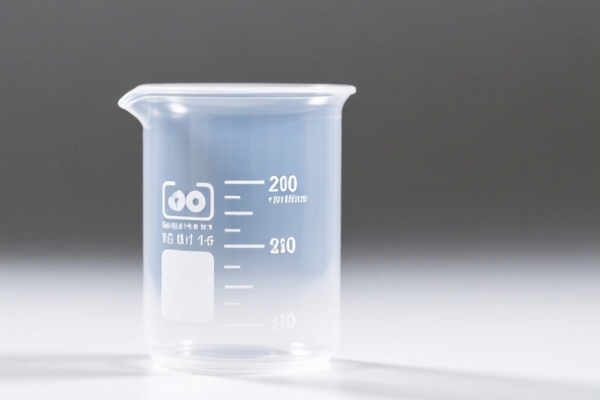
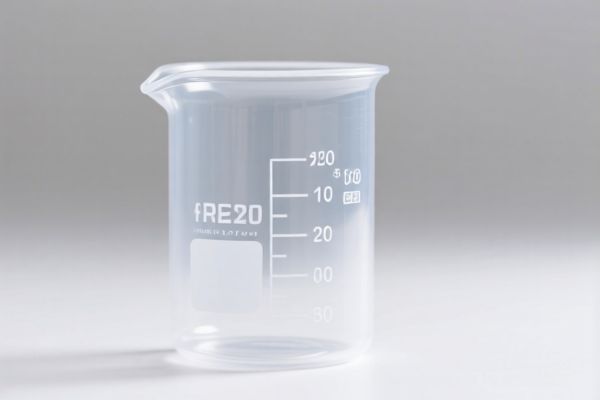
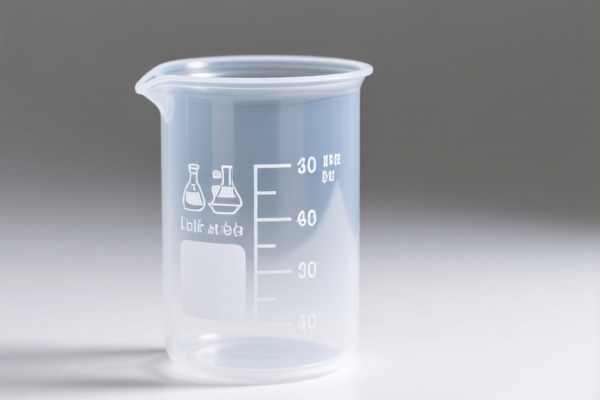
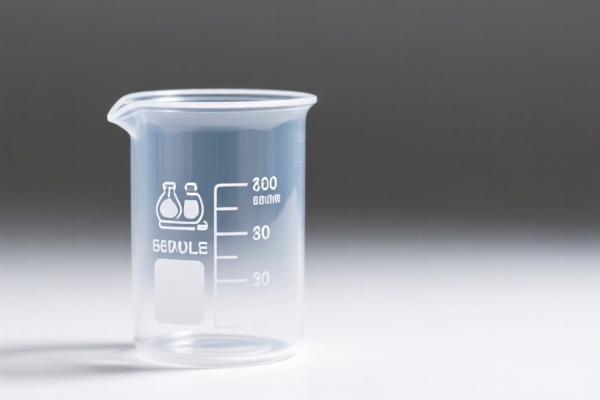
AI Analysis
🧪 Beakers: The Essential Laboratory Glassware
---
🌐 HS Code Reference & Clearance Guide | 2026 Latest Tariff Analysis | Professional Entry Strategy
📌 I. Product Definition and Classification: Do You Truly Understand "Beakers"?
A beaker is a cylindrical container with a flat bottom, widely used in laboratories, cooking, and industrial settings. In international trade, the classification of a beaker depends entirely on its material, intended use, and form.
Glass Beakers: Used for chemical reactions, heating, and mixing in labs.
Plastic Beakers: Used for storage, mixing, or non-heat applications in labs or food industries.
Metal Beakers: Camping gear, kitchenware, or industrial containers.
⚠️ Key Distinction Point:
- If it is glass and used for general laboratory purposes → Often classified under 7013 (Glassware of a kind used for table, kitchen, toilet, office, indoor decoration or similar purposes) or 7017 (Laboratory, chemical or medical glassware) depending on specific shape and marking.
- If it is plastic and used as kitchenware/tableware → 3924.10.
- If it is plastic and used for laboratory storage/mixing (not heat-resistant) → 3924.10 or 3926.90.
- If it is stainless steel (e.g., camping or kitchen) → 7323.99.
📦 II. HS Code Classification Details (2026 Latest Tariff Authority Comparison)
| HS Code | Product Description | Applicable Scenario | Material |
|---|---|---|---|
3924.10.40.00 |
Plastic tableware, kitchenware, or other household articles | Plastic beaker/cup for daily use or food service | ✅ Plastic |
7323.99.90.30 |
Table, kitchen, or other household articles of iron or steel | Stainless steel beaker/cup (e.g., camping mug) | ✅ Stainless Steel |
7615.10.71.55 |
Kitchen or table ware of aluminum | Aluminum beaker/cup | ✅ Aluminum |
3924.10.20.00 |
Plastic tableware and kitchenware | Plastic beaker/cup (general plastic kitchenware) | ✅ Plastic |
7323.93.00.45 |
Other table, kitchen, or other household articles of stainless steel | Stainless steel cooking/kitchen vessel | ✅ Stainless Steel |
🔍 Important Reminder:
- Plastic beakers intended for food/daily use fall under 3924.10.
- Metal beakers (stainless steel/aluminum) intended for kitchen or camping use fall under 7323 or 7615.
- Laboratory Glass Beakers are not listed in the provided DATA, implying this analysis focuses on plastic and metal variants as per the input data.
💰 III. 2026 Latest Tariff Rate Detailed Explanation (Including Surcharges)
✅ Applicable Country: United States (US)
✅ Origin: China (CN)
✅ Effective Date: Post-2025 importations (including Section 301 and IEEPA tariffs)
🎯 1. 3924.10.40.00 —— Plastic Tableware/Household Articles (Plastic Beaker)
| Item | Content |
|---|---|
| Base Duty | 3.4% |
| Additional Duty (301) | 0.0% (Note: Data shows 0%, but check current status; data says 0.0%) |
| Section 232/IEEPA/Special | 10% |
| Total Rate | 13.4% |
| Tax Calculation | CIF Value × 13.4% |
| De Minimis Exemption | ❌ Not Available (High tax rate usually disqualifies from 804.51 exemption if total exceeds threshold, but specifically, high duty items often scrutinized) |
| Legal Basis Path | Base: 3.4% → IEEPA: 10% → Total: 13.4% |
📌 Explanation:
- Plastic household items generally have lower base tariffs.
- The 10% additional tariff applies due to specific trade policies.
- Total 13.4% is relatively moderate compared to metal goods.
🎯 2. 7323.99.90.30 —— Stainless Steel Tableware/Kitchenware (Stainless Steel Beaker)
| Item | Content |
|---|---|
| Base Duty | 3.4% |
| Additional Duty (301) | 25.0% |
| Section 232/IEEPA/Special | 10% + 50% (Steel/Aluminum/Copper Surcharge) |
| Total Rate | 88.4% |
| Tax Calculation | CIF Value × 88.4% |
| De Minimis Exemption | ❌ Not Available |
| Legal Basis Path | Base: 3.4% → 301: 25% → IEEPA: 10% → Steel Surcharge: 50% → Total: 88.4% |
📌 Warning:
- This is an EXTREMELY HIGH tariff rate.
- The 50% steel surcharge is the key driver, in addition to 301 tariffs and base duties.
- Importing stainless steel kitchenware/beakers from China is highly costly.
🎯 3. 7615.10.71.55 —— Aluminum Tableware/Kitchenware (Aluminum Beaker)
| Item | Content |
|---|---|
| Base Duty | 3.1% |
| Additional Duty (301) | 0.0% |
| Section 232/IEEPA/Special | 10% + 50% (Steel/Aluminum/Copper Surcharge) |
| Total Rate | 63.1% |
| Tax Calculation | CIF Value × 63.1% |
| De Minimis Exemption | ❌ Not Available |
| Legal Basis Path | Base: 3.1% → IEEPA: 10% → Aluminum Surcharge: 50% → Total: 63.1% |
📌 Warning:
- Aluminum goods also face the 50% surcharge.
- Total 63.1% makes aluminum beakers significantly more expensive to import than plastic ones.
🎯 4. 3924.10.20.00 —— Other Plastic Tableware/Kitchenware
| Item | Content |
|---|---|
| Base Duty | 6.5% |
| Additional Duty (301) | 7.5% |
| Section 232/IEEPA/Special | 10% |
| Total Rate | 24.0% |
| Tax Calculation | CIF Value × 24.0% |
| De Minimis Exemption | ❌ Not Available |
| Legal Basis Path | Base: 6.5% → 301: 7.5% → IEEPA: 10% → Total: 24.0% |
📌 Note:
- Slightly higher base duty (6.5%) than the previous plastic code.
- Additional 7.5% 301 tariff applies here.
- Total 24.0% is still much lower than metal alternatives.
🎯 5. 7323.93.00.45 —— Stainless Steel Cooking/Kitchenware
| Item | Content |
|---|---|
| Base Duty | 2.0% |
| Additional Duty (301) | 0.0% |
| Section 232/IEEPA/Special | 10% + 50% (Steel/Aluminum/Copper Surcharge) |
| Total Rate | 62.0% |
| Tax Calculation | CIF Value × 62.0% |
| De Minimis Exemption | ❌ Not Available |
| Legal Basis Path | Base: 2.0% → IEEPA: 10% → Steel Surcharge: 50% → Total: 62.0% |
📌 Note:
- Lower base duty (2.0%) but still subject to the heavy 50% steel surcharge.
- Total 62.0% is comparable to the aluminum code.
🛠️ IV. Clearance Practical Advice (Real-World Pitfall Avoidance Guide)
✅ 1. Material Declaration is Critical
| Material | Recommended HS Code | Total Tax | Risk Level |
|---|---|---|---|
| Plastic | 3924.10.40.00 or 3924.10.20.00 |
13.4% ~ 24.0% | 🟢 Low |
| Stainless Steel | 7323.99.90.30 or 7323.93.00.45 |
62.0% ~ 88.4% | 🔴 Critical |
| Aluminum | 7615.10.71.55 |
63.1% | 🔴 Critical |
🔥 Core Strategy:
- If your "beaker" is for camping or kitchen use, consider if it can be made of plastic to save 60%+ in tariffs.
- If it must be metal, budget for the 50% steel/aluminum surcharge. There is no workaround.
✅ 2. Documentation Checklist
| Document | Required | Notes |
|---|---|---|
| ✅ Product Spec Sheet | ✔️ | Must specify material (Plastic/Stainless/Aluminum). |
| ✅ Material Composition Report | ✔️ | Proving it is 18/8 Stainless Steel or specific Plastic (PP/Tritan). |
| ✅ Product Photos | ✔️ | Show shape, markings, and use context (kitchen vs. lab). |
| ✅ Commercial Invoice | ✔️ | Clearly state "Plastic Beaker" or "Stainless Steel Camping Cup". |
| ✅ Country of Origin | ✔️ | China origin triggers additional tariffs. |
✅ 3. Special Handling Tips
| Situation | Advice |
|---|---|
| OEM Custom Beakers | Ensure the material match the HS code exactly. If plastic, do not label as "Metal-Free" ambiguously. |
| Mixed Containers | If shipping both plastic and metal beakers, classify separately. Do not lump under one code. |
| Laboratory vs. Kitchen | If it’s a glass lab beaker, it may fall under different HS codes (not in this data). Clarify with customs broker if it’s glass. |
| Avoid "Steel Surcharge" if Possible | Consider sourcing metal beakers from non-China countries if feasible, as the 50% surcharge is specific to certain trade policies. |
🌍 V. Global Market Comparison (2026 Latest)
| Country/Region | Recommended HS Code | Estimated Tax (China Origin) | Notes |
|---|---|---|---|
| 🇺🇸 USA | 3924.10.40.00 (Plastic) |
13.4% | Lowest tax option. |
| 🇺🇸 USA | 7323.99.90.30 (Steel) |
88.4% | Highest tax option. |
| 🇪🇺 EU | N/A | Varies | EU does not have the 50% steel surcharge; typically 4.5-12%. |
| 🇨🇳 China | N/A | N/A | Import into China has different rules. |
📌 Conclusion:
- The US market is harsh on metal tableware from China due to the 50% surcharge.
- Plastic alternatives offer a significant cost advantage (13.4% vs 88.4%).
- Always verify if your product can be classified as plastic if functionally appropriate.
📌 VI. Common Errors & Pitfalls (Lessons Learned)
❌ Error 1: Declaring a stainless steel beaker as plastic
👉 Consequence: Fraud detection, seizure, heavy fines, and legal action.
❌ Error 2: Ignoring the 50% Steel/Aluminum Surcharge
👉 Consequence: Unexpected tax bill of 62-88% instead of 2-4%. Budget collapse.
❌ Error 3: Mixing Glass Lab Beakers with Plastic Kitchen Beakers
👉 Consequence: Incorrect classification. Glass beakers have different HS codes (e.g., 7013/7017). Ensure correct material declaration.
✅ Correct Action:
- Plastic:
3924.10.40.00– "Plastic Beaker for Household Use"- Steel:
7323.99.90.30– "Stainless Steel Camping Beaker"- Aluminum:
7615.10.71.55– "Aluminum Beaker for Kitchen/Camping"
🎯 VII. Conclusion: Professional Classification Saves Money!
🎯 Remember the Rule:
🔹 "Plastic is Cheap (13-24%), Metal is Expensive (62-88%)!"
🔹 "Steel/Aluminum Surcharge is 50% – Do Not Ignore It!"
🔹 "Material Determines Tax – Declare Accurately!"
📌 Pro Tip:
If your beaker is for laboratory use only and not kitchen/tableware, it might fall under 7017 (Laboratory Glassware) or 3926 (Plastic Lab Ware), which may have different tariff structures. However, based on the provided DATA, the focus is on household/kitchen items. Always consult a customs broker to confirm if "Laboratory Use" qualifies for a different HS code.
📣 Immediate Action:
📞 Contact a customs broker with material specifications.
📄 Apply for a Binding Ruling if importing large volumes of metal beakers.
🚀 Opt for plastic materials where possible to minimize tariff impact.
✨ Professional Clearance Starts with Accurate Classification!
💼 Your Cost Efficiency Depends on the Right HS Code!
Customer Reviews
About HS Code Classification
The Harmonized System (HS) is an internationally standardized nomenclature developed by the World Customs Organization (WCO) to classify traded products. Over 200 countries use the HS system as the basis for customs tariffs, trade statistics, and import/export regulations.
Each HS code follows a hierarchical structure:
- Chapter (2 digits) — Broad category of goods (e.g., Chapter 84: Machinery and Mechanical Appliances)
- Heading (4 digits) — More specific grouping within the chapter
- Subheading (6 digits) — Internationally standardized breakdown, used by all WCO member countries
- National subdivisions (8-10 digits) — Country-specific extensions for further classification, such as US HTSUS 10-digit codes
Correct HS code classification is essential for smooth customs clearance, accurate duty payment, and compliance with trade regulations. Misclassification can lead to customs delays, overpayment of duties, or penalties.
When importing from CN to US, the applicable tariff rates may include:
- Most-Favored-Nation (MFN) rate — The standard duty rate applied to WTO members
- General rate — Applied to countries without trade agreements
- Trade remedy duties — Additional tariffs such as Section 301 (anti-dumping), Section 232 (national security), or countervailing duties
The information provided on this page is for reference purposes only. For official classification, please consult with your local customs authority or a licensed customs broker.