Beauty Sponge
CN → US| HS Code | Tariff Rate | Origin | Destination | Doc |
|---|---|---|---|---|
| 3926903500 | 24.0% | CN | US | Official Doc |
| 4016990500 | 20.9% | CN | US | Official Doc |
| 3926909989 | 22.8% | CN | US | Official Doc |
| 4016100000 | 35.0% | CN | US | Official Doc |
Product Images
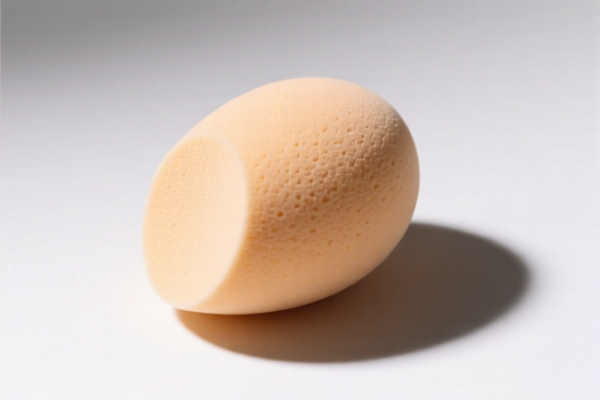
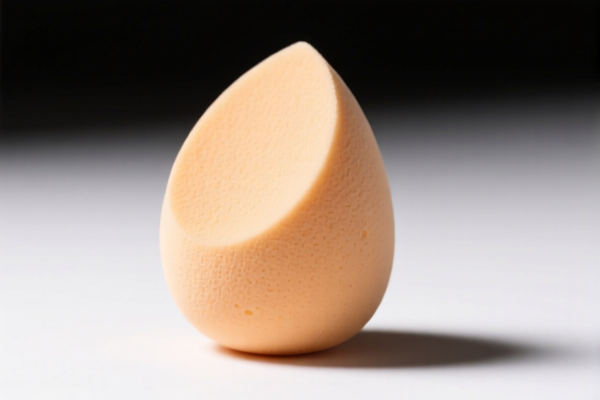
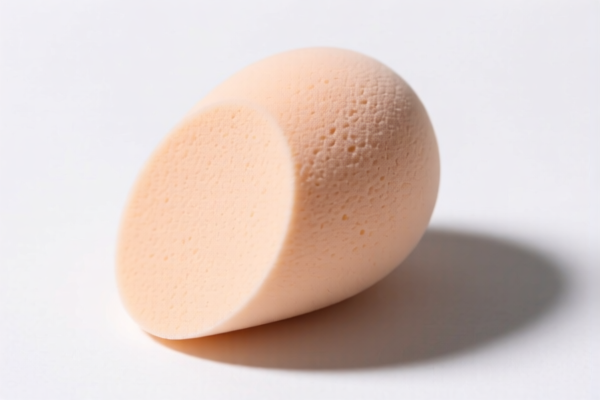
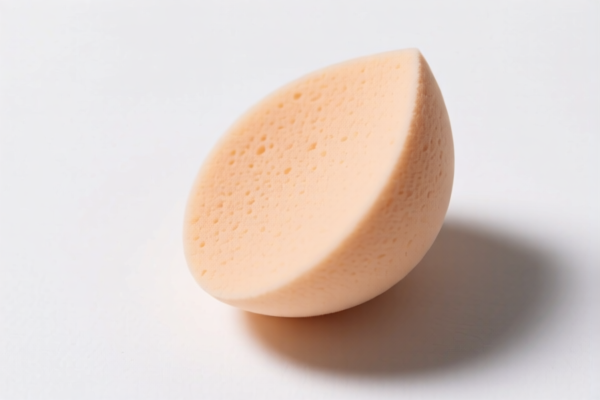
AI Analysis
🌸 Beauty Sponge (Makeup Sponges)
🌐 HS Code Reference & Customs Clearance Guide | 2026 Latest Tariff Analysis | Professional Entry Strategy
📌 I. Product Definition & Classification: Do You Really Know the "Beauty Sponge"?
Beauty sponges, widely used in cosmetics application, are essentially porous polyurethane or synthetic rubber products. In international trade, their classification depends heavily on the material composition and processing method. They are generally categorized into two main groups:
- Plastic-Based Sponges: Made from porous polyurethane (PU) or similar plastic materials.
- Rubber-Based Sponges: Made from vulcanized rubber or synthetic elastic materials.
⚠️ Key Distinction Point:
- If the sponge is made from porous polyurethane (most common for makeup blenders like the "beauty blender") → It is typically classified under Chapter 39 (Plastics).
- If the sponge is made from vulcanized rubber or specific synthetic elastomers → It may fall under Chapter 40 (Rubber).
- Critical Note: Misclassification can lead to significantly different duty rates due to Section 301 and IEEPA tariffs.
📦 II. HS Code Classification Details (2026 Latest Tariff Authoritative Comparison)
| HS Code | Product Description | Application Scenario | Material Type |
|---|---|---|---|
3926.90.35.00 |
Other plastic articles: Polyurethane sponge, not elsewhere specified | Common makeup sponges, porous PU blocks | ✅ Plastic (PU) |
4016.99.05.00 |
Other articles of vulcanized rubber: Household items | Rubber-based makeup sponges, bath sponges | ✅ Rubber/Elastomer |
3926.90.99.89 |
Other plastic articles: Not elsewhere specified | Generic plastic sponges, mixed material sponges | ✅ Plastic (Generic) |
4016.10.00.00 |
Other articles of cellular rubber | Porous polyurethane or similar synthetic rubber classified as rubber | ✅ Rubber (Cellular) |
🔍 Important Reminder:
- Most commercial makeup beauty sponges are made of porous polyurethane, so they usually fall under Chapter 39 (Plastics) rather than Chapter 40.
- However, if the manufacturer declares it as "vulcanized rubber" or "synthetic elastic body," it may be classified under Chapter 40.
- Customs may challenge the classification if the material description is vague. Always provide Material Safety Data Sheets (MSDS) or composition certificates.
💰 III. 2026 Latest Tariff Rate Details (Including Additional Taxes & Policy Add-ons)
✅ Applicable Country: United States (US)
✅ Origin: China (CN)
✅ Effective Date: November 10, 2025 onwards (including subsequent imports)
🎯 1. 3926.90.35.00 —— Polyurethane Plastic Sponge (Plastic-based)
| Item | Content |
|---|---|
| Base Tariff Rate | 6.5% (ad valorem) |
| Section 301 Additional Tariff | +7.5% |
| IEEPA Additional Tariff | +10% (Targeting China/HK products) |
| Total Tariff Rate | 24.0% |
| Tax Calculation | CIF Value × 24% |
| De Minimis Eligibility | ❌ No (deny_de_minimis) |
| Legal Basis Path | IEEPA:9903.01.25 → IEEPA:9903.01.24 → USITC:3926.90.35.00 → FOOTNOTE:9903.88.01 |
📌 Explanation:
- The 7.5% is part of the Section 301 tariff package for specific plastic products;
- The 10% IEEPA tax applies to most Chinese-origin consumer goods;
- Total 24% is considered moderate to high for low-cost cosmetic items. Profit margins must be carefully calculated.
🎯 2. 4016.99.05.00 —— Vulcanized Rubber Household Items (Rubber-based)
| Item | Content |
|---|---|
| Base Tariff Rate | 3.4% (ad valorem) |
| Section 301 Additional Tariff | +7.5% |
| IEEPA Additional Tariff | +10% |
| Total Tariff Rate | 20.9% |
| Tax Calculation | CIF × 20.9% |
| De Minimis Eligibility | ❌ No |
| Legal Basis Path | IEEPA:9901.25 → IEEPA:9903.01.24 → USITC:4016.99.05.00 → FOOTNOTE:9903.88.01 |
📌 Note:
- This rate is slightly lower than the plastic-based classification;
- However, misdeclaring a PU sponge as rubber to gain 3.1% savings is high-risk and may lead to customs penalties or audits.
🎯 3. 3926.90.99.89 —— Other Plastic Articles (Generic Plastic)
| Item | Content |
|---|---|
| Base Tariff Rate | 5.3% (ad valorem) |
| Section 301 Additional Tariff | +7.5% |
| IEEPA Additional Tariff | +10% |
| Total Tariff Rate | 22.8% |
| Tax Calculation | CIF × 22.8% |
| De Minimis Eligibility | ❌ No |
| Legal Basis Path | IEEPA:9903.01.25 → IEEPA:9903.01.24 → USITC:3926.90.99.89 → FOOTNOTE:9903.88.01 |
📌 Note:
- This is a catch-all classification for plastic products not specifically listed;
- Use only if the product does not fit precisely into3926.90.35.00;
- Customs may require additional documentation to prove it’s not a "more specific" plastic item.
🎯 4. 4016.10.00.00 —— Cellular Rubber Articles (Rubber-based)
| Item | Content |
|---|---|
| Base Tariff Rate | 0.0% (ad valorem) |
| Section 301 Additional Tariff | +25.0% |
| IEEPA Additional Tariff | +10% |
| Total Tariff Rate | 35.0% |
| Tax Calculation | CIF × 35.0% |
| De Minimis Eligibility | ❌ No |
| Legal Basis Path | IEEPA:9903.01.25 → IEEPA:9903.01.24 → USITC:4016.10.00.00 → FOOTNOTE:9903.88.01 |
📌 Warning:
- Although the base rate is 0%, the Section 301 rate is 25% (higher than other categories);
- Total 35% is the highest among all options;
- Avoid this classification unless the product is definitively cellular rubber and no other category fits.
🛠️ IV. Customs Clearance Practical Advice (Battlefield Pit-avoidance Guide)
✅ 1. Required Document Checklist (None Can Be Missing)
| Document | Must Provide | Explanation |
|---|---|---|
| ✅ Product Specification Sheet | ✔️ | Includes dimensions, material composition (PU vs. Rubber), density, hardness |
| ✅ Material Composition Certificate | ✔️ | Proves whether it’s PU plastic or vulcanized rubber |
| ✅ Product Photos (Clear Label) | ✔️ | Shows shape, packaging, and any markings |
| ✅ Third-Party Test Report | ✔️ | SGS, Intertek, or BV report confirming material type |
| ✅ Commercial Invoice | ✔️ | Must clearly state "Beauty Sponge, Porous Polyurethane, for Cosmetics" |
| ✅ Packing List | ✔️ | Details quantity, weight, and package type |
| ✅ Origin Certificate (CO) | ✔️ | If not from China, may apply for preferential rates |
✅ 2. Declaration Tips (Key Mantra)
🔥 “Material First, Code Second, Declare Accurately, Avoid Penalties!”
| Situation | Correct Declaration | Wrong Practice |
|---|---|---|
| PU Beauty Sponge | 3926.90.35.00 with "Polyurethane" in description |
Misdeclare as rubber → Risk of audit |
| Rubber Makeup Sponge | 4016.99.05.00 |
Misdeclare as plastic → Slight risk, but less common |
| Mixed Material Sponge | 3926.90.99.89 |
Declare as specific code without proof |
| Cellular Rubber Sponge | 4016.10.00.00 |
Avoid unless 100% sure; high tax |
✅ 3. Special Case Handling
| Situation | Handling Advice |
|---|---|
| OEM Custom Sponges | Provide design sketches + material certs to avoid "generic" classification |
| Pre-packaged Cosmetic Kits | Declare as "Beauty Sponge" separately; do not bundle under "Cosmetic Set" unless it’s a full kit |
| Plastic vs. Rubber Dispute | Submit MSDS or SGS Report proving composition; customs will accept scientific evidence |
| High-Value Luxury Sponges | Ensure proper valuation; customs may challenge low declared values |
🌍 V. Global Market Clearance Comparison (2026 Latest)
| Country/Region | Recommended HS Code | Tariff | Certification Requirements | Notes |
|---|---|---|---|---|
| 🇺🇸 USA | 3926.90.35.00 |
24.0% (China) | FDA (if contact with skin long-term), Prop 65 | High tax, strict material proof |
| 🇨🇳 China | 3926.90.35.00 |
5% | GB Standards | No additional tariffs |
| 🇪🇺 EU | 3926.90.99 |
0–6% | REACH, CPSR | Low tax, strict chemical compliance |
| 🇬🇧 UK | 3926.90.99 |
0–6% | UKCA | Similar to EU |
| 🇦🇺 Australia | 3926.90.35 |
5% | ACS | Low tax |
📌 Conclusion:
- USA is the most expensive market due to Section 301 and IEEPA tariffs;
- EU and UK are more lenient but require strict chemical compliance (REACH);
- China domestic trade has low tariffs, making it ideal for local sales.
📌 VI. Common Mistakes & Pit-avoidance Guide (Lessons Learned)
❌ Mistake 1: Declaring PU sponge as "Rubber" to save 3%
👉 Consequence: Customs audit, penalties, and potential back-taxes + fines!
❌ Mistake 2: Vague description "Makeup Tool" without material specification
👉 Consequence: Customs assigns default high-rate code → Higher tax!
❌ Mistake 3: Ignoring IEEPA 10% tax in cost calculation
👉 Consequence: Profit margin erosion, unexpected cost surge!
❌ Mistake 4: Mixing PU and rubber sponges in one shipment without separate declaration
👉 Consequence: Classification error, delay, or rejection!
✅ Correct Practice:
“Beauty Blender, Porous Polyurethane Sponge, Pink, for Cosmetic Application, Model XYZ, SGS Certified, HS Code 3926.90.35.00”
🎯 VII. Conclusion: Professional Declaration, Save Time & Money!
🎯 Remember the Mantra:
🔹 “Material Determines Code, Code Determines Tax, Declare Accurately, Save Thousands!”
🔹 “PU Sponge: 24%, Rubber: 20.9%, Generic: 22.8%, Cellular: 35%. Choose Wisely!”
📌 Pro Tip:
If your beauty sponges are originating from Vietnam, Mexico, Thailand, or Malaysia, you may apply for IEEPA Exemption, reducing rates to 0–5%;
Recommend applying for an Advance Ruling before shipment to avoid clearance risks.
📣 Take Action Now:
📞 Contact a Professional Customs Broker + Provide Product Photos + Apply for HS Code Advance Ruling
🚀 Let your beauty sponges clear customs smoothly, boost profits, and expand globally!
✨ Professional Clearance Starts with Accurate Classification!
💼 Every Penny Saved is Profit Earned!
Customer Reviews
About HS Code Classification
The Harmonized System (HS) is an internationally standardized nomenclature developed by the World Customs Organization (WCO) to classify traded products. Over 200 countries use the HS system as the basis for customs tariffs, trade statistics, and import/export regulations.
Each HS code follows a hierarchical structure:
- Chapter (2 digits) — Broad category of goods (e.g., Chapter 84: Machinery and Mechanical Appliances)
- Heading (4 digits) — More specific grouping within the chapter
- Subheading (6 digits) — Internationally standardized breakdown, used by all WCO member countries
- National subdivisions (8-10 digits) — Country-specific extensions for further classification, such as US HTSUS 10-digit codes
Correct HS code classification is essential for smooth customs clearance, accurate duty payment, and compliance with trade regulations. Misclassification can lead to customs delays, overpayment of duties, or penalties.
When importing from CN to US, the applicable tariff rates may include:
- Most-Favored-Nation (MFN) rate — The standard duty rate applied to WTO members
- General rate — Applied to countries without trade agreements
- Trade remedy duties — Additional tariffs such as Section 301 (anti-dumping), Section 232 (national security), or countervailing duties
The information provided on this page is for reference purposes only. For official classification, please consult with your local customs authority or a licensed customs broker.