Bed Headboard Insert
CN → US| HS Code | Tariff Rate | Origin | Destination | Doc |
|---|---|---|---|---|
| 9403910080 | 35.0% | CN | US | Official Doc |
| 3926305000 | 22.8% | CN | US | Official Doc |
| 4418999195 | 38.2% | CN | US | Official Doc |
Product Images
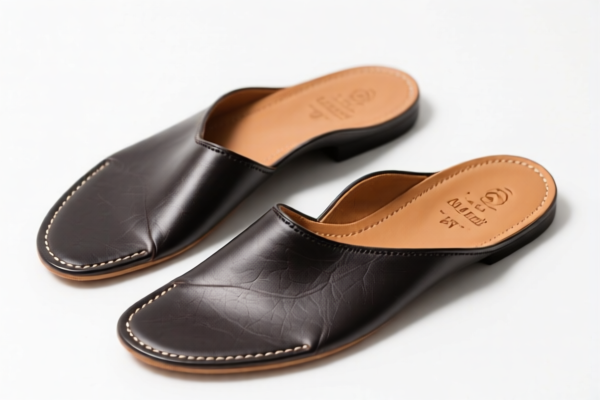
AI Analysis
🛏️ Bed Headboard Insert (床头板插入件)
🌐 HS Code Reference & Customs Clearance Guide | 2026 Latest Tariff Analysis | Professional Clearance Strategy
📌 I. Product Definition & Classification: Do You Really Understand "Headboard Inserts"?
A Bed Headboard Insert is a component part of a bed frame, specifically designed to fit into or attach to the main structure of a headboard. In international trade, its classification depends heavily on its material composition and functional nature. It is generally treated as a furniture part/accessory.
There are three primary classification paths based on common materials: 1. Furniture Parts (Wood/Metal/General): If viewed as an integral part of the furniture, classified under Chapter 94. 2. Plastic Components: If primarily made of plastic connectors/brackets, classified under Chapter 39. 3. Wooden Architectural/Furniture Components: If made of wood and shaped like a specific architectural or furniture molding/insert, classified under Chapter 44.
⚠️ Key Distinction Point:
- Is it a finished furniture part ready for assembly? → HS 9403.91
- Is it a plastic connector/fastener? → HS 3926.30
- Is it a wooden structural insert/molding? → HS 4418.99
📦 II. HS Code Classification Details (2026 Latest Tariff Authority Comparison)
| HS Code | Product Description | Applicable Scenario | Tax Rate (Total) |
|---|---|---|---|
9403.91.00.80 |
Parts of furniture (Other than metal furniture parts) | General headboard inserts, wooden/metal frames, upholstered parts. Classified under "Other furniture parts." | 35.0% |
3926.30.50.00 |
Other articles of plastics (Connecting pieces/fittings) | Plastic brackets, connectors, or inserts used in headboard assembly. Classified as plastic fittings. | 22.8% |
4418.99.91.95 |
Builders' joinery and carpentry (Other wooden articles) | Wooden inserts, moldings, or structural wooden pieces for headboards. Classified as wooden building/furniture components. | 38.2% |
🔍 Key Reminder:
- Do not misclassify a plastic insert as wood to avoid audit risks; material consistency is key.
- Furniture Parts (9403) is the most common classification for general headboard inserts, but Plastic (3926) offers a lower tax rate if the item is purely plastic connectors.
- Wooden Inserts (4418) are treated as "builders' joinery" or specific wooden components, often attracting higher duties due to the "122 Clause" and Section 301 tariffs.
💰 III. 2026 Latest Tariff Rate Breakdown (Including Additional Duties & Policy Surcharges)
✅ Applicable Country: United States (US)
✅ Origin: China (CN)
✅ Effective Date: Ongoing (Includes subsequent imports under current trade policies)
🎯 1. 9403.91.00.80 —— Furniture Parts (General)
| Item | Content |
|---|---|
| Base Duty Rate | 0.0% (Ad Valorem) |
| Section 301 Surcharge | +25.0% (Based on USITC Footnote for Chinese Furniture Parts) |
| Section 122 Surcharge | +10.0% (Specific additional duty for certain Chinese goods) |
| Total Effective Rate | 35.0% |
| Tax Calculation | CIF Value × 35% |
| De Minimis Exemption | ❌ Not Eligible (Deny De Minimis) |
| Legal Basis Path | Section 301: Footnote 1 → Section 122: Specific Provision → USITC:9403.91.00.80 |
📌 Explanation:
- The 0% base rate reflects the standard MFN rate for furniture parts.
- The 25% Section 301 tariff is the primary additional duty on Chinese furniture components.
- The 10% Section 122 tariff is an additional surcharge applied to specific Chinese products.
- Total 35% is a significant cost factor for wooden/metal furniture parts.
🎯 2. 3926.30.50.00 —— Plastic Connecting Pieces
| Item | Content |
|---|---|
| Base Duty Rate | 5.3% (Ad Valorem) |
| Section 301 Surcharge | +7.5% (Reduced rate for specific plastic categories under certain exclusions/adjustments) |
| Section 122 Surcharge | +10.0% |
| Total Effective Rate | 22.8% |
| Tax Calculation | CIF Value × 22.8% |
| De Minimis Exemption | ❌ Not Eligible (Deny De Minimis) |
| Legal Basis Path | Section 301: Footnote 1 → Section 122: Specific Provision → USITC:3926.30.50.00 |
📌 Note:
- This is the most cost-effective option if the insert is made of plastic.
- The base rate of 5.3% is lower than wood/furniture parts.
- The Section 301 surcharge is 7.5% instead of 25%, making the total 22.8%, which is 12.2% lower than the furniture part classification.
- Ensure the product is genuinely a "plastic connecting piece" and not a finished furniture part.
🎯 3. 4418.99.91.95 —— Wooden Builders' Joinery/Furniture Components
| Item | Content |
|---|---|
| Base Duty Rate | 3.2% (Ad Valorem) |
| Section 301 Surcharge | +25.0% (Standard rate for wooden products) |
| Section 122 Surcharge | +10.0% |
| Total Effective Rate | 38.2% |
| Tax Calculation | CIF Value × 38.2% |
| De Minimis Exemption | ❌ Not Eligible (Deny De Minimis) |
| Legal Basis Path | Section 301: Footnote 1 → Section 122: Specific Provision → USITC:4418.99.91.95 |
📌 Explanation:
- Although the base rate is low (3.2%), the 25% Section 301 tariff pushes the total to 38.2%, the highest among the three options.
- Wooden inserts are often scrutinized more heavily as "builders' joinery" or specific wooden goods.
- High Risk: Misdeclaring a wooden insert as plastic to avoid this rate can lead to customs penalties.
🛠️ IV. Customs Clearance Practical Advice (Real-World Pitfall Avoidance Guide)
✅ 1. Documentation Checklist (Must-Have)
| Document | Required | Description |
|---|---|---|
| ✅ Product Specification Sheet | ✔️ | Must detail material (Wood/Plastic/Metal), dimensions, and function. |
| ✅ Material Composition Certificate | ✔️ | Critical for distinguishing between HS 3926 (Plastic) and HS 9403/4418. |
| ✅ Product Photos | ✔️ | Clear images showing the insert’s shape, connection points, and material texture. |
| ✅ Bill of Lading / Commercial Invoice | ✔️ | Must accurately describe the item as "Headboard Insert" and specify material. |
| ✅ Packing List | ✔️ | Itemize inserts separately if not packed with the main bed frame. |
✅ 2. Declaration Strategy (Key Mantra)
🔥 “Material Defines Code, Insert is Not ‘Furniture’ Alone!”
| Scenario | Correct Declaration | Wrong Practice |
|---|---|---|
| Plastic Connector | 3926.30.50.00 |
Misdeclare as 9403.91.00.80 → Higher Tax (35%) |
| Wooden Molding/Insert | 4418.99.91.95 |
Misdeclare as 3926.30.50.00 → Customs Audit/Fines |
| General Furniture Part | 9403.91.00.80 |
Misdeclare as 3926.30.50.00 → If not plastic, Risk |
| Headboard as a Whole | 9403.50.00.00 (Not in data, but for reference) |
Do not split finished goods into parts to avoid duties → Invalid |
📌 Advice:
- If your insert is plastic, strongly consider classifying under3926.30.50.00to save 12.2% in duties.
- If it is wooden, prepare for the 38.2% rate under4418.99.91.95.
- Ensure the commercial invoice explicitly states the material (e.g., "Plastic Headboard Connector" vs. "Wooden Headboard Insert") to match the HS Code.
🌍 V. Global Market Comparison (2026 Latest)
| Country/Region | Recommended HS Code | Total Tariff (China Origin) | Certification Required | Notes |
|---|---|---|---|---|
| 🇺🇸 USA | 3926.30.50.00 (Plastic) |
22.8% | None | Lowest duty among the three options. |
| 🇺🇸 USA | 9403.91.00.80 (Furniture Part) |
35.0% | None | Common for general inserts. |
| 🇺🇸 USA | 4418.99.91.95 (Wood) |
38.2% | None | Highest duty; avoid if possible. |
| 🇨🇳 China | 9403.91.00.00 |
5-10% (Varies) | CCC (if applicable) | Lower duties in domestic trade. |
| 🇪🇺 EU | 9403.90.00 |
2-4% | CE (if applicable) | No Section 301/122 tariffs. |
📌 Conclusion:
- USA is the only market with significant Section 301 and Section 122 surcharges.
- Plastic inserts (3926.30.50.00) offer the best tariff advantage for US-bound goods from China.
- Consider supply chain adjustment (e.g., sourcing plastic components from non-China origins) if duties are prohibitive.
📌 VI. Common Mistakes & Pitfall Avoidance (Lessons Learned)
❌ Mistake 1: Declaring a plastic insert as a furniture part (9403.91)
👉 Consequence: Paying 35% instead of 22.8%. Loss of $12.20 per $100 value!
❌ Mistake 2: Declaring a wooden insert as a plastic connector (3926.30)
👉 Consequence: Customs audit, seizure, or fines. Material mismatch is easily detected.
❌ Mistake 3: Not specifying material in the invoice
👉 Consequence: Customs may assign the highest possible rate or delay clearance.
❌ Mistake 4: Treating the insert as a "general item" without HS Code specificity
👉 Consequence: Incorrect classification, potential penalties, and denial of de minimis (if applicable to other goods).
✅ Correct Practice:
"Plastic Headboard Connector, Model XYZ, Material: PP Plastic, For Bed Assembly"
OR
"Wooden Headboard Insert, Model ABC, Material: Pine Wood, For Furniture Assembly"
🎯 VII. Conclusion: Precise Classification Saves Money!
🎯 Remember the Mantra:
🔹 "Plastic Wins! 22.8% vs 35% or 38.2%"
🔹 "Material Matters: Wood is Expensive, Plastic is Smarter!"
🔹 "Don't Split Finished Goods: Classify as Parts or Finish!"
📌 Pro Tip:
If you have high-volume shipments of plastic headboard inserts, consider applying for a Section 301 Exclusion (if available) or working with a licensed customs broker to ensure the 3926.30.50.00 classification is accepted.
📣 Immediate Action:
📞 Contact a Customs Broker + Provide Material Test Reports + Apply for Pre-Ruling (if uncertain)
🚀 Optimize Your Supply Chain for Tariff Efficiency!
✨ Professional Clearance Starts with Accurate Classification!
💼 Every Percent Saved is Pure Profit!
Customer Reviews
About HS Code Classification
The Harmonized System (HS) is an internationally standardized nomenclature developed by the World Customs Organization (WCO) to classify traded products. Over 200 countries use the HS system as the basis for customs tariffs, trade statistics, and import/export regulations.
Each HS code follows a hierarchical structure:
- Chapter (2 digits) — Broad category of goods (e.g., Chapter 84: Machinery and Mechanical Appliances)
- Heading (4 digits) — More specific grouping within the chapter
- Subheading (6 digits) — Internationally standardized breakdown, used by all WCO member countries
- National subdivisions (8-10 digits) — Country-specific extensions for further classification, such as US HTSUS 10-digit codes
Correct HS code classification is essential for smooth customs clearance, accurate duty payment, and compliance with trade regulations. Misclassification can lead to customs delays, overpayment of duties, or penalties.
When importing from CN to US, the applicable tariff rates may include:
- Most-Favored-Nation (MFN) rate — The standard duty rate applied to WTO members
- General rate — Applied to countries without trade agreements
- Trade remedy duties — Additional tariffs such as Section 301 (anti-dumping), Section 232 (national security), or countervailing duties
The information provided on this page is for reference purposes only. For official classification, please consult with your local customs authority or a licensed customs broker.