Bed linen of cotton
CN → US| HS Code | Tariff Rate | Origin | Destination | Doc |
|---|---|---|---|---|
| 5208112040 | 42.0% | CN | US | Official Doc |
| 6302215010 | 38.4% | CN | US | Official Doc |
| 6302219010 | 24.2% | CN | US | Official Doc |
| 6117809510 | 32.1% | CN | US | Official Doc |
| 5208212040 | 43.4% | CN | US | Official Doc |
| 5208124040 | 42.0% | CN | US | Official Doc |
Product Images
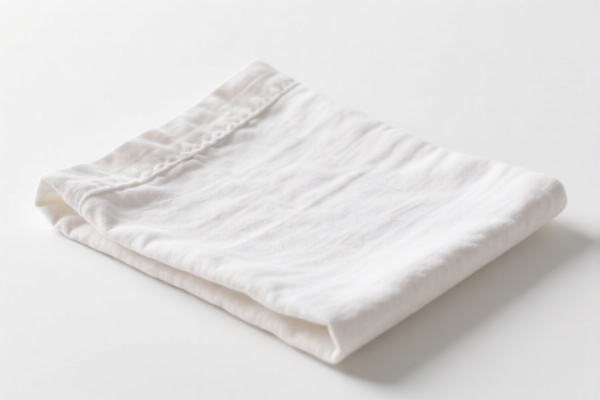
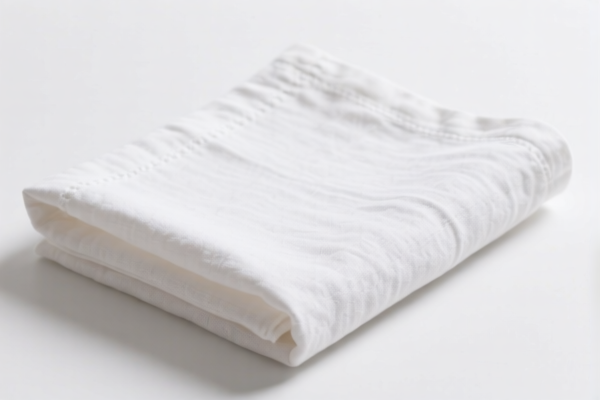
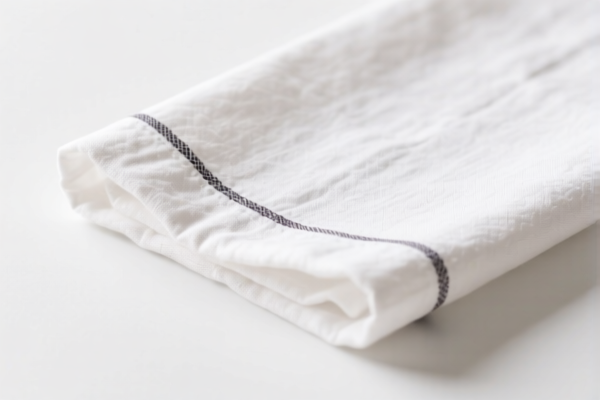
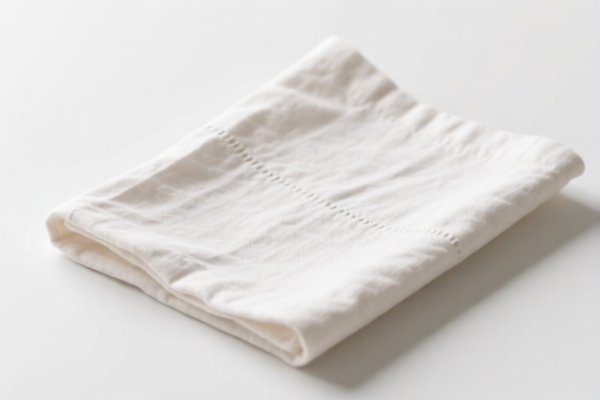
AI Analysis
🛏️ Bed Linen (Cotton)
🌐 HS Code Reference & Customs Clearance Guide | 2026 Latest Tariff Full Analysis | Professional Clearance Strategy
📌 I. Product Definition & Classification: Do You Really Understand "Cotton Bed Linen"?
Cotton bed linen is a critical category in textile imports, often subject to high tariffs and strict regulatory scrutiny due to its classification under specific Chapter 63 (Textile Articles) or Chapter 52 (Cotton Yarn/Fabric) depending on the exact composition and construction. In international trade, it is crucial to distinguish between knitted/crocheted items, woven items, and those classified as bedding articles versus general textile fabrics.
Key Distinction Points:
- If the item is a pillowcase made of cotton, it is generally classified under Chapter 63 (Other made-up textile articles) rather than Chapter 52 (Cotton fabrics), unless it is sold as a fabric piece without finishing.
- Material Composition matters: Is it 100% cotton? Or a blend? The HS codes below reflect specific sub-headings for cotton-dominated goods.
- Intended Use: Bed linen falls under "Bed, table, toilet, or kitchen linen."
⚠️ Critical Note:
- Pillowcases are typically considered made-up articles (HS 6302 series), not raw fabrics (HS 5208 series), unless they are uncut rolls of fabric. - Origin: This guide assumes Origin: China (CN) exporting to the US Market, given the specific "Section 301" and "122 Clause" tariffs mentioned in the data.
📦 II. HS Code Classification Details (2026 Latest Tariff Authoritative Comparison)
The following HS codes are derived strictly from the provided dataset. Each code represents a different classification logic for Cotton Pillowcases/Bed Linen, leading to significantly different tax burdens.
| HS Code | Product Description | Applicable Scenario | Total Tax Rate | Key Tax Components |
|---|---|---|---|---|
| 5208.11.20.40 | Cotton Pillowcase, Cotton content >85%, classified under bedding/sheets fabric category | Woven cotton fabric used for bedding, high cotton content | 42.0% | Base: 7.0% + Section 301: 25.0% + Clause 122: 10% |
| 6302.21.50.10 | Cotton Pillowcase, Meets cotton requirements, Not a long pillowcase | Standard cotton pillowcase, non-long shape | 38.4% | Base: 20.9% + Section 301: 7.5% + Clause 122: 10% |
| 6302.21.90.10 | Cotton Pillowcase, Cotton-made, Unraised, No long pillowcase features | Standard cotton pillowcase, unraised fabric, no specific long shape | 24.2% | Base: 6.7% + Section 301: 7.5% + Clause 122: 10% |
| 6117.80.95.10 | Cotton Pillowcase, Cotton-made, Classified as Apparel or Textile Accessories | Misclassification or specific accessory categorization | 32.1% | Base: 14.6% + Section 301: 7.5% + Clause 122: 10% |
| 5208.21.20.40 | Cotton Pillowcase, Cotton fabric characteristics, Classified under Bedding | Woven cotton fabric, specific sub-heading for bedding | 43.4% | Base: 8.4% + Section 301: 25.0% + Clause 122: 10% |
| 5208.12.40.40 | Cotton Pillowcase, Cotton content >85%, Extension of Sheet Fabric Home Use | Woven fabric extension, high cotton content | 42.0% | Base: 7.0% + Section 301: 25.0% + Clause 122: 10% |
🔍 Key Insight:
- The lowest tax rate (24.2%) applies to HS 6302.21.90.10, which requires the product to be unraised and not a long pillowcase. - The highest tax rate (43.4%) applies to HS 5208.21.20.40, which incurs the maximum Section 301 tariff (25%). - Section 301 Tariffs vary significantly: either 7.5% or 25%, depending on the specific sub-heading logic (Fabric vs. Made-up Article).
💰 III. 2026 Latest Tariff Rate Breakdown (Including Surcharges & Policy Add-ons)
✅ Applicable Country: United States (US)
✅ Origin: China (CN)
✅ Effective Time: As per current trade regulations (Section 301 & Clause 122)
🎯 1. HS 5208.11.20.40 & 5208.12.40.40 – Cotton Bedding Fabric Category
| Item | Content |
|---|---|
| Base Tariff | 7.0% |
| Section 301 Surcharge | +25.0% (High-rate category) |
| Clause 122 Surcharge | +10.0% |
| Total Tax Rate | 42.0% |
| Tax Calculation | CIF Value × 42.0% |
| De Minimis Exemption | ❌ Not Eligible (Section 301 goods are generally excluded from Section 321 de minimis relief) |
📌 Explanation:
- The 25% Section 301 tariff is the dominant cost driver here. - These codes classify the product as woven cotton fabric for bedding, attracting the highest punitive tariffs.
🎯 2. HS 5208.21.20.40 – Cotton Bedding Fabric (Highest Rate)
| Item | Content |
|---|---|
| Base Tariff | 8.4% |
| Section 301 Surcharge | +25.0% |
| Clause 122 Surcharge | +10.0% |
| Total Tax Rate | 43.4% |
| Tax Calculation | CIF Value × 43.4% |
| De Minimis Exemption | ❌ Not Eligible |
📌 Warning: This is the most expensive classification. Avoid if possible unless the product strictly fits this description.
🎯 3. HS 6302.21.50.10 – Standard Cotton Pillowcase
| Item | Content |
|---|---|
| Base Tariff | 20.9% |
| Section 301 Surcharge | +7.5% (Low-rate category) |
| Clause 122 Surcharge | +10.0% |
| Total Tax Rate | 38.4% |
| Tax Calculation | CIF Value × 38.4% |
| De Minimis Exemption | ❌ Not Eligible |
📌 Note: While the base tariff is higher (20.9%), the Section 301 rate is lower (7.5%), resulting in a lower total than the fabric categories.
🎯 4. HS 6117.80.95.10 – Apparel/Accessory Category
| Item | Content |
|---|---|
| Base Tariff | 14.6% |
| Section 301 Surcharge | +7.5% |
| Clause 122 Surcharge | +10.0% |
| Total Tax Rate | 32.1% |
| Tax Calculation | CIF Value × 32.1% |
| De Minimis Exemption | ❌ Not Eligible |
📌 Caution: This classification is unusual for pillowcases. It may apply if the item is marketed as a textile accessory or part of an apparel set. Verify with customs before using.
🎯 5. HS 6302.21.90.10 – Unraised Cotton Pillowcase (Lowest Rate)
| Item | Content |
|---|---|
| Base Tariff | 6.7% |
| Section 301 Surcharge | +7.5% |
| Clause 122 Surcharge | +10.0% |
| Total Tax Rate | 24.2% |
| Tax Calculation | CIF Value × 24.2% |
| De Minimis Exemption | ❌ Not Eligible |
📌 Recommendation: This is the optimal classification for standard cotton pillowcases that are unraised (no embroidery/texture) and not long. Always aim for this HS code if your product qualifies.
🛠️ IV. Customs Clearance Practical Advice (Real-World Pitfall Guide)
✅ 1. Preparation Checklist (Non-Negotiable)
| Document | Mandatory? | Description |
|---|---|---|
| ✅ Product Specification Sheet | ✔️ | Must detail: Material (100% Cotton vs. Blend), Weave Type (Raised/Unraised), Dimensions, Intended Use. |
| ✅ Product Photos | ✔️ | Clear images of the front, back, label, and any texture/embroidery to prove "Unraised" status. |
| ✅ Commercial Invoice | ✔️ | Must explicitly state: "Cotton Pillowcase, Unraised, Not Long" to support HS 6302.21.90.10. |
| ✅ Packing List | ✔️ | Match invoice details exactly. |
| ✅ Certificate of Origin (CO) | ✔️ | Proof of Chinese origin triggers Section 301 & Clause 122. |
✅ 2. Declaration Strategy (Key Tips)
🔥 "Describe Precisely: Unraised, Cotton, Pillowcase = Save 19% Tax!"
| Scenario | Correct Declaration | Wrong Declaration |
|---|---|---|
| Standard Pillowcase | "Cotton Pillowcase, Unraised, Not Long" → HS 6302.21.90.10 (24.2%) | "Bed Linen Set" → Ambiguous, may trigger higher scrutiny |
| Embroidered/Textured Pillowcase | "Cotton Pillowcase, Raised/Embroidered" → HS 6302.21.50.10 (38.4%) | Claiming "Unraised" when embroidered → Customs Audit & Penalty |
| Fabric Roll (Unmade) | "Woven Cotton Fabric for Bedding" → HS 5208 Series (42-43.4%) | Claiming "Pillowcase" when it's fabric → Misclassification |
| Accessory/Packaging | "Textile Accessory" → HS 6117.80.95.10 (32.1%) | Only if truly an accessory, not a functional pillowcase |
✅ 3. Special Cases Handling
| Situation | Handling Advice |
|---|---|
| "Not Long" Feature | Ensure the pillowcase length is standard (e.g., 20"x30"). If it's a standard pillowcase, it is not "long." Long pillowcases (for body pillows) may have different classifications. |
| "Unraised" Feature | If the fabric has no embossing, weaving patterns that create raised textures, or embroidery, declare it as "Unraised." This is key to achieving the 24.2% rate. |
| Cotton Content >85% | If using HS 5208 codes, ensure the cotton content is clearly >85%. If it's a blend, these codes may not apply. |
| De Minimis (Section 321) | ❌ Do Not Rely on De Minimis. Section 301 goods (Chinese origin) are explicitly excluded from the $800 de minimis exemption. Full duties apply. |
🌍 V. Global Market Comparison (2026 Update)
| Country/Region | Recommended HS Code | Tariff Rate (China Origin) | Certification Requirements | Notes |
|---|---|---|---|---|
| 🇺🇸 USA | 6302.21.90.10 |
24.2% (Optimal) | None specific | Section 301 + Clause 122 apply. Avoid HS 5208 unless necessary. |
| 🇪🇺 EU | 6302.21 |
6-12% (Varies) | CE (if relevant), OEKO-TEX | No Section 301. Lower base rates. |
| 🇬🇧 UK | 6302.21 |
6-12% | UKCA (if applicable) | Post-Brexit rules may differ slightly from EU. |
| 🇨🇳 China | 6302.21 |
9-10% | CCC (if applicable) | Import duties are lower, but VAT applies. |
| 🇨🇦 Canada | 6302.21 |
9-12% | None specific | USMCA may offer benefits if produced in North America. |
📌 Conclusion:
- The USA is the most expensive market due to Section 301 and Clause 122 tariffs. - HS 6302.21.90.10 is the best-case scenario for US imports, saving nearly 20% compared to fabric classifications.
📌 VI. Common Errors & Pitfall Guide (Lessons Learned)
❌ Error 1: Declaring pillowcases as "Fabric" (HS 5208)
👉 Consequence: Tax rate jumps to 42-43.4%.
👉 Fix: Ensure product is finished (sewn, hemmed) to qualify as "Made-up Article" (HS 6302).
❌ Error 2: Ignoring "Unraised" Status
👉 Consequence: If the product is raised/embroidered, declaring it as "Unraised" can lead to customs audits, fines, or retroactive taxes.
👉 Fix: Only use HS 6302.21.90.10 if the fabric is truly flat/unembroidered.
❌ Error 3: Assuming De Minimis Applies
👉 Consequence: Full duties + penalties because Chinese-origin goods are excluded from $800 exemption.
👉 Fix: Prepare for full tariff payment. Do not use de minimis for Chinese bed linen.
❌ Error 4: Vague Product Description
👉 Consequence: Customs may reclassify to a higher tariff code.
👉 Fix: Use precise language: "Cotton Pillowcase, 100% Cotton, Unraised, Standard Size."
✅ Correct Approach:
"100% Cotton Pillowcase, Unraised, Standard Size, For Bed Use, HS 6302.21.90.10"
🎯 VII. Conclusion: Professional Declaration, Cost Savings, Efficiency!
🎯 Remember the Mantra:
🔹 "Unraised, Cotton, Pillowcase = 24.2% Tax!"
🔹 "Fabric vs. Made-up: Save 19% by Correct Classification!"
🔹 "No De Minimis for China: Prepare for Full Duties!"
📌 Pro Tip:
If your pillowcases are embroidered or textured, you cannot use the 24.2% rate. You will fall under 38.4% or 32.1%. Plan your product design and classification accordingly.
📣 Immediate Action:
📞 Contact a Professional Customs Broker + Provide Product Photos + Request Advance Ruling (if possible)
🚀 Ensure your invoice matches your physical product exactly.
💰 Every percentage point matters in high-tariff environments!
✨ Professional Clearance Starts with Accurate Classification!
💼 Your Bottom Line Deserves Precision!
Customer Reviews
About HS Code Classification
The Harmonized System (HS) is an internationally standardized nomenclature developed by the World Customs Organization (WCO) to classify traded products. Over 200 countries use the HS system as the basis for customs tariffs, trade statistics, and import/export regulations.
Each HS code follows a hierarchical structure:
- Chapter (2 digits) — Broad category of goods (e.g., Chapter 84: Machinery and Mechanical Appliances)
- Heading (4 digits) — More specific grouping within the chapter
- Subheading (6 digits) — Internationally standardized breakdown, used by all WCO member countries
- National subdivisions (8-10 digits) — Country-specific extensions for further classification, such as US HTSUS 10-digit codes
Correct HS code classification is essential for smooth customs clearance, accurate duty payment, and compliance with trade regulations. Misclassification can lead to customs delays, overpayment of duties, or penalties.
When importing from CN to US, the applicable tariff rates may include:
- Most-Favored-Nation (MFN) rate — The standard duty rate applied to WTO members
- General rate — Applied to countries without trade agreements
- Trade remedy duties — Additional tariffs such as Section 301 (anti-dumping), Section 232 (national security), or countervailing duties
The information provided on this page is for reference purposes only. For official classification, please consult with your local customs authority or a licensed customs broker.