Bed linen of synthetic fibers
CN → US| HS Code | Tariff Rate | Origin | Destination | Doc |
|---|---|---|---|---|
| 5512190005 | 48.6% | CN | US | Official Doc |
| 5512110090 | 47.0% | CN | US | Official Doc |
| 5513130090 | 49.9% | CN | US | Official Doc |
| 5407420030 | 49.9% | CN | US | Official Doc |
| 5407522020 | 49.9% | CN | US | Official Doc |
Product Images
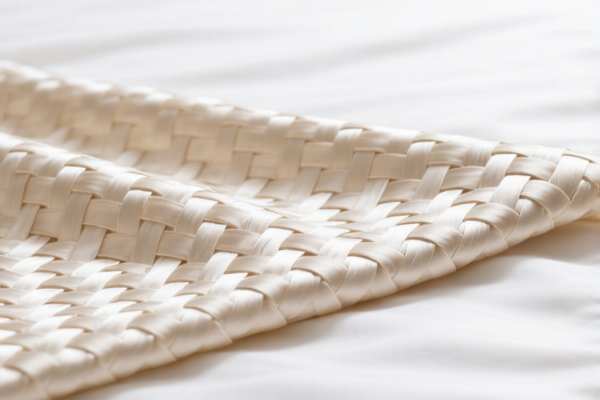
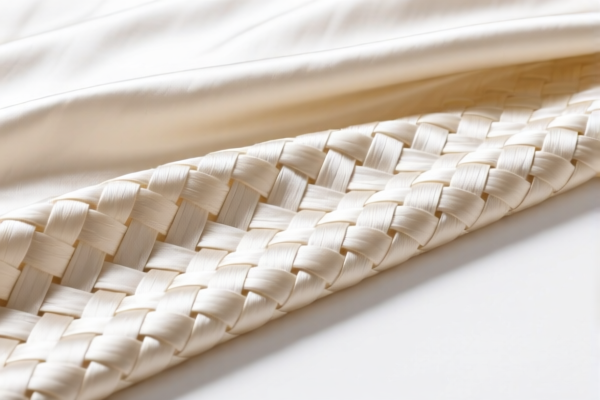
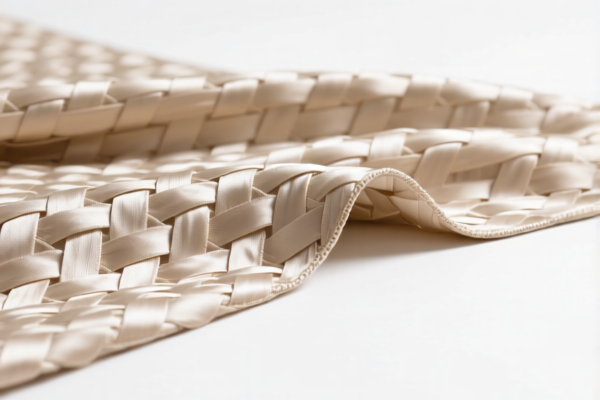
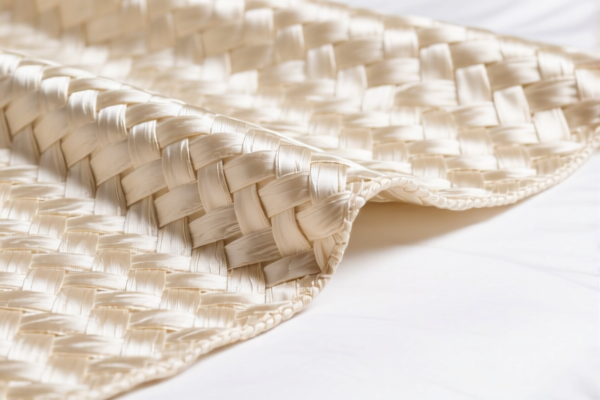
AI Analysis
🛏️ Bed Linen of Synthetic Fibers
🌐 HS Code Reference & Customs Clearance Guide | 2026 Latest Tariff Breakdown | Professional Import Strategy
📌 One, Product Definition & Classification: What Exactly Is "Bed Linen of Synthetic Fibers"?
Bed linen made from synthetic fibers refers to textile products used for bedding, such as sheets, pillowcases, duvet covers, and bedspreads, that are primarily composed of synthetic short or long fibers (e.g., polyester, nylon, polyamide, or blended fibers). These fabrics are typically woven or knitted, designed for durability, wrinkle resistance, and ease of care.
⚠️ Critical Distinction: - If the fabric is made from synthetic short fibers → classified under 5512 (short staple fibers) - If the fabric is made from synthetic long fibers (filaments) → classified under 5407 (continuous filaments) - Must be woven or knitted into fabric suitable for bedding use — not raw yarn or unprocessed textile
📦 Two, HS Code Classification Details (2026 Latest Tariff Authority)
| HS Code | Product Description | Applicable Use Case | Fiber Type | Woven/Knitted |
|---|---|---|---|---|
5512.19.00.05 |
Synthetic fiber fabric for clothing, meeting requirements for synthetic short fiber woven fabric | Bed linen made from synthetic short fibers (e.g., polyester blend sheets) | Synthetic short fibers | ✅ Woven |
5512.11.00.90 |
Synthetic fiber fabric for clothing, classified as other synthetic short fiber woven fabrics | General-purpose synthetic fiber bed sheets, duvet covers | Synthetic short fibers | ✅ Woven |
5513.13.00.90 |
Synthetic fiber fabric, classified as other synthetic fiber woven fabrics | Blended or specialty synthetic bed linens (e.g., polyester-cotton blends with high synthetic content) | Synthetic fibers | ✅ Woven |
5407.42.00.30 |
Synthetic fiber fabric, meeting definition of synthetic filament woven fabric | High-quality bed linen made from continuous synthetic filaments (e.g., polyester filament sheets) | Synthetic long fibers (filaments) | ✅ Woven |
5407.52.20.20 |
Synthetic fiber fabric, specifically polyester/synthetic filament fabric | Polyester-based bed linen with high durability and luster | Synthetic long fibers (filaments) | ✅ Woven |
🔍 Key Insight:
- All these HS codes apply only to finished woven fabrics used in bedding — not raw yarns, non-woven materials, or knitted fabrics. - "Synthetic fibers" include polyester, nylon, polyamide, acrylic, and other man-made fibers, regardless of blend ratios, as long as synthetic content dominates.
💰 Three, 2026 Latest Tariff Breakdown (Including附加 Taxes & Policy Clauses)
✅ Applicable Country: United States (US)
✅ Origin: China (CN)
✅ Effective Date: November 10, 2025 (inclusive of subsequent imports)
🎯 1. 5512.19.00.05 — Synthetic Short Fiber Woven Fabric for Bed Linen
| Item | Detail |
|---|---|
| Base Duty Rate | 13.6% (ad valorem) |
| Section 301 (USITC) Additional Tariff | +25.0% |
| Section 122 (IEEPA) Additional Tariff | +10.0% |
| Total Effective Tariff | 48.6% |
| Tax Calculation | CIF Value × 48.6% |
| De Minimis Threshold | ❌ Not applicable (denied under 19 CFR §159.23) |
| Legal Basis Path | IEEPA:9903.01.25 → IEEPA:9903.01.24 → USITC:5512.19.00.05 → FOOTNOTE:9903.88.01 |
📌 Explanation:
- USITC 25% comes from Section 301 of the Trade Act of 1974, targeting unfair trade practices by China. - IEEPA 10% is imposed under the International Emergency Economic Powers Act, targeting national security concerns related to Chinese manufacturing. - Total 48.6% — among the highest tariffs on textile products in the U.S. market.
🎯 2. 5512.11.00.90 — Other Synthetic Short Fiber Woven Fabric (Bed Linen)
| Item | Detail |
|---|---|
| Base Duty Rate | 12.0% |
| Section 301 (USITC) Additional Tariff | +25.0% |
| Section 122 (IEEPA) Additional Tariff | +10.0% |
| Total Effective Tariff | 47.0% |
| Tax Calculation | CIF × 47.0% |
| De Minimis Threshold | ❌ Not applicable |
| Legal Basis Path | IEEPA:9901.25 → IEEPA:9903.01.24 → USITC:5512.11.00.90 → FOOTNOTE:9903.88.01 |
📌 Note:
- Slightly lower base rate than5512.19.00.05, but same 25% + 10% additional tariffs apply. - Applies to non-specialized synthetic short fiber fabrics, including standard polyester bed sheets.
🎯 3. 5513.13.00.90 — Other Synthetic Fiber Woven Fabric (Bed Linen)
| Item | Detail |
|---|---|
| Base Duty Rate | 14.9% |
| Section 301 (USITC) Additional Tariff | +25.0% |
| Section 122 (IEEPA) Additional Tariff | +10.0% |
| Total Effective Tariff | 49.9% |
| Tax Calculation | CIF × 49.9% |
| De Minimis Threshold | ❌ Not applicable |
| Legal Basis Path | IEEPA:9903.01.25 → IEEPA:9903.01.24 → USITC:5513.13.00.90 → FOOTNOTE:9903.88.01 |
📌 Insight:
- Higher base rate due to broader classification ("other synthetic fiber fabrics"). - Applies to blended or specialty synthetic fabrics, even if not pure polyester.
🎯 4. 5407.42.00.30 — Synthetic Filament Woven Fabric (Bed Linen)
| Item | Detail |
|---|---|
| Base Duty Rate | 14.9% |
| Section 301 (USITC) Additional Tariff | +25.0% |
| Section 122 (IEEPA) Additional Tariff | +10.0% |
| Total Effective Tariff | 49.9% |
| Tax Calculation | CIF × 49.9% |
| De Minimis Threshold | ❌ Not applicable |
| Legal Basis Path | IEEPA:9903.01.25 → IEEPA:9903.01.24 → USITC:5407.42.00.30 → FOOTNOTE:9903.88.01 |
📌 Note:
- Applies to continuous filament fabrics, often used in luxury or high-performance bed linens. - Despite being "long fiber", same 25% + 10% additional tariffs apply.
🎯 5. 5407.52.20.20 — Polyester/Synthetic Filament Fabric (Bed Linen)
| Item | Detail |
|---|---|
| Base Duty Rate | 14.9% |
| Section 301 (USITC) Additional Tariff | +25.0% |
| Section 122 (IEEPA) Additional Tariff | +10.0% |
| Total Effective Tariff | 49.9% |
| Tax Calculation | CIF × 49.9% |
| De Minimis Threshold | ❌ Not applicable |
| Legal Basis Path | IEEPA:9903.01.25 → IEEPA:9903.01.24 → USITC:5407.52.20.20 → FOOTNOTE:9903.88.01 |
📌 Clarification:
- This code is specifically for polyester/synthetic filament fabrics — common in premium bed sheets. - Despite being more refined, same high tariff applies.
🛠️ Four, Customs Clearance Practical Tips (Real-World Avoidance Guide)
✅ 1. Required Documentation Checklist (Must-Have)
| Document | Required? | Notes |
|---|---|---|
| ✅ Product Specification Sheet | ✔️ | Include fiber composition, GSM, weave type, dimensions |
| ✅ Fabric Test Report (Lab) | ✔️ | Confirm synthetic fiber content (e.g., ASTM D5113, ISO 139) |
| ✅ Product Photos (with labels) | ✔️ | Show brand, model, fiber content, stitching |
| ✅ Commercial Invoice | ✔️ | Clearly state “Bed Linen of Synthetic Fibers” |
| ✅ Certificate of Origin (CO) | ✔️ | Critical for tariff eligibility |
| ✅ Packing List | ✔️ | Detail per carton, total quantity, net/gross weight |
| ✅ Third-Party Certification (if applicable) | ✔️ | OEKO-TEX, REACH, RoHS, FLAME-RETARDANT (if required) |
✅ 2.申报技巧 (Key Pro Tips)
🔥 “Fiber Type First, Use Case Second, Name Must Match!”
| Scenario | Correct HS Code | Wrong Approach |
|---|---|---|
| Polyester sheets (woven, short fibers) | 5512.19.00.05 or 5512.11.00.90 |
Misreport as 5407.42.00.30 (filament) → higher tariff |
| High-end polyester filament sheets | 5407.42.00.30 or 5407.52.20.20 |
Report as 5513.13.00.90 → risk of audit |
| Blended fabric (65% polyester, 35% cotton) | 5512.19.00.05 (if short fiber) |
Claim as “cotton” → risk of penalty |
| Knitted bed linen | ❌ Not eligible | Must be woven — knitted falls under different rules |
✅ 3. Special Cases Handling
| Situation | Recommended Action |
|---|---|
| OEM or private label bedding | Provide customer PO + design drawings; avoid “generic” labeling |
| Bed linen with printed patterns | Still falls under same HS code — pattern doesn’t change classification |
| Used or second-hand bed linen | May be subject to different tariff treatment — consult USTR |
| Bed linen sold as part of a set (e.g., sheet + duvet cover) | Do not split — declare as one unit under the appropriate HS code |
| Samples for testing | Can apply for de minimis exemption if value < $800, but only if not for commercial sale |
🌍 Five, Global Market Customs Comparison (2026)
| Country/Region | Recommended HS Code | Tariff | Certification Required | Notes |
|---|---|---|---|---|
| 🇺🇸 United States | 5512.19.00.05 etc. |
47.0% – 49.9% | None (but proof of origin needed) | Highest tariff globally |
| 🇨🇳 China | 5512.19.00.05 |
5% | CCC, GB/T standards | No additional tariffs |
| 🇪🇺 European Union | 5512.19.00.05 |
0% (if origin EU/FTA) | CE, REACH, OEKO-TEX | No 301/IEEPA tariffs |
| 🇦🇺 Australia | 5512.19.00.05 |
5% | RCM | No extra tariffs |
| 🇯🇵 Japan | 5512.19.00.05 |
0% | PSE | No additional duties |
📌 Conclusion:
- The U.S. is the only major market imposing 25% + 10% additional tariffs on synthetic fiber bed linen from China. - China, EU, Japan, and Australia offer much lower or zero tariffs — consider shifting manufacturing or sourcing.
📌 Six, Common Mistakes & Risk Warnings (Learn from Others’ Failures)
❌ Mistake 1: Misclassifying short fiber fabric as filament fabric
👉 Consequence: Pay 49.9% instead of 47.0% → overpayment & audit risk
❌ Mistake 2: Splitting a bed linen set into separate sheets, pillowcases, and duvet covers
👉 Consequence: Each item taxed at 48.6% → total tax > 145% on set!
❌ Mistake 3: Labeling product as “cotton” when synthetic content > 50%
👉 Consequence: False declaration → penalties, seizure, blacklisting
❌ Mistake 4: Not providing fiber composition proof
👉 Consequence: Customs may reject the declaration or delay clearance
✅ Correct Declaration Example:
“Bed Sheets, 100% Polyester, Woven, 200 GSM, 400x200 cm, Brand: LuxeHome, Made in China, For Bed Linen Use”
🎯 Seven, Final Takeaway: Precision Pays Off
🎯 Remember the Golden Rule:
🔹 “Fiber Type First, Use Case Second, Name Matches HS Code, Splitting = Disaster!”
🔹 “One wrong code = 49.9% tariff instead of 47.0% — that’s $1,000 more on $100,000 shipment!”
📌 Pro Tip:
If your bed linen is originated in Vietnam, Mexico, Thailand, or Malaysia, you may qualify for IEEPA exemption — tariff drops to 0%–5%.
👉 Apply for Advance Ruling (Pre-Approval) to lock in favorable classification.
📣 Take Action Now:
📞 Contact a licensed customs broker + provide product specs + request HS Code pre-ruling
🚀 Ensure your bed linen clears fast, pays less tax, and wins in global markets!
✨ Smart Importing Starts with Accurate Classification!
💼 Your profit margin depends on one small code — get it right!
Customer Reviews
About HS Code Classification
The Harmonized System (HS) is an internationally standardized nomenclature developed by the World Customs Organization (WCO) to classify traded products. Over 200 countries use the HS system as the basis for customs tariffs, trade statistics, and import/export regulations.
Each HS code follows a hierarchical structure:
- Chapter (2 digits) — Broad category of goods (e.g., Chapter 84: Machinery and Mechanical Appliances)
- Heading (4 digits) — More specific grouping within the chapter
- Subheading (6 digits) — Internationally standardized breakdown, used by all WCO member countries
- National subdivisions (8-10 digits) — Country-specific extensions for further classification, such as US HTSUS 10-digit codes
Correct HS code classification is essential for smooth customs clearance, accurate duty payment, and compliance with trade regulations. Misclassification can lead to customs delays, overpayment of duties, or penalties.
When importing from CN to US, the applicable tariff rates may include:
- Most-Favored-Nation (MFN) rate — The standard duty rate applied to WTO members
- General rate — Applied to countries without trade agreements
- Trade remedy duties — Additional tariffs such as Section 301 (anti-dumping), Section 232 (national security), or countervailing duties
The information provided on this page is for reference purposes only. For official classification, please consult with your local customs authority or a licensed customs broker.