Bedding and Clothing Storage Box
CN → USProduct Images

AI Analysis
🧺 Bedding & Clothing Storage Boxes
🌐 HS Code Master Guide | 2026 Global Tariff Breakdown | Smart Shipping Strategy
📌 I. Product Definition: What Exactly Are You Shipping?
Bedding and Clothing Storage Boxes are versatile organizational containers designed for home and commercial use. Their HS classification depends critically on the primary material and intended use:
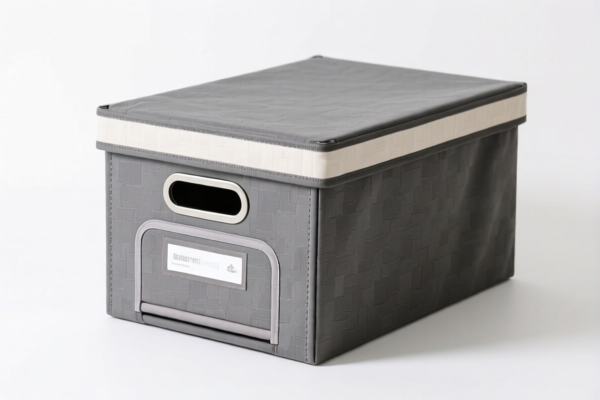
- Textile-Based (Fabrics, Canvas, Felt, Non-Woven): Soft boxes, fabric bins, collapsible storage cubes.
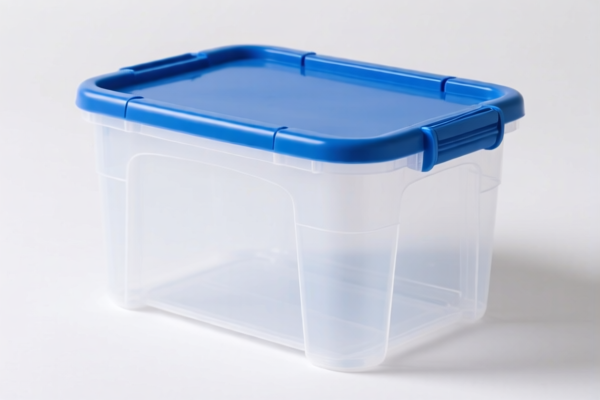
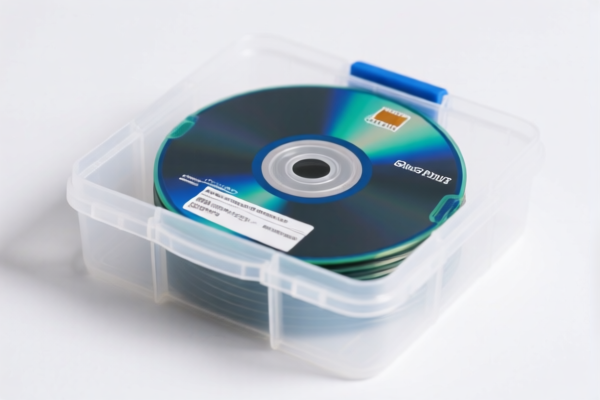
- Plastic-Based (Rigid/semi-rigid): Plastic totes, resin containers.
- Wooden/Metal/Wicker: Sturdy crates, wooden trunks, wire baskets.
⚠️ Key Classification Rule:
- If the box is primarily textile (even if it has a plastic frame or metal handle) → Chapter 63.
- If the box is primarily plastic (even with fabric lining) → Chapter 39.
- If the box is wooden → Chapter 44.
- Do NOT classify as "Furniture" (Chapter 94) unless it is a dedicated wardrobe or chest of drawers, which are rigid structural pieces.
📦 II. HS Code Classification Matrix (2026 Latest Tariff Schedule)
| HS Code | Product Description | Material Priority | Application Scenario |
|---|---|---|---|
6307.10.90.00 |
Textile bags & containers (excluding sacks) | Textile > 50% | Collapsible fabric bins, canvas trunks, felt organizers. |
3924.10.00.00 |
Tableware & kitchenware | Plastic | Plastic storage totes with lids (often confused here, but strictly for dishes; for general storage see below) |
3926.90.99.00 |
Other articles of plastics | Plastic | Rigid plastic storage boxes, resin bins, plastic wardrobe boxes. |
4421.90.90.00 |
Other articles of wood | Wood | Wooden trunks, cedar closets, wicker/wooden storage chests. |
9403.20.00.00 |
Other wooden furniture | Wood | Rigid wooden wardrobes, armoires, or large chests (not portable boxes). |
7323.99.00.00 |
Other table/kitchenware of iron/steel | Metal | Wire mesh baskets with frames (if not primarily textile). |
🔍 Critical Insight:
- Most "Storage Boxes" fall under6307.10.90.00(Textile) or3926.90.99.00(Plastic).
- Do NOT classify a collapsible fabric box under9403(Furniture). It is a textile article, not furniture!
- Mixed Materials: If the box is 70% plastic frame + 30% fabric liner, it is usually classified as Plastic (3926). If 70% fabric + plastic frame, it is Textile (6307).
💰 III. 2026 Tariff Rate Analysis (USA Market Focus)
✅ Origin: China (CN)
✅ Destination: United States (US)
✅ Effective: Nov 10, 2025 (Section 301 + IEEPA)
🎯 1. 6307.10.90.00 – Textile Storage Boxes (Fabric/Canvas/Felt)
| Item | Detail |
|---|---|
| Base Tariff | 7.5% (ad valorem) |
| Section 301 (USITC) | +25% |
| IEEPA (China) | +10% |
| Total Tariff | 42.5% |
| De Minimis Exemption | ❌ NO (Excludes most textile storage) |
| Legal Path | 301:6307.10 → IEEPA:9903.01.24 → FOOTNOTE:9903.88.01 |
📌 Explanation:
- Textile storage boxes are heavily taxed in the US due to the "301" list and IEEPA.
- Even if the box is "collapsible," it is treated as a finished textile good.
- Risk: High probability of audit if declared as "non-taxable."
🎯 2. 3926.90.99.00 – Plastic Storage Boxes (Rigid/Resin)
| Item | Detail |
|---|---|
| Base Tariff | 5.3% (ad valorem) |
| Section 301 (USITC) | +25% |
| IEEPA (China) | +10% |
| Total Tariff | 40.3% |
| De Minimis Exemption | ❌ NO (Plastic storage is included in 301 List 1 & 2) |
| Legal Path | 301:3926.90 → IEEPA:9903.01.24 |
📌 Explanation:
- Plastic storage boxes are also heavily taxed.
- Some simple plastic bins might qualify for lower rates if they are "household articles" not specifically listed, but storage boxes are explicitly targeted.
- Strategy: Consider sourcing from Vietnam or Thailand to bypass the 10% IEEPA surcharge (if applicable under new trade agreements).
🎯 3. 4421.90.90.00 – Wooden Storage Boxes
| Item | Detail |
|---|---|
| Base Tariff | 3.5% (ad valorem) |
| Section 301 (USITC) | +25% |
| IEEPA (China) | +10% |
| Total Tariff | 38.5% |
| De Minimis Exemption | ❌ NO |
| Legal Path | 301:4421.90 → IEEPA:9903.01.24 |
📌 Explanation:
- Wooden boxes are taxed similarly to plastic and textile.
- Exception: If the box is a large, fixed furniture piece (e.g., a cedar chest that cannot be moved), it might fall under9403(Furniture) with different rates, but portable boxes are4421.
🛠️ IV. Customs Clearance Strategy & Pitfalls (Real-World Tips)
✅ 1. Documentation Checklist (Must Have)
| Document | Requirement | Why It Matters |
|---|---|---|
| Commercial Invoice | Must state Material Composition (e.g., "65% Polyester, 35% Plastic Frame") | Determines if it falls under Textile (6307) or Plastic (3926). |
| Product Photos | Clear shots of the lid, handles, and interior lining | Proves it's a "box" and not "furniture" (Chapter 94). |
| Bill of Materials (BOM) | List of all components | Customs officers check if the "primary material" matches the declared HS Code. |
| Origin Certificate | Proof of country of origin | Critical for claiming (or denying) IEEPA surcharges. |
| Packaging List | Weight & Dimensions | Used to calculate duty based on CIF value. |
✅ 2. Declaration Tactics (The "Golden Rules")
🔥 "Material Matters! Don't Lie, Don't Guess!"
| Scenario | Correct Declaration | Common Mistake | Consequence |
|---|---|---|---|
| Fabric Box with Plastic Frame | 6307.10.90.00 (Textile) |
Declare as 3926 (Plastic) |
Under-taxed → Penalty + Back Duty |
| Plastic Box with Fabric Liner | 3926.90.99.00 (Plastic) |
Declare as 6307 (Textile) |
Over-taxed → Loss of Profit |
| Collapsible Storage Cube | 6307.10.90.00 |
Declare as 9403 (Furniture) |
Major Audit Risk → Seizure |
| Wooden Trunk (Furniture) | 9403.20.00.00 (Furniture) |
Declare as 4421 (Wood) |
Rate Difference → Fine |
✅ 3. Special Cases & Loopholes
| Situation | Strategy |
|---|---|
| "De Minimis" (Under $800) | If shipping via e-commerce (DHL/FedEx small parcels), some textile/plastic items may avoid duty under $800 threshold, BUT this is risky for bulk commercial shipments. |
| Re-Export from Vietnam | If the box is assembled in Vietnam from Chinese parts, you might claim Vietnam Origin (lower IEEPA rate), but Rules of Origin must be strict. |
| Mixed Boxes (Set of 3) | Declare as "Set" if sold together. If declared individually, each pays duty. |
| "Storage Bags" vs "Boxes" | If it has no rigid structure (just a bag), it might fall under 6304 (Bedding) instead of 6307. Check structure! |
🌍 V. Global Market Comparison (2026 Tariffs)
| Market | Recommended HS Code | Tariff Rate (China Origin) | Key Requirement |
|---|---|---|---|
| 🇺🇸 USA | 6307.10 / 3926.90 |
40% - 42.5% | 301 + IEEPA |
| 🇪🇺 EU | 6307.99 / 3926.90 |
5% - 10% | CE + EPR (WEEE) |
| 🇯🇵 Japan | 6307.10 / 3926.90 |
8% - 12% | PSE (if plastic) |
| 🇦🇺 Australia | 6307.10 / 3926.90 |
5% - 10% | RCM |
| 🇨🇦 Canada | 6307.10 / 3926.90 |
0% - 5% | No 301 |
📌 Conclusion:
- USA is the most expensive market for these products due to the 40%+ combined tariff.
- EU/Canada offer much better rates (under 10%).
- Strategy: If possible, divert US-bound stock to Canada or Mexico for assembly before re-export to US (Maquiladora) to avoid 301 duties.
📌 VI. Common Mistakes & "Don'ts"
❌ Mistake 1: Calling a fabric box "Furniture" to avoid textile tariffs.
👉 Result: Customs will reject 9403 and assess 6307 + 25% penalty.
❌ Mistake 2: Saying "Plastic" when the box is 90% Fabric.
👉 Result: Audit Trigger. You will be fined for misclassification.
❌ Mistake 3: Claiming "De Minimis" for a 500-box container.
👉 Result: Cargo Seizure. De Minimis is only for small personal shipments.
❌ Mistake 4: Not declaring "Made in China" clearly.
👉 Result: 10% IEEPA surcharge automatically applied.
🎯 VII. Final Verdict: How to Save Money & Pass Customs
🎯 Pro Tip:
"If it's collapsible, it's Textile (6307). If it's rigid, it's Plastic (3926). If it's big & fixed, it's Furniture (9403). Never guess!"
✅ Action Plan:
1. Verify Material %: Calculate exact composition before shipping.
2. Get Pre-Ruling: File a Binding Tariff Information (BTI) or Pre-Commercial Ruling with CBP (US Customs).
3. Check Origin: Consider Vietnam/Thailand sourcing to bypass IEEPA.
4. Label Correctly: Invoice must say "Textile Storage Box" or "Plastic Storage Box" – NO "Furniture".
📣 Ready to Ship?
📞 Contact a Customs Broker with experience in Chapter 63 or Chapter 39.
🚀 Avoid the 40% Tax Trap – Get your HS Code right the first time!
✨ Smart Classification = Lower Taxes = Higher Profit!
💼 Your Storage Boxes Deserve the Best Tariff Treatment!
Customer Reviews
About HS Code Classification
The Harmonized System (HS) is an internationally standardized nomenclature developed by the World Customs Organization (WCO) to classify traded products. Over 200 countries use the HS system as the basis for customs tariffs, trade statistics, and import/export regulations.
Each HS code follows a hierarchical structure:
- Chapter (2 digits) — Broad category of goods (e.g., Chapter 84: Machinery and Mechanical Appliances)
- Heading (4 digits) — More specific grouping within the chapter
- Subheading (6 digits) — Internationally standardized breakdown, used by all WCO member countries
- National subdivisions (8-10 digits) — Country-specific extensions for further classification, such as US HTSUS 10-digit codes
Correct HS code classification is essential for smooth customs clearance, accurate duty payment, and compliance with trade regulations. Misclassification can lead to customs delays, overpayment of duties, or penalties.
When importing from CN to US, the applicable tariff rates may include:
- Most-Favored-Nation (MFN) rate — The standard duty rate applied to WTO members
- General rate — Applied to countries without trade agreements
- Trade remedy duties — Additional tariffs such as Section 301 (anti-dumping), Section 232 (national security), or countervailing duties
The information provided on this page is for reference purposes only. For official classification, please consult with your local customs authority or a licensed customs broker.