Bedside Table
CN → US| HS Code | Tariff Rate | Origin | Destination | Doc |
|---|---|---|---|---|
| 9403708015 | 10.0% | CN | US | Official Doc |
| 9403608093 | 35.0% | CN | US | Official Doc |
| 9403509080 | 35.0% | CN | US | Official Doc |
| 9403608093 | 35.0% | CN | US | Official Doc |
| 9403509080 | 35.0% | CN | US | Official Doc |
Product Images


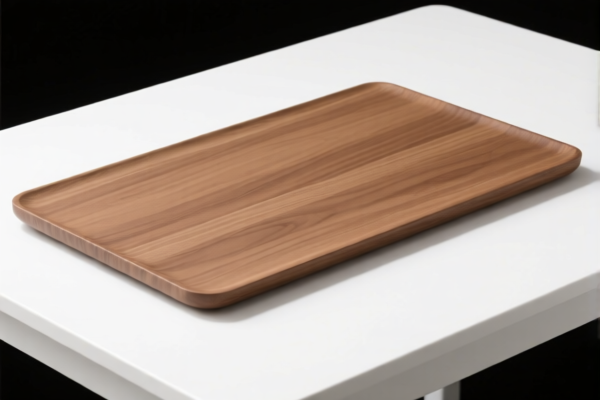
AI Analysis
🛏️ Bedside Table (Bedside Tables / Nightstands)
🌐 HS Code Reference & Customs Clearance Guide | 2026 Latest Tariff Analysis | Professional Transit Strategy
📌 I. Product Definition & Classification: Do You Really Understand "Bedside Tables"?
The Bedside Table (commonly known as a Nightstand) is an essential piece of bedroom furniture used to hold lamps, books, phones, and other personal items next to a bed. In international trade, the classification depends heavily on the primary material and the type of furniture it represents.
Key Distinction Factors: * Material: Is it made of wood, plastic, metal, or a composite? * Usage: Is it specifically for the bedroom, or is it a multi-purpose home unit? * Exclusions: Is it a child's crib/fence, a dining table, or made of specific luxury woods (e.g., Teak)?
⚠️ Critical Classification Logic: - Plastic/Multi-Material Non-Wood Units → Classified as "Other Household Furniture" → 9403.70.80.15 - Wooden Bedroom Furniture → Classified as "Wooden Bedroom Furniture" → 9403.50.90.80 - General Wooden Furniture (Non-Bedroom Specific) → Classified as "Other Wooden Furniture" → 9403.60.80.93
📦 II. HS Code Classification Details (2026 Tariff Authority Comparison)
Based on the provided data, here is the breakdown for Bedside Tables across different material scenarios:
| HS Code | Product Description | Material/Category | Specific Classification Logic |
|---|---|---|---|
9403.70.80.15 |
Other Household Furniture | Plastic or Non-Wood | Classified under "Other Household Furniture." Applies if the bedside table is made of plastic or composite materials not fitting other specific wood categories. |
9403.60.80.93 |
Other Wooden Furniture | Wooden (General) | Applies to wooden bedside tables that do not fit the specific "Bedroom" sub-category exclusions (e.g., not a child's crib, not a dining table, not Teak). |
9403.50.90.80 |
Wooden Bedroom Furniture | Wooden (Bedroom Specific) | Applies specifically to wooden bedside tables intended for the bedroom. Matches the category "Other Wooden Bedroom Furniture." |
9403.60.80.93 |
Other Wooden Furniture | Explicitly Wooden | Specifically targets wooden bedside tables, ensuring exclusions (like child's fencing) are ruled out. High tax bracket applies. |
9403.50.90.80 |
Wooden Bedroom Furniture | Wardrobe/Bedroom Unit | While the prompt mentions "Wardrobes," wooden bedroom furniture (including bedsides) often falls under this specific bedroom classification. |
🔍 Key Takeaway: - Plastic bedside tables face the lowest tariffs (10%). - Wooden bedside tables (regardless of whether labeled "Bedroom" or "Other") face significantly higher tariffs (35%). - Material is the deciding factor for the tariff rate.
💰 III. 2026 Latest Tariff Rate Breakdown (Including Surtaxes & Policy Add-ons)
✅ Applicable Country: United States (US)
✅ Country of Origin: China (CN)
✅ Effective Date: Current regulations (Post-2025 context)
🎯 1. 9403.70.80.15 — Plastic / Non-Wood Bedside Tables
| Item | Content |
|---|---|
| Base Tariff | 0.0% (ad valorem) |
| Section 301 (Add-on) | +25.0% (USITC Footnote) |
| 122条款 (Section 122) | +10.0% (Specific China-targeted measure) |
| Total Tax Rate | 10.0% |
| Tax Calculation | CIF Value × 10% |
| De Minimis Exemption | ❌ No (Must pay full duty) |
| Legal Basis | Base:0% + Add-on:25% + Section 122:10% = 10% Total |
📌 Explanation: - Why 10%? Despite a 25% add-on, the specific "Section 122" rule for this plastic/non-wood category results in a net 10% total effective tax. - Strategy: If the material can be certified as Plastic rather than Wood, you save a massive amount of duty.
🎯 2. 9403.60.80.93 — Other Wooden Bedside Tables
| Item | Content |
|---|---|
| Base Tariff | 0.0% (ad valorem) |
| Section 301 (Add-on) | +25.0% (USITC Footnote) |
| 122条款 (Section 122) | +10.0% (Specific China-targeted measure) |
| Total Tax Rate | 35.0% |
| Tax Calculation | CIF Value × 35% |
| De Minimis Exemption | ❌ No |
| Legal Basis | Base:0% + Add-on:25% + Section 122:10% = 35% Total |
📌 Explanation: - Why 35%? The Section 301 add-on of 25% combines with the Section 122 add-on of 10% to create a 35% total burden. - Risk: This is a high-tax category. Any wooden component pushed into this classification increases costs drastically.
🎯 3. 9403.50.90.80 — Wooden Bedroom Bedside Tables
| Item | Content |
|---|---|
| Base Tariff | 0.0% (ad valorem) |
| Section 301 (Add-on) | +25.0% (USITC Footnote) |
| 122条款 (Section 122) | +10.0% (Specific China-targeted measure) |
| Total Tax Rate | 35.0% |
| Tax Calculation | CIF Value × 35% |
| De Minimis Exemption | ❌ No |
| Legal Basis | Base:0% + Add-on:25% + Section 122:10% = 35% Total |
📌 Explanation: - Consistency: Whether classified as "General Wooden" (
9403.60) or "Bedroom Wooden" (9403.50), the 35% total tax remains the same for Chinese-origin wooden furniture. - Focus: The distinction here is purely for customs compliance and statistical tracking, not for tariff savings.
🛠️ IV. Customs Clearance Practical Suggestions (Real-World Pitfall Avoidance)
✅ 1. Material Verification (The Golden Rule)
| Material Claim | Verification Requirement | Consequence of Error |
|---|---|---|
| Plastic Composite | Provide Material Safety Data Sheet (MSDS) and Supplier Declaration confirming <5% wood content. | ✅ 10% Tax (Savings!) |
| Wooden Veneer | Must declare as Wooden if veneer covers >50% of surface or structural core. | ❌ 35% Tax (Penalty if hidden) |
| Solid Wood | Must be declared as Wooden. | ❌ 35% Tax |
| Mixed Material | If wood is structural, default to Wooden classification. | ❌ 35% Tax |
🔥 Action Item: If you have a "Wood-Look" plastic table, ensure you have documentation proving it is 100% plastic to qualify for the 10% rate.
✅ 2. Declaration Tips (Key Mantra)
🚀 “Plastic = 10%, Wood = 35%! Name it right, save the profit!”
| Scenario | Correct Declaration | Wrong Declaration | Result |
|---|---|---|---|
| Plastic Bedside Table | "Bedside Table, Material: ABS Plastic, No Wood" | "Bedside Table, Wood-Effect" | ✅ 10% Tax |
| Wooden Bedside Table | "Wooden Bedside Table, Bedroom Furniture, Pine/Oak" | "Bedside Table, Plastic" | ❌ 35% Tax + Fraud Risk |
| Wardrobe vs. Nightstand | Specify "Bedroom Furniture" for 9403.50.90.80 |
Generic "Furniture" | ✅ Correct Classification |
✅ 3. Special Circumstances Handling
| Situation | Handling Suggestion |
|---|---|
| OEM Customization | Provide design drawings showing material layers. If the core is wood, tax is 35%. |
| Packaging | If the table is sold with a wooden shelf attached, the whole unit is taxed at the higher rate. |
| Origin Fraud | Do NOT try to re-route through a third country without proper transformation. US customs严查 (strictly monitors) wood origins. |
| Child Safety | If the "bedside table" is a Crib/Fence, it is excluded from these codes. Must check specific exclusion lists. |
🌍 V. Global Market Comparison (2026 Context)
| Country/Region | Recommended HS Code | Tariff Rate (China Origin) | Key Certification | Note |
|---|---|---|---|---|
| 🇺🇸 USA | 9403.70.80.15 (Plastic) |
10% | FCC (if electronic), ASTM (safety) | High risk for Wood (35%) |
| 🇨🇳 China | 9403.50/60 |
0-5% (Import Duties) | CCC | Lower tariffs, but strict safety |
| 🇪🇺 EU | 9403.50/60 |
0-1.7% | CE (Wood), EPR | No Section 122 style tariffs |
| 🇨🇦 Canada | 9403.50/60 |
0-5% | CSIA | No Section 122 |
| 🇯🇵 Japan | 9403.50/60 |
6-8% | JIS | Moderate tariffs |
📌 Conclusion: - USA is the ONLY market in this list with the 122 Clause and Section 301 surcharges making wood furniture 35%. - Plastic furniture in the US is still 35%? Wait! Data says 10%. This is a CRITICAL SAVING. - Action: If possible, switch manufacturing or design to high-quality plastic/composite to avoid the 35% tax trap.
📌 VI. Common Mistakes & Pitfalls (Lessons Learned)
❌ Mistake 1: Calling a wooden nightstand "Plastic" because it has a plastic finish.
👉 Consequence: 35% tax applied after audit + Penalties.
❌ Mistake 2: Missing the "122 Clause" (Section 122) in the calculation.
👉 Consequence: Underestimating costs by 10%, leading to budget shortfalls.
❌ Mistake 3: Declaring "Bedroom Furniture" for a non-bedroom wooden table.
👉 Consequence: May still be 35%, but causes Customs Delays for verification.
❌ Mistake 4: Not providing a Material Declaration.
👉 Consequence: Customs will assume Wooden by default → 35% Tax.
✅ Correct Practice:
"Bedside Table, 100% ABS Plastic, Bedroom Use, Model XYZ, No Wood Components, Compliant with ASTM F963"
🎯 VII. Conclusion: Precision Matters!
🎯 Remember the Mantra:
🔹 “Plastic = 10%, Wood = 35%! One gram of wood, ten times the cost!”
🔹 “HS Code decides the destiny. Classify correctly, or pay 35%!”
📌 Pro Tip: If your product is Wooden, consider Value-Added Services (e.g., assembly in Vietnam/Mexico) to potentially change the Country of Origin, but beware of US Rules of Origin for furniture.
📣 Immediate Action:
📞 Contact Customs Broker + Provide Material Spec Sheet + Verify 122 Clause Status
🚀 Let your Bedside Table pass smoothly, clear the customs, and maximize profit!
✨ Professional Classification, Smooth Clearance, Maximum Savings!
💼 Every cent of your cost deserves precise calculation!
Customer Reviews
About HS Code Classification
The Harmonized System (HS) is an internationally standardized nomenclature developed by the World Customs Organization (WCO) to classify traded products. Over 200 countries use the HS system as the basis for customs tariffs, trade statistics, and import/export regulations.
Each HS code follows a hierarchical structure:
- Chapter (2 digits) — Broad category of goods (e.g., Chapter 84: Machinery and Mechanical Appliances)
- Heading (4 digits) — More specific grouping within the chapter
- Subheading (6 digits) — Internationally standardized breakdown, used by all WCO member countries
- National subdivisions (8-10 digits) — Country-specific extensions for further classification, such as US HTSUS 10-digit codes
Correct HS code classification is essential for smooth customs clearance, accurate duty payment, and compliance with trade regulations. Misclassification can lead to customs delays, overpayment of duties, or penalties.
When importing from CN to US, the applicable tariff rates may include:
- Most-Favored-Nation (MFN) rate — The standard duty rate applied to WTO members
- General rate — Applied to countries without trade agreements
- Trade remedy duties — Additional tariffs such as Section 301 (anti-dumping), Section 232 (national security), or countervailing duties
The information provided on this page is for reference purposes only. For official classification, please consult with your local customs authority or a licensed customs broker.