Beech Logs
CN → US| HS Code | Tariff Rate | Origin | Destination | Doc |
|---|---|---|---|---|
| 4403930100 | 35.0% | CN | US | Official Doc |
| 4403940100 | 35.0% | CN | US | Official Doc |
| 4403980095 | 35.0% | CN | US | Official Doc |
| 4401120000 | 35.0% | CN | US | Official Doc |
| 4403980028 | 35.0% | CN | US | Official Doc |
Product Images
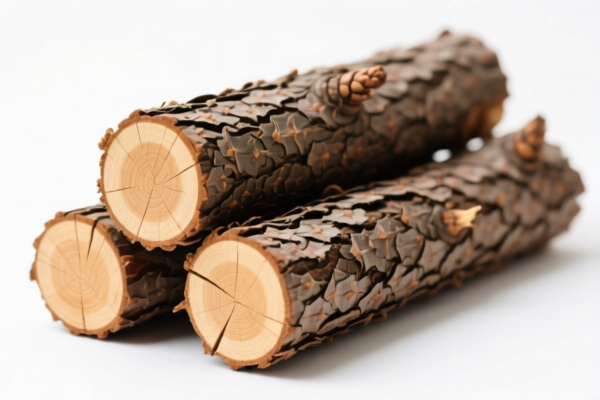
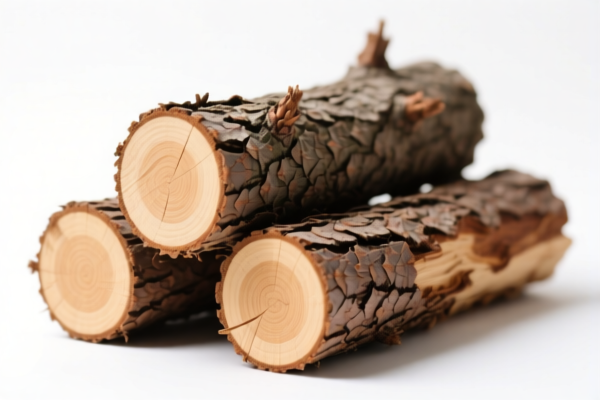
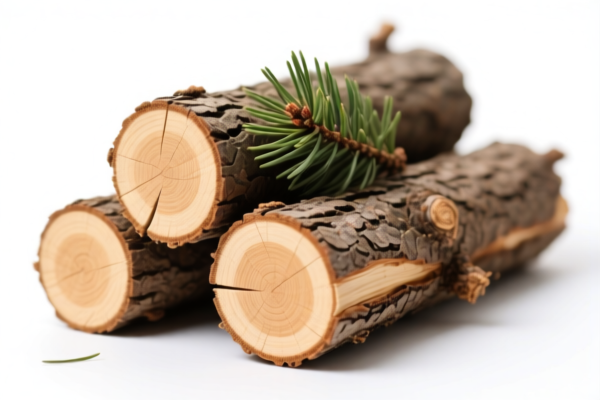
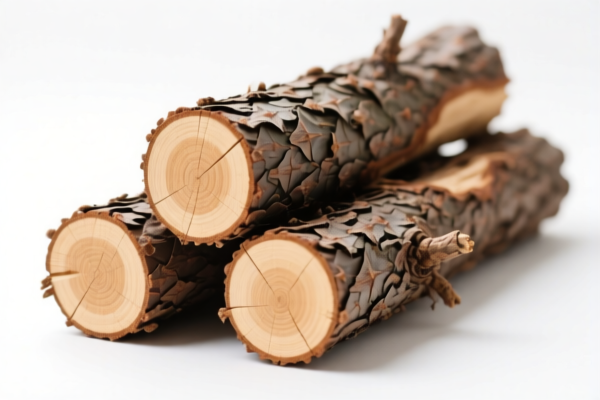
AI Analysis
🌲 Beech Logs (Hardwood Raw Timber)
🌐 HS Code Reference & Customs Clearance Guide | 2026最新税则全解析 | Professional Entry Strategy
📌 I. Product Definition: What Exactly Are "Beech Logs"?
Beech logs refer to the raw, unprocessed timber of the Beech tree (Fagus spp.), typically harvested for industrial processing, furniture manufacturing, or pulp production. In international trade, they fall under the category of "Wood in the Rough" or "Coarsely Squared/Unsquarred Wood."
⚠️ Key Distinction:
- Beech (Fagus spp.): Specifically refers to the genus Fagus. Often classified under specific subheadings for hardwoods.
- Generic Hardwood Logs: If the species cannot be determined or is a mix, it may fall under broader "Other Hardwood" categories.
- Fuel Wood vs. Industrial Logs: Logs intended primarily for burning are classified differently (Chapter 4401) vs. those for sawing/processing (Chapter 4403).
📦 II. HS Code Classification Details (2026 Harmonized System)
Based on the provided data, Beech logs and related hardwood logs are classified into the following HS Codes. All listed items carry a Total Tax Rate of 35.0% due to specific trade measures.
| HS Code | Product Description (Summary) | Material | Form/State | Key Classification Logic |
|---|---|---|---|---|
4403.93.01.00 |
Beech Logs | Beech (Fagus spp.) | Logs (Raw) | Matches "Beech logs, material beech, form logs." |
4403.94.01.00 |
Beech Logs | Beech (Fagus spp.) | Roughly Squared Logs | Matches "Beech logs, material Beech, form roughly sawn logs." |
4403.98.00.95 |
Eucalyptus Logs | Eucalyptus | Coarsely Sawn Wood | Matches "Eucalyptus logs, material Eucalyptus, form coarsely sawn wood." |
4401.12.00.00 |
Eucalyptus Fuel Wood | Non-coniferous | Fuel Wood | Matches "Eucalyptus logs, non-coniferous, form fuel wood." |
4403.98.00.28 |
Eucalyptus Logs | Eucalyptus (Eucalyptus spp.) | Roughly Squared/Unsquarred | Matches "Eucalyptus logs, material Eucalyptus, form roughly sawn/unsquared wood." |
🔍 Critical Note:
- Chapters 4401 vs. 4403: Logs used primarily for fuel go to 4401. Logs intended for further processing (sawing, veneer) go to 4403.
- Species Specificity: "Beech" (Fagus) has specific subheadings (e.g.,4403.93/4403.94). "Other Hardwoods" (like generic Eucalyptus in some contexts) may fall under4403.98.
- Trade Measures: All listed items are subject to Section 301 Tariffs (25%) and Section 122 Tariffs (10%), resulting in a 35% total additional duty on top of the base rate (0%).
💰 III. 2026 Tariff Rate Breakdown (Including Surcharges)
✅ Applicable Countries: United States (US)
✅ Origin: China (CN) (Implied by the 25% Section 301 and 10% Section 122 rates)
✅ Effective Date: Post-2025 Trade Policies
🎯 1. 4403.93.01.00 & 4403.94.01.00 —— Beech Logs (Fagus spp.)
| Item | Detail |
|---|---|
| Base Tariff | 0% (Ad Valorem) |
| Section 301 Tariff | +25% |
| Section 122 Tariff | +10% |
| Total Effective Rate | 35% |
| Calculation Basis | CIF Value × 35% |
| De Minimis Exemption | ❌ NOT APPLICABLE |
| Legal Reference Path | Section 301: 4403.93/94 → Section 122: 4403 → USITC |
📌 Explanation:
- Section 301 (25%): Applied to Chinese-origin hardwood logs under HTS 4403.93 and 4403.94.
- Section 122 (10%): A specific additional duty on certain wood products, often triggered by trade remedy investigations.
- No De Minimis: Small shipments do not qualify for tax exemption; all value is taxed.
🎯 2. 4403.98.00.95 & 4403.98.00.28 —— Eucalyptus Logs (Eucalyptus spp.)
| Item | Detail |
|---|---|
| Base Tariff | 0% |
| Section 301 Tariff | +25% |
| Section 122 Tariff | +10% |
| Total Effective Rate | 35% |
| Calculation Basis | CIF Value × 35% |
| De Minimis Exemption | ❌ NOT APPLICABLE |
📌 Note:
- Eucalyptus logs, whether for industrial use (4403.98) or other hardwood categories, are subject to the same aggressive tariff structure as Beech.
- Ensure the species is correctly identified; misclassification as a non-targeted wood could lead to penalties.
🎯 3. 4401.12.00.00 —— Eucalyptus Fuel Wood
| Item | Detail |
|---|---|
| Base Tariff | 0% |
| Section 301 Tariff | +25% |
| Section 122 Tariff | +10% |
| Total Effective Rate | 35% |
| Calculation Basis | CIF Value × 35% |
| De Minimis Exemption | ❌ NOT APPLICABLE |
📌 Warning:
- Even if declared as "Fuel Wood," Chinese-origin logs are still heavily taxed.
- Intention Misrepresentation Risk: Do not declare industrial-grade Beech/Eucalyptus logs as "Fuel Wood" to avoid duties. Customs will inspect wood grain and dimensions. Misdeclaration can lead to seizure and fines.
🛠️ IV. Customs Clearance Practical Advice (Pitfall Avoidance Guide)
✅ 1. Essential Documentation Checklist (Non-Negotiable)
| Document | Required | Notes |
|---|---|---|
| ✅ Species Certificate | ✔️ | Must confirm Fagus (Beech) or Eucalyptus. Botanical name required. |
| ✅ ISPM 15 Phytosanitary Mark | ✔️ | Logs must be heat-treated or fumigated. Marking must be clear and intact. |
| ✅ Fumigation/Heat Treatment Certificate | ✔️ | Issued by origin country authorities. Essential for pest control compliance. |
| ✅ Commercial Invoice | ✔️ | Must specify "Raw Timber," "Logs," and exact species. No vague terms like "Wood." |
| ✅ Packing List | ✔️ | Include volume (CBM), weight, and number of logs/pallets. |
| ✅ Bill of Lading | ✔️ | Ensure description matches invoice. |
| ✅ USDA APHIS Entry | ✔️ | Pre-notification to USDA is required for most hardwood logs. |
✅ 2. Declaration Strategy (Key Mantra)
🔥 “Species True, ISPM Clear, No Fuel Lie, Taxes Stay Low!”
| Scenario | Correct Declaration | Risk of Wrong Declaration |
|---|---|---|
| Industrial Beech Logs | 4403.93.01.00 or 4403.94.01.00 |
Misdeclared as Fuel → Seizure + Fraud Penalty |
| Eucalyptus Industrial Logs | 4403.98.00.28 or 95 |
Misdeclared as Beech → Minor classification error, possible re-assessment |
| Actual Fuel Wood | 4401.12.00.00 |
Must prove intent (e.g., small diameter, chipped). If large logs, denied. |
| Mixed Logs | Separate HS Codes per species | Mixing species without declaration → Complex Customs Inquiry |
✅ 3. Special Situations
| Situation | Handling Advice |
|---|---|
| Beech vs. Other Hardwoods | Beech (Fagus) has specific codes. Generic "Hardwood Logs" may be misclassified. Use botanical names. |
| Roughly Squared vs. Unsquarred | Ensure physical form matches HS Code description. "Roughly squared" means edges are cut but not finished. |
| Eucalyptus Origin | If not from China, check FTA eligibility. If from Vietnam/Thailand, tariffs may be lower (verify current IEEPA exemptions). |
| Pest Inspections | High risk for logs. USDA APHIS may inspect at port. Delays common if ISPM 15 mark is damaged or missing. |
🌍 V. Global Market Comparison (2026)
| Country/Region | Recommended HS Code | Tariff (Chinese Origin) | Certification | Notes |
|---|---|---|---|---|
| 🇺🇸 USA | 4403.93.01.00 / 4403.98.00.28 |
35% (0% + 25% + 10%) | ISPM 15 + USDA | Highest tariff burden. No de minimis. |
| 🇨🇳 China | 4403.93 / 4403.98 |
~5-10% | Phytosanitary Certificate | Lower entry barriers, but export restrictions may apply. |
| 🇪🇺 EU | 4403.93 / 4403.98 |
0-6.5% | EUTR (EU Timber Regulation) | Strict legality proof required. No US-style surcharges. |
| 🇯🇵 Japan | 4403.93 / 4403.98 |
3.2-4.8% | Phytosanitary | FTA benefits may apply. |
📌 Conclusion:
- USA is the most expensive market for Chinese-origin logs due to Section 301 and 122 tariffs.
- Diversify sourcing if targeting the US market. Consider logs from countries with FTA benefits or exempt status.
- Compliance is key: ISPM 15 and USDA pre-notification are critical to avoid port delays.
📌 VI. Common Mistakes & Pitfall Guide (Lessons Learned)
❌ Mistake 1: Declaring industrial Beech logs as "Fuel Wood" (4401) to avoid scrutiny.
👉 Consequence: USDA rejects entry; goods returned or destroyed. Fraud penalties apply.
❌ Mistake 2: Missing or illegible ISPM 15 heat treatment marks.
👉 Consequence: Entire shipment quarantined or fumigated at importer’s expense. Delay costs > Duty costs.
❌ Mistake 3: Using generic "Wood Logs" in invoices.
👉 Consequence: Customs requests species proof. Delay of 2-4 weeks. Storage fees accumulate.
❌ Mistake 4: Ignoring Section 122 Tariffs.
👉 Consequence: Unexpected 10% surcharge on top of 25%. Profit margin eroded.
✅ Correct Approach:
"Beech Logs (Fagus Sylvatica), Heat Treated, ISPM 15 Marked, For Sawmilling, CIF Value $XXX, HTS 4403.93.01.00"
🎯 VII. Conclusion: Smart Classification, Safe Clearance
🎯 Remember the Mantra:
🔹 “Species Precise, ISPM Clean, Tariff 35%, No Fraud!”
🔹 “Logs are watched, audits are real, misdeclare, and you pay!”
📌 Pro Tip:
If your logs are originating from Southeast Asia (e.g., Vietnam, Indonesia), verify if they qualify for Section 301 Exclusions or lower duties under current trade policies.
Consider applying for Advance Rulings from US Customs to confirm HS Code classification before shipment.
📣 Immediate Action:
📞 Consult with a licensed customs broker + Provide ISPM 15 docs + Verify USDA requirements
🚀 Ensure your logs, clear customs smoothly, avoid penalties, and protect your margins!
✨ Professional Clearance Starts with Precise Classification!
💼 Every duty dollar counts, especially in high-tariff timber trade!
Customer Reviews
About HS Code Classification
The Harmonized System (HS) is an internationally standardized nomenclature developed by the World Customs Organization (WCO) to classify traded products. Over 200 countries use the HS system as the basis for customs tariffs, trade statistics, and import/export regulations.
Each HS code follows a hierarchical structure:
- Chapter (2 digits) — Broad category of goods (e.g., Chapter 84: Machinery and Mechanical Appliances)
- Heading (4 digits) — More specific grouping within the chapter
- Subheading (6 digits) — Internationally standardized breakdown, used by all WCO member countries
- National subdivisions (8-10 digits) — Country-specific extensions for further classification, such as US HTSUS 10-digit codes
Correct HS code classification is essential for smooth customs clearance, accurate duty payment, and compliance with trade regulations. Misclassification can lead to customs delays, overpayment of duties, or penalties.
When importing from CN to US, the applicable tariff rates may include:
- Most-Favored-Nation (MFN) rate — The standard duty rate applied to WTO members
- General rate — Applied to countries without trade agreements
- Trade remedy duties — Additional tariffs such as Section 301 (anti-dumping), Section 232 (national security), or countervailing duties
The information provided on this page is for reference purposes only. For official classification, please consult with your local customs authority or a licensed customs broker.